To choose a roller skate helmet for adults, pick a skate-style helmet that fits snugly, sits low on your forehead, and carries a recognised skate or multi-sport certification. In general terms, fit and coverage matter more than style or price, so a helmet that stays put when you move is the right starting point.
Adult roller skaters are a broad group: rink skaters, outdoor trail skaters, dance skaters, and returning skaters getting back on wheels after years away. All of them share the same risk, which is a backwards or sideways fall onto a hard surface. This guide walks through the choice step by step so you buy once and buy well.
What Type of Helmet Should an Adult Roller Skater Wear?
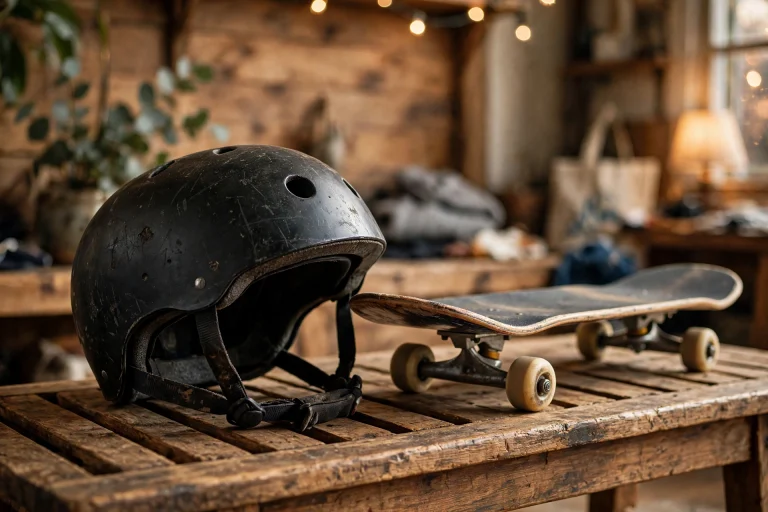
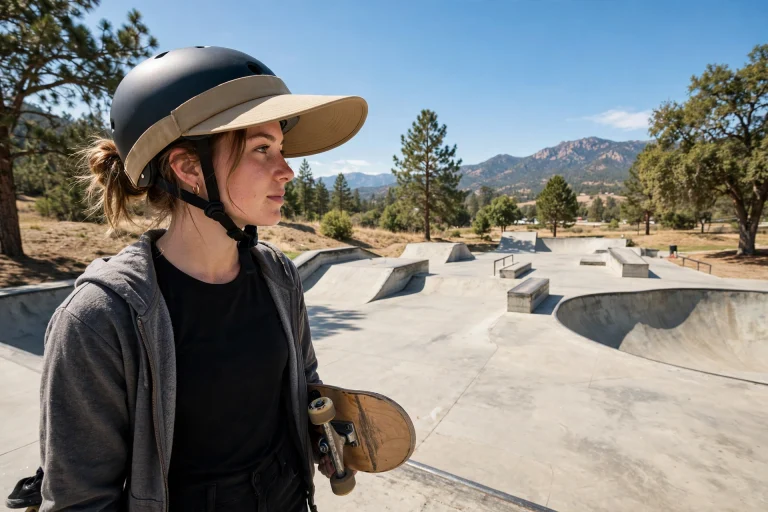
A skate-style helmet is the natural fit for roller skating. It has a hard shell, a foam liner, and a low cut that covers the back and sides of the head, which is exactly where roller skaters tend to hit the ground. Falls on skates often go backwards, so that rear coverage is more valuable than the long, aerodynamic shape of a road cycling helmet.
Some helmets are marketed as multi-sport helmets and carry certifications for skating, cycling, and sometimes other activities. These are a good option if you also cycle or use a skateboard, since one helmet can cover several hobbies. Just check that the certifications listed are genuine and current rather than vague claims on the packaging.
Avoid novelty helmets with no certification, thin novelty shells, or helmets designed purely for looks. A helmet that has not been tested to a recognised standard may look the part while offering little real protection. If the listing or label does not name a standard, treat that as a warning sign.
How Do You Get the Right Fit as an Adult?
Measure first. Wrap a soft tape around your head just above your eyebrows and ears, and compare the result with the maker’s size chart. Adult heads vary widely, and helmet sizes differ between brands, so your usual hat size is only a rough guide. If you fall between sizes, try both if you can, since shell shapes differ as well as sizes.
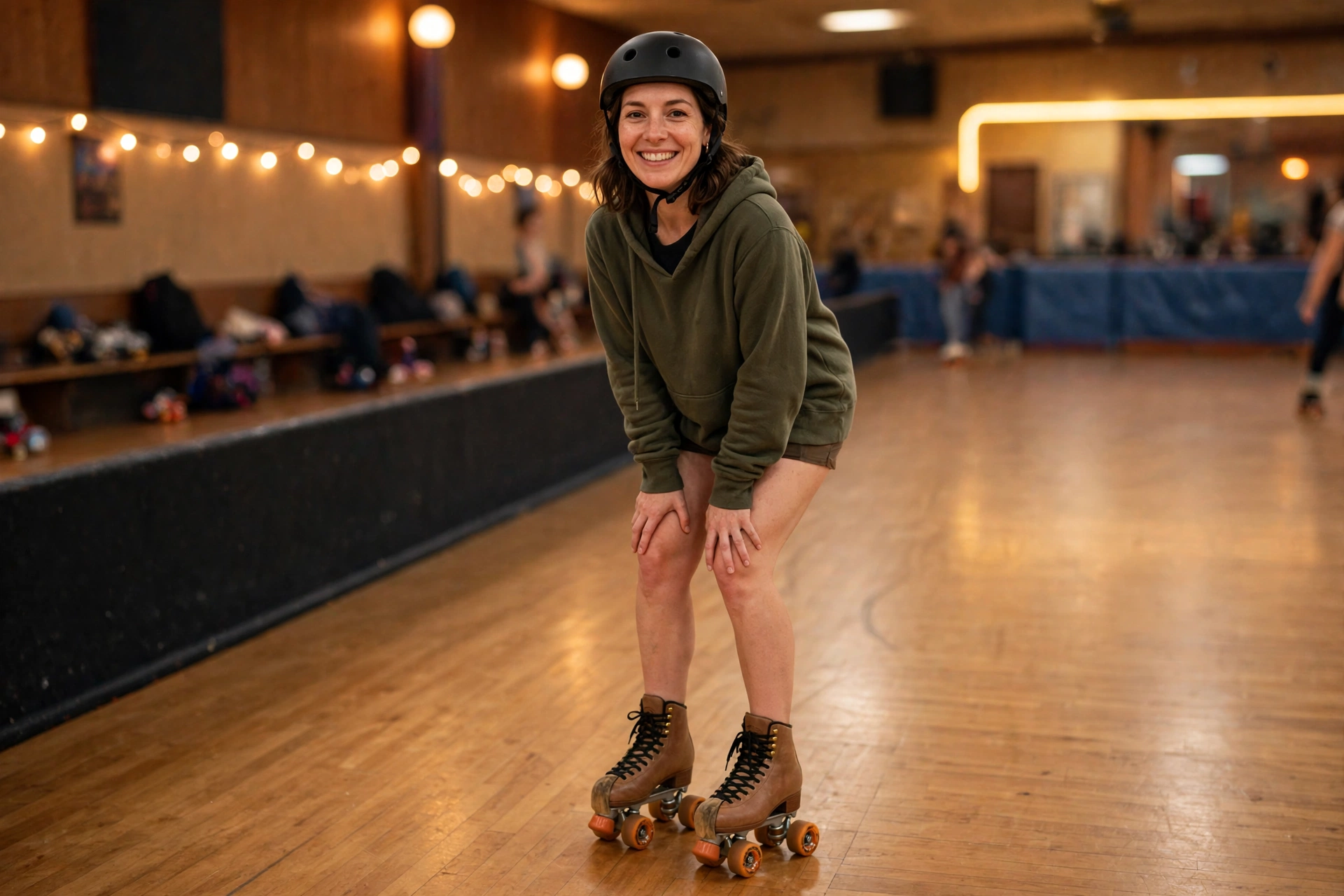
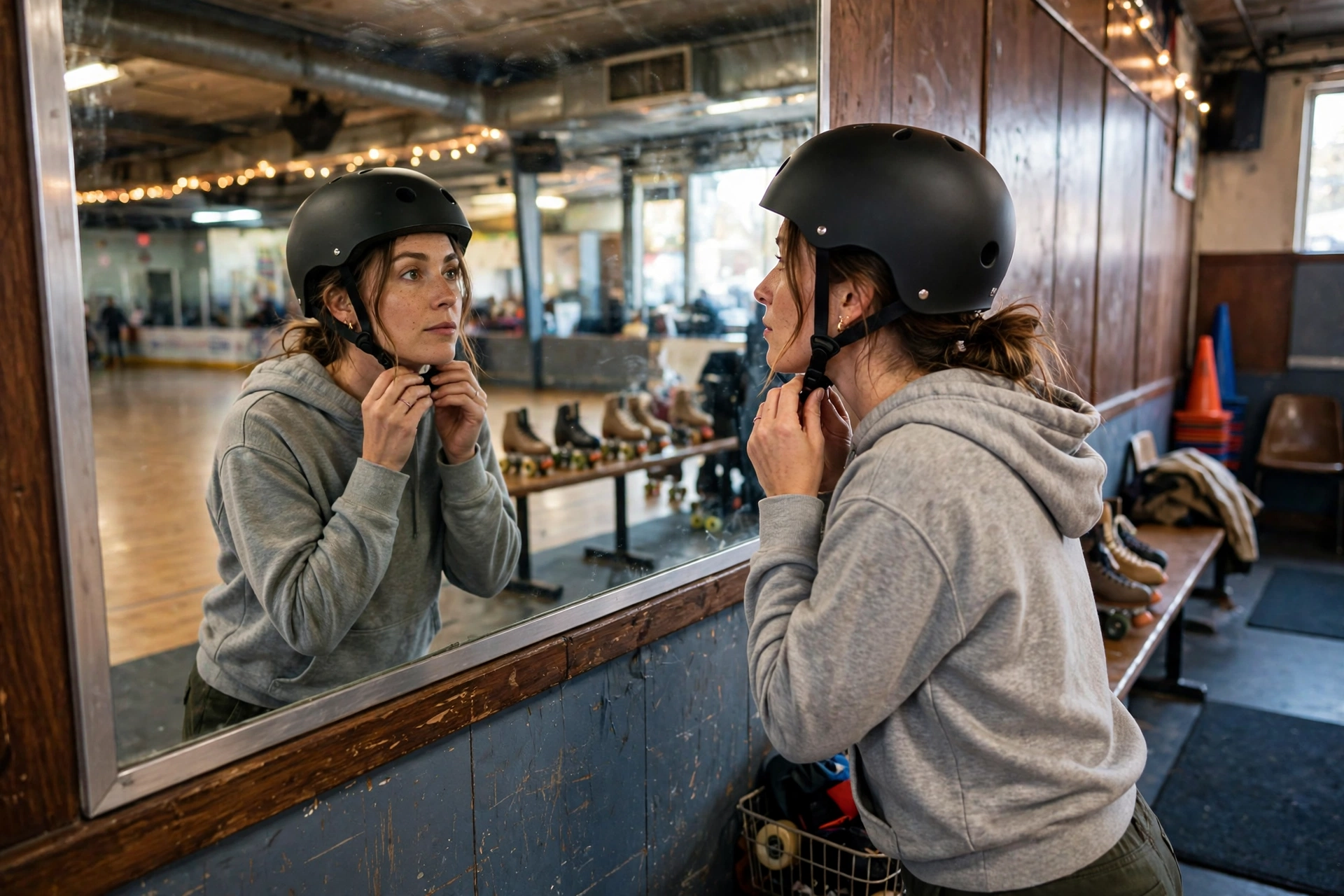
Once the helmet is on, it should sit level, about two fingers above your eyebrows, and feel snug all the way around without pressure points. Shake your head gently: the helmet should move with your head, not slide over it. Then adjust the side straps into a V under each ear and tighten the chin strap until it is snug but comfortable.
Consider your hairstyle too. A helmet that fits over loose hair may fit differently with hair tied up, braided, or under a cap. Fit the helmet the way you will actually wear it on skates, and recheck the fit if you change your hairstyle significantly. Comfort is not vanity here; a helmet that pinches will spend more time in your bag than on your head.
What Features Are Worth Paying For?
Ventilation is the feature adult skaters notice most. Outdoor skating in warm weather gets hot quickly, and a helmet with well-placed vents keeps you cooler and more willing to keep it on. Look for vents that run front to back so air flows through as you move, rather than a few decorative holes.
Adjustable fit systems are worth it too. A dial at the back or interchangeable padding lets you fine-tune the fit as padding settles over time, and makes it easier to share sizing advice if you buy a second helmet later. Removable, washable padding is a bonus, since skate helmets absorb a lot of sweat.
Some helmets include a slip layer designed to reduce rotational forces in angled impacts. Before paying extra for it, it is worth reading what MIPS for helmets means, so you understand what it does and does not do. It is a useful feature, but it never compensates for a poor fit or a helmet that is past its best.
Does the Kind of Skating Change the Choice?
Rink skating is usually lower speed and on a smooth, predictable floor, so a standard skate helmet is plenty. Outdoor trail skating involves rougher surfaces, slopes, road crossings, and other path users, so ventilation, a secure fit, and a bright colour that stands out to drivers and cyclists all matter more.
Dance and artistic skating involve spins, jumps, and quick direction changes, which means frequent falls at odd angles. A snug, low-cut helmet that stays in place during spins is important, and a lighter helmet helps since you are moving your head a lot. Try turning and dipping your head when you test the fit.
Speed skating and trail skating at higher speeds may justify a helmet with more coverage or a sturdier shell. Be honest about the fastest skating you actually do, not just the average session, and choose for that. A helmet chosen for your fastest day protects you on every slower day too.
When Should You Replace a Roller Skate Helmet?
Replace your helmet after any hard impact, even if the outside looks fine. The foam liner can be damaged in ways you cannot see, and a helmet that has already absorbed one crash may not absorb the next one as well. If you fall and your head hits the ground, retire the helmet and start fresh.
Also replace a helmet when the fit goes. Padding compresses over months of use, straps stretch and fray, and the shell can be weakened by sun and heat if you leave it in a car. In general terms, a helmet used several times a week for a few years is due for replacement, even without a crash, because its materials age.
Keep the new helmet in good shape by storing it indoors, away from direct sunlight and heat, and cleaning the pads as the maker directs. A helmet that is stored well and checked regularly lasts longer and fits better, which means you are more likely to wear it every time you skate.
Frequently Asked Questions
Q: Can adults wear a kids’ helmet for roller skating?
A: Only if it genuinely fits your head measurement and sits correctly, but adult sizes are shaped for adult heads, so an adult helmet is almost always the better fit. Never wear a helmet that sits high or wobbles, whatever size it says on the label.
Q: Do I need a helmet for indoor rink skating?
A: In general terms, rink floors are hard and falls happen even to experienced skaters, so a helmet is sensible indoors too. Some rinks require helmets for beginners or for certain sessions, so check the rink’s rules before you go.
Q: Is a bike helmet okay for roller skating?
A: Yes, a bike helmet is better than no helmet, but a skate-style helmet usually covers more of the back of the head, which suits backwards falls on skates. If you skate regularly, a skate or multi-sport helmet is the better long-term choice.

Olivia
Writer at Helmet Today, covering helmet reviews, fit and riding safety.