
When I looked into the helmet law Wisconsin riders deal with, the first thing that stood out was how easy it is to get the rule wrong. Wisconsin does not require every adult motorcycle rider to wear a helmet, but that does not mean helmets are optional for everyone.
The key details are age, motorcycle instruction permits, and passengers. I also found that Wisconsin has separate rules for moped riders, plus an eye-protection rule that many riders overlook. Here is the simple breakdown.
What Is the Helmet Law in Wisconsin?
Wisconsin has a partial motorcycle helmet law. Riders under 18 must wear an approved helmet, and motorcycle instruction permit holders must also wear one. Adult riders with a regular motorcycle license are not required by state law to wear a helmet.
That is the part that often causes confusion. People hear that Wisconsin has a helmet law and assume every rider must wear one. That is not how the current rule works.
| Rider | Helmet required? | Key rule |
|---|---|---|
| Rider under 18 | Yes | Approved helmet required |
| Adult with instruction permit | Yes | Helmet required while riding |
| Adult with regular Class M license | No | Helmet strongly recommended |
| Passenger under 18 | Yes | Must wear an approved helmet |
Wisconsin law also requires the helmet to meet the federal motorcycle helmet standard in 49 CFR 571.218, with the chin strap properly fastened.
Who Has to Wear a Helmet in Wisconsin?
The easiest way to understand the helmet law Wisconsin uses is to look at the rider’s status instead of just the rider’s age.
Riders Under 18 Must Wear a Helmet
Anyone under 18 who operates or rides on a motorcycle on a Wisconsin highway must wear protective headgear that meets the required federal standard. The chin strap must also be properly fastened.
This rule applies to young riders even though Wisconsin does not have a universal helmet requirement for adults. It is also important for parents carrying teenagers as passengers.
Motorcycle Instruction Permit Holders Must Wear One
This is one detail I would not skip when explaining the law. A motorcycle instruction permit holder must wear an approved helmet, regardless of whether that person is 18 or older.
So an adult who is learning to ride under a Wisconsin motorcycle instruction permit cannot use the adult exception to ride without a helmet.
| Situation | Wisconsin rule |
|---|---|
| 19-year-old with regular Class M license | Helmet not required by state law |
| 19-year-old with motorcycle instruction permit | Helmet required |
| 17-year-old licensed rider | Helmet required |
| 17-year-old motorcycle passenger | Helmet required |
That small distinction can save a lot of confusion.
Do Adult Motorcycle Riders Need Helmets in Wisconsin?
No. Wisconsin does not require all adult motorcycle riders with regular licenses to wear helmets.
The Wisconsin Department of Transportation confirms that helmet use is strongly encouraged, but the state does not have a universal helmet requirement for all motorcycle riders.
This creates an important difference between legal and safe.
An adult rider may legally ride without a helmet in Wisconsin under the state’s helmet rule. But Wisconsin DOT still strongly recommends protective gear, including a full-face helmet, protective clothing, gloves, boots, and other riding gear.
Why I Would Still Wear One
When I compare the legal minimum with the practical minimum, they are very different things.
A helmet can protect your head in a crash. Wisconsin DOT notes that proper use of an approved helmet reduces head and neck injuries, and it strongly encourages riders to use one.
| Legal question | Practical question |
|---|---|
| Can an adult ride without a helmet? | Yes, if properly licensed |
| Is riding without one risk-free? | No |
| Does Wisconsin recommend helmets? | Yes |
| Is a DOT-approved helmet better protection? | Yes |
For me, this is one of those cases where the law sets a minimum, not a target.
What Helmet Does Wisconsin Require?
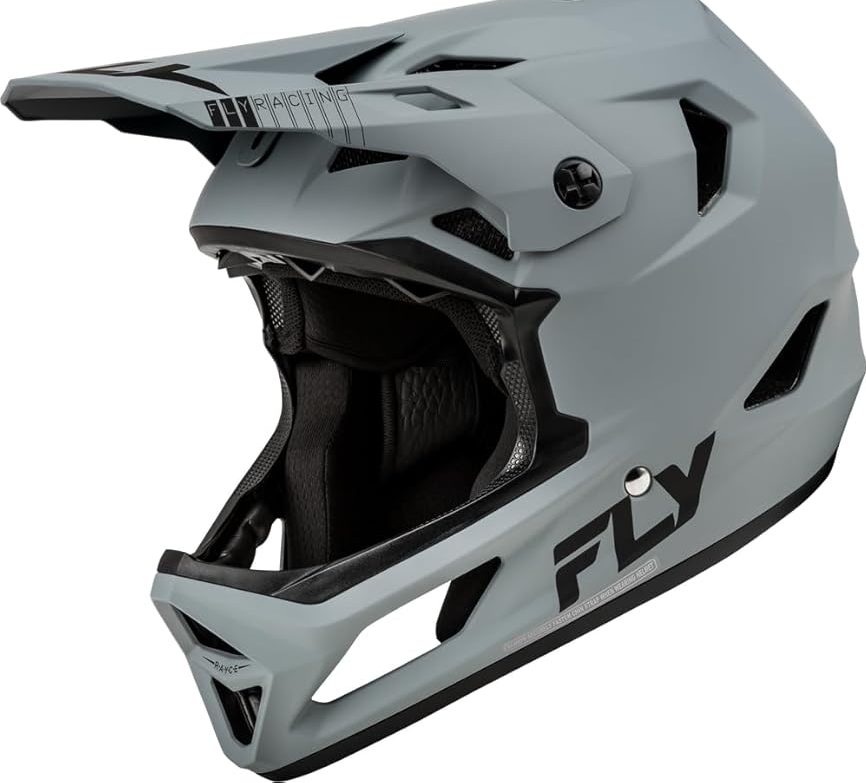
When a helmet is legally required, it must meet the motorcycle helmet standards established under 49 CFR 571.218. The chin strap must also be properly fastened.
Wisconsin DOT also states that motorcycle helmets must meet or exceed U.S. Department of Transportation minimum standards.
Look for a Properly Approved Motorcycle Helmet
If you need a legal helmet, I would not rely only on a seller’s description saying “motorcycle helmet.” Check that the helmet meets the required DOT standard.
A good helmet should also fit correctly. A loose helmet can move during a crash, while an overly tight one can become uncomfortable enough that you stop wearing it.
| What to check | What it means |
|---|---|
| DOT compliance | Meets the required federal standard |
| Chin strap | Fastened securely |
| Proper fit | Helmet stays firmly in place |
| Good condition | No major damage or serious wear |
What About Motorcycle Passengers Under 18?
Wisconsin puts a clear responsibility on the motorcycle operator when carrying a passenger under 18.
A motorcycle operator may not carry a passenger under 18 unless that passenger is wearing the required protective headgear.
Wisconsin DOT also says there is no minimum age for a child passenger. However, the child must sit behind the driver, wear a helmet, and be able to reach the foot pegs.
That last point is easy to miss.
A Child Passenger Has More Than One Requirement
The helmet is only part of the safety picture. The child must be positioned correctly and be able to use the foot pegs.
| Child passenger issue | Wisconsin guidance |
|---|---|
| Sitting in front of rider | Not allowed |
| Helmet | Required |
| Reaching foot pegs | Required |
| Minimum passenger age | No specific minimum age |
This is a good example of why simply asking, “Does my child need a helmet?” does not tell the whole story.
Does Wisconsin Require Eye Protection Too?
Yes. This is another rule that gets lost when people focus only on the helmet law.
Wisconsin law requires motorcycle operators to use a protective face shield, glasses, or goggles. There is an exception when the motorcycle has a windshield that rises at least 15 inches above the handlebars.
So an adult rider who legally chooses not to wear a helmet still has to pay attention to the eye-protection rule.
| Motorcycle setup | Eye protection |
|---|---|
| No qualifying tall windshield | Face shield, glasses, or goggles required |
| Windshield rises at least 15 inches | Other eye protection not mandatory |
| Dark riding conditions | Tinted eye protection has extra limits |
Wisconsin also says eye protection worn at night generally cannot be tinted or darkened, except for certain prescribed corrective glasses.
Is There a Helmet Law for Mopeds in Wisconsin?
Wisconsin does not require moped riders to wear helmets under the state’s moped rules.
Wisconsin DOT specifically states that moped drivers are not required to wear helmets, although it strongly recommends a U.S. DOT-approved helmet because mopeds provide very little protection in a crash.
That distinction matters because people sometimes use “moped,” “scooter,” and “motorcycle” as if they mean the same thing.
They do not always fall under the same legal classification.
Motorcycle and Moped Rules Are Not Identical
Wisconsin defines motorcycles and mopeds differently. A motorcycle generally has the characteristics of a two- or three-wheeled vehicle capable of speeds above 30 mph, while Wisconsin’s moped rules cover a different class of vehicle.
| Vehicle | State helmet rule |
|---|---|
| Motorcycle | Required for under 18 and permit holders |
| Moped | Helmet not required |
| Motorcycle passenger under 18 | Helmet required |
If you are unsure how your vehicle is classified, check the Wisconsin DMV rules before assuming the motorcycle helmet law applies.
What Happens If You Ignore the Helmet Rule?
Wisconsin law allows a forfeiture for violations of the protective-headgear rules. The general penalty under Wisconsin Statute §347.50 is $10 to $200 for violations covered by §347.485.
There is another practical issue for adults carrying young passengers. Wisconsin DOT notes that operators can face fines and demerit points when carrying passengers under 18 who are not wearing a properly fitted helmet.
The exact consequences can depend on the violation and citation, so I would not treat the basic fine range as the whole story.
Common Wisconsin Helmet Mistakes to Avoid
The mistakes I would watch for are surprisingly simple. Most come from misunderstanding who is covered by the law.
| Mistake | Better approach |
|---|---|
| Thinking every adult must wear a helmet | Check your license and age |
| Thinking no one needs a helmet | Riders under 18 still must wear one |
| Forgetting the instruction permit rule | Wear an approved helmet while permitted |
| Ignoring a young passenger’s helmet | Passenger under 18 must wear one |
| Treating a moped like a motorcycle | Check the vehicle classification |
| Forgetting eye protection | Use a shield, glasses, or goggles when required |
The biggest trap is assuming the adult exception applies to everyone. It does not apply to an under-18 rider or a person riding under a motorcycle instruction permit.
My Practical Take on the Wisconsin Helmet Law
After breaking the rules down, I think the easiest way to remember the helmet law Wisconsin uses is this: adult licensed riders have a choice, but young riders and instruction permit holders do not.
There is also a second lesson. Even when a helmet is not legally required, Wisconsin DOT still strongly recommends one. The same goes for protective clothing and proper eye protection.
Final Thoughts
The Wisconsin helmet law is less complicated once you separate regular adult riders from people under 18 and motorcycle instruction permit holders. Those groups do not have the same legal requirements.
My practical advice is simple: if you ride, use a properly fitted DOT-compliant helmet even when state law lets you skip it. It removes the legal uncertainty for most situations and gives your head far more protection than riding bareheaded.
Frequently Asked Questions
Is there a helmet law in Wisconsin?
Yes. Wisconsin requires helmets for motorcycle riders and passengers under 18 and for motorcycle instruction permit holders. Adult licensed riders are not required to wear one.
Can adults ride motorcycles without helmets in Wisconsin?
Yes. An adult with a regular motorcycle license may ride without a helmet under Wisconsin law. A helmet is still strongly recommended by the Wisconsin DOT.
Does a 17-year-old need a motorcycle helmet in Wisconsin?
Yes. A rider under 18 must wear approved protective headgear. The chin strap must also be properly fastened while riding on a highway.
Do moped riders need helmets in Wisconsin?
No. Wisconsin does not require moped riders to wear helmets. The state still strongly recommends a DOT-approved helmet because mopeds offer little crash protection.
Do motorcycle passengers under 18 need helmets in Wisconsin?
Yes. A motorcycle operator cannot carry a passenger under 18 unless that passenger wears the required protective headgear. The child must also reach the foot pegs.

Olivia
Writer at Helmet Today, covering helmet reviews, fit and riding safety.