Mascots do not normally wear a helmet: in general terms, a mascot wears a large costume head, which is a costume piece and not a protective helmet, and there is no rule requiring mascots to wear one. That surprises some people, because mascots run, dance, do stunts, and are regularly knocked over by players and fans. But the big, soft head that makes a mascot recognisable is designed for looks and character, not for impact protection, and it is not a substitute for a helmet.
This guide explains what mascots actually wear on their heads, why a helmet is not normally part of the costume, what head risks mascots do face, and when wearing real head protection underneath the costume might be sensible. In general terms, the honest answer is that most mascots rely on the padding of the costume, good vision, and careful choreography rather than on a helmet, and anyone considering extra protection should understand the trade-offs first.
Do mascots wear helmets?
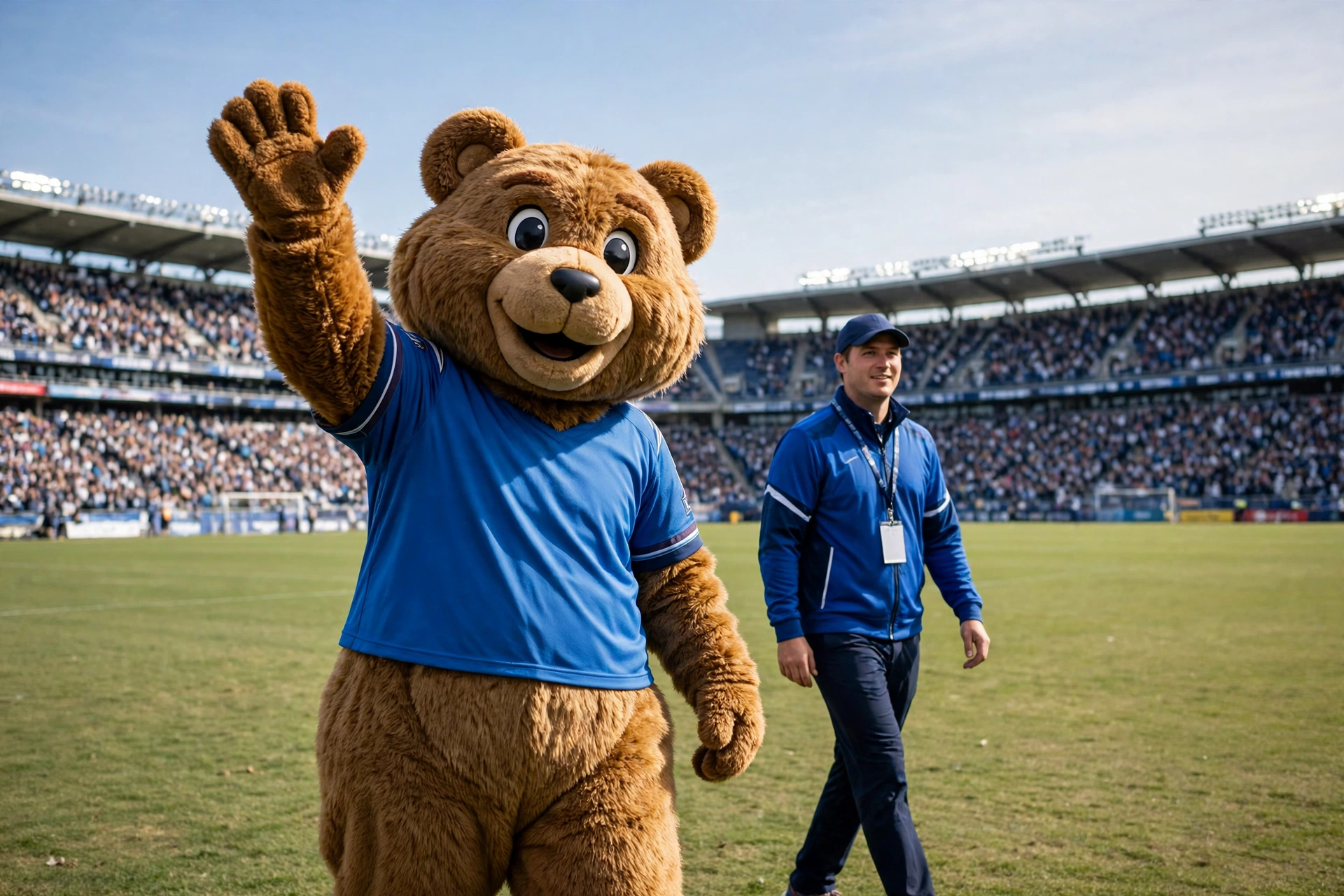
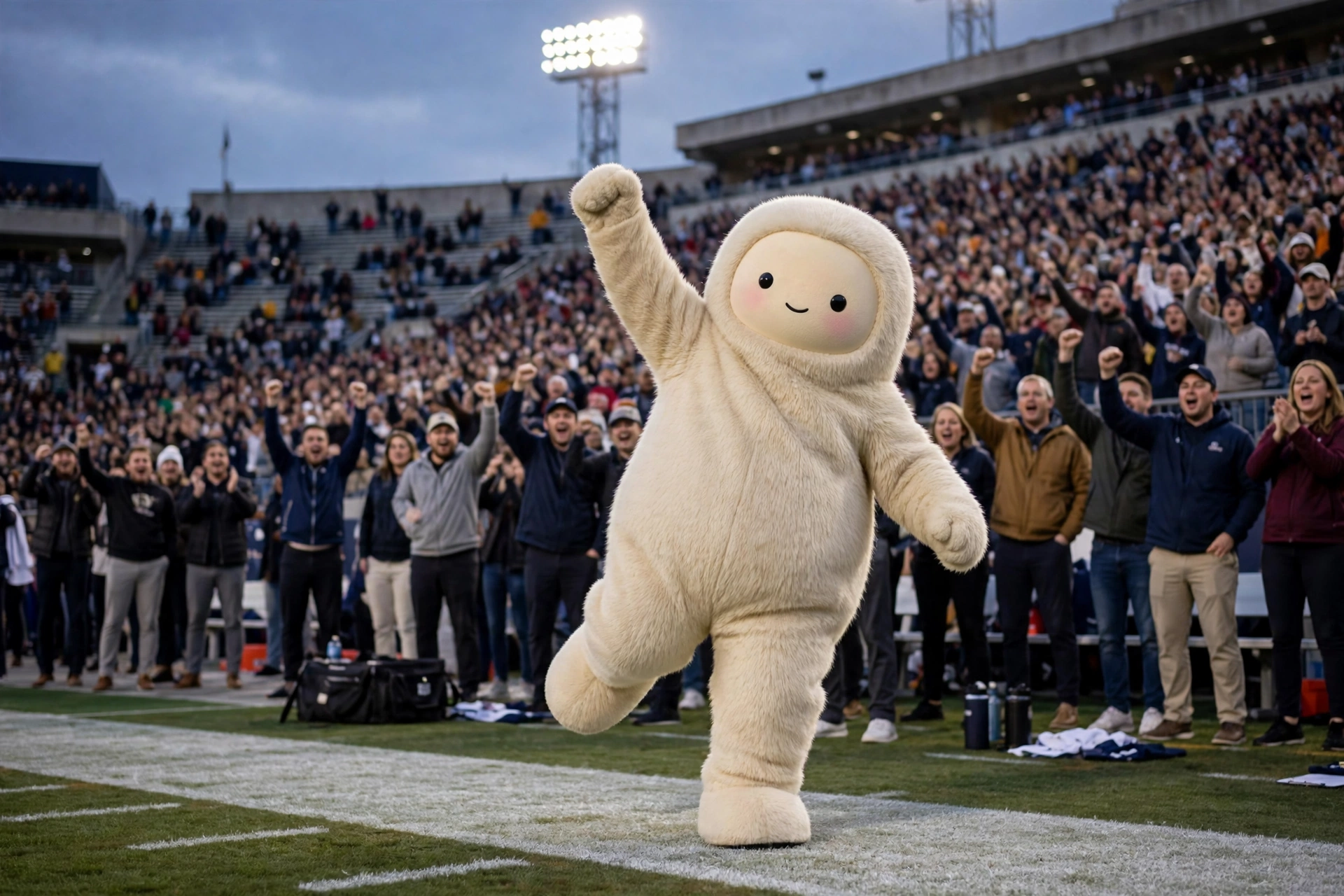
No, mascots do not wear helmets in the usual sense. If you watch a mascot at a sports game or an event, the performer is wearing a large, lightweight costume head, often made from foam, fabric, and plastic, with eye holes or a mesh panel to see through. The head is held on by straps or a harness inside, and it is shaped to look like an animal, a character, or a team symbol.
The costume head is not a helmet, and it should not be mistaken for one. It is made to be light and visible, not to absorb impacts, and it can actually make a fall worse by adding weight to the head and limiting vision.
What head risks do mascots face?
Mascots face real but limited head risks, mostly from falls and collisions. A mascot who dances, does a backflip, or is lifted by cheerleaders can fall hard, and the large costume head can whip the neck or hit the floor first. A mascot can also be knocked over by a player running out of bounds, a fan reaching out, or another mascot during a race or a skit.
Other risks come from the costume itself. The head limits vision, so a mascot may not see a step, a cable, or a low barrier, and the heat inside the costume can cause dizziness, which makes a fall more likely. In general terms, these are the same kinds of accidents that can happen to anyone working in a bulky costume, and the risk is highest during stunts, races, and routines that involve being lifted or thrown.
Can a mascot wear a helmet under the costume?
Yes, a mascot can wear a light helmet or padded headgear underneath the costume head, and some performers do, especially for stunt-heavy routines. The idea is to add a layer of real protection that the audience never sees, while keeping the costume head on top for the character. A light, close-fitting helmet or a padded skull cap can fit inside many costume heads without changing how the character looks.
The trade-off is heat and fit. A costume head is already hot, and adding a helmet makes it hotter, which can lead to fatigue and dizziness. The helmet must also fit inside the costume head without pushing it off balance or blocking the eye holes. Most mascots decide the benefits are not worth it for a normal appearance, when they are walking, waving, and posing for photos. But for a mascot who does trampoline dunks, flips, or lifts, a helmet underneath is a reasonable, honest option to consider.
What do mascots wear instead of a helmet?
Instead of a helmet, mascots wear the costume head itself, held on by an internal harness or straps, with padding around the forehead and chin to keep it steady. Some performers add a thin sweatband or a skull cap underneath to keep the head in place and soak up sweat, and a cooling vest or a small fan inside the costume helps with the heat.
The most important protection a mascot has is not something worn at all. It is a handler, a person who walks with the mascot, guides them around obstacles, and watches for dangers the mascot cannot see. A good handler keeps the mascot away from steps, cables, and crowds, and steps in if the mascot starts to fall. In general terms, the handler and the routine are the mascot’s real head protection, and no costume should be worn without someone looking out for the performer inside it.
How do mascots stay safe without a helmet?
Mascots stay safe through planning and practice. Routines are rehearsed without the costume first, then in the costume, so the performer knows where every step, jump, and landing goes. Stunts are practised on mats before they are done in front of a crowd, and a spotter or handler is always nearby during the risky parts. The performer learns to move slowly, to keep their balance, and to ask for help rather than trying to see through a small eye hole.
Mascots also take regular breaks to cool down and rest, because heat and fatigue are the biggest dangers inside a costume. Water, shade, and a place to sit are part of the job, and a performer who feels dizzy should stop at once. If a mascot is hurt, the routine stops and the injury is treated like any other head injury, with the performer checked before they return. In general terms, the safety system for mascots is built on handlers, rehearsal, and rest, and it works well enough that helmets have never become part of the costume.
When might a mascot consider real head protection?
A mascot might consider real head protection when doing stunts, such as trampoline dunks, backflips, or being thrown by cheerleaders, where the chance of a hard fall is much higher than in a normal appearance. In that setting, a light helmet worn under the costume head can add a little protection without changing how the character looks, and many stunt mascots already do this. It is the one situation where a mascot’s role is close enough to an athlete’s to justify an athlete’s protection.
Another case is a mascot who has had a previous head injury, or one who performs at events with crowded, unpredictable crowds. A performer who feels exposed in that setting may choose a padded skull cap for peace of mind, and nobody in the audience will notice. A cycling or skate helmet is not ideal, because it is bulky and hot, but a light, well-fitting padded cap is the sensible choice if one is worn at all. Some modern helmets include a system designed to reduce rotational forces in a fall, such as MIPS, and a mascot choosing head protection should look for something light, cool, and well-fitting, rather than the cheapest option.
Do mascots wear helmets?
No, in general terms mascots do not wear helmets. They wear a large costume head, which is a costume piece and not a protective helmet, and their safety comes from handlers, rehearsal, and the routine.
Can a mascot wear a helmet under the costume?
Yes, a light helmet or padded skull cap can be worn underneath the costume head, and some stunt mascots do this. It adds real protection that the audience never sees, though it also adds heat.
What should a mascot do after a head knock in costume?
Stop the routine and get checked, just as an athlete would. In general terms, any head knock should be treated seriously, and the performer should not carry on if there are symptoms such as dizziness, confusion, or headache.

Olivia
Writer at Helmet Today, covering helmet reviews, fit and riding safety.