To wash ski helmet ear pads and liner, remove them from the helmet, hand-wash them in lukewarm water with a small amount of mild soap, rinse until the water runs clear, press the water out with a towel, and let everything air dry completely before refitting — never machine wash hot, tumble dry, or soak the helmet’s foam shell itself. Done once every few weeks of riding, it keeps the helmet fresh, keeps the fit snug, and helps the padding last.
A ski helmet lives a hard, sweaty life: it sits on a warm head all day, absorbs sunscreen and hair products, then gets stuffed into a bag while still damp. The good news is the parts that get dirty are designed to come out. This guide covers the full process, from removal to drying, plus how to clean the shell and straps without damaging anything.
How Do You Remove the Ear Pads and Liner Safely?
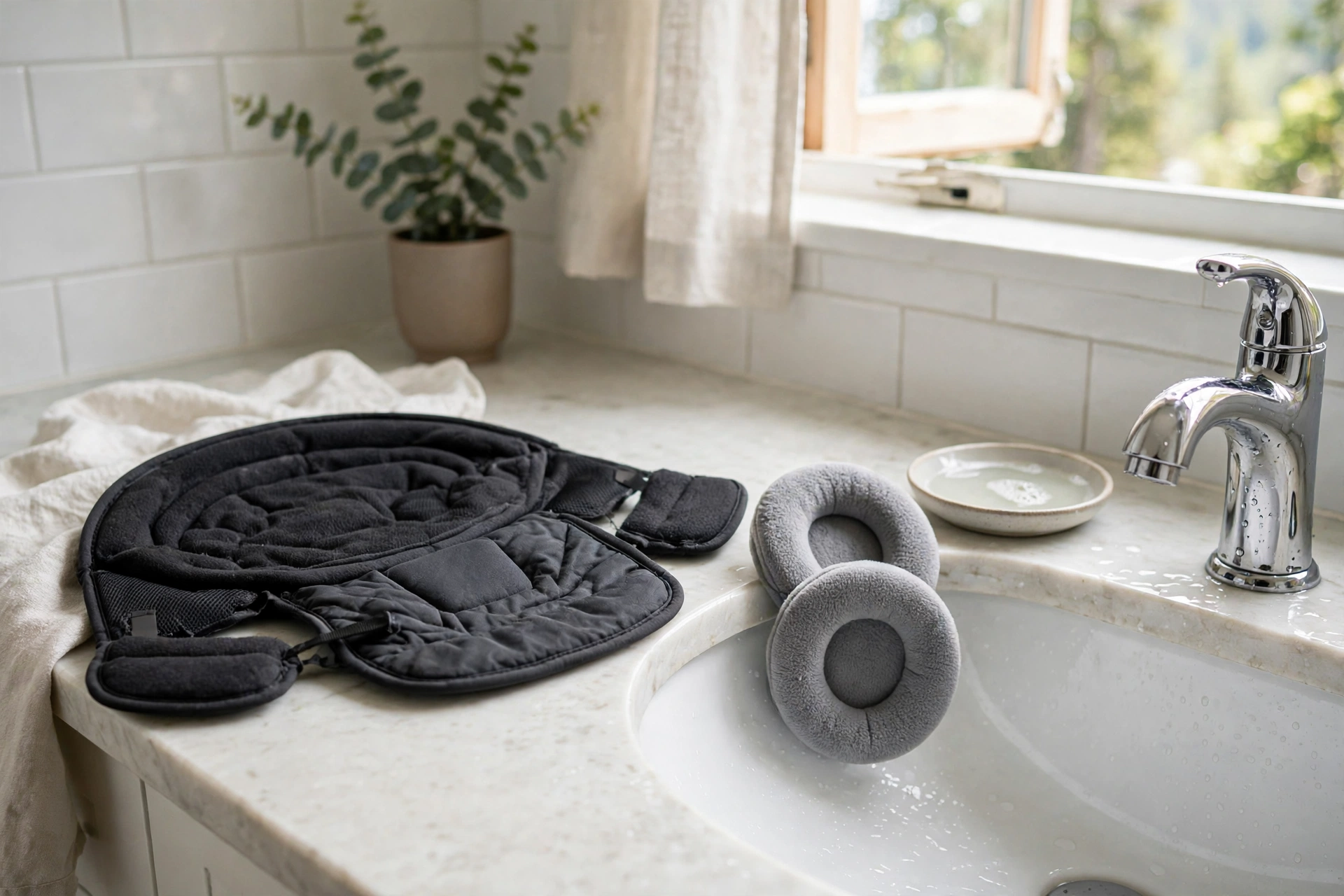
Start by checking how your helmet comes apart — designs vary, but in general terms the liner is one shaped piece of padding held in by Velcro tabs and a few press studs, and each ear pad attaches with snaps, a zip, or Velcro. Work slowly and note where each piece came from; a quick photo with your phone before you start makes reassembly effortless.
Free the liner by gently peeling the Velcro tabs rather than yanking — the tabs are stitched to thin fabric and can tear if you pull hard. Ear pads usually pop off their snaps with steady pressure close to the snap itself. If something resists, look for a hidden tab or stud instead of forcing it: nothing in a helmet’s padding system should need real strength to remove.
While the padding is out, this is also your chance to look at the foam shell underneath. It should be clean, uncompressed, and free of cracks. You are not going to wash the foam itself — a wipe with a damp cloth is all it ever needs — but a quick inspection each wash keeps you aware of the helmet’s condition.
What Is the Right Way to Wash the Pads and Liner?
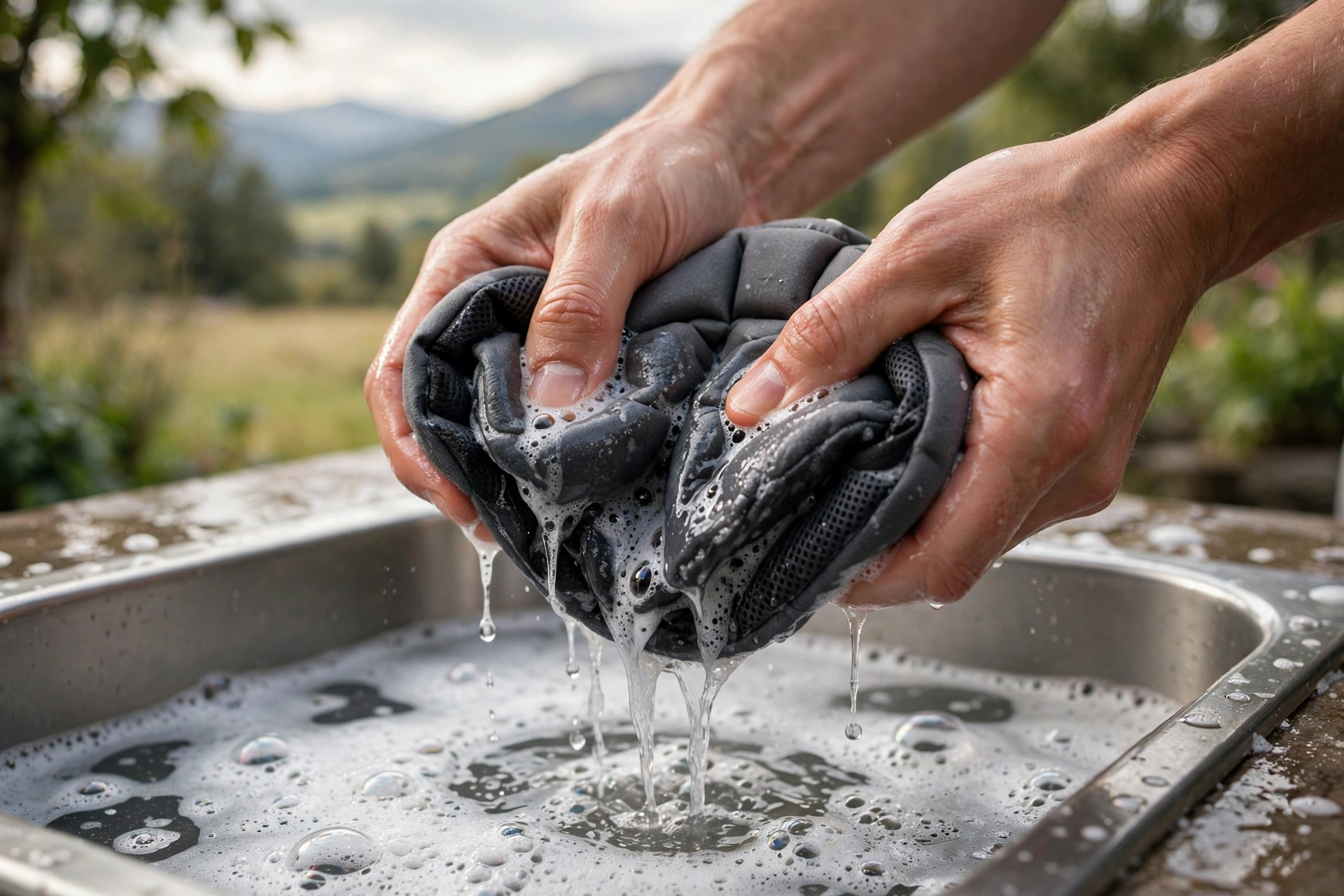
Fill a sink or basin with lukewarm water and add a small amount of mild soap — a gentle detergent, baby shampoo, or a little dish soap all work. Submerge the ear pads and liner, let them soak for ten to fifteen minutes, then work them gently by hand: squeeze the soapy water through the padding, and pay extra attention to the forehead band of the liner, which collects the most sweat.
Rinse thoroughly under clean water until it runs clear and the padding no longer feels slick. Soap left in the foam makes it stiff and can irritate skin next time you ride, so rinse more than you think you need to. If the pads were particularly far gone, a second soak in clean soapy water beats scrubbing harder — abrasion is what wears linings out.
Skip bleach, strong detergents, fabric softener, and hot water. Bleach and harsh chemicals can attack the padding materials and any adhesives, fabric softener coats the fibers and reduces their ability to absorb sweat, and high heat can shrink or warp the pieces so they no longer fit the helmet properly.
How Should You Dry Everything Without Damaging It?
Lay the washed pieces on a clean towel, roll the towel up, and press to draw out as much water as you can — do not wring the padding, which twists and tears the internal foam. Then lay the pieces flat or hang them somewhere with good air flow, away from direct heat.
Air drying at room temperature is the rule. A radiator, a hairdryer on hot, or the top of a wood stove will dry the pads faster and may also shrink the fabric, cook the adhesives, and flatten the insulation — all the things you were trying to preserve. In general terms, most liners and pads are fully dry within a day; thicker ear pad insulation can take a little longer.
Do not refit or store anything while it is still damp. Padding put back wet, or a helmet zipped into its bag damp, will smell worse within days than it did before you washed it. If you ski back-to-back days, removing the pads each night and letting them air is a worthwhile habit even between full washes.
How Do You Clean the Shell, Straps, and Buckle?
The outer shell only needs a wipe with a soft cloth dampened with water and, if needed, a touch of mild soap. Road grime from the roof box and parking lot comes off easily. Never use solvents, abrasive pads, or strong household cleaners on the shell — they can dull or weaken the finish and are not needed for the job.
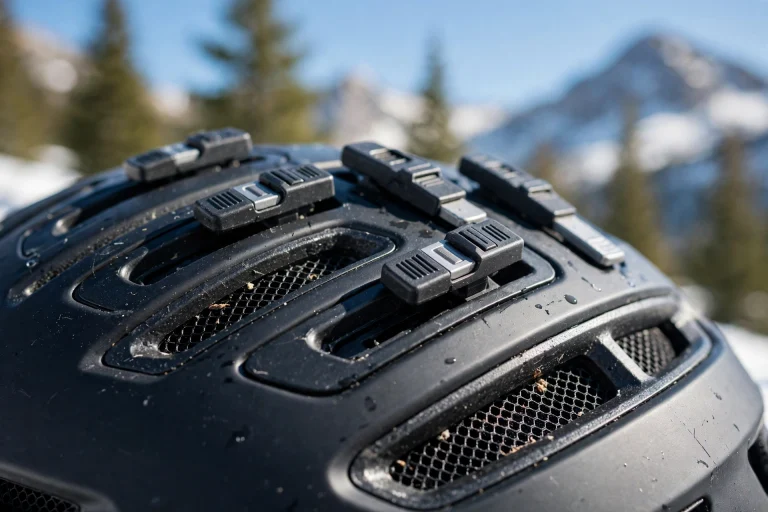
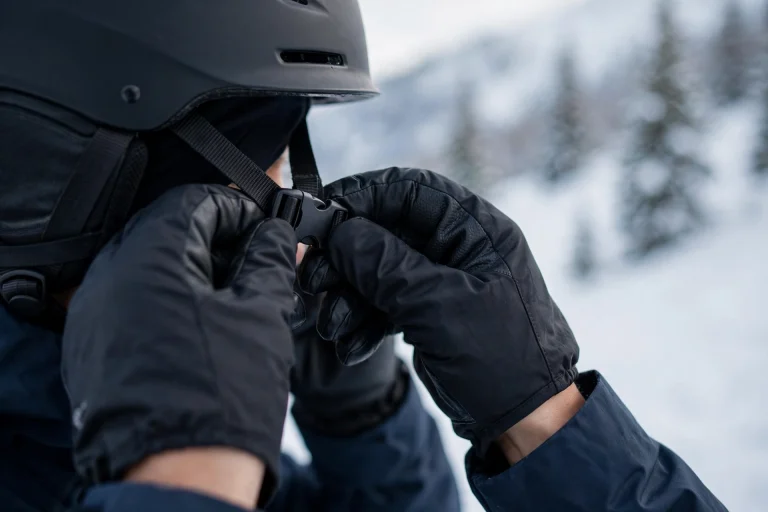
Straps absorb sweat just like padding and can be cleaned in place: wipe them down with a cloth dipped in the same mild soapy water, then wipe with clean water and let them air dry. Work the buckle and any adjustment sliders while they dry to make sure nothing is gritty or stiff.
This maintenance moment pairs well with a quick safety check — straps fraying, buckle cracking, liner tabs worn, or foam past its best all show up when you are handling the helmet slowly. Keeping the helmet clean and keeping it sound are the same habit; understanding the tech inside it, like the systems in our guide to MIPS helmet protection, helps you know what you are looking at.
How Often Should You Wash Helmet Padding?
A full wash every few weeks of regular riding is a good rhythm for most skiers, with a rinse-and-air after especially sweaty spring days. If you ride daily or teach in your helmet, wash more often — the padding will thank you by keeping its shape and grip longer, because built-up sweat and salt are genuinely hard on the materials.
Wash at the end of the season without fail, and store the helmet clean. Padding stored dirty for six months comes out in November smelling like it was never washed, and bacteria left in damp foam over summer can degrade the material. A clean, dry, fully reassembled helmet stored in its bag somewhere cool is the goal.
Finally, know when washing is no longer enough. If the liner stays loose and baggy after washing, the ear pads have gone flat and cold, or a smell survives two proper washes, the padding is at the end of its life. Replacement liners and pads are sold for most helmets — a fresh set is a small price for a helmet that fits and feels like new.
Frequently Asked Questions
Q: Can I put ski helmet ear pads and liner in the washing machine?
A: Hand washing is the safe recommendation. Some manufacturers allow a cold, gentle machine cycle inside a mesh laundry bag, so check your helmet’s care label — but never use hot water or a tumble dryer, which can shrink and warp the padding.
Q: Can I wash the whole ski helmet, foam and all?
A: No. The EPS foam shell should never be soaked or scrubbed. Remove the padding and wash that; the shell and foam only need a gentle wipe with a damp cloth.
Q: How do I get rid of a smell that keeps coming back?
A: Wash the padding thoroughly, rinse until the water is completely clear, and dry it fully in moving air before refitting. If the odor survives two full washes, the padding has reached the end of its life and a replacement liner and pad set is the real fix.

Olivia
Writer at Helmet Today, covering helmet reviews, fit and riding safety.