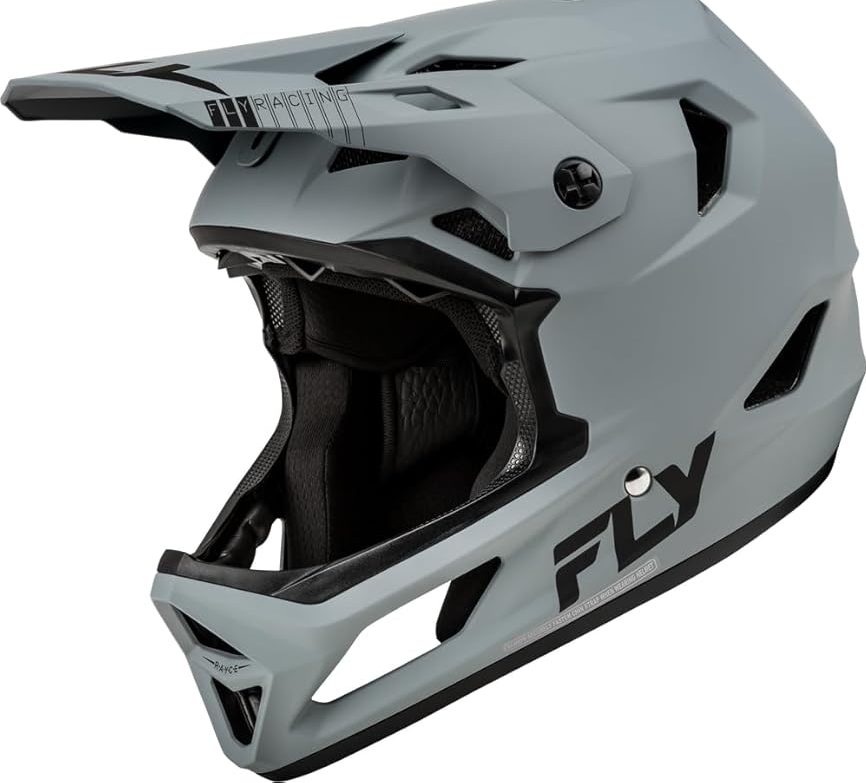

I’ve learned that buying a kids’ helmet is not as simple as finding a bright color and the right age range. The real test is fit. A helmet can look great and still move too much, pinch the head, or sit in the wrong spot. That is why I looked closely at the Kids Adjustable Youth Multi-Sport Helmet and the details that matter during real use.
This type of helmet is made for active kids who move between bikes, scooters, skateboards, roller skates, and similar sports. In this review, I’ll focus on adjustment, comfort, coverage, ventilation, daily use, and the mistakes I would avoid when fitting one to a child.

Why I Like the Adjustable Multi-Sport Idea
The biggest advantage of an adjustable youth helmet is flexibility. Kids grow fast, and head size can change before the rest of their gear looks worn out.
A dial or similar adjustment system can help fine-tune the fit. But I would never buy a helmet simply because it says “adjustable.” The helmet still needs to match the child’s head size and the sport.
| Feature | Why It Matters |
|---|---|
| Adjustable fit | Helps fine-tune the fit |
| Multi-sport design | Useful for several activities |
| Youth sizing | Designed around smaller heads |
| Chin strap | Keeps the helmet positioned |
Is the Kids Adjustable Youth Multi-Sport Helmet Really One-Size-Fits-All?
I would be careful with that idea. “Adjustable” does not mean one helmet fits every child.
The adjustment range is still limited. Some youth helmets cover several head sizes, but the actual range depends on the specific model. Similar adjustable kids’ helmets on the market use defined head-circumference ranges rather than unlimited sizing.
Measure the child’s head before choosing a size. That simple step can prevent a lot of frustration.
How I Would Check the Fit
Fit is the part I would spend the most time on. A properly fitted children’s helmet should sit level on the head and stay in place when the child moves.
I used to think tightening the rear dial was enough. It isn’t. The straps matter just as much.
| Fit Check | What I Look For |
|---|---|
| Front position | Helmet sits level |
| Side movement | Very little shifting |
| Chin strap | Snug without choking |
| Rear adjustment | Holds the helmet in place |
The Two-Finger Rule Is Not the Whole Story
A common fitting check is to leave enough room for a finger or two under the chin strap, but I would not use that as the only test.
The helmet should not rock back and forth easily. The front should also sit low enough to protect the forehead without blocking the child’s view.
I always prefer a real movement check. Have the child look up, down, and side to side. If the helmet slides around, adjust it again.
How Comfortable Is a Youth Multi-Sport Helmet?
Comfort matters more with kids than many adults realize. If the helmet feels hot, tight, or itchy, there is a good chance the child will try to remove it.
A good multi-sport helmet should feel secure without creating obvious pressure points. Vent openings can also help during warm rides.
| Comfort Issue | What I Would Check |
|---|---|
| Pressure on forehead | Reposition the helmet |
| Hot head | Check ventilation |
| Loose feeling | Adjust the rear fit |
| Strap irritation | Adjust strap length |
Why Ventilation Matters for Kids
Children can get uncomfortable quickly during active play. A helmet with useful airflow can make a noticeable difference during cycling or skating.
Still, vents are only part of the picture. A child’s hair, helmet fit, weather, and activity level all affect how warm the helmet feels.
I would rather have a properly fitted helmet with moderate airflow than a very ventilated helmet that does not stay in place.
What Sports Can Kids Use It For?
The multi-sport label is useful because kids often switch between activities. One afternoon can involve a bicycle, then a scooter, then a skateboard.
However, I would always check that the helmet is actually certified and suitable for the specific activity. A bicycle helmet should not automatically be assumed to provide the same protection for every sport.
| Activity | What to Check |
|---|---|
| Cycling | Bicycle helmet certification |
| Skateboarding | Appropriate sport rating |
| Scooter riding | Correct fit and coverage |
| Roller skating | Suitable helmet standard |
Multi-Sport Does Not Mean Every Sport
This was one of the easiest things to misunderstand. “Multi-sport” sounds broad, but helmet standards are not interchangeable.
Before using the Kids Adjustable Youth Multi-Sport Helmet for a particular activity, check the product label and certification information. Do not rely only on the marketing title.
How Does It Handle Everyday Kids’ Use?
A youth helmet needs to survive normal life. That means being put on quickly, taken off quickly, carried around, and sometimes dropped onto the ground.
I would pay close attention to the adjustment dial and straps. These parts get used constantly and can become annoying if they are hard for a parent to adjust.
| Daily Situation | My Recommendation |
|---|---|
| Before every ride | Check fit |
| After a growth spurt | Re-measure |
| After a hard impact | Replace the helmet |
| Dirty interior | Follow cleaning instructions |
What Safety Details Should Parents Check?
Safety is where I would stop relying on appearance. A sturdy-looking shell does not tell you enough.
Look for the required safety certification for the intended activity and market. For bicycle helmets sold in the U.S., for example, the Consumer Product Safety Commission has specific requirements for bicycle helmets. The exact standard should match the helmet’s intended use.
Do Not Buy a Helmet Just Because It Looks Tough
A thick shell does not automatically mean better protection.
The helmet needs to fit correctly and meet the right safety standard. A loose helmet can move during a crash, which is why adjustment and strap placement matter so much.
| Check | Why It Matters |
|---|---|
| Safety label | Confirms intended standard |
| Correct size | Helps proper positioning |
| Secure straps | Keeps helmet stable |
| No damage | Damaged helmets should not be used |
Common Mistakes I Would Avoid
Most helmet problems are surprisingly simple. Parents often buy a size that is too large because they want the helmet to last longer.
I understand the thinking. Kids grow quickly. But a helmet should fit now, not someday next year.
| Mistake | Better Approach |
|---|---|
| Buying too large | Choose the current correct size |
| Loose chin strap | Adjust it before every ride |
| Wearing it tilted back | Keep it level on the head |
| Ignoring damaged parts | Replace damaged gear |
| Skipping measurements | Measure the head first |
Is the Kids Adjustable Youth Multi-Sport Helmet Worth It?
For families with active kids, I think the multi-sport concept makes a lot of sense. One well-fitted helmet can be convenient when a child moves between biking, scooters, skating, and other compatible activities.
My main caution is to treat the word “adjustable” as a fit feature, not a safety guarantee. The child’s head size, the helmet’s certification, the activity, and the final fit all matter.
| Good Match | Think Again If |
|---|---|
| Active young riders | The helmet does not fit properly |
| Kids using several compatible sports | Certification is unclear |
| Families wanting easy adjustment | The child dislikes the fit |
| Growing children within the size range | You are buying far too large |
Final Thoughts on the Kids Adjustable Youth Multi-Sport Helmet
My biggest lesson is that the best kids’ helmet is not necessarily the one with the most vents, brightest design, or widest age claim. It is the one that fits the child’s head correctly and is certified for the activity.
The Kids Adjustable Youth Multi-Sport Helmet can be a practical choice for active children, especially when easy adjustment helps keep the fit secure as they grow. I would measure first, check the safety label, adjust the straps carefully, and make sure the helmet stays level before letting a child ride.
Frequently Asked Questions
Is the Kids Adjustable Youth Multi-Sport Helmet good for biking?
It can be, if the specific helmet has the right bicycle safety certification and fits the child well. Check the label before using it for cycling.
How should a youth multi-sport helmet fit?
It should sit level, stay stable, and feel snug without painful pressure. The chin strap should hold it in place without being too tight.
Can kids use one helmet for biking and skateboarding?
Not always. Check the helmet’s safety standards first. “Multi-sport” does not mean every helmet is certified for every sport.
Should I buy a larger kids’ helmet so it lasts longer?
No. A helmet should fit the child now. Buying one that is too large can let it move and sit in the wrong place.
How often should I check a child’s helmet fit?
Check it often, especially after growth spurts. A quick fit check before each ride is a good habit as children grow fast.

Olivia
Writer at Helmet Today, covering helmet reviews, fit and riding safety.