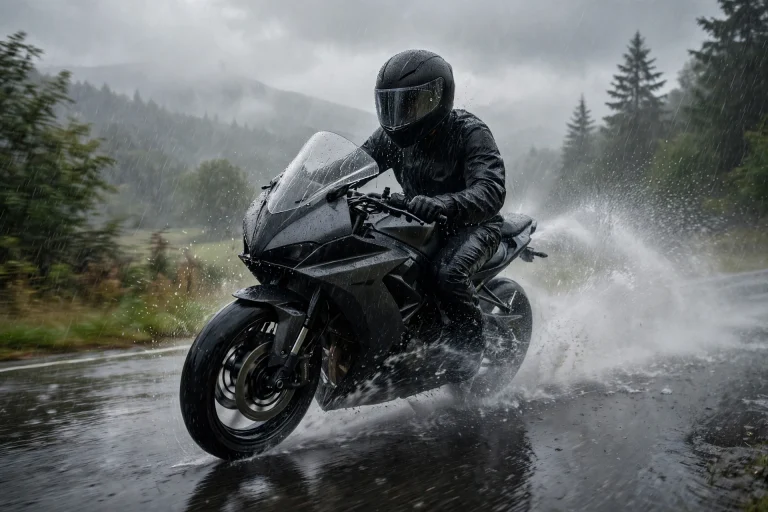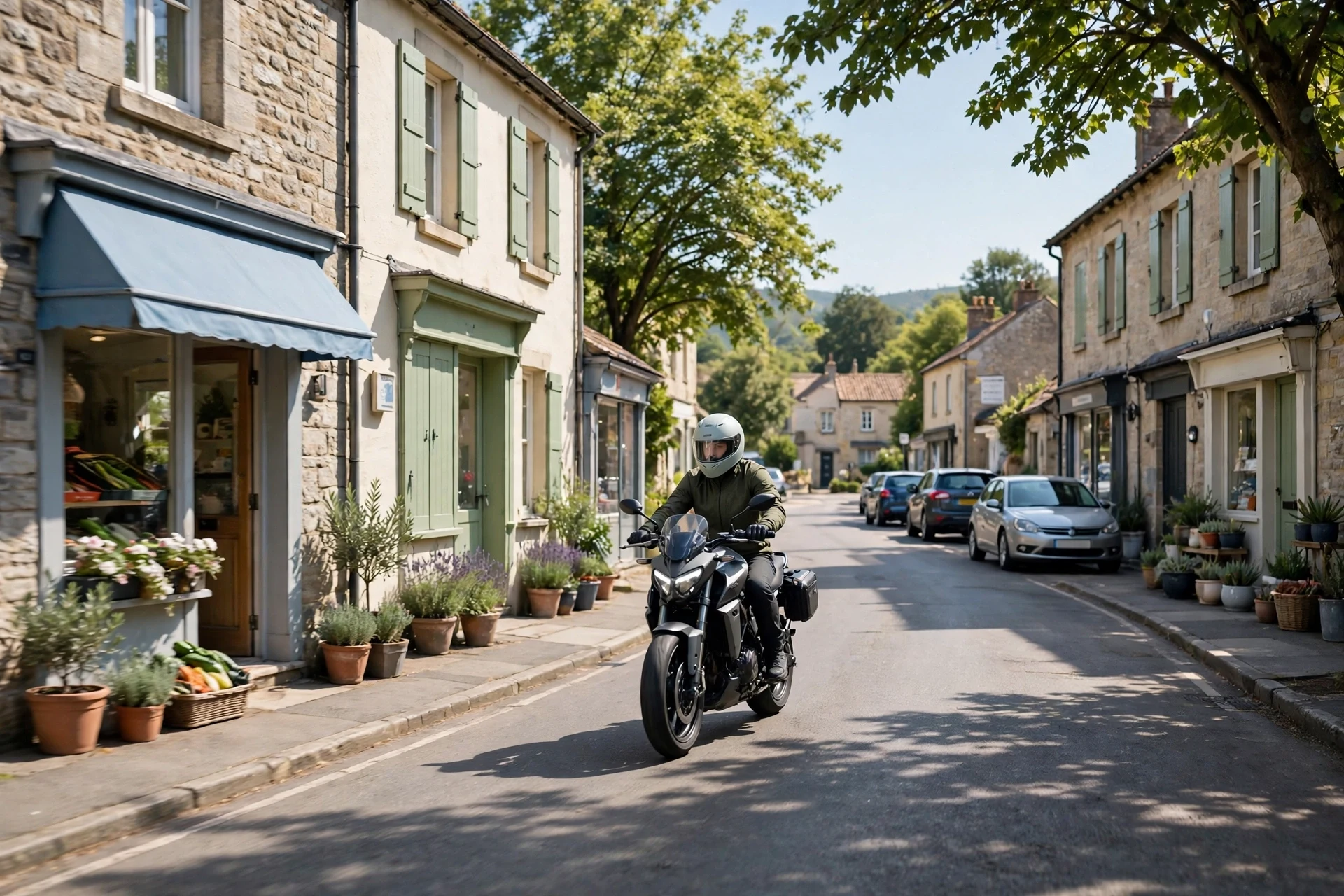
For short motorcycle rides, you still need a proper helmet that fits well and protects your head, because most crashes happen close to home and at low speed. In general terms, a light, comfortable full-face or open-face helmet that you will actually wear every time is the right choice, and skipping the helmet because the trip is short is never a good idea. Short rides are tempting to treat casually: a quick trip to the shops, a short run to a friend’s house, a hop across town. The distance is small, the roads are familiar, and the helmet can feel like a hassle. But familiarity does not make the road safer, and a short ride still puts you in traffic, on junctions, and past parked cars.
Do I Need a Helmet for a Short Ride?
Yes, you need a helmet for every ride, however short. A fall at low speed can still injure your head badly, and short trips often involve the riskiest parts of riding: pulling out of a driveway, turning at a junction, and stopping and starting in traffic. These are the moments when a car can pull out without seeing you, or when a wet patch or loose gravel can catch you out.
Some riders think a helmet is only for long or fast rides, but the risk does not scale with distance. A five-minute ride still crosses junctions, still shares the road with other vehicles, and still exposes you to a fall. In general terms, the habit matters more than the distance: if you wear your helmet every time, without exception, you never have to decide whether this particular trip is risky enough to bother.
What Type of Helmet Is Best for Short Rides?
A light full-face helmet is the best choice for most short rides, because it gives the most protection and is easy to put on and take off once you are used to it. Modern full-face helmets are much lighter than older ones, and a well-fitting one is comfortable even for a few minutes. The visor keeps wind, dust, and insects out of your eyes, which matters even at town speeds.
An open-face helmet is a lighter, cooler alternative, and many riders prefer it for short trips in warm weather. It is easier to put on and take off, and it feels less closed in, but it leaves your face and jaw unprotected. A modular helmet, which flips up at the front, is another option: you can flip it up when you stop to talk, then close it to ride. If you want to understand one of the safety technologies used in modern helmets, reading about what MIPS is for helmets is a useful starting point, whatever style you choose.
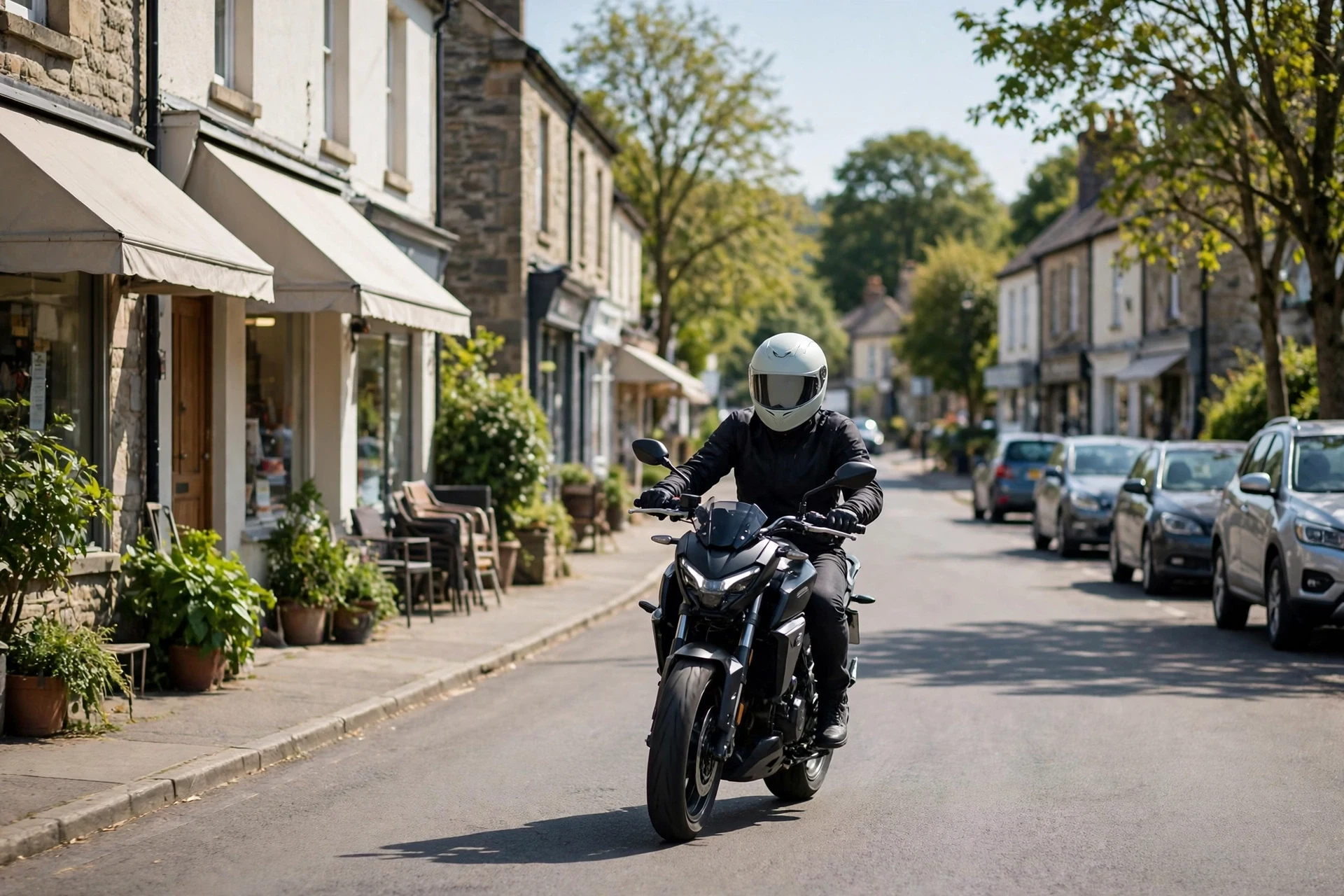
Should a Short-Ride Helmet Be Light and Easy to Wear?
Yes, lightness and ease of use matter a lot for a short-ride helmet, because they decide whether you will actually wear it. A heavy helmet that is a struggle to put on is one you will be tempted to leave behind, while a light helmet that slips on easily becomes part of the routine. Look for a helmet that feels comfortable the moment you put it on, with a strap that fastens quickly and a fit that does not need adjusting every time.
Ventilation matters too, even on short rides. A helmet with good airflow keeps you cool in traffic, where you spend a lot of time stopped or moving slowly. A helmet that fogs up or feels hot and stuffy within minutes will put you off wearing it. In general terms, the best short-ride helmet is the one you forget you are wearing, because it fits well, feels light, and lets you focus on the road.
Can I Use the Same Helmet for Short and Long Rides?
Yes, you can absolutely use the same helmet for short and long rides, and for most riders that is the simplest answer. A good full-face helmet that fits well will serve you on a five-minute trip and on a five-hour tour, and using one helmet means you always know how it fits, how the visor works, and how the straps fasten.
Some riders keep a second, lighter helmet for quick trips, which is fine as long as the second helmet also fits properly and protects properly. A cheap, poorly fitting spare is worse than no spare at all, because it gives a false sense of security. If you do keep two helmets, check the fit and condition of both regularly, and replace either one after a hard impact, however short the ride it was used for.
How Do I Store a Helmet Between Short Rides?
Between short rides, store your helmet somewhere cool, dry, and out of direct sunlight, with the visor open so air can circulate. A helmet bag or a shelf in a hallway works well, and keeping it in the same place every time makes it part of your routine: keys, jacket, helmet, go. Avoid leaving it on the bike in the sun, or hanging it on a mirror where it can fall and take a knock.
It is also worth keeping the helmet clean, because a short-ride helmet gets used often and can pick up sweat and dust quickly. Wipe the visor with a proper cleaner, and wash or air the liner regularly if it comes out. A helmet that is clean and easy to grab is one you will reach for without thinking, which is exactly what you want for short trips.
What Mistakes Do Riders Make on Short Trips?
The biggest mistake is skipping the helmet altogether, or wearing it unfastened. An unfastened helmet can come off in a fall, and a helmet left at home protects no one. Another common mistake is wearing a helmet that is too loose because it is quick to put on: a loose helmet is distracting and may not stay in place when it matters.
Other short-trip mistakes include riding in normal clothes with no protection, and rushing because the trip is short. Rushing leads to missed checks, sharp braking, and poor decisions at junctions. In general terms, treat a short ride with the same care as a long one: helmet fastened, checks done, and full attention on the road from the moment you pull away.
Is a short ride without a helmet ever safe?
No. Even a short ride at low speed can end in a fall, and a head injury does not need high speed to be serious. Always wear a helmet, however short the trip.
Can I wear an open-face helmet for short rides?
Yes, you can, and many riders do. An open-face helmet is lighter and cooler, but it leaves your face unprotected, so a full-face helmet is the safer choice if you are happy wearing one.
Do I need a different helmet for short rides?
Not usually. One good, well-fitting helmet works for short and long rides alike. A second helmet is only worth it if it also fits well and protects properly.

Olivia
Writer at Helmet Today, covering helmet reviews, fit and riding safety.