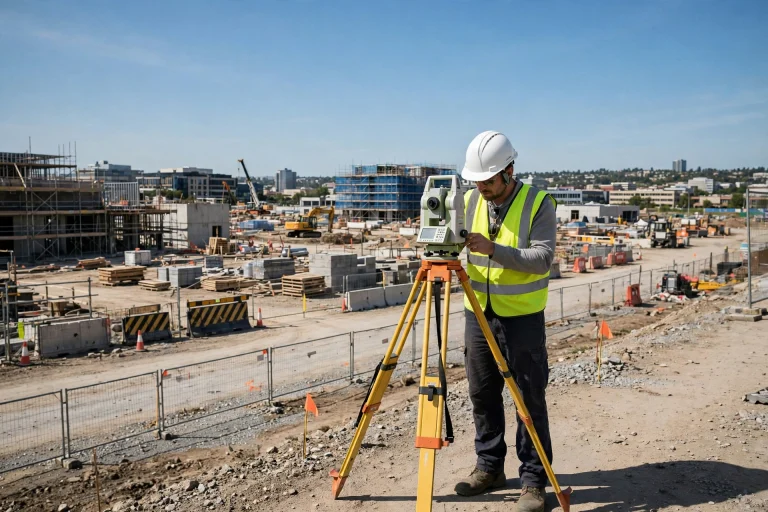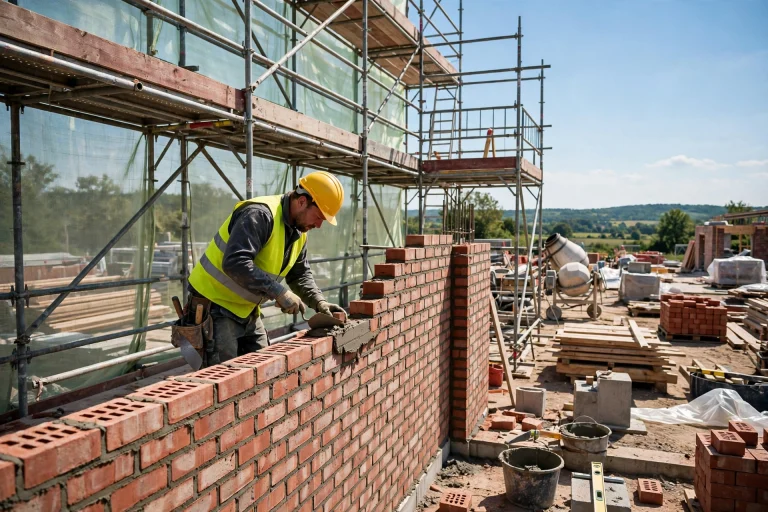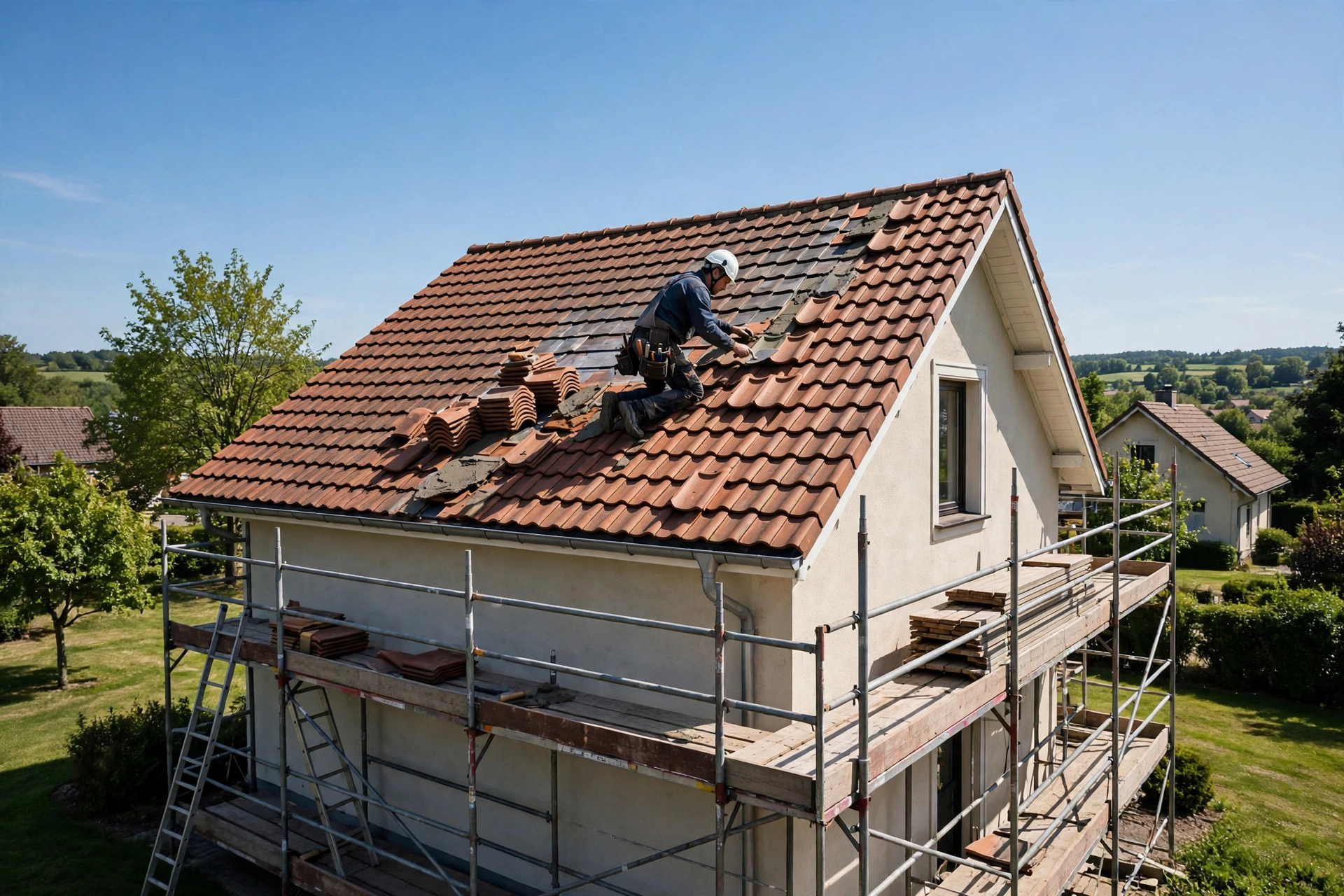
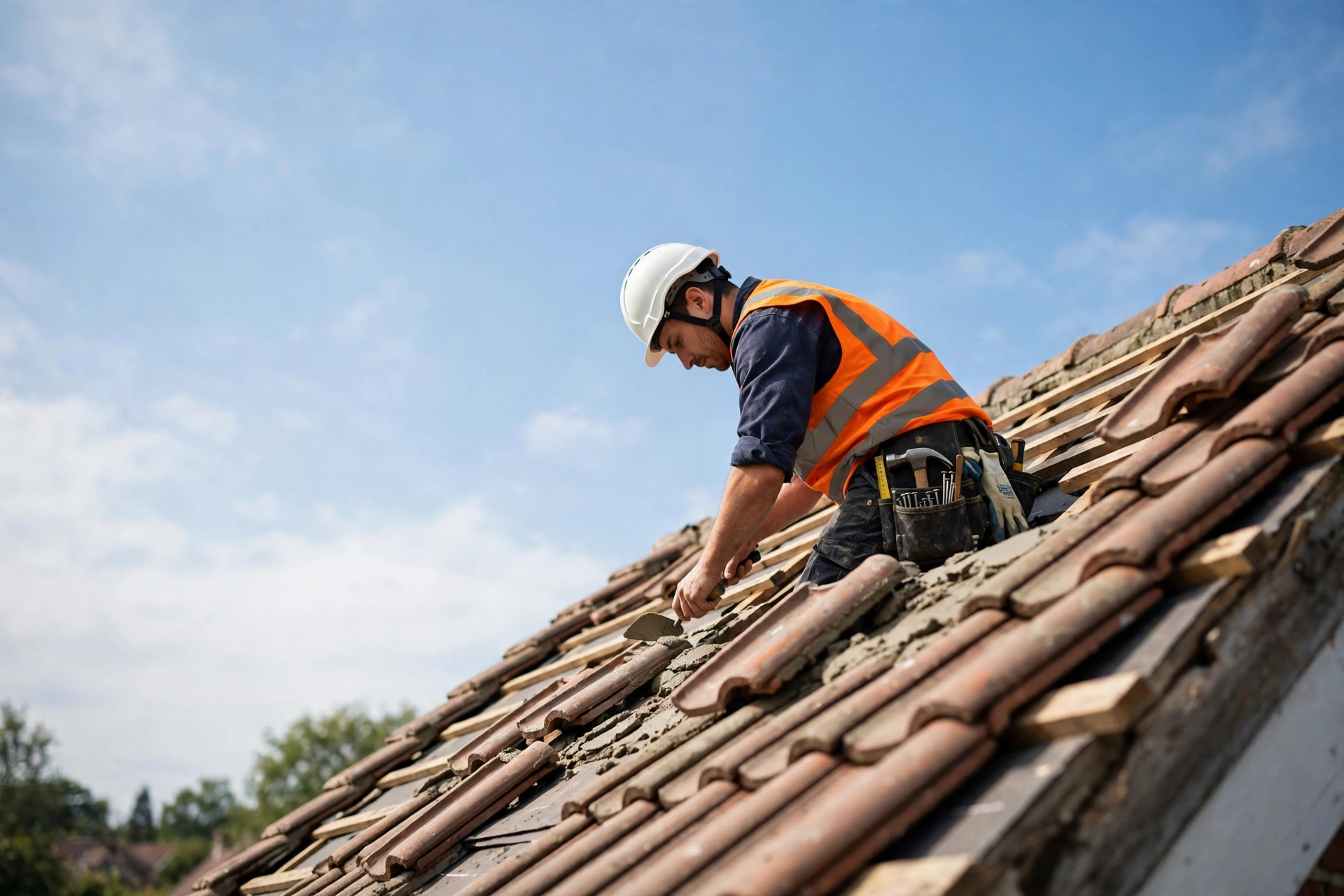
A roofer helmet is a work helmet worn by roofers to protect the head from falls, falling tools, and bumps while working on roofs at height. It is a hard hat with a secure chin strap, built to stay on the head when the wearer bends, climbs, and moves across a pitched roof. Roofing is one of the more exposed trades, with the head at risk from above and below. A roofer helmet is a basic piece of safety kit that guards against the knocks and falling objects that are part of everyday work on a roof.
What Is a Roofer Helmet?
A roofer helmet is a hard hat designed for roofing work, usually based on the same shell shape as a construction hard hat but with a chin strap that keeps it firmly in place. The shell is made from a tough, impact-resistant material, and the inside has a suspension system or foam liner that spreads the force of a blow and keeps the shell away from the skull. Vents in the shell let air in, which helps keep the wearer cool in the sun.
Many roofer helmets are made to work with other kit, such as safety glasses, ear protection, and a harness. Some have slots on the sides for attaching earmuffs or a visor, and some have a brim that shields the eyes from sun and rain. The chin strap is the feature that sets a roofer helmet apart from a basic hard hat: on a pitched roof, a helmet without a strap can slide off at the worst moment.
Why Do Roofers Need a Helmet?
Roofers need a helmet because the risks on a roof come from several directions at once. Tools, tiles, and offcuts can fall from above, either from the roofer’s own work or from a colleague working higher up. The roofer can also bump their head on scaffolding, rafters, or low beams, and a slip or a fall can bring the head into contact with the roof surface or the scaffold below.
A helmet spreads the force of a blow from a falling object and guards the skull against bumps and scrapes. If you want to understand one of the safety technologies used in modern helmets, reading about what MIPS is for helmets is a good place to start, though work helmets use their own suspension and liner designs. It is important to know that a helmet does not make roofing safe on its own, and it works alongside scaffolding, edge protection, and harnesses, but it is a useful layer of protection for the head.
How Should a Roofer Helmet Fit?
A roofer helmet should fit snugly all round the head, with the suspension or liner in contact with the skull and no loose spots that would let the helmet rock. It should sit level, covering the forehead, and it should not slide forward over the eyes or backward off the head when the wearer bends over. The chin strap should be fastened firmly, since a helmet that comes off on a roof is no use at all.
Most roofer helmets have an adjustable fit system, often a dial or a ratchet at the back that can be turned to tighten or loosen the fit. It is worth adjusting this with gloves off, then checking the fit with the chin strap done up. The helmet should feel secure without pressing painfully on one spot, and it should stay put when the wearer shakes their head or looks down at their work.
What Types of Roofer Helmet Are There?
The most common type of roofer helmet is the vented hard hat with a chin strap, which balances protection with airflow for work in the sun. It is light, comfortable, and easy to wear for a full day on a roof. Some roofers prefer a helmet with a short brim all round, which gives extra shade and keeps rain off the face, while others choose a cap-style helmet with a small peak at the front.
There are also climbing-style helmets, borrowed from mountaineering and rope access work, which fit closely and have a very secure chin strap. These suit roofers who move around a lot on steep pitches or who work with ropes. In general terms, either type can work well, as long as it meets the safety standard for the site and fits the wearer properly.
How Do You Look After a Roofer Helmet?
A roofer helmet should be cleaned regularly to remove dust, mortar, and grime from roofing work. The shell can be wiped down with a damp cloth and mild soap, and the liner or suspension should be checked for sweat and dirt. It is a good idea to let the helmet dry fully before storing it, and to keep it out of direct sunlight and strong heat when it is not in use.
Check the helmet often for damage. Look for cracks in the shell, dents, a suspension system that has stretched, or a chin strap that is frayed or no longer holds. A helmet that has been dropped from height or struck by a heavy falling object should be inspected closely. Keeping the helmet clean and stored properly helps it last longer and stay comfortable to wear.
When Should a Roofer Helmet Be Replaced?
A roofer helmet should be replaced after any heavy impact, even if there is no visible crack. The shell and liner are designed to absorb energy, and once they have taken a hard knock they may not protect as well again. A helmet that has been hit by a falling tile or tool, or one that was dropped from the roof onto a hard surface, is best retired rather than risked.
Age and wear are also reasons to replace a helmet. If the shell shows cracks, deep scratches, or fading from long exposure to sun, or if the suspension has stretched and the helmet no longer sits securely, it is past its best. In general terms, a helmet used every day on roofs will wear out sooner than one used now and then, so it is worth checking it at the start of each job and replacing it when it no longer fits or protects as it should.
Is a roofer helmet the same as a construction hard hat?
It is very similar, and many roofer helmets are based on a construction hard hat. The main difference is the chin strap, which keeps the helmet on while working on a pitched roof, and the venting, which helps in the sun.
Can a roofer wear a helmet with a brim?
Yes, in general terms. A helmet with a brim gives extra shade and keeps rain off the face, which suits roofing work. The brim should not block the view of the work below, and the helmet should still meet the safety standard for the site.
Do roofers have to wear a helmet?
Rules differ by country and by site, but on most construction sites a helmet is required. Even where no rule states it plainly, wearing a helmet is a sensible choice for anyone working on a roof, given the risk of falling objects and bumps.

Olivia
Writer at Helmet Today, covering helmet reviews, fit and riding safety.