
Yes, skate helmet vents matter even at low speed, because they keep you cooler and more comfortable, and a comfortable helmet is one you actually keep wearing. In general terms, vents are not just for fast downhill riding; they affect every session, from a slow park cruise to a long summer skate.
Vents are often dismissed as a feature for racers or for hot climates only. But comfort is a safety feature in its own right: a helmet that makes you overheat will be worn loosely, pushed back, or left at home, and none of those options protects you. This guide explains what vents do, when they matter most, and what to trade off when choosing.
What Do Vents Actually Do on a Skate Helmet?
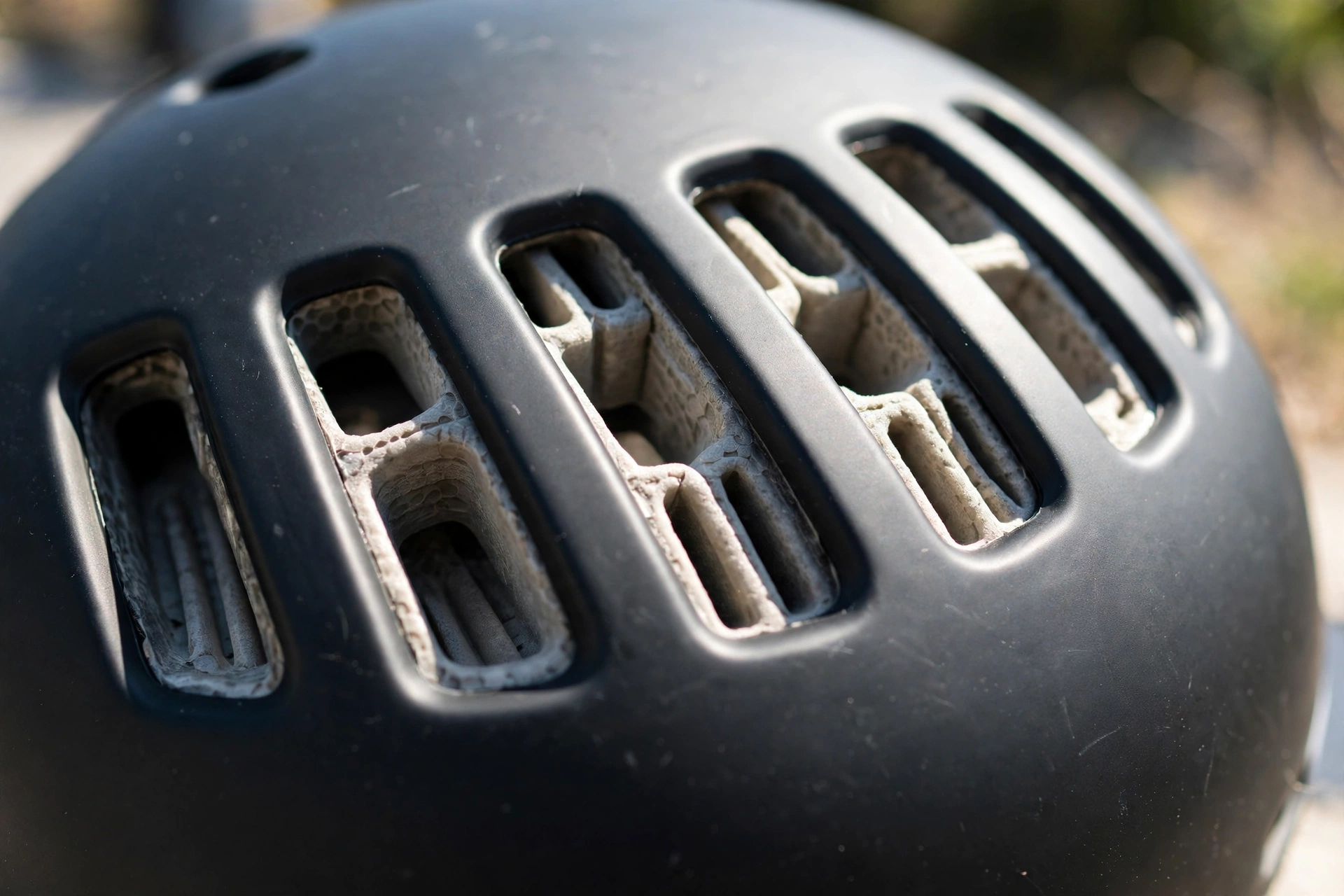
Vents let air flow through the helmet as you move. Air enters through front vents, travels over your head between the shell and the liner, and exits through rear vents, carrying heat and sweat away. Even at low speed, this airflow makes a noticeable difference, because your head produces a lot of heat during exercise.
Vent design matters more than vent count. A few well-placed, channelled vents that connect front to back can cool better than many small holes with no airflow path behind them. When comparing helmets, look at the channels inside the liner, not just the holes on the outside.
Vents also help with sweat. A helmet that traps sweat soaks its padding, which becomes heavy, smelly, and less comfortable over a session. Good airflow slows that down, and removable, washable padding finishes the job. Together they keep a helmet pleasant to wear for longer.
Do Vents Matter at Low Speed?
Yes, though less dramatically than at high speed. At low speed there is less wind to drive air through the helmet, but you are still generating heat, and still wearing a shell over your head. Even gentle airflow, plus the simple fact that a vented helmet traps less heat when you stop, keeps you noticeably cooler than a sealed shell.
Low-speed skating also involves a lot of stopping and standing: waiting for friends, watching others skate, or resting between runs. A vented helmet breathes during those pauses, while a solid helmet keeps building up heat. That is why skaters often notice discomfort most when they are barely moving, not when they are rolling fast.
The real question is not whether vents work at low speed, but whether you need many of them. For relaxed skating, a moderate number of well-placed vents is plenty. You do not need the maximum ventilation of a downhill helmet, but you will feel the difference between a vented helmet and one with almost no airflow at all.
Is There a Downside to More Vents?
There is a trade-off, and it is worth knowing. More and larger vents mean less shell and foam covering your head, which can slightly reduce protection in some impact areas. Helmet makers balance this carefully, and a certified helmet with many vents has still passed its impact tests, but the trade-off is real in design terms.
Very open helmets also let in more debris, rain, and sun. Skaters who ride in wet or dusty conditions sometimes prefer fewer vents, or wear a thin cap underneath, to keep their head cleaner. This is a comfort choice, not a safety failure, but it is worth considering for your usual conditions.
Weight and structure play a part too. A heavily vented helmet can be lighter, which is welcome on long sessions, but it may also feel less solid in the hand. Try helmets on rather than judging by vent count alone, and trust the certified, comfortable option over the one that simply looks the most open.
How Do You Choose the Right Ventilation for Your Skating?
Match vents to your sessions. A park skater doing short runs with frequent rests can manage with moderate ventilation, while a long-distance cruiser or a skater in a warm climate will appreciate a well-vented helmet. If you skate year-round, consider how the helmet feels in summer, since that is when you are most tempted to skip it.
Try before you buy when you can. Wear the helmet for several minutes indoors or in the shop, and notice whether heat builds up quickly. A helmet that feels cool after a few minutes of standing around will usually feel fine on a skate, while one that feels hot immediately will only get worse.
Remember that fit still comes first. A well-vented helmet that wobbles or sits too high protects you less than a moderately vented helmet that fits perfectly. If you are comparing features, it is also worth reading what MIPS for helmets means, since some vented helmets include this slip layer, and its presence does not change how the vents work.
How Do You Keep a Vented Helmet in Good Condition?
Clean the vents occasionally. Dust, dirt, and dried sweat can clog airflow channels over time, especially if you skate outdoors or store the helmet in a dusty garage. A soft brush or a damp cloth is usually enough, and the maker’s instructions will say what is safe to use.
Check the padding as well. Vented helmets rely on their liner for comfort, and padding that has gone flat or torn reduces both comfort and fit. Removable pads can be washed, which keeps the helmet fresh and the vents working as designed.
Store the helmet indoors, away from sun and heat, and do not hang it by a strap over a hook that crushes the vents. A helmet stored well keeps its shape, its vents clear, and its fit true, which means it stays comfortable enough to wear every time you skate.
Frequently Asked Questions
Q: Do more vents mean a safer helmet?
A: No, more vents mean a cooler helmet, not a safer one. Safety comes from certification, fit, and condition. A certified helmet with moderate vents that fits well is safer than a heavily vented helmet that wobbles.
Q: Are vented helmets worse in a crash?
A: In general terms, no. Certified vented helmets have passed the same impact tests as less vented ones. Makers balance vent size against shell strength during design, so ventilation alone does not make a certified helmet unsafe.
Q: Should I choose vents over a lower price?
A: If you skate regularly or in warm weather, ventilation is worth paying a little extra for, because comfort decides whether you wear the helmet. For occasional short sessions, a basic certified helmet with modest vents is perfectly fine.

Olivia
Writer at Helmet Today, covering helmet reviews, fit and riding safety.