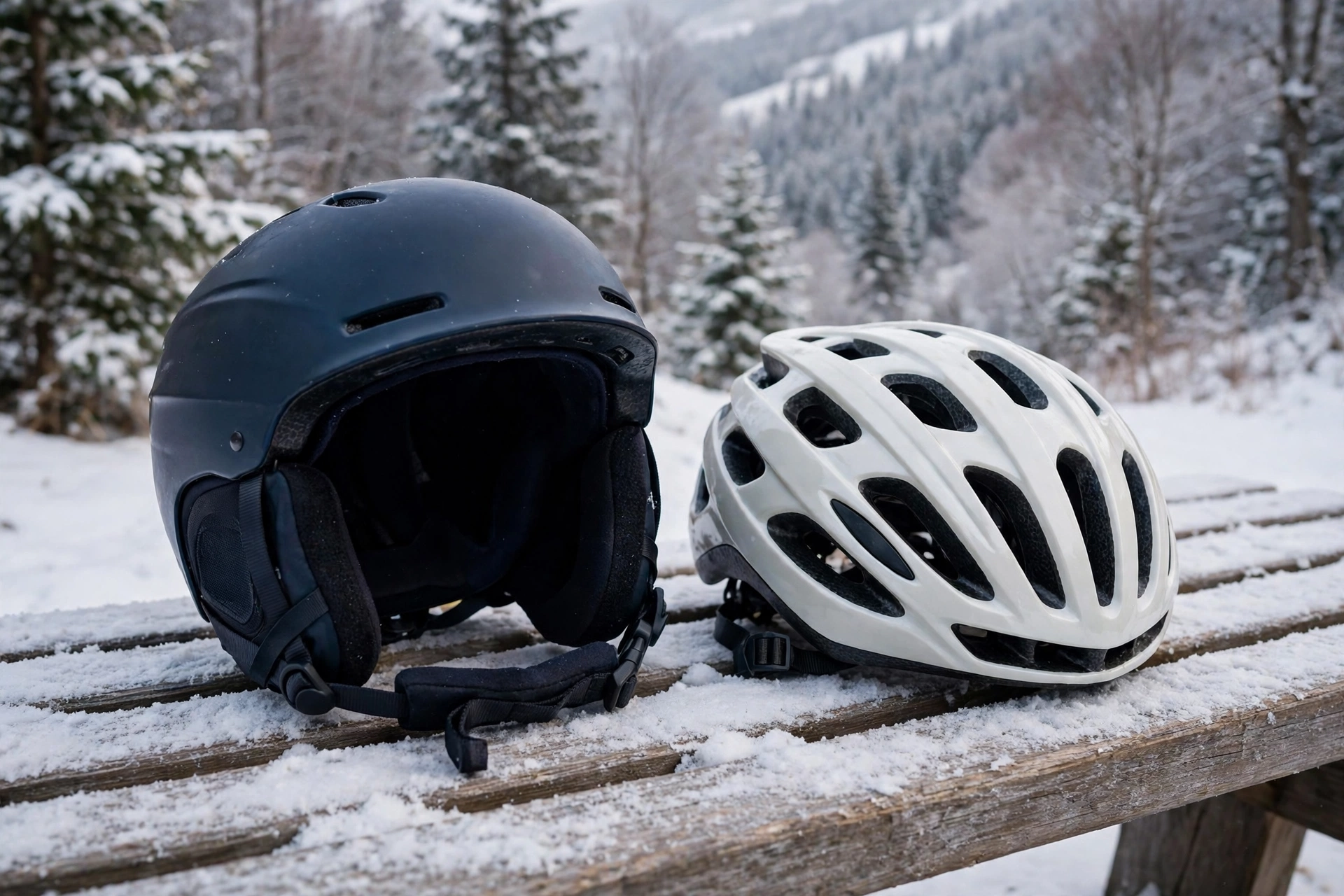
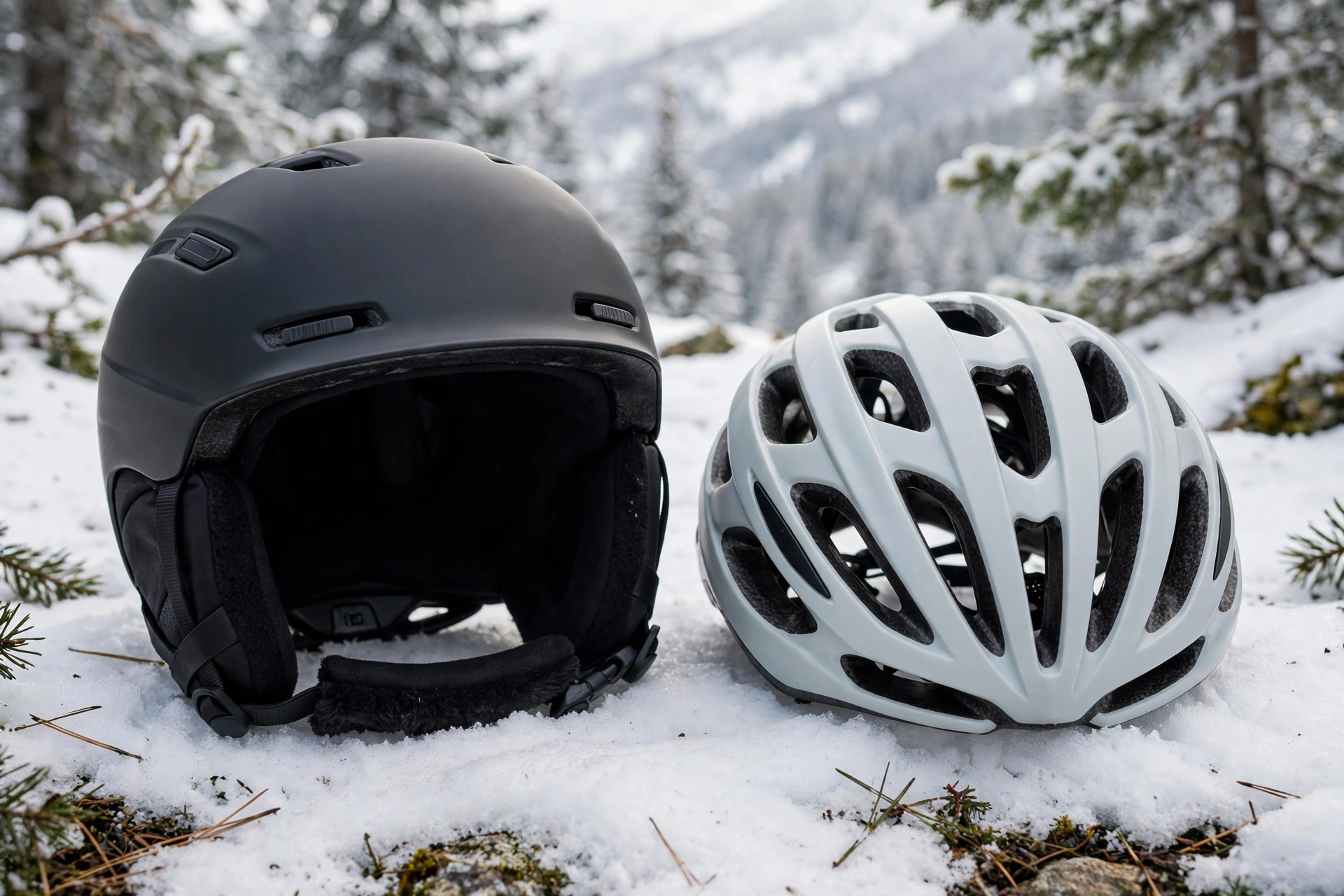
The difference is warmth, coverage, and certification: a ski helmet is built for cold with a warmer liner, ear coverage, closable vents, and snow-sports certification tested at sub-zero temperatures, while a bike helmet is built to shed heat with big open vents and a bicycle certification tested for warm-weather riding. A bike helmet on a ski slope leaves you cold; a ski helmet on a summer bike ride leaves you overheated — and neither is certified for the other’s sport.
At a glance the two helmets look like cousins, and plenty of people ask whether one winter helmet can do both jobs. The honest answer is that the shells hide very different designs. This guide walks through the real differences — insulation, vents, goggles, and standards — so you can see why each sport got its own helmet, and what to do if you truly need one helmet for both.
How Do Warmth and Insulation Differ?
A ski helmet is winter clothing as much as safety gear. It has a plush full liner, padded ear flaps or ear pads, and minimal open area, all designed to hold heat in at lift speeds, wind chill, and temperatures well below freezing. Most skiers wear nothing or only a thin liner under one.
A bike helmet is the opposite design problem. Cycling generates steady body heat, so bike helmets are mostly vent holes held together by a shell. The straps leave the ears bare, there is no insulating liner, and the internal pads are thin sweat-wicking strips. On a bike in July that is perfect; on a chairlift in January it is genuinely miserable, and cold ears and forehead are only part of it.
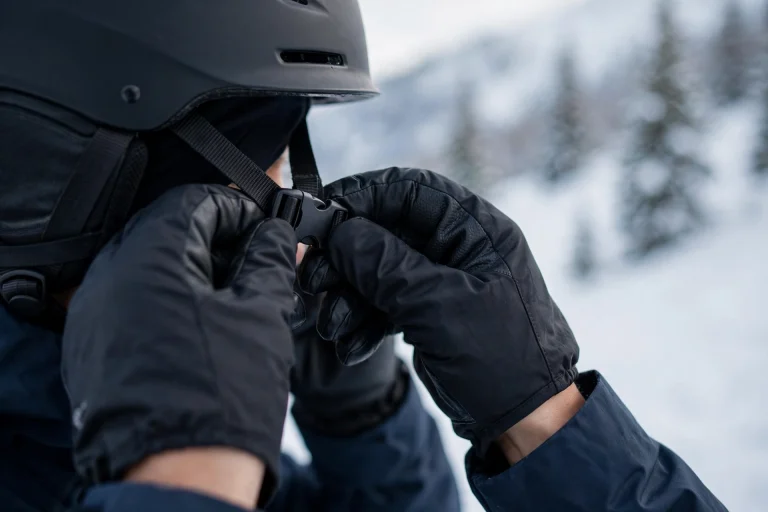
Riders who try to winterize a bike helmet with a beanie underneath run into a fit problem: a thick hat lifts the helmet, breaks the snug fit, and can let the helmet shift or come off in a fall. A thin cycling cap under a bike helmet is fine for cool rides; it does not turn a bike helmet into a ski helmet.
How Do Vents and Goggle Fit Differ?
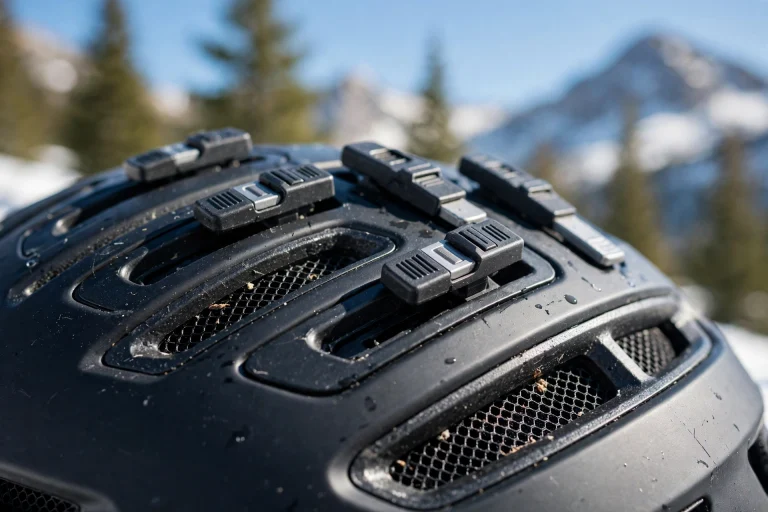
Ski helmet vents are adjustable or closable on most mid-range and better models — open on a spring day, shut against a storm. Bike helmet vents are fixed open and far larger, because a cyclist needs maximum airflow in every condition they ride in.
Goggles are the other structural difference. A ski helmet is shaped to cradle goggles: a smooth front profile, a goggle strap clip or retainer at the back, and a brim sized so the goggles seal against the helmet without leaving the dreaded strip of bare forehead skiers call the gaper gap. That seal is a comfort and safety feature, keeping wind and snow out of your eyes at speed.
A bike helmet has none of that. Goggles perch awkwardly, straps slip, and the tall vents channel cold air straight onto your forehead. Sunglasses suit a bike helmet; on snow, sunglasses leave gaps for wind and glare that goggles exist to solve.
Are the Safety Certifications the Same?
No — and this is the difference that matters most. Ski helmets sold in the US are certified to ASTM F2040 (or CE EN 1077 in Europe), the snow sports standards, and they are tested for impact performance in cold conditions, because foam that absorbs energy well at room temperature can behave differently when frozen.
Bike helmets are certified to the CPSC bicycle standard, tested at room and warm temperatures, with impact scenarios built around bicycle falls onto pavement and curbs. Each standard is legitimate within its sport, but neither certifies a helmet for the other sport’s conditions.
Coverage differs too. A ski helmet covers more of the back and sides of the head and must meet specific coverage requirements under its standard, while many bike helmets are cut higher. Technologies like rotational liners cross over between the sports — our explainer on what MIPS is and how it works covers the same MIPS system you will find offered in both ski and bike helmets — but the underlying certification is sport-specific and not interchangeable.
Can One Helmet Do Both Skiing and Winter Cycling?
If you winter-commute by bike and ski a few weekends a year, the tempting shortcut is one helmet for everything. In general terms, the market’s answer is the dual-certified helmet: some models are certified to both a snow sports standard and a bicycle standard, with removable ear pads and vent plugs so the same shell works on a cold bike commute and on the slopes.
Dual-certified helmets are the only clean way to share. Wearing an ordinary bike helmet to ski or an ordinary ski helmet to cycle means using a helmet outside the conditions it was tested for — the ski helmet especially will roast you on a bike, since its vents cannot move enough air at cycling speeds.
Fit also changes between uses. The same helmet worn over a thin balaclava on the slopes and bare-headed on the bike needs its fit system re-checked for each setup, and the chin strap re-snugged, every time you switch.
Which Helmet Should You Buy First?
Buy for the sport you do most, and buy certified for that sport. A skier who rides a bike twice a summer in a park should own a ski helmet and borrow or buy a basic certified bike helmet for those rides; a daily winter cyclist who skis one weekend a year should do the reverse, or look seriously at a dual-certified model.
Whichever you choose, fit decides. The helmet should sit level, cover the forehead to about an inch above the eyebrows, feel snug all around without a headache-grade squeeze, and stay put on a firm head shake with the strap fastened. A cheap certified helmet that fits beats an expensive one that wobbles.
And replace each helmet on its own timeline: after any crash, when foam or straps degrade, or every few years as materials age. Two helmets aging in your closet is not waste — it is the correct gear for two different sports.
Frequently Asked Questions
Q: Can I wear my bike helmet skiing if I add a warm hat underneath?
A: It is not recommended. A thick hat breaks the helmet’s fit, and the bike helmet is not certified or cold-tested for snow sports. A thin liner preserves fit better, but warmth and goggle fit still suffer compared with a real ski helmet.
Q: Why is a ski helmet so much warmer if both helmets are foam and plastic?
A: The foam is similar, but the ski helmet adds a full insulating liner, ear pads, and closable vents, while the bike helmet is mostly open vents with thin pads. The shell materials are cousins; the insulation systems are opposites.
Q: Are dual-certified helmets as safe as single-sport helmets?
A: A helmet certified to both a snow sports standard and the bicycle standard has passed both test regimes, so it is a legitimate choice for both activities. Check the labels inside to confirm both certifications are actually listed.

Olivia
Writer at Helmet Today, covering helmet reviews, fit and riding safety.