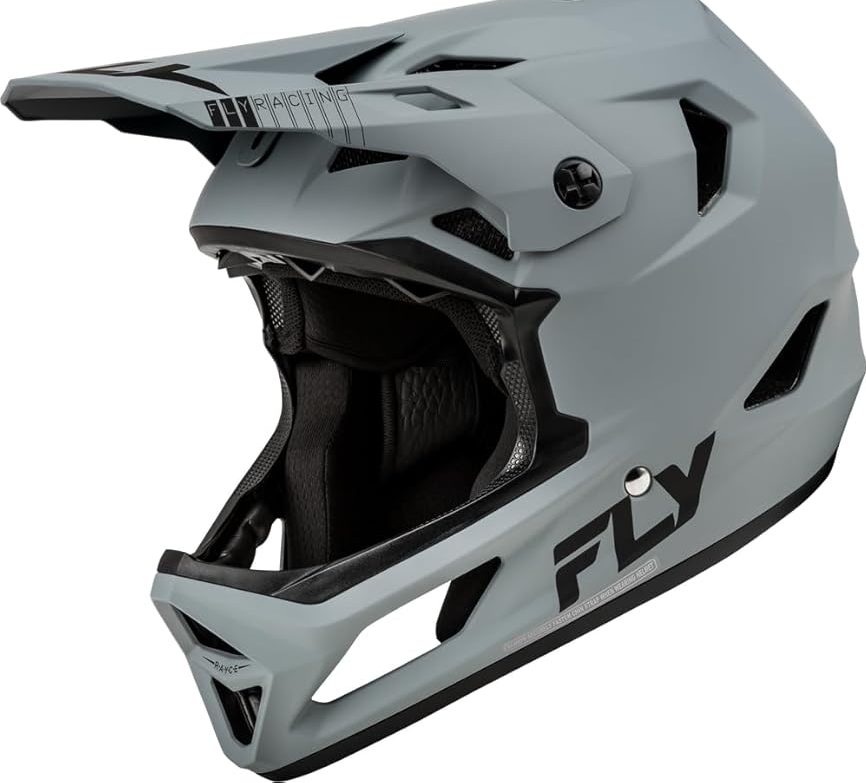

A Vega helmet visor looks like a small helmet part, but it has a big job. It sits right in front of your eyes, so even a small scratch, loose fit, or wrong tint can become annoying on the road.
I found that Vega has a wide range of model-specific visors. Its current spare-parts collection lists more than 60 visor products, with options such as clear, smoke, Mercury, blue, red, and other tints.
The part that often causes confusion is fit. A visor is not simply a universal Vega part. Vega says its visors are differentiated by helmet model rather than visor size.
Why the Right Vega Helmet Visor Matters
A visor does more than block wind. It helps keep dust, insects, and road debris away from your eyes while also affecting glare and visibility.
That is why I would never choose a replacement visor just because it looks similar to the old one. The mounting points and helmet model need to match.
| Visor detail | Why it matters |
|---|---|
| Model match | Helps ensure proper fit |
| Clear surface | Keeps vision sharp |
| Tint | Changes light and glare |
| Mounting system | Keeps visor secure |
Vega’s current product pages describe many of its visors as scratch resistant and UV resistant. Some are also made from optical polycarbonate.
Which Vega Helmet Visor Should You Choose?
The right choice depends more on how and when you ride than on appearance.
A clear visor is the easiest all-round option. Smoke and darker tints can be useful in bright daylight, but they are less suitable when light drops.
Clear Visor for Mixed Riding
If you ride in the morning, evening, cloudy weather, and bright sun, I would lean toward clear.
It gives you the least trouble when lighting changes. You also do not have to think about switching visors when the sun goes down.
Vega currently sells clear visors for several models, including Crux, Cliff, Atom, Voyager, Ranger, Breeze, and others.
Smoke and Mercury for Bright Days
Smoke visors reduce the amount of light reaching your eyes. Mercury visors add a reflective finish and can also reduce bright glare.
Vega’s current listings include model-specific smoke and Mercury options.
| Riding condition | Practical choice |
|---|---|
| Day and night | Clear |
| Bright daytime | Smoke |
| Strong daylight and style | Mercury |
I would not use a dark visor at night. It may look great in daylight, but reduced light is not something I would want when visibility already gets poor.
Does Every Vega Helmet Use the Same Visor?
No. This is one of the easiest mistakes to make.
Vega has separate visor families for models such as Atom, Bolt, Breeze, Crux, Edge, Lark, Ranger, Voyager, and others.
The company also states on its visor pages that there are no visor size categories. Instead, the visor is matched to the helmet model.
Match the Helmet Model First
Look inside or on the back of your helmet for the model name.
Then compare it with the replacement visor listing.
| What to check | Example |
|---|---|
| Helmet model | Crux |
| Visor model | Crux Clear |
| Tint | Clear, Smoke, Mercury |
This simple check is better than trying to judge fit from a product photo.
A visor can look almost identical to another model and still have different mounting points.
Vega Helmet Visor Types Explained
Vega’s current collection gives riders several tint choices. The names can sound confusing at first, so I prefer to think about them by use.
The exact options depend on the helmet model. Not every model gets every color.
Clear, Smoke, Mercury and Colored Visors
Clear is the basic option. Smoke is darker. Mercury has a reflective finish.
Some Vega models also have blue, red, rainbow, or iridium options. For example, the Arrow Runner Dual Visor helmet lists clear, smoke, Mercury, red, and blue visor choices.
| Type | Best suited to |
|---|---|
| Clear | Mixed light |
| Smoke | Bright daylight |
| Mercury | Bright daylight |
| Colored/Iridium | Model-specific use |
I would treat colored visors as a daylight choice unless the manufacturer clearly states otherwise.
How to Tell When a Vega Helmet Visor Needs Replacing
Not every dirty visor needs replacing.
Sometimes a good wash fixes the problem. Other times, the surface has picked up scratches that cleaning cannot remove.
I look at the visor while facing a light source. If scratches, haze, or marks sit directly in my normal line of sight, that is a much bigger concern than a tiny mark near the edge.
Watch for These Signs
A cracked visor is an obvious reason to replace it. Deep scratches are another.
A visor that no longer sits firmly also deserves attention because the issue may involve the fitting system.
| Sign | What to do |
|---|---|
| Light dirt | Clean it |
| Deep scratches | Replace it |
| Crack | Replace it |
| Loose fit | Check visor fittings |
Vega sells separate visor fittings for some helmet models. Its current product collection lists fittings for models such as Aster, Atom, and Blaze.
That is useful because the visor itself is not always the only part that can wear.
How I Would Clean a Vega Helmet Visor
This is one area where I would avoid shortcuts.
A dusty visor should not be rubbed hard with a dry cloth. Tiny bits of grit can act like sandpaper.
Vega describes many of its visors as scratch resistant, but scratch resistant does not mean scratch proof.
A Simple Cleaning Method
First, loosen the dust with clean water. Then use a soft cloth to clean the surface gently.
Do not use rough paper, abrasive pads, or strong chemicals unless the visor manufacturer specifically approves them.
| Cleaning mistake | Better habit |
|---|---|
| Dry rubbing dust | Rinse first |
| Rough cloth | Use soft cloth |
| Harsh cleaner | Use mild cleaner |
I also avoid wiping the visor with whatever cloth happens to be nearby. That old shop rag may be perfect for a chain guard. It is not necessarily perfect for clear plastic.
How to Remove and Replace a Vega Helmet Visor
Many newer Vega helmets use quick-release visor systems.
For example, Vega says its Jet With Visor helmet has a quick-release visor mechanism that allows smooth visor changes. Several full-face models also use quick-release systems.
Still, the exact release method can differ by model.
Do Not Force the Mount
Before removing the old visor, study both sides of the mechanism.
Open the visor fully if the model allows it. Then release each side according to the helmet’s fitting design.
When installing the new visor, line up both sides before applying pressure.
| Problem | Likely approach |
|---|---|
| One side will not fit | Check alignment |
| Visor sits crooked | Remove and refit |
| Mount feels damaged | Replace fitting or seek help |
If something does not move as expected, forcing it is usually the wrong next step.
Plastic parts have a funny habit of breaking right after you say, “One more try.”
How Much Does a Vega Helmet Visor Cost?
Prices vary by model and tint.
At the time of checking, Vega’s official collection showed several clear and smoke visors around ₹187–₹237, while some Mercury and specialty options were higher. For example, Lark Mercury was listed at ₹325.
| Visor example | Listed price |
|---|---|
| Crux Clear | ₹187 |
| Atom Clear | ₹237 |
| Lark Mercury | ₹325 |
Prices and stock can change, so I would check the current product page before ordering.
The important point is that a replacement visor is usually much cheaper than replacing a whole helmet just because the visor became scratched.
Vega Helmet Visor Problems and Simple Fixes
Most visor problems are easy to identify once you look at the right part.
A cloudy surface can be dirt. A loose visor can be a fitting issue. A visor that refuses to move can have a problem with its release mechanism.
A Quick Troubleshooting Guide
Start with the easiest explanation first.
Clean the visor before assuming it needs replacement. Check the fittings before blaming the visor itself.
| Problem | First thing to check |
|---|---|
| Hazy view | Clean the surface |
| Loose visor | Check fittings |
| Crooked visor | Check alignment |
| Hard to open | Inspect release mechanism |
If the visor is cracked or badly damaged, I would not try to repair it with glue.
Replacement is the sensible route.
Common Vega Helmet Visor Buying Mistakes
The most common mistake is ordering from the helmet brand name alone.
For example, searching for “Vega visor” and buying the first result can easily lead to the wrong model.
Vega’s official spare collection has separate listings for many helmet families.
Mistake: Choosing the Tint Before the Fit
A Mercury visor may look fantastic, but it is useless if it does not fit your helmet.
Fit comes first. Tint comes second.
| Mistake | Better approach |
|---|---|
| Buying by brand only | Match the model |
| Choosing by appearance | Check riding conditions |
| Assuming universal fit | Check the visor listing |
| Forcing installation | Inspect the mechanism |
Another mistake is assuming a visor has its own size.
Vega states that visor sizing is based on helmet models rather than separate visor sizes.
Should You Buy an Original Vega Replacement Visor?
If you are replacing a Vega visor, I would start with the official Vega spare-parts range.
The current Vega website lists a large selection of model-specific visors and visor fittings.
That makes it easier to match the visor to the helmet instead of guessing.
What to Check Before Ordering
Take a photo of your helmet model label if needed.
Then compare the exact model name with the spare visor listing.
Also check whether you want clear, smoke, Mercury, or another available tint.
| Before ordering | Check |
|---|---|
| Helmet | Exact model |
| Visor | Matching model |
| Tint | Intended riding time |
That small checklist can prevent the most annoying kind of online purchase: the one that arrives looking right but does not fit.
A Simple Vega Helmet Visor Care Routine
Good visor care does not need to be complicated.
I would clean it when it gets dusty, inspect it regularly, and avoid storing the helmet with the visor rubbing against rough surfaces.
If the helmet has a removable visor, keep the mounting area clean too.
A clean visor also makes small scratches easier to spot. That helps you decide whether you need cleaning or replacement instead of guessing.
Final Thoughts
The Vega helmet visor range is broader than it first appears. Vega currently offers many model-specific options, including clear, smoke, Mercury, blue, red, rainbow, and other specialty visors.
The biggest lesson is simple: match the visor to the helmet model first. Then choose the tint based on when you ride. Keep the surface clean, avoid rough cleaning methods, and replace a cracked or badly scratched visor rather than trying to rescue it.
A visor may be a small part of a helmet, but it sits directly between you and the road. That makes clear, secure, and properly fitted glass-like protection worth taking seriously.
FAQs About Vega Helmet Visors
Does Vega sell replacement helmet visors?
Yes. Vega’s official spare collection includes many model-specific replacement visors in clear, smoke, Mercury, and other options.
Are Vega helmet visors universal?
No. Vega says its visors are matched by helmet model, not by separate visor size. Always check your helmet model before ordering.
Which Vega helmet visor is best for night riding?
A clear visor is the practical choice for night riding. Dark smoke, Mercury, and colored tints are better suited to bright daytime use.
Can I replace a Vega helmet visor myself?
Many Vega helmets use quick-release visor systems, so replacement can be simple. Check your model’s fitting system and never force a stubborn mount.
How do I clean a Vega helmet visor?
Use clean water and a soft cloth. Avoid dry rubbing dusty surfaces, rough materials, and harsh cleaners that may damage the visor or its coatings.

Olivia
Writer at Helmet Today, covering helmet reviews, fit and riding safety.