
When I checked the current Wisconsin motorcycle helmet laws, the first thing that surprised me was how easy the rules are to misunderstand. Wisconsin does not require every adult motorcycle rider to wear a helmet, but that does not mean helmets are optional for everyone.
The key details depend on your age, whether you have a motorcycle instruction permit, and whether you are carrying a young passenger. I dug into the Wisconsin Department of Transportation rules because these small details can make a big difference on the road. Here is the simple version of what I learned.
Are Helmets Required Under Wisconsin Motorcycle Helmet Laws?
Wisconsin does not have a universal motorcycle helmet law for all riders. However, helmets are required for riders and passengers under 18, as well as motorcycle operators who hold an instructional permit.
That is the part I would remember first. Being an adult does not automatically mean you can ride without a helmet in every situation.
| Rider situation | Helmet rule |
|---|---|
| Adult rider with full Class M license | Not generally required |
| Rider under 18 | Required |
| Motorcycle instruction permit holder | Required |
| Passenger under 18 | Required |
What Does Wisconsin Law Actually Say?
Wisconsin Statute §347.485 requires a person under 18 or someone holding a motorcycle instructional permit to wear protective headgear that meets the federal motorcycle helmet standard. The chin strap must also be properly fastened.
The law also requires a motorcycle operator carrying a passenger under 18 to make sure that passenger wears protective headgear.
So, the simple idea that “Wisconsin has no helmet law” is misleading.
Wisconsin Motorcycle Helmet Laws for Adults
For a properly licensed adult rider, Wisconsin generally allows riding without a helmet. The Wisconsin Department of Transportation confirms that the state does not require helmet use for all motorcyclists.
Still, WisDOT strongly recommends helmets and other protective gear for all riders. Its motorcycle safety guidance specifically recommends a full-face helmet, protective clothing, gloves, boots, and other gear.
| Adult rider | What to know |
|---|---|
| Full Class M license | Helmet generally not required |
| Motorcycle instruction permit | Approved helmet required |
| Riding with minor passenger | Minor must wear helmet |
Does Being Over 18 Mean I Can Skip the Helmet?
Not always.
Age is only one part of the rule. If you are an adult using a motorcycle instruction permit, you still have to wear an approved helmet. The Wisconsin DMV lists an approved helmet and eye protection among the permit requirements.
This is one of those details that is easy to miss when people talk about Wisconsin as a “no helmet law” state.
Wisconsin Motorcycle Helmet Laws for Passengers
Passenger rules deserve special attention. Wisconsin requires passengers under 18 to wear protective headgear.
There is also a practical rule for children riding as passengers. WisDOT says there is no minimum age listed for a motorcycle passenger, but a child must sit behind the driver, wear a helmet, and be able to reach the foot pegs.
| Passenger situation | Requirement |
|---|---|
| Passenger under 18 | Helmet required |
| Passenger under 18 without proper gear | Rider may face enforcement |
| Child passenger | Must sit behind driver and reach foot pegs |
What If I Carry My Child on a Motorcycle?
This is where I would be extra careful.
WisDOT says a child cannot sit in front of the motorcycle operator. The child must ride behind the driver, wear a helmet, and be able to reach the foot pegs.
Even where the law allows a child to ride, I would not treat the legal minimum as the safety goal. A properly fitted helmet and protective clothing are much better habits.
Helmet Rules for Wisconsin Motorcycle Permit Holders
A motorcycle instruction permit changes the situation. Wisconsin requires permit holders to wear an approved helmet and eye protection while riding.
This rule matters because someone may think, “I am over 18, so I do not need a helmet.” That is not correct if the person is operating under a motorcycle instruction permit.
| Permit issue | Requirement |
|---|---|
| Helmet | Approved helmet required |
| Eye protection | Required |
| Motorcycle license | Needed for unrestricted motorcycle operation |
Why the Permit Rule Is Easy to Miss
The confusion comes from mixing two different rules.
One rule concerns age. Another concerns licensing status. An adult with a full motorcycle license is treated differently from an adult who is still operating with an instruction permit.
That distinction is worth remembering before you ride.
What Helmet Standard Does Wisconsin Require?
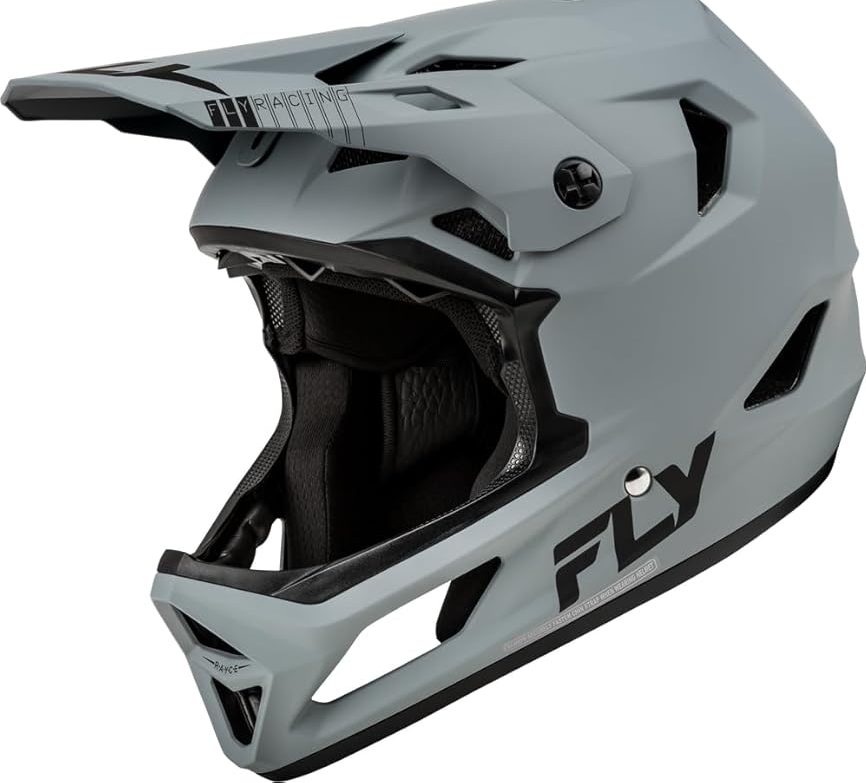
Wisconsin’s motorcycle helmet law refers to the federal standard in 49 CFR 571.218, commonly associated with the U.S. Department of Transportation motorcycle helmet standard. The helmet must meet the applicable standard, and the chin strap must be properly fastened when the law requires protective headgear.
WisDOT also says motorcycle helmets must meet or exceed U.S. DOT minimum standards.
| Helmet feature | Why it matters |
|---|---|
| Meets DOT standard | Helps meet Wisconsin’s legal requirement |
| Proper fit | Keeps the helmet in place |
| Fastened chin strap | Required when protective headgear is required |
Is Any Helmet Good Enough?
I would not assume that.
A novelty helmet or poorly fitting helmet is not the same thing as properly fitted protective gear. If you need a helmet for legal compliance, check that it meets the required standard.
For everyday safety, I would also look at fit, coverage, condition, and whether the helmet stays secure while moving.
Wisconsin Requires Eye Protection Too
This is another rule that can get lost in the helmet discussion.
Wisconsin law requires motorcycle operators to use eye protection while riding on a highway. Acceptable options include a protective face shield attached to the helmet, glasses, or goggles.
There is an exception when a motorcycle has a windshield that rises at least 15 inches above the handlebars. Even then, WisDOT strongly suggests using eye protection.
| Situation | Eye protection |
|---|---|
| Normal motorcycle use | Required |
| Face shield, glasses, or goggles | Acceptable options |
| Tall qualifying windshield | Other eye protection may not be mandatory |
Why I Would Not Skip Eye Protection
You do not need a crash to have a problem with your eyes.
Dust, bugs, gravel, rain, and road debris can hit your face very quickly. Even a small object can make it hard to see at the worst possible moment.
That makes eye protection a simple habit with very little downside.
What Are the Penalties for Breaking the Helmet Rules?
Wisconsin treats some helmet violations differently from simply choosing not to wear a helmet as an adult.
For example, WisDOT states that operators can face fines and demerit points for carrying passengers under 18 who are not wearing a properly fitted helmet.
The exact consequences can depend on the violation and circumstances, so I would not rely on an old fine amount found on a random website.
| Situation | Main concern |
|---|---|
| Adult voluntarily rides without helmet | Generally permitted |
| Minor rides without required helmet | Violation |
| Permit holder rides without required helmet | Violation |
| Adult carries unhelmeted minor | Enforcement risk |
Common Misunderstandings About Wisconsin Helmet Laws
After looking through the current state guidance, a few myths stood out. Most come from reducing a detailed rule to one short sentence.
| Myth | Reality |
|---|---|
| “Wisconsin has no helmet law.” | Some riders are legally required to wear helmets. |
| “Anyone over 18 can skip a helmet.” | Permit holders still have helmet requirements. |
| “Only the rider needs a helmet.” | Passengers under 18 must wear one too. |
| “A windshield replaces every safety rule.” | It may affect eye-protection requirements, not helmet rules. |
The Biggest Mistake to Avoid
The biggest mistake is treating the law as a safety guide.
Wisconsin may legally allow some adult riders to ride without a helmet. That does not mean riding without one carries the same injury risk.
WisDOT’s own motorcycle handbook encourages approved helmet use because crashes can cause serious head and neck injuries.
What I Would Wear on a Wisconsin Ride
Even when the law gives an adult rider a choice, I would look at the full picture rather than just the helmet requirement.
WisDOT recommends protective gear that includes a full-face helmet, heavy-duty jacket, long pants, over-the-ankle boots, and full-finger gloves.
| Gear | Practical reason |
|---|---|
| Helmet | Protects the head |
| Gloves | Protect hands during a fall |
| Jacket and pants | Helps protect skin |
| Boots | Protect feet and ankles |
Why Legal Minimums Are Not My Safety Target
This is one lesson that applies well beyond motorcycles.
A legal minimum tells you what the state requires. It does not necessarily tell you what offers the best protection.
WisDOT strongly recommends helmet use for all motorcycle and moped riders, even though Wisconsin does not require every adult rider to wear one.
Other Wisconsin Motorcycle Rules Riders Should Know
Helmet rules are only one part of riding legally in Wisconsin.
A motorcycle operator needs a valid Class M motorcycle license or motorcycle instruction permit. Wisconsin also requires motorcycle headlights to be on at all times, and lane splitting is illegal.
| Rule | Wisconsin requirement |
|---|---|
| Motorcycle license | Class M license or valid instruction permit |
| Headlight | On at all times |
| Lane splitting | Illegal |
| Eye protection | Required, with limited exception |
Do Not Let the Helmet Question Hide the Bigger Picture
It is easy to spend all your attention on whether a helmet is required.
But safe riding also means knowing the traffic rules, checking the motorcycle, watching road conditions, and staying alert. WisDOT specifically advises riders to look well ahead and plan around hazards such as potholes and railroad crossings.
Final Thoughts
The main thing I learned from checking Wisconsin motorcycle helmet laws is that Wisconsin is not simply a “helmet optional” state. Adult riders with a full license generally have a choice, but riders under 18, motorcycle instruction permit holders, and certain young passengers have specific helmet requirements.
My practical view is simple: even when the law gives you a choice, wearing a properly fitted DOT-compliant helmet is the safer choice. It also makes the rules much easier to follow because you never have to wonder whether today’s ride falls under an exception.
FAQs About Wisconsin Motorcycle Helmet Laws
Do you have to wear a motorcycle helmet in Wisconsin?
Wisconsin does not require every adult rider to wear a helmet. Helmets are required for riders under 18, instruction permit holders, and passengers under 18.
Can adults ride motorcycles without helmets in Wisconsin?
Yes. An adult with a full motorcycle license can generally ride without a helmet. However, Wisconsin strongly recommends helmets for all motorcycle riders.
Are motorcycle helmets required for children in Wisconsin?
Yes. Wisconsin requires motorcycle riders and passengers under 18 to wear protective headgear that meets the required federal helmet standard.
Do Wisconsin motorcycle permit holders need helmets?
Yes. Motorcycle instruction permit holders must wear an approved helmet and eye protection while riding. The Wisconsin DMV lists both as permit requirements.
Does Wisconsin require motorcycle eye protection?
Yes. Riders generally must use a face shield, glasses, or goggles. A qualifying windshield can create an exception to the separate eye-protection requirement.

Olivia
Writer at Helmet Today, covering helmet reviews, fit and riding safety.