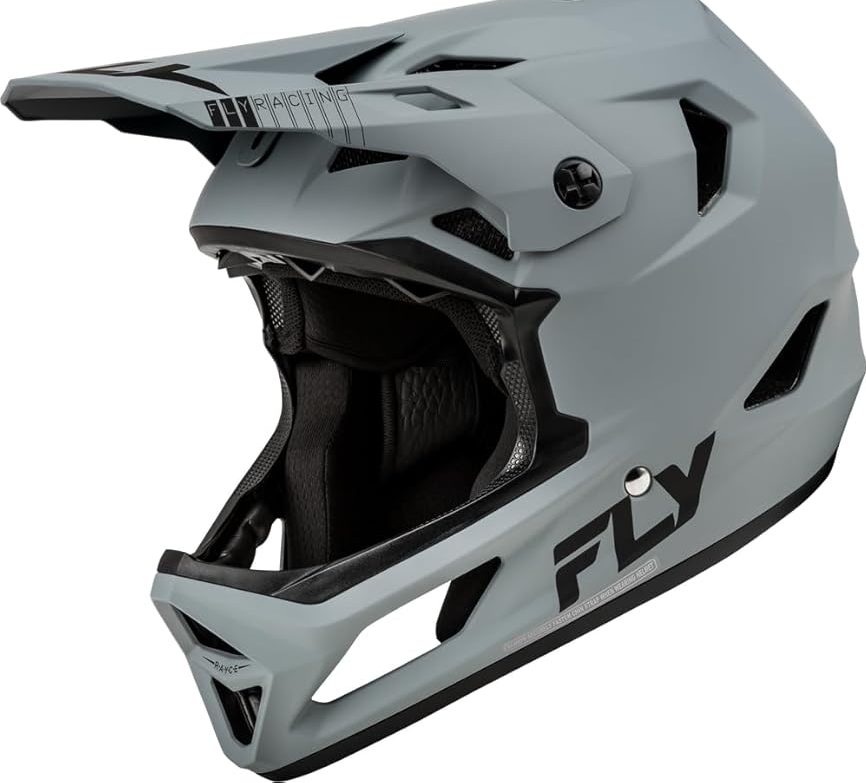

Learning how to keep ears warm under a motorcycle helmet can make a cold ride much easier. Your ears sit close to the wind, and even a small gap can turn into a painful blast of cold air.
I have found that the trick is not simply adding the thickest hat possible. You need warmth without making the helmet tight. The best setup usually comes from thin ear coverage, a good neck layer, and less direct wind.
How to Keep Ears Warm Under a Motorcycle Helmet
The easiest way to keep your ears warm is to use a thin, helmet-friendly ear covering. A thermal skull cap, thin balaclava, or purpose-made helmet liner can cover the ears without taking up too much space.
This matters because a motorcycle helmet should fit firmly. If you stuff a thick winter hat underneath, you may create pressure points or change how the helmet sits.
| Option | Warmth | Helmet fit |
|---|---|---|
| Thin thermal liner | Good | Usually easy |
| Thin balaclava | Very good | Usually good |
| Thick winter hat | High | Often too bulky |
| Ear warmers | Good | Depends on thickness |
The goal is simple: block cold air while keeping the helmet’s normal fit.
Why Do My Ears Get Cold Inside a Motorcycle Helmet?
Your ears are exposed to cold air and wind. At speed, moving air can pull heat away from exposed skin very quickly.
Helmet vents and small openings can also let cold air reach the sides of your head.
A full-face helmet gives more protection than an open-face helmet, but it does not always seal every path to your ears.
Choose a Thin Helmet Liner First
A thin helmet liner is one of the easiest fixes for cold ears.
Look for a liner made for motorcycle use. It should cover the ears and fit smoothly under the helmet. Avoid thick seams around the head because they can create pressure after an hour or two.
| Liner type | Best use |
|---|---|
| Thin thermal cap | Mild cold |
| Full balaclava | Cold and windy rides |
| Windproof liner | Strong wind |
| Fleece liner | Very cold rides |
The first mistake I would avoid is buying the thickest liner you can find.
More material does not always mean more comfort. A liner that makes your helmet too tight can become a bigger problem than cold ears.
Should a Balaclava Cover Your Ears?
Yes, if it fits comfortably.
A thin balaclava can cover your ears, cheeks, neck, and the back of your head. That makes it useful when the wind is cold.
Choose one that stays flat under the helmet.
Avoid loose folds near your ears. They can press against the helmet padding and become annoying during a long ride.
Use Ear Warmers That Fit Under a Helmet
Thin ear warmers can work well when you do not want full head coverage.
The best ones are flat and flexible. They should cover the ears without creating a thick lump on either side of your head.
This is especially useful for riders who get cold ears but do not want a full balaclava.
| Ear warmer | Good for |
|---|---|
| Thin fleece band | Mild cold |
| Windproof band | Strong wind |
| Thermal ear cover | Very cold weather |
| Thick earmuffs | Usually poor helmet fit |
Traditional bulky earmuffs are usually not a good choice under a motorcycle helmet. They can take up too much room and affect the fit.
Block the Wind Around Your Neck
Cold ears are not always just an ear problem.
Cold air can enter around the neck and chin area. From there, it can move upward around the sides of your head.
A neck gaiter or thin balaclava can help close this gap.
| Wind gap | Simple fix |
|---|---|
| Under chin | Neck gaiter |
| Around neck | Thermal tube |
| Face opening | Thin balaclava |
| Ear area | Ear-covering liner |
This is one of those small changes that can make a cold ride feel much better.
If your neck is warm, you may also notice less cold air reaching your ears.
Check Your Motorcycle Helmet Fit Before Adding Layers
This part is easy to overlook.
A helmet should fit snugly, but adding a winter liner can change that fit. If the helmet becomes painfully tight, you have added too much material.
Your helmet should still sit in the correct position.
| Fit problem | Better approach |
|---|---|
| Helmet feels too tight | Use a thinner liner |
| Ears get squeezed | Use flat ear coverage |
| Liner bunches up | Choose a smoother liner |
| Helmet shifts | Recheck the helmet fit |
Do not force a thick hat under a helmet that already fits closely.
The helmet is supposed to protect your head. Its fit matters more than adding another layer.
Can a Winter Hat Go Under a Motorcycle Helmet?
A very thin winter cap may work.
A thick knitted hat usually is not a good choice. It can create pressure, bunch up, or change the way the helmet sits on your head.
A purpose-made motorcycle liner is often easier because it is designed to fit into the limited space inside a helmet.
Keep Your Ears Dry as Well as Warm
Cold and wet can be a miserable combination.
Sweat can make your liner damp. Moisture can then make you feel colder when the air temperature drops.
This is why moisture control matters on longer rides.
A breathable liner can help move moisture away from the skin. It also helps keep the inside of the helmet more comfortable.
| Problem | What can help |
|---|---|
| Sweaty ears | Breathable liner |
| Wet liner | Dry it fully |
| Rain entering helmet | Check visor and seals |
| Damp balaclava | Carry a spare |
I would not put a damp liner back on just because it is convenient.
Dry gear is usually much more comfortable.
Use a Windproof Layer for Very Cold Rides
When the temperature drops, insulation alone may not solve the problem.
Wind can strip heat away from the ears even when you have a warm liner.
A thin windproof layer can help by reducing direct airflow.
This is especially useful on fast roads where the wind hits the helmet continuously.
| Riding condition | Useful layer |
|---|---|
| Cool morning | Thin thermal liner |
| Cold highway | Windproof liner |
| Freezing weather | Thermal balaclava |
| Strong wind | Wind-blocking ear cover |
The best winter setup is often thin insulation plus wind protection.
You do not necessarily need a huge amount of fabric.
What Should I Wear Under a Motorcycle Helmet in Winter?
For most cold rides, I would keep the layers simple.
A thin thermal liner or balaclava is a good starting point. Add a neck gaiter if cold air reaches your neck and chin.
Then adjust the setup based on the weather.
You can think of it as a small layering system:
- Thin moisture-friendly layer.
- Ear coverage.
- Wind protection.
- Neck coverage.
Do not add every layer at once.
Start thin and add only what you need.
How to Keep Ears Warm With an Open-Face Helmet
Open-face helmets make this harder because your ears and face have more exposure to moving air.
A good ear-covering liner becomes more useful here.
A balaclava can also protect the cheeks and neck, while a neck gaiter can close the lower gap.
| Helmet type | Ear protection need |
|---|---|
| Full-face | Moderate |
| Modular | Moderate to high |
| Open-face | High |
| Half helmet | Very high |
If you ride in genuinely cold weather, an open helmet needs more help from clothing.
There is only so much warmth a small ear cover can provide when the wind is hitting the sides of your head directly.
Can Bluetooth Headsets Keep Your Ears Warm?
Not really.
A Bluetooth headset may cover part of the ear area, but it should not be treated as winter insulation.
Adding bulky padding around speakers can also affect comfort and fit.
If you use a Bluetooth helmet system, make sure your winter liner does not push hard against the speakers.
| Bluetooth issue | Better approach |
|---|---|
| Speaker pressure | Use thin liner |
| Ear discomfort | Reposition speakers |
| Cold ears | Add proper ear layer |
| Thick padding | Avoid bulky material |
Comfort matters even more on long rides.
A small pressure point near your ear can become surprisingly annoying after an hour.
Common Mistakes That Make Cold Ears Worse
The most common mistake is adding too much material.
A rider feels cold, grabs a thick hat, puts the helmet on, and assumes the problem is solved. Then the helmet feels tight and uncomfortable.
There is a better way.
| Mistake | Better approach |
|---|---|
| Thick hat | Thin helmet liner |
| Exposed neck | Add neck coverage |
| Ignoring wind | Use windproof layer |
| Wet liner | Dry it before use |
| Loose liner | Choose a close fit |
Another mistake is covering only the ears while leaving the neck wide open.
Cold air can still rush inside.
Think about the whole wind path instead of only one cold spot.
How to Keep Ears Warm on Long Motorcycle Rides
Long rides need a little more planning.
Before leaving, check the temperature and wind. A short ride that feels fine at the start can become uncomfortable after several hours.
I would rather carry one thin spare layer than wear a huge amount from the beginning.
A spare liner also helps if the first one becomes damp.
| Long-ride issue | Practical fix |
|---|---|
| Temperature drops | Carry spare liner |
| Sweat builds up | Use breathable fabric |
| Strong wind | Add wind protection |
| Ears still hurt | Take a warm break |
Do not wait until your ears are painfully cold before changing your setup.
Once you are very cold, warming back up takes longer.
When Should You Stop Riding Because of the Cold?
Cold ears are usually a comfort problem at first, but extreme cold can become a safety concern.
If you lose normal feeling in your ears, fingers, or face, do not simply push through it.
Stop somewhere safe and warm up.
Cold can also affect concentration and hand control. That matters far more on a motorcycle than a little discomfort.
Your gear should help you stay warm enough to ride with normal focus and control.
Final Thoughts
The best way to keep ears warm under a motorcycle helmet is not to pack the helmet with thick clothing. A thin thermal liner, ear-covering balaclava, or windproof layer usually gives a better balance of warmth and fit.
I would start with the thinnest setup that works for your weather. Then add neck coverage or wind protection if needed. A warm helmet is useful, but a helmet that fits correctly and lets you ride comfortably is much more important.
FAQs
How do I keep my ears warm under a motorcycle helmet?
Use a thin thermal liner, balaclava, or flat ear warmer. Make sure it covers your ears without making the helmet too tight.
Can I wear a beanie under a motorcycle helmet?
A thin beanie may fit, but thick hats can change helmet fit. A slim helmet liner is usually a better choice for cold rides.
What is the best winter liner for a motorcycle helmet?
A thin thermal or windproof liner that covers the ears works well. It should fit smoothly and should not make the helmet tight.
How do I keep my ears warm with an open-face helmet?
Use a thin balaclava or ear cover with a neck gaiter. Open-face helmets expose more skin, so wind protection becomes more important.
Can earmuffs be worn under a motorcycle helmet?
Thin, flat ear warmers may work. Bulky earmuffs can create pressure and affect helmet fit, so they are usually not ideal.

Olivia
Writer at Helmet Today, covering helmet reviews, fit and riding safety.