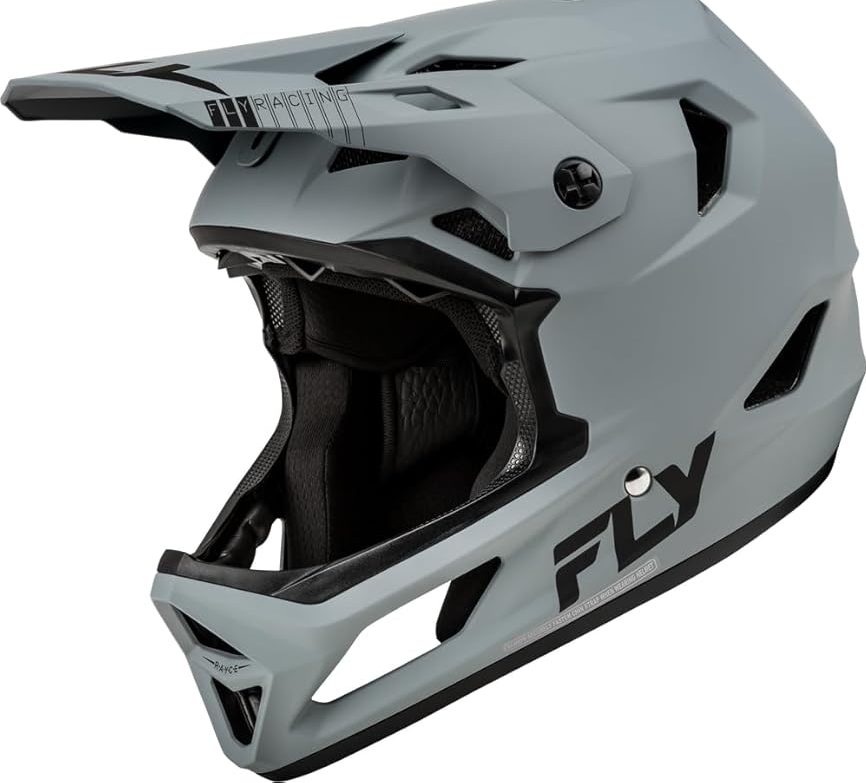

I used to think the answer to are half helmets safe was simply yes or no. The more I looked at motorcycle helmet design and crash protection, the less useful that answer became.
A half helmet can protect some parts of your head. But it leaves much of your face and lower head exposed. That trade-off matters, especially if you ride at higher speeds or in busy traffic.
Are Half Helmets Safe for Motorcycle Riding?
Half helmets can provide some protection, but they offer less coverage than full-face and many three-quarter helmets.
That does not mean every half helmet is unsafe. It means the protection area is smaller.
A half helmet generally covers the top and sides of the head. It does not fully cover the face, jaw, or chin.
| Helmet Type | General Coverage |
|---|---|
| Half helmet | Top and sides of head |
| Three-quarter helmet | Head, ears, and back |
| Full-face helmet | Head, face, chin, and jaw |
This is the first thing I would consider before buying one.
The question is not only whether the helmet can protect you. It is also which parts of you it can protect.
What Does a Half Helmet Actually Protect?
A properly certified half helmet can help protect the areas it covers during an impact.
The outer shell and energy-absorbing liner are designed to manage impact energy. The retention system helps keep the helmet on your head.
But the protection stops where the helmet stops.
That sounds obvious, yet it is easy to forget when looking at a helmet on a shelf.
The Top of the Head Gets Coverage
The main benefit of a half helmet is head coverage over the crown and other covered areas.
If an impact lands inside that protected area, the helmet may reduce the force reaching your head.
But crash impacts are not always neat.
| Area | Half Helmet Coverage |
|---|---|
| Crown | Yes |
| Back of head | Depends on design |
| Ears | Often partly covered |
| Face | No |
| Chin and jaw | No |
This limited coverage is the biggest weakness of the design.
Why Does a Half Helmet Leave More of You Exposed?
Motorcycle crashes can involve many different contact points.
You might hit the pavement with the top of your head. You might strike your face. You might slide along the road. You might hit an object before reaching the ground.
A helmet cannot protect an area it does not cover.
Face and Jaw Protection Is the Big Difference
The chin and jaw are especially important when comparing helmet styles.
A full-face helmet places a protective shell around the chin area and adds a face shield or similar eye and face protection.
A half helmet does not provide that same barrier.
| Impact Concern | Half Helmet | Full-Face Helmet |
|---|---|---|
| Top of head | Covered | Covered |
| Face impact | Exposed | Covered |
| Chin impact | Exposed | Covered |
| Wind and debris | Limited protection | Much better protection |
This is why I would not describe a half helmet as equivalent to a full-face helmet.
Are Half Helmets DOT Approved?
Some half helmets can meet the U.S. DOT motorcycle helmet standard.
That is an important distinction.
A half helmet can be a legitimate motorcycle helmet if it meets the applicable safety requirements. But certification does not mean it provides the same coverage as another helmet type.
The U.S. Department of Transportation’s FMVSS No. 218 standard sets requirements for motorcycle helmets sold for road use in the United States.
NHTSA also warns riders about counterfeit certification labels and novelty helmets that may look like protective motorcycle helmets but do not meet the standard.
| Label or Type | What It Tells You |
|---|---|
| DOT-compliant helmet | Meets the stated U.S. federal standard when legitimately certified |
| Novelty helmet | May not provide required protection |
| Fake DOT label | Cannot be trusted as proof of safety |
So I would check the actual helmet and manufacturer information rather than trusting a sticker alone.
Are Half Helmets Safe at Highway Speeds?
This is where I become much more cautious.
Higher speeds mean more energy in a crash. A half helmet still leaves the face and chin exposed regardless of speed.
That does not mean a half helmet suddenly stops protecting the covered part of your head at a certain speed.
It means the consequences of limited coverage can become more concerning as riding conditions become more demanding.
City Riding Is Not Risk-Free
It is tempting to think a half helmet is fine because city speeds are lower.
But city riding brings its own problems.
Traffic is close. Cars can turn suddenly. You may encounter potholes, road debris, and unexpected stops.
| Riding Situation | Concern With a Half Helmet |
|---|---|
| Low-speed local riding | Face remains exposed |
| Busy city traffic | More nearby hazards |
| Highway riding | Higher crash energy |
| Long-distance riding | Wind and debris exposure |
So I would not use speed alone as the deciding factor.
Half Helmet vs. Full-Face Helmet
The most useful comparison is not which helmet looks better. It is what each helmet protects.
A full-face helmet covers much more of the head and face. It also gives the rider a physical barrier against wind, rain, insects, and road debris.
Full-Face Protection Is More Complete
A full-face helmet cannot prevent every injury. No helmet can.
But its design gives it a much larger protective area.
That matters because you cannot choose where a crash will happen.
| Feature | Half Helmet | Full-Face Helmet |
|---|---|---|
| Open face | Yes | No |
| Chin bar | No | Yes |
| Face shield | Usually no | Usually yes |
| Wind protection | Low | High |
| Overall coverage | Lower | Higher |
The extra coverage is the main reason many riders prefer a full-face helmet.
Why Do Some Riders Still Prefer Half Helmets?
There are practical reasons.
Half helmets can feel lighter and more open. Riders may like the airflow and the sense of freedom.
They can also make it easier to hear the surroundings.
I understand the appeal. A helmet that feels open can be more comfortable in hot weather.
But comfort should not hide the trade-off.
Heat and Airflow Can Be Real Issues
A full-face helmet can feel warmer, especially when you are stopped in traffic.
A half helmet allows much more air around the face.
| Rider Priority | Half Helmet | Full-Face Helmet |
|---|---|---|
| Maximum airflow | Strong advantage | Lower |
| Open feel | Strong advantage | Lower |
| Face protection | Limited | Stronger |
| Weather protection | Limited | Stronger |
For me, this is a comfort-versus-coverage decision, not a simple “good helmet versus bad helmet” argument.
Does a Half Helmet Protect Your Ears?
It depends on the design.
Some half helmets extend around the ears. Others leave more of the ear area exposed.
The exact shell shape matters.
You should also remember that hearing protection is not the same thing as impact protection.
Wind noise can become intense on a motorcycle. A half helmet does not block that noise in the same way a more enclosed helmet can.
Wind Noise Is Easy to Underestimate
This is one of those things that seems minor until you spend a long time riding.
At higher speeds, wind noise can become tiring.
A more enclosed helmet can reduce some of that exposure.
That does not make it a substitute for proper hearing protection, but it can make long rides more comfortable.
What Are the Biggest Risks of Wearing a Half Helmet?
The biggest issue is simple: limited coverage.
Your face, chin, and jaw remain exposed.
There is also less protection from flying debris, insects, rain, and cold air.
| Risk | Why It Matters |
|---|---|
| Face impact | No shell covers the face |
| Chin impact | No chin bar |
| Road debris | Face remains exposed |
| Wind | More direct exposure |
These are not reasons to panic about wearing one.
They are reasons to understand exactly what you are choosing.
How Can You Make Half Helmet Riding Safer?
If you choose a half helmet, start with a legitimate, properly certified motorcycle helmet.
Then focus on fit.
A helmet that moves around your head is not something I would accept just because it is comfortable.
Get the Fit Right
The helmet should sit correctly and remain secure when the retention system is fastened.
It should feel snug without causing painful pressure.
Check the manufacturer’s sizing instructions rather than guessing.
| Check | What You Want |
|---|---|
| Helmet position | Sits level |
| Retention strap | Secure and comfortable |
| Movement | Minimal |
| Shell condition | No crash damage |
A helmet that is damaged, badly fitted, or not intended for motorcycle use is a poor choice regardless of its style.
Common Half Helmet Mistakes
One mistake is assuming that any helmet with a DOT-looking sticker is automatically safe.
Another is buying a helmet that is too loose because it feels more comfortable.
Comfort matters, but the helmet also needs to stay in place.
Mistake: Choosing Looks Over Coverage
Half helmets often have a classic motorcycle style.
That can be appealing.
But I would first ask whether the amount of coverage matches the riding I actually do.
Mistake: Treating a Half Helmet Like Full Protection
This is the biggest mental mistake.
A half helmet is not a smaller full-face helmet.
It is a different design with different coverage.
| Mistake | Better Approach |
|---|---|
| Pick only by style | Consider protection needs |
| Ignore fit | Check secure fit |
| Trust any label | Verify certification |
| Assume all helmets cover the same areas | Check the actual shell |
So, Are Half Helmets Safe Enough?
The honest answer is that a half helmet can provide useful head protection when it is properly certified, fitted, and used correctly.
But it provides less coverage than a full-face helmet.
If your main concern is maximum head and face coverage, I would choose a full-face helmet.
If you prefer a half helmet because of airflow, weight, or an open riding feel, understand exactly what protection you are giving up.
That trade-off is the part that matters most.
Final Thoughts
So, are half helmets safe? They can provide protection for the parts of the head they cover, but they leave the face and chin exposed. That makes them less protective overall than helmets that cover more of the head and face.
The biggest lesson is to choose based on your real riding conditions, not just comfort or appearance. Check certification, fit, condition, and coverage. A half helmet may suit some riders, but it should never be mistaken for the same level of coverage offered by a properly fitted full-face helmet.
FAQs
Are half helmets safe for motorcycle riding?
Half helmets can protect covered areas of the head. They leave the face and chin exposed, so they provide less coverage than full-face helmets.
Are half helmets DOT approved?
Some half helmets meet DOT rules for motorcycle helmets in the U.S. Check the real label and maker details, as fake DOT labels can exist.
Are half helmets safe on the highway?
A half helmet still leaves your face and chin open. Highway crashes can involve high energy, so a full-face helmet gives more coverage.
Is a half helmet safer than no helmet?
Yes, a proper motorcycle helmet can provide head protection that no helmet cannot. But a half helmet covers less area than a full-face helmet.
Why do people wear half helmets?
Many riders like their low weight, airflow, open feel, and classic look. The trade-off is less face and chin protection than a full-face helmet.

Olivia
Writer at Helmet Today, covering helmet reviews, fit and riding safety.