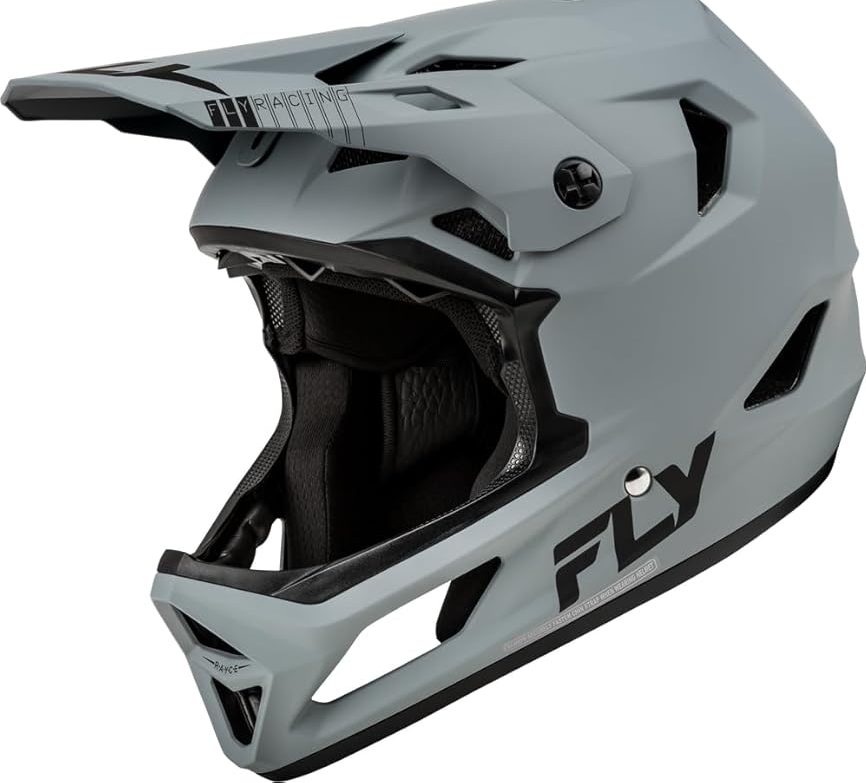

I still remember the first long ride with a brand-new motorcycle helmet. It felt great in the store. Two hours later, not so much. The pressure on my cheeks and forehead made me count every mile home.
If you are wondering how to stretch the inside of your motorcycle helmet, you are not alone. Many riders face this issue. A helmet should fit snugly, but it should not cause pain or leave deep pressure marks.
I have dealt with this in humid Florida summers, cool Midwest mornings, and even dry Arizona rides. Different weather can affect helmet liners and comfort. Over the years, I learned a few safe ways to make a tight helmet feel better without hurting safety.
This guide shares what worked for me, what did not, and how to improve helmet comfort while keeping a secure fit.
Why Motorcycle Helmets Feel Too Tight at First?
A new helmet often feels tighter than expected. That is normal.
Most helmet padding compresses over time. The cheek pads, crown liner, and comfort foam slowly adjust to your head shape after regular use.
Common Reasons a Helmet Feels Tight
- Brand-new comfort padding
- Thick cheek pads
- Incorrect helmet size
- Different head shape than the helmet design
- Cold-weather riding gear under the helmet
Signs the Fit Is Normal
- Firm pressure around the head
- Slight cheek compression
- No severe pain
- No headaches after a short ride
Signs the Helmet Is Too Small
- Sharp pressure points
- Severe forehead pain
- Numbness
- Headaches within minutes
- Red marks that last for hours
How to Stretch the Inside of Your Motorcycle Helmet Safely?
A tight helmet can improve with time. The key is using safe methods.
Wear the Helmet Around the House
This is the method that worked best for me.
I wore my helmet while watching a football game one Sunday afternoon. After a few sessions, the padding softened naturally.
Benefits include:
- No damage to the liner
- Natural shaping
- Low risk
- Manufacturer-friendly approach
Use Consistent Short Sessions
Wear the helmet for:
- 30 to 60 minutes
- Several days in a row
- Indoor use only
This helps the comfort foam settle gradually.
Let Normal Riding Break It In
Most motorcycle helmets become more comfortable after:
- 10 to 20 hours of use
- Several weeks of riding
- Regular wear in different conditions
The liner adapts little by little.
Areas That Usually Need Extra Stretching
Some parts create more pressure than others.
Cheek Pads
Cheek pads are often the biggest issue.
Many riders think the helmet is too small when only the cheek pads are tight.
Look for:
- Excessive cheek squeeze
- Difficulty speaking
- Constant pressure while chewing
Forehead Area
Forehead pressure often points to a shape mismatch.
Common helmet shapes include:
- Round oval
- Intermediate oval
- Long oval
A shape mismatch may require a different helmet rather than stretching.
Crown Padding
The crown liner sits on top of the head.
Too much pressure here can create discomfort during long rides.
Methods I Avoid When Stretching a Motorcycle Helmet
Not every internet tip is a good idea.
I learned this after seeing some questionable advice in riding forums.
Avoid Heating the Helmet
Do not use:
- Hair dryers
- Heat guns
- Ovens
- Direct sunlight for stretching
Heat may damage:
- EPS foam
- Adhesives
- Comfort liner materials
Avoid Heavy Objects
Some riders try to force the helmet over:
- Basketballs
- Large boxes
- Hard objects
This can distort the fit.
Avoid Water Soaking Tricks
Water can damage certain liner materials and create odor issues later.
Can You Replace Helmet Pads Instead?
Sometimes replacement works better than stretching.
Thinner Cheek Pads
Many helmet brands offer different pad sizes.
Examples include:
- Shoei
- Arai
- Bell
- HJC
- Scorpion
A thinner pad often solves the problem quickly.
Custom Fit Kits
Some premium helmets offer:
- Adjustable liners
- Fit systems
- Optional comfort components
These provide a more precise fit.
When Replacement Makes Sense
Consider replacement if:
- Only one area feels tight
- The shell size is correct
- The helmet is otherwise comfortable
Weather and Climate Can Affect Helmet Comfort
Helmet comfort changes throughout the year.
Humid Conditions
In places like Florida:
- Sweat can increase pressure
- Padding absorbs moisture
- Fit may feel tighter
Cold Weather
In northern states:
- Balaclavas add bulk
- Thick layers reduce interior space
Dry Climates
In areas like Arizona:
- Padding stays firmer
- Break-in may feel slower
Climate affects comfort more than many riders expect.
How Long Does It Take to Break In a Motorcycle Helmet?
Every helmet is different.
Most riders notice improvement within:
- One week of regular use
- 10 to 20 riding hours
- Several long rides
Premium helmets often use higher-quality comfort foam that adapts gradually.
Factors That Affect Break-In Time
- Helmet brand
- Foam density
- Head shape
- Riding frequency
- Climate conditions
Patience usually works better than aggressive stretching.
When You Should Buy a Different Helmet?
Sometimes stretching is not the answer.
Red Flags
- Persistent headaches
- Severe pressure points
- Numbness
- Shell size feels wrong
- Forehead hot spots
Helmet Shape Matters
A rider with a long oval head may struggle in a round oval helmet no matter how much stretching is attempted.
Choosing the correct shape often solves the issue immediately.
Motorcycle Helmet Comfort Tips I Learned the Hard Way
After years of riding, these habits helped the most.
My Go-To Comfort Checklist
- Wear the helmet indoors before riding
- Break it in gradually
- Check head shape compatibility
- Replace cheek pads if needed
- Avoid heat-based stretching methods
- Monitor pressure points early
A snug fit is good. Pain is not. The goal is comfort with safety, not a loose helmet.
FAQs
How do you stretch the inside of your motorcycle helmet safely?
Wear the helmet indoors for short sessions. The padding will compress over time and create a more comfortable fit without harming safety.
Can I use a hair dryer to stretch a motorcycle helmet?
No. Heat can damage the EPS liner and adhesives. A natural break-in process is the safest way to improve helmet comfort.
How long does it take to break in a motorcycle helmet?
Most helmets become more comfortable after 10 to 20 hours of riding. Regular wear helps the padding adjust to your head shape.
Should motorcycle helmet cheek pads feel tight?
Yes. New cheek pads often feel snug. They usually soften with use and provide a more natural fit after several rides.
What if my motorcycle helmet still hurts after stretching?
Persistent pain often means the helmet size or shape is wrong. In that case, a different helmet may be the better solution.

Olivia
Writer at Helmet Today, covering helmet reviews, fit and riding safety.