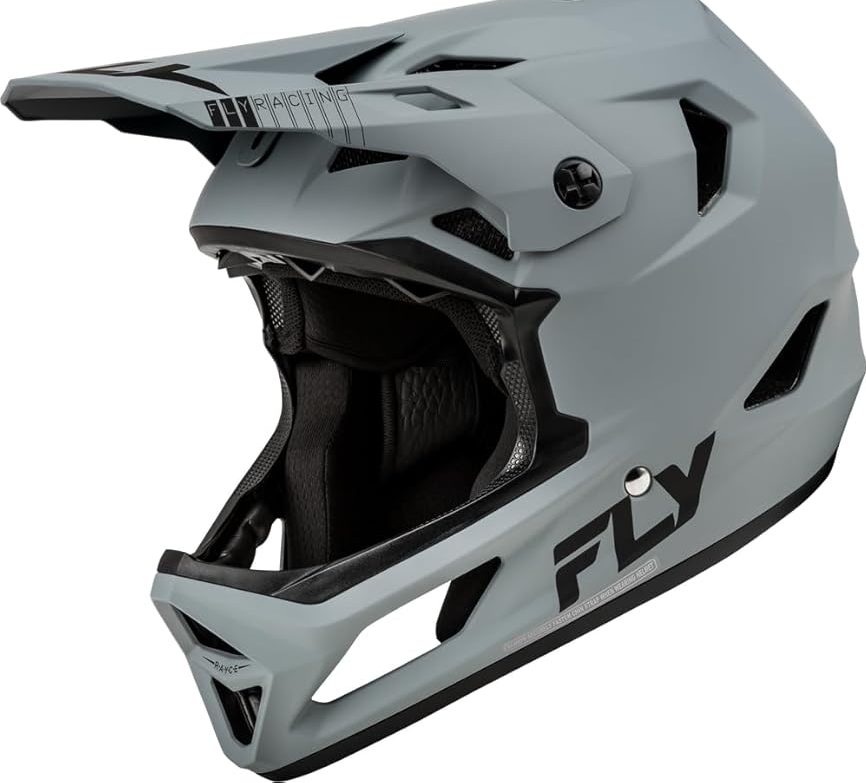

A Vespa helmet Bluetooth setup sounds simple until you try to match a helmet, speaker position, microphone, and phone. I found that the confusing part is not Bluetooth itself. It is knowing whether the helmet has Bluetooth built in or simply has enough room for an add-on system.
During my research, I also found something easy to miss: Vespa has sold helmets with integrated Bluetooth before. Its older Visor BT helmet had the Bluetooth system installed from the factory, with stereo earphones and a microphone. Some Vespa Elettrica accessories also used built-in Bluetooth and intercom features.
Does a Vespa Helmet Come With Bluetooth?
The answer depends on the exact helmet. Not every Vespa helmet is a Bluetooth helmet, and this is where many buyers get caught out.
The current Vespa helmet range includes models such as the Langhe, DEC, Officina 8, Versilia, Argentario, and 946 Horse. Current product pages focus on shell design, visor systems, lining, ventilation, and ECE 22.06 approval. They do not all list built-in Bluetooth.
| Helmet setup | Bluetooth status | What it means |
|---|---|---|
| Built-in Bluetooth | Factory fitted | Ready to pair with a phone or intercom |
| Bluetooth-ready | Space for an add-on | Needs a separate communication unit |
| Standard helmet | No special system | Bluetooth may still be added if compatible |
That distinction matters before you spend money. A helmet can look perfect for a Bluetooth setup while having poor space for speakers or a clamp.
Older Vespa Bluetooth Helmets
Vespa’s Visor BT is a useful example of what a true factory Bluetooth helmet looks like.
The official accessory catalogue describes it as a demi-jet ABS helmet with a 2 mm clear visor, micrometric fastening, removable lining, and an integrated Bluetooth system. It included two stereo earphones and a microphone for rider-to-passenger communication.
The Vespa Elettrica accessory range also included a jet helmet with integrated Bluetooth, two stereo earphones, and a microphone. The system could connect with Bluetooth phones and other devices.
That does not mean every current Vespa helmet includes the same system. Older Bluetooth models and current helmet models should be treated as separate products.
Why Bluetooth Is Useful on a Vespa
Bluetooth can make short rides much easier, especially when you use your scooter for regular commuting.
I find the most useful part is not music. It is being able to hear simple navigation prompts or take a short call without reaching for the phone.
| Use | Bluetooth benefit | Practical note |
|---|---|---|
| Navigation | Hear voice directions | Keep the phone mounted safely |
| Phone calls | Talk without holding the phone | Wind noise still matters |
| Music | Audio while riding | Keep volume low enough to hear traffic |
| Rider-to-rider | Intercom communication | Both riders need compatible systems |
A Bluetooth intercom can also help when two people ride together. Older Vespa systems were designed around this idea, with stereo earphones and a microphone for rider-to-passenger communication.
Still, Bluetooth should support your ride rather than distract from it. I would avoid treating the helmet like a tiny entertainment room.
Can You Add Bluetooth to a Vespa Helmet?
Yes, in many cases you can add an aftermarket Bluetooth intercom to a helmet. The real question is whether the particular helmet gives you enough room to install it comfortably.
This became one of the biggest practical points in my research. A communication unit needs more than a place to stick the main control box. The speakers must sit close to your ears, and the microphone needs a sensible position.
Check the Ear Area First
Speaker placement can make or break the setup.
If a speaker sits too far from your ear, sound becomes weak. If it presses directly against your ear, a short ride may feel fine, but a longer ride can become annoying very quickly. Helmet compatibility guides also point out that ear recess depth and available cable space vary between helmet models.
| Check before fitting | Why it matters |
|---|---|
| Ear space | Prevents speaker pressure |
| Liner design | Makes cable routing easier |
| Shell edge | Determines clamp compatibility |
Do not assume that a small Bluetooth unit will fit every helmet just because the unit itself is compact.
Jet Helmets Need Extra Attention
Many Vespa helmets are jet or demi-jet designs. That changes microphone placement because your face is more exposed than it would be inside a full-face helmet.
For a jet helmet, the microphone needs to stay close enough to your mouth to pick up your voice clearly. Installation guides for jet helmets commonly recommend placing the microphone near the mouth rather than leaving it far back inside the helmet.
This sounds obvious, but it is an easy detail to overlook.
Vespa Helmet Bluetooth Installation Tips
A clean installation should feel almost invisible when you put the helmet on. If you can constantly feel the speakers, cables, or mounting plate, something needs adjusting.
Start by pairing the Bluetooth unit with your phone before permanently fixing anything. That lets you test sound and microphone quality before committing to a position.
Then check the speaker position with the helmet on. The center of the speaker should line up with your ear rather than simply sitting somewhere inside the ear pocket.
| Installation issue | Likely cause | Better fix |
|---|---|---|
| Music sounds quiet | Speaker is off-center | Move it closer to the ear |
| Voice sounds muffled | Mic is poorly placed | Bring it nearer to the mouth |
| Helmet feels tight | Speaker is too thick | Recheck position or padding |
| Cable feels loose | Poor routing | Route it neatly under removable lining |
One important rule is to avoid drilling or cutting the helmet shell to install Bluetooth hardware. A helmet is safety equipment, so modifying its structure is not a sensible shortcut. Compatibility guidance also warns that accessories can create certification concerns when they alter the helmet or are installed incorrectly.
Bluetooth and Current Vespa Helmet Designs
Current Vespa helmets show why Bluetooth fit should be considered before buying.
For example, the current Langhe is a demi-jet ABS helmet with a 2 mm transparent visor, micrometric retention, breathable 3D fabric, removable lining, and ECE 22.06 homologation.
The Officina 8 is a jet helmet with a clear main visor, internal sun visor, ventilation system, removable cheek pads, removable lining, and ECE 22.06 approval.
Those features are useful, but they do not automatically mean the helmet has Bluetooth built in.
| Current helmet feature | Bluetooth question to ask |
|---|---|
| Removable lining | Is there room for speaker cables? |
| Jet design | Where will the microphone sit? |
| Thick cheek padding | Will speakers create pressure? |
| External visor hardware | Will a clamp interfere with it? |
This is why I would never buy based only on the phrase “Vespa helmet Bluetooth.” I would check the exact model and its accessory details first.
Bluetooth Sound Problems I Would Watch For
Bluetooth audio on a scooter has one enemy that no app can completely remove: wind noise.
A helmet may sound great indoors and much less impressive once you are moving. Jet helmets can be especially sensitive because they leave more of the face exposed.
There is also a comfort problem. Loud audio may hide road sounds, while very low audio may become difficult to hear. The sensible approach is to find a level that lets you hear useful prompts without trying to overpower every bit of traffic noise.
Common Bluetooth Problems
| Problem | What I would check first |
|---|---|
| Phone will not pair | Bluetooth settings and device reset |
| One speaker works | Cable connection and speaker balance |
| Calls sound poor | Microphone position |
| Music cuts out | Phone connection or device range |
| Battery dies early | Charging routine and battery age |
I also learned that pairing problems are often blamed on the helmet when the real problem is the phone or communication unit. Resetting both devices can sometimes solve a problem that initially looks much more serious.
Built-In Bluetooth vs Aftermarket Intercom
Both approaches can work. They simply suit different buying situations.
A factory Bluetooth helmet is attractive because the electronics are designed as part of the helmet system. An aftermarket unit gives you more freedom because you can move it between compatible helmets.
| Factor | Built-in Bluetooth | Aftermarket Bluetooth |
|---|---|---|
| Installation | Usually simpler | Requires fitting |
| Flexibility | Lower | Higher |
| Replacement | Can be model-specific | Unit can move between helmets |
| Appearance | Cleaner | External unit is visible |
The older Vespa Visor BT shows the appeal of the first option. Its Bluetooth hardware, stereo earphones, and microphone were integrated into the helmet design.
For someone who already owns a current Vespa helmet, though, buying a compatible intercom may make more sense than replacing a perfectly good helmet.
Mistakes to Avoid With Vespa Helmet Bluetooth
The biggest mistakes are usually small ones. They happen because Bluetooth looks like a simple accessory until comfort and helmet fit enter the picture.
Here are the mistakes I would avoid after researching the different systems.
| Mistake | Better approach |
|---|---|
| Assuming every Vespa helmet has Bluetooth | Check the exact model |
| Buying the unit before checking the helmet | Confirm speaker and clamp space |
| Putting speakers anywhere they fit | Align them with your ears |
| Ignoring microphone position | Test speech before final fitting |
| Cutting the helmet | Use a compatible mounting method |
Another mistake is buying based only on Bluetooth features. A communication system cannot compensate for a helmet that fits badly.
Fit, approval, visibility, comfort, and weather protection still matter.
How I Would Choose a Vespa Helmet Bluetooth Setup
I would start with the helmet, not the Bluetooth unit.
First, choose the helmet style you actually want. Then check its safety approval and fit. After that, look at the ear area, liner, and possible mounting points.
Current Vespa models such as the Langhe and Officina 8 list ECE 22.06 approval, which is an important specification to check when comparing modern helmets.
Then decide what Bluetooth actually needs to do.
If you only want navigation prompts, a simple Bluetooth unit may be enough. If you want rider-to-rider communication, look for an intercom system that supports that use.
For regular calls, microphone quality deserves extra attention. A fancy speaker system is not very useful if the person on the other end keeps asking, “Can you hear me?”
Final Thoughts
A Vespa helmet Bluetooth setup can be very useful, but the phrase covers two different things: helmets with factory-installed Bluetooth and normal helmets fitted with an aftermarket communication system.
My main lesson from researching this topic is simple. Do not choose the Bluetooth system first and hope it fits later. Check the exact Vespa helmet, its liner, ear space, microphone position, and mounting options before buying.
For older integrated models such as the Visor BT, Bluetooth was part of the helmet itself. With many current Vespa helmets, you need to check the individual model rather than assume the feature is included.
Frequently Asked Questions
Can you put Bluetooth on a Vespa helmet?
Yes. Many helmets can use an aftermarket Bluetooth intercom if there is enough room for speakers, a microphone, and a safe mounting point. Always check the exact helmet first.
Does every Vespa helmet have Bluetooth?
No. Vespa has made Bluetooth-equipped helmets, but current helmets do not all list built-in Bluetooth. Check the exact model before buying or assuming it has the feature.
Can I use Bluetooth for calls on a Vespa?
Yes. A helmet Bluetooth unit can connect to a phone for calls. Clear speech depends on good microphone placement, wind control, and a stable phone connection.
Where should Bluetooth speakers sit in a Vespa helmet?
Speakers should sit close to your ears and line up with the ear canal. Poor placement can make audio weak and may cause pressure during longer rides.
Is a Vespa Bluetooth helmet better than an add-on system?
They solve different needs. Built-in Bluetooth gives a cleaner setup, while an add-on system offers more flexibility. The best choice depends on your helmet and how you ride.

Olivia
Writer at Helmet Today, covering helmet reviews, fit and riding safety.