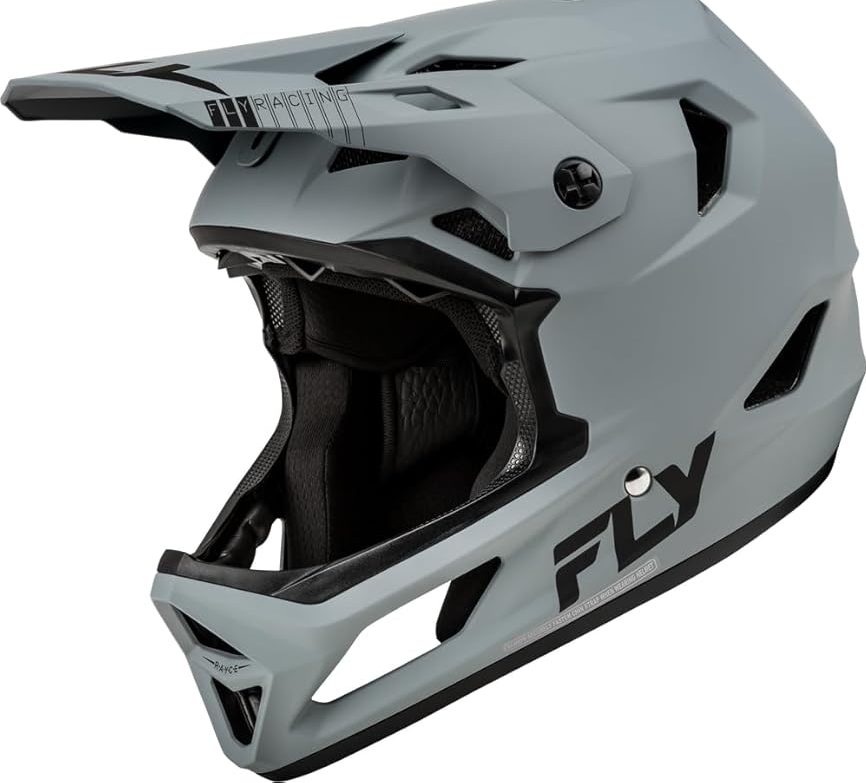

Vespa helmet accessories can make daily riding easier, but not every add-on is worth buying. Some help with comfort and care. Others look useful but can create fit, visibility, or safety problems.
While researching helmet accessories, I noticed how easy it is to buy things simply because they look good with a scooter. I would take a slower approach. First fix the basic helmet fit. Then add only the accessories that solve a real problem.
Which Vespa Helmet Accessories Are Actually Useful?
The most useful accessories usually solve small problems that appear during regular riding. Think sweat, sun, rain, storage, cleaning, and visibility.
You do not need a bag full of gadgets. A few simple items can be enough for most riders.
| Accessory | Main Use | Worth Considering When |
|---|---|---|
| Helmet liner | Comfort and sweat control | You ride often |
| Visor cleaner | Clear vision | You ride in dust or rain |
| Helmet bag | Storage and protection | You carry the helmet |
| Anti-fog product | Better visor clarity | Fog is common |
| Visor replacement | Restore clear vision | The old visor is damaged |
I would start with accessories that do not change the helmet’s basic structure. That keeps things simple and reduces the chance of creating a new problem.
Does a Helmet Liner Make a Difference?
A removable helmet liner or compatible comfort liner can make daily use more pleasant. It can also help manage sweat and keep the original padding cleaner.
The important word is compatible. A liner should not make the helmet too tight or change how it sits on your head.
When Is an Extra Liner Useful?
It can help if you ride often, sweat heavily, or want a spare liner while the other one dries.
| Situation | Useful Accessory |
|---|---|
| Frequent sweating | Removable liner |
| Long daily rides | Breathable liner |
| Washing the liner | Spare liner |
| Helmet feels tighter | Avoid adding thick padding |
One mistake I would avoid is adding thick material just to make an old helmet feel softer. If the fit changes too much, the accessory may create a new issue.
Are Visor Accessories Worth Adding?
The visor is one of the most important parts of a helmet for everyday comfort. A clean, clear visor can make a much bigger difference than a decorative accessory.
Useful visor-related accessories include cleaning cloths, suitable cleaning products, replacement visors, and anti-fog solutions that are compatible with the visor.
What Should You Keep for Visor Care?
A small cleaning kit is often more useful than several cosmetic add-ons.
| Item | Purpose |
|---|---|
| Soft microfiber cloth | Removes dirt gently |
| Suitable visor cleaner | Helps clean the surface |
| Replacement visor | Restores damaged visibility |
| Anti-fog solution | Helps manage fogging |
Avoid rough cloths and harsh household chemicals. A visor can pick up fine scratches more easily than you might expect.
Can Anti-Fog Accessories Help?
Yes, anti-fog products can be useful when condensation makes the visor harder to see through. This can happen when outside air is cool and the inside of the helmet is warm.
But not every anti-fog product suits every visor. Check the visor and helmet maker’s instructions before applying anything.
What Causes Helmet Visor Fog?
Fog usually comes from moisture inside the helmet meeting a cooler visor surface. Breathing is enough to create that moisture.
| Fog Problem | Possible Step |
|---|---|
| Light fog | Improve airflow |
| Repeated fog | Check anti-fog options |
| Heavy condensation | Check ventilation |
| Dirty visor | Clean it first |
I would not immediately blame the visor. Sometimes poor airflow or blocked vents are part of the problem.
Are Helmet Bags Useful Vespa Accessories?
A helmet bag is one of the simplest accessories, and it solves a very boring but real problem: scratches.
A helmet can get knocked against walls, seats, tables, or other gear when you carry it around. A soft storage bag gives the shell and visor some basic protection.
What Should a Helmet Bag Be Like?
It should be large enough for the helmet without crushing it. A soft interior can also help reduce scratches during transport.
| Bag Feature | Why It Helps |
|---|---|
| Soft inside | Reduces surface scratches |
| Good size | Avoids squeezing the helmet |
| Strong handle | Easier carrying |
| Breathable design | Useful after damp rides |
Do not put a wet helmet straight into a closed bag and leave it there. Let the helmet dry first.
Can Helmet Bluetooth Accessories Be Used?
Bluetooth communication systems can be useful for riders who need navigation audio or hands-free communication. But installation needs care.
The unit should not interfere with the helmet’s fit or cause pressure against your head.
Where Should a Bluetooth Unit Go?
Most systems use an external control unit and internal speakers. The exact placement depends on the helmet design and the device.
| Bluetooth Part | Check |
|---|---|
| Speakers | No painful pressure |
| Control unit | Does not interfere with shell |
| Microphone | Clear placement |
| Wires | No loose or awkward routing |
I would avoid cutting, drilling, or permanently changing a helmet just to install an accessory. If the accessory requires major modification, it is worth reconsidering the setup.
Are Helmet Visor Shades Good for Vespa Riding?
Sun protection can be useful, especially during bright daytime rides. But visibility matters more than appearance.
A dark visor or sun shade that works well in bright sunlight may not be suitable when the light becomes poor.
When Should You Use a Tinted Visor?
Think about your actual riding time. If you leave during bright daylight but return after dark, a very dark visor may become inconvenient.
| Riding Time | Practical Choice |
|---|---|
| Mostly bright day | Consider suitable tint |
| Mixed day and evening | Clear visor may be easier |
| Night riding | Clear visibility matters |
| Changing weather | Keep a flexible option |
I would rather carry a simple alternative than use a dark visor when visibility is already poor.
What Cleaning Accessories Should You Keep?
Cleaning gear is not exciting, but it may be some of the most useful helmet equipment you own.
Dust, sweat, rain spots, and road grime build up quickly. A simple cleaning routine can keep the helmet more pleasant to wear.
What Belongs in a Basic Cleaning Kit?
You do not need a huge collection of products.
| Cleaning Item | Main Job |
|---|---|
| Microfiber cloth | Exterior and visor care |
| Mild suitable cleaner | Removing dirt |
| Soft brush | Cleaning small areas |
| Dry cloth | Final wipe |
Always follow the helmet maker’s care instructions. Some liners can be removed and washed. Others need a different cleaning method.
Can Helmet Covers Protect a Vespa Helmet?
A helmet cover can protect against dust and light storage grime. It can also be useful when a helmet sits unused for a while.
But a cover is not a substitute for proper storage.
When Does a Cover Help Most?
It works best when the helmet is already clean and dry.
| Storage Situation | Cover Use |
|---|---|
| Indoor shelf | Helps reduce dust |
| Transport | Adds surface protection |
| Long storage | Useful after proper drying |
| Wet helmet | Avoid covering immediately |
A breathable cover is more useful than trapping moisture inside a sealed space.
Which Vespa Helmet Accessories Help With Rain?
Rain creates a different set of problems. Water on the visor can reduce visibility, while wet padding can become uncomfortable.
The useful accessories here are usually simple: suitable visor care products, storage protection, and a way to dry the helmet properly.
What Should You Do After a Wet Ride?
Do not seal the helmet away while it is still damp. Remove washable parts if the manufacturer’s instructions allow it and let everything dry properly.
| Wet-Weather Issue | Helpful Habit |
|---|---|
| Wet liner | Dry fully |
| Water spots | Clean visor gently |
| Damp storage | Air helmet first |
| Dirty rain visor | Clean after riding |
A helmet does not need complicated rain gadgets. Good drying and cleaning habits often do more.
Which Accessories Should You Avoid?
This is where I would be selective. An accessory is not automatically useful just because it is made for helmets.
Anything that changes the helmet’s structure, blocks vents, interferes with the strap, or creates pressure deserves extra caution.
What Add-Ons Can Cause Problems?
Some accessories may look harmless but can affect the way the helmet fits.
| Accessory Choice | Possible Concern |
|---|---|
| Thick added padding | Changes fit |
| Poorly placed speakers | Creates pressure |
| Blocked vents | Reduces airflow |
| Loose attachments | Can distract or snag |
I would be especially careful with anything that requires drilling, cutting, or major shell modification. The helmet should remain a helmet, not become a weekend engineering project.
How Should You Choose Accessories for Daily Vespa Riding?
The easiest method is to start with your actual problems. Do not buy five accessories and then try to invent reasons to use them.
Ask yourself what bothers you during normal rides.
| Daily Problem | Accessory to Consider |
|---|---|
| Sweaty liner | Washable or spare liner |
| Dirty visor | Cleaning kit |
| Frequent fog | Compatible anti-fog solution |
| Scratched storage | Helmet bag |
| Navigation needs | Compatible Bluetooth system |
This approach saves money and keeps the helmet setup simple.
Common Vespa Helmet Accessories Mistakes
Accessory shopping can become surprisingly easy to overdo. Small products are cheap enough to buy without much thought, so they can quickly pile up.
The better approach is to check whether each item solves a real issue.
| Mistake | Better Approach |
|---|---|
| Buying for looks only | Solve a real riding problem |
| Adding thick padding | Preserve the original fit |
| Ignoring compatibility | Check helmet instructions |
| Blocking ventilation | Keep vents clear |
| Modifying the shell | Avoid unnecessary changes |
I have found that simple gear is often easier to maintain. Every extra part is another thing to clean, adjust, replace, or lose.
A Simple Vespa Helmet Accessories Setup
You do not need every accessory available. A basic setup can cover most daily needs.
For many riders, the starting point is a clean helmet, a visor care kit, a storage bag, and a practical way to manage sweat and moisture.
What Should You Buy First?
Start with care and comfort. Add electronics or specialty items only when you have a real reason.
| Priority | Accessory Type | Why |
|---|---|---|
| First | Cleaning supplies | Protects daily usability |
| Second | Helmet bag | Helps during storage |
| Third | Liner care | Improves comfort |
| Optional | Anti-fog care | Useful when fog is an issue |
| Optional | Bluetooth | Useful for communication |
This keeps the setup practical rather than turning the helmet into a pile of gadgets.
Final Thoughts
The best vespa helmet accessories are not always the most exciting ones. Simple items such as a good cleaning cloth, storage bag, spare liner, or suitable visor care product can make daily riding much easier.
My main advice is to add accessories one problem at a time. Check compatibility first, protect the helmet’s original fit, and avoid anything that changes the shell or interferes with the strap. A clean and well-fitted helmet is worth more than a helmet covered in gadgets.
FAQs About Vespa Helmet Accessories
What are the most useful Vespa helmet accessories?
Useful Vespa helmet accessories include a cleaning kit, helmet bag, spare liner, and suitable anti-fog care. Choose based on your real riding needs.
Can I add Bluetooth to a Vespa helmet?
Yes, a compatible Bluetooth system can add audio or hands-free use. Check speaker placement so it does not create pressure or change the helmet fit.
Are visor accessories safe for a Vespa helmet?
They can be useful when they are made for the visor and used as directed. Avoid products that scratch the visor or interfere with clear vision.
Do helmet liners work as Vespa accessories?
A compatible liner can help with comfort and sweat. It should not make the helmet too tight or change the way the shell sits on your head.
Should I use a helmet cover with my Vespa helmet?
A helmet cover can help keep dust and light dirt away during storage. Let the helmet dry fully before covering it to avoid trapping moisture.

Olivia
Writer at Helmet Today, covering helmet reviews, fit and riding safety.