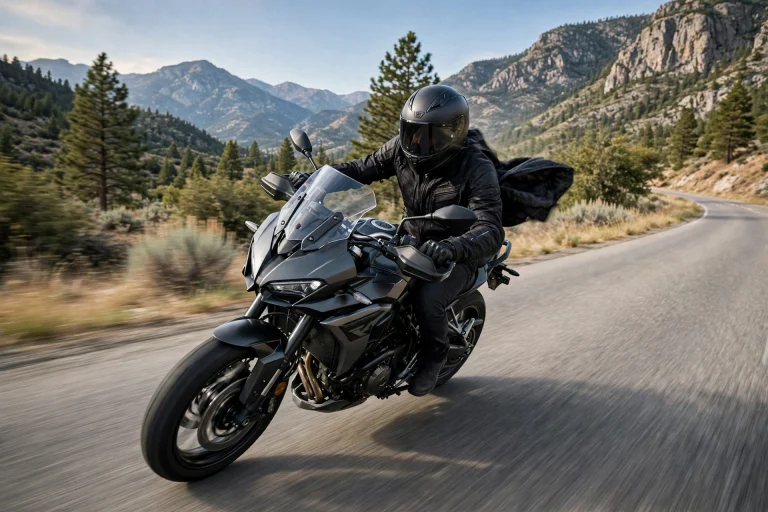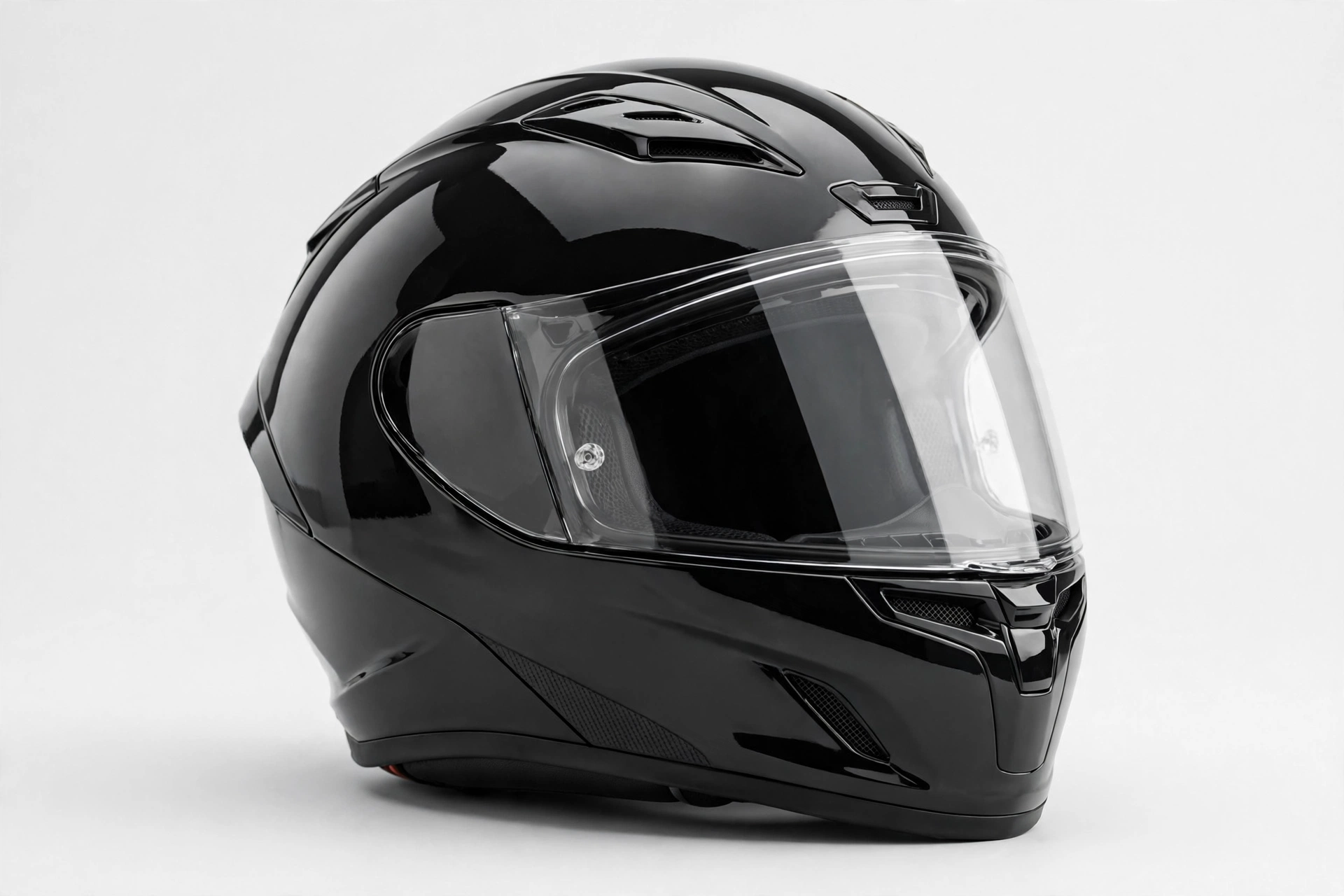
Yes, Shoei helmets are worth the money for many riders, especially if you ride often, cover long distances, or put comfort and quietness high on your list. They are premium helmets, and you do pay for that name, but you also pay for careful build quality, a refined fit, and details that cheaper helmets often skip. If you only ride occasionally on short trips, a good mid-range helmet can protect you well for less money.
Shoei has built its reputation over decades, mostly by doing the basics exceptionally well rather than by adding gimmicks. This guide breaks down what you actually get for the price, where Shoei genuinely stands out, and who can safely save money by choosing something else.
Why Shoei Helmets Cost So Much
Shoei helmets sit firmly in the premium range, and exact prices vary by model, graphics, and where you buy, so there is no single Shoei price. Part of what you pay for is how the helmets are made. Shoei is known for hand-finishing its shells, using multiple shell sizes across the size range instead of simply changing the padding inside one large shell. More shell sizes means a helmet that looks and feels more proportionate, weighs less on your head, and usually fits more precisely.
You also pay for development. Wind-tunnel testing, careful ventilation design, and visor mechanisms that still feel smooth after years of use all cost money to engineer. None of these things makes a dramatic headline, but together they create a helmet that feels sorted in a way that is hard to copy at a budget price. Cheaper helmets can meet the same safety standards, and many do, but they rarely match this level of finish across every detail.
Comfort and Fit: Where Shoei Really Shines
Ask long-term Shoei owners why they buy another one, and comfort is usually the first answer. The interior padding is plush without feeling sloppy, the liner materials handle sweat well, and the overall shape suits a wide range of head shapes, particularly intermediate oval heads, which are the most common. Ventilation is another strength: the vents are easy to operate with gloves on, and they move noticeable air without creating a lot of noise.
Fit still matters more than brand. A Shoei that is the wrong shape for your head will give you a headache no matter how much it cost, while a correctly fitting mid-range helmet will feel better on a long ride. If possible, wear any helmet you are considering in the shop for at least fifteen minutes. Pressure should feel even all around, with no painful hotspot on your forehead or the back of your head.
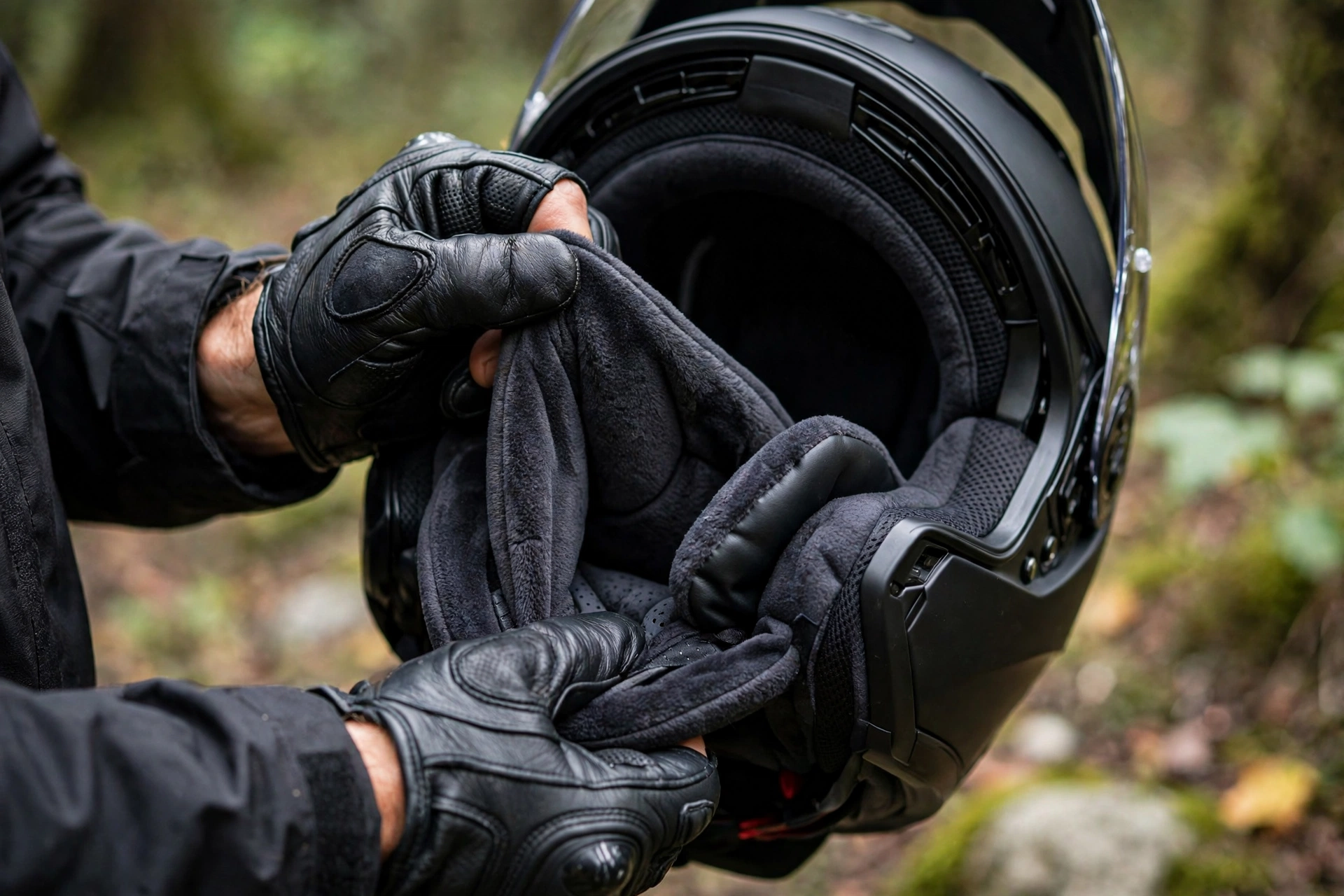
Shoei also offers adjustable cheek pads on many models, which lets you fine-tune the fit as the padding breaks in over thousands of miles.
Safety Certifications and Build Quality
Shoei helmets sold in the United States meet DOT requirements, and many models also carry other certifications depending on the market they are sold in, such as ECE in Europe. The shell construction uses layered composite fibers designed to spread impact energy, while the inner EPS liner absorbs it. Strap hardware, visor seals, and shell finishing are consistently tidy, with no rough edges or loose trim.
It is worth being clear about one thing: a premium price does not automatically mean a helmet is dramatically safer in every crash. Safety standards set a floor that every certified helmet must pass, and fit is a huge part of real-world protection. A helmet that stays properly positioned on your head protects better than an expensive one that is too big. What the premium price buys is refinement around that protection: better materials, tighter quality control, and features that make you more likely to wear the helmet correctly on every ride.
If you are comparing brands, it helps to read a balanced view of other respected names too. Our guide to whether LS2 helmets are good shows how a mid-range brand approaches the same safety and comfort questions at a lower price, which puts Shoei’s premium into perspective.
Noise, Visors, and Everyday Living
Shoei has a strong reputation for quiet helmets, especially in its touring models. The combination of a close-fitting neck roll, a well-sealed visor, and smooth shell aerodynamics keeps wind roar down on the highway. No helmet is silent, and you should still wear earplugs on long rides, but a quieter helmet reduces fatigue noticeably over a full day in the saddle.
The visor system is another everyday pleasure. Shoei visors swap quickly without tools, seal against rain well, and the Pinlock-ready systems on many models resist fogging in cold or wet weather. Drop-down sun visors appear on some models, while others keep things simple with a single clear shield, so check the exact specification of the model you want rather than assuming every Shoei has the same features.
Small touches add up too: speaker pockets for communication systems on many models, glasses-friendly channels in the padding, and liners that remove fully for washing. These are the things you notice on day one hundred, not in the shop, and they are a large part of why owners stay loyal to the brand.
Who Should Buy a Shoei, and Who Can Save Money?
A Shoei makes the most sense if you ride daily, commute in all weather, tour long distances, or are sensitive to noise and pressure points. The better a helmet feels, the more willingly you wear it for every trip, and that consistency is worth real money. Riders who keep a helmet for its full service life also spread the higher purchase price over many years of use, which makes the cost per ride small.
You can save money without giving up certified protection if you ride occasionally, mostly at lower speeds, or are still growing through sizes as a new rider. In that case, a well-fitting mid-range helmet from a reputable brand, replaced on schedule, is a sensible choice. It also makes sense to skip Shoei if the fit does not suit your head shape. No badge is worth a headache, and another premium brand may simply match your head better.
One smart middle path is to look at outgoing Shoei models when a replacement model launches. The helmets are identical in quality, sometimes in an unpopular color, and can cost noticeably less, as long as you check the manufacture date so you are not buying old stock that eats into the helmet’s usable life.
Frequently Asked Questions
Are Shoei helmets safer than cheaper helmets?
Every helmet sold for road use must meet the same safety standards for its market. Shoei adds refined shell construction, consistent quality control, and an excellent fit, all of which support protection, but a correctly fitting certified helmet at a lower price still offers real protection.
How long does a Shoei helmet last?
Like other quality helmets, a Shoei should generally be replaced about five years after you start wearing it, or sooner if it is dropped hard, involved in a crash, or the liner becomes loose and worn. Check the production date label inside before buying older stock.
Which riders get the most value from a Shoei?
Daily commuters, tourers, and riders who are bothered by wind noise or pressure hotspots get the most value, because comfort and quietness are where the premium shows up on every single ride.

Olivia
Writer at Helmet Today, covering helmet reviews, fit and riding safety.