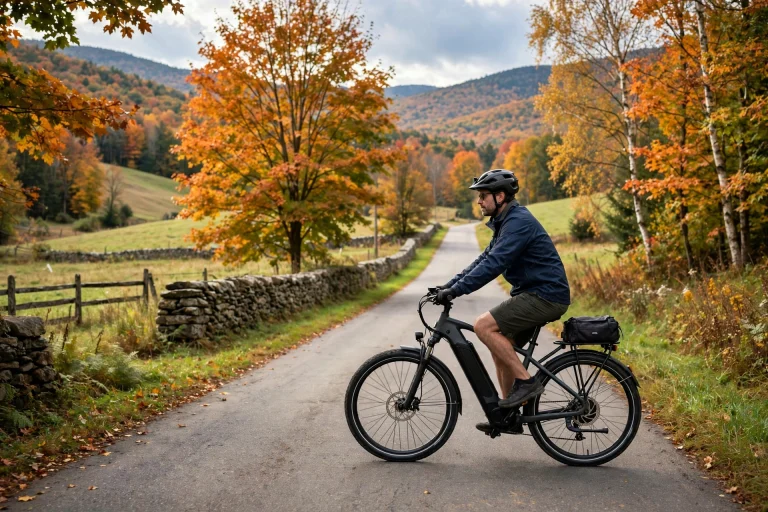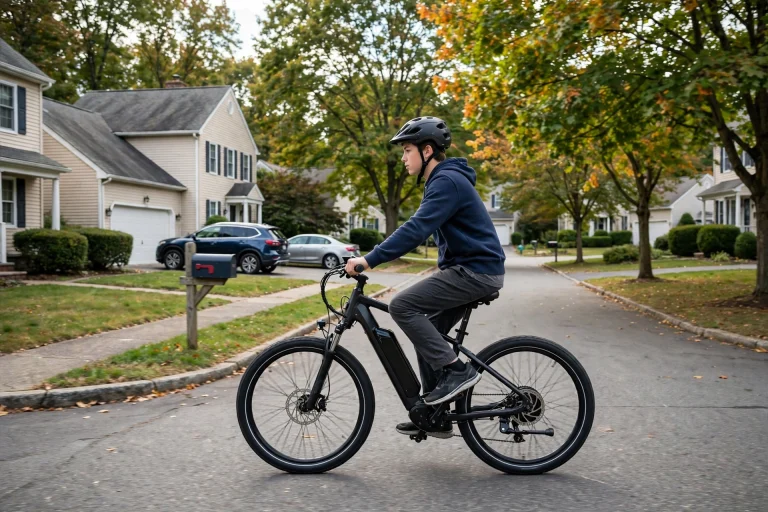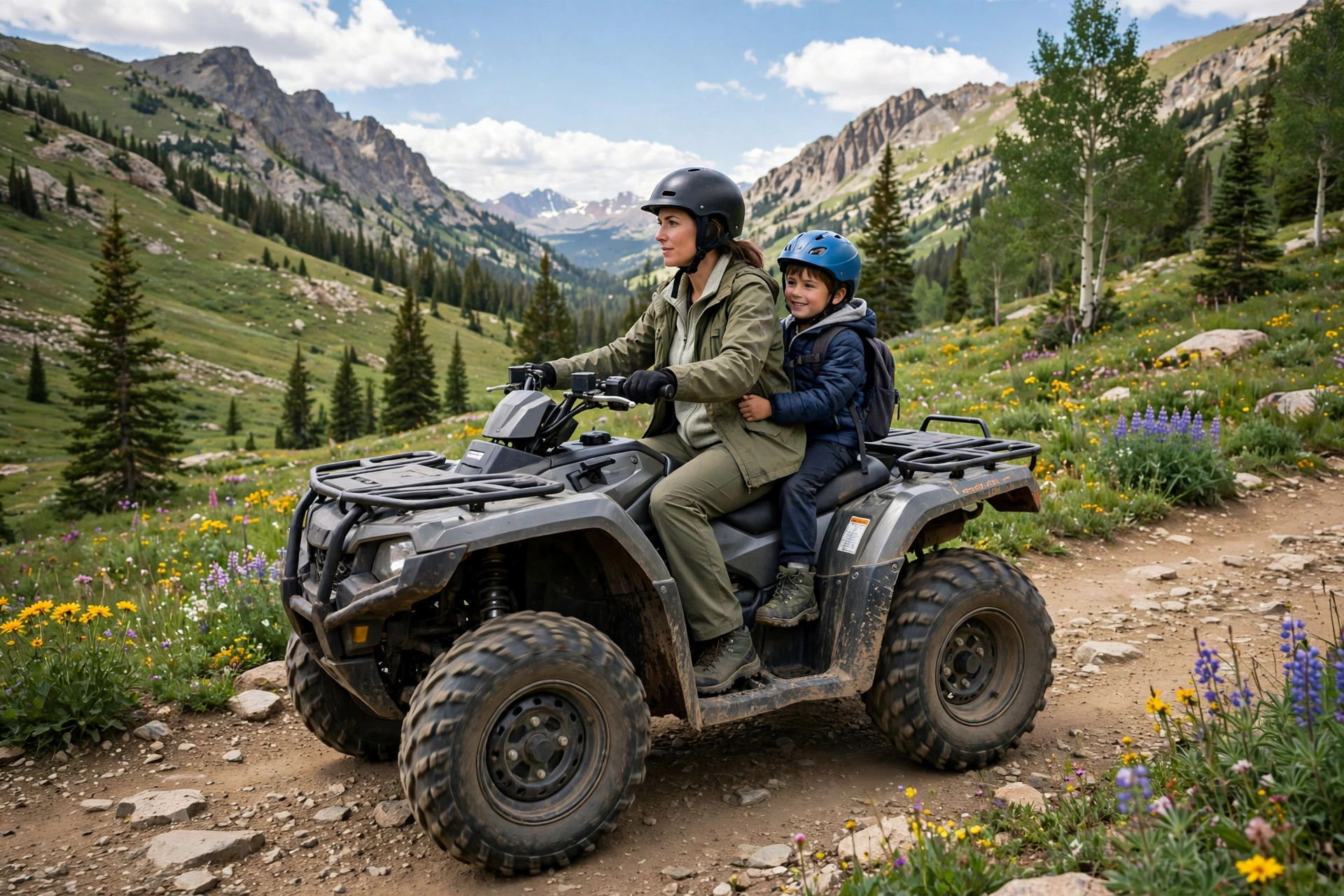
Here is the honest answer: Colorado has NO statewide law requiring ATV riders — adults or teens — to wear a helmet. There is no Colorado statute that says “helmet required” for ATV use. What Colorado does require is that riders under 16 operating on public lands be accompanied and supervised by a licensed adult. On top of that, many land managers, state parks, and rental companies set their own helmet rules — especially for minors — and Colorado Parks and Wildlife strongly recommends a helmet for every rider.
If you searched for Colorado’s ATV helmet law expecting a simple age cutoff like neighboring states have, the nuance above is the whole story. This guide explains what is actually required, who sets helmet rules in Colorado if the state doesn’t, and how to ride smart and legal.
Is There a Colorado Law Requiring ATV Helmets?
No. Unlike Arizona and Utah, which mandate helmets for ATV riders under 18, Colorado has not passed a statewide ATV helmet requirement. An adult riding an ATV on a Colorado trail without a helmet is not breaking a helmet law — because there isn’t one to break.
That surprises a lot of riders, because Colorado does regulate off-highway vehicles in other ways:
- OHVs used on public lands need a Colorado OHV registration or permit
- Riders must stay on designated routes and follow land-manager rules
- Spark arrestors are required
- Riders under 16 must be accompanied by a licensed adult (more on this below)
- Operating under the influence and reckless operation are prohibited
So Colorado regulates the machine, the place, and the supervision — but leaves the helmet decision to riders, land managers, and businesses. That makes understanding the rule-setters below essential, because “no state law” does not mean “no rules anywhere.”
What Is Colorado’s Rule for Riders Under 16?
Colorado’s key youth protection is supervision, not gear. Riders under 16 operating an OHV on public lands must be accompanied by — and under the supervision of — a person who holds a valid driver’s license. The idea is that young riders should never be out on public terrain making decisions alone.
For parents, treat this as the floor, not the ceiling:
- Ride with your child, within sight and communication range
- Put them on a youth-sized machine matched to their age and weight
- Set your own family helmet rule — every rider, every ride
- Make sure young passengers only ride on machines designed to carry them
Many Colorado families adopt the under-18 helmet standard used by neighboring states as their own house rule. It is simple, it matches what rental shops expect, and it means your child is legal and protected no matter which state’s trails you visit. For a state-by-state comparison, see our guide to what states have helmet laws.
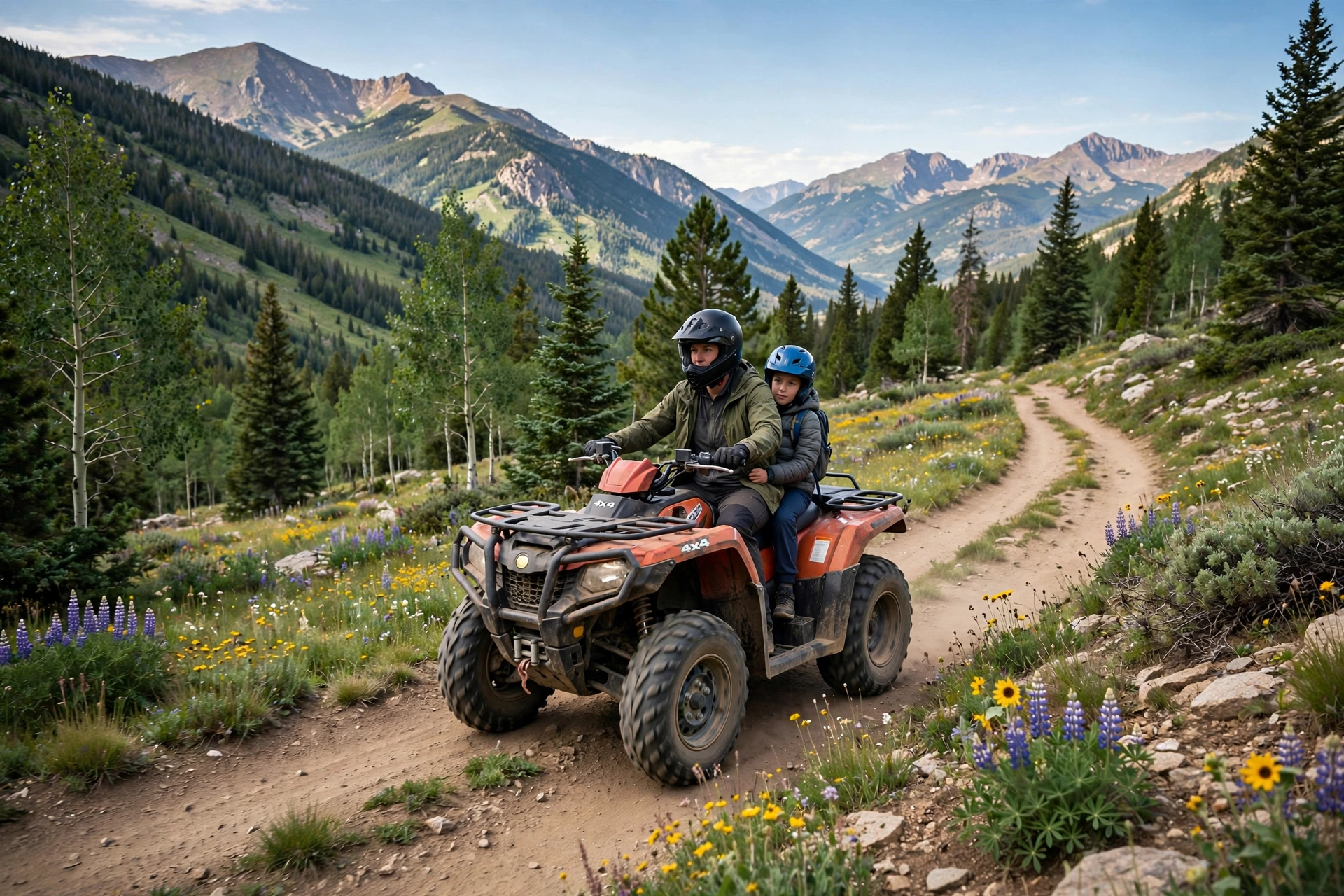
Who Requires Helmets in Colorado If the State Doesn’t?
This is the part that catches riders off guard. Even without a state statute, helmets are effectively required in many real Colorado riding situations:
- Rental companies: Most ATV and side-by-side rental operations require helmets for all riders, and virtually all require them for minors. Show up for a guided tour and a helmet will be handed to you — usually included in the price.
- Guided tour operators: Commercial tours set their own safety rules as a condition of participation, and helmets are standard.
- State parks and specific riding areas: Individual land managers can and do impose gear requirements for their areas, especially for organized events and youth programs.
- Organized events and races: Sanctioned events require certified helmets for every participant, no exceptions.
In practice, the only Colorado riding scenario where a helmet is truly “optional” is an adult on their own machine on public or private land outside those settings. Everywhere else, somebody’s rules will ask for one. Carrying a helmet keeps you compliant everywhere without having to research each location.
What Does Colorado Parks and Wildlife Recommend?
Colorado Parks and Wildlife (CPW), which administers the state’s OHV program, strongly recommends helmets for all ATV riders — along with eye protection, gloves, boots, and protective clothing. CPW’s safety messaging is aimed at the reality of ATV crashes: rollovers are the most common serious incident type, and head injuries are the leading cause of ATV fatalities.
That recommendation carries weight for two reasons:
- Safety: A DOT-approved helmet dramatically improves your odds in a rollover or ejection.
- Liability: After a crash, riding without recommended safety gear can complicate insurance and injury claims — for you or for a landowner or operator connected to the ride.
Choose a full-face or motocross-style DOT-approved helmet for ATV use, pair it with goggles, and fasten the strap every time. The few seconds it takes are the cheapest insurance in the sport.
So What Should Colorado ATV Riders Actually Do?
Follow this practical checklist and you will be legal everywhere in Colorado and sensible anywhere:
- Wear a DOT-approved helmet on every ride — not because a statute forces you, but because land managers, rentals, and physics all point the same way.
- Helmet your kids without exception, and supervise under-16 riders as the law requires.
- Register your OHV and carry the Colorado OHV permit when riding public land.
- Check the rules of your specific destination — state park, forest district, or rental operator — before you go.
- Complete a safety course, especially for young riders; hands-on ATV safety training is widely available in Colorado.
Colorado trusting riders to make this call is not a reason to skip the helmet. It is a reason to make the right call yourself.
How Does Colorado Compare With Neighboring States?
Riders who cross state lines will notice the difference immediately. Arizona and Utah both require helmets for ATV riders under 18, and Utah adds a safety-certificate requirement for young operators. Colorado stands out in the region for relying on supervision and rider choice instead. If your family rides in more than one state — a common pattern for Four Corners and Moab-area trips — gearing up to the strictest standard you will encounter keeps everyone legal everywhere, with no rule-checking at each trailhead.
Frequently Asked Questions
Q: Does Colorado require ATV helmets by law?
A: No. Colorado has no statewide law requiring helmets for ATV riders of any age. The state’s youth rule is about supervision: riders under 16 on public lands must be accompanied by a licensed adult.
Q: Can a rental company or park in Colorado still make me wear a helmet?
A: Yes. Rental companies, tour operators, state parks, land managers, and event organizers can set their own helmet requirements — and most do, especially for minors.
Q: What helmet should a Colorado ATV rider wear?
A: A DOT-approved full-face or motocross-style helmet with goggles, properly fitted and fastened. Colorado Parks and Wildlife strongly recommends helmets and full protective gear for all riders.

Olivia
Writer at Helmet Today, covering helmet reviews, fit and riding safety.