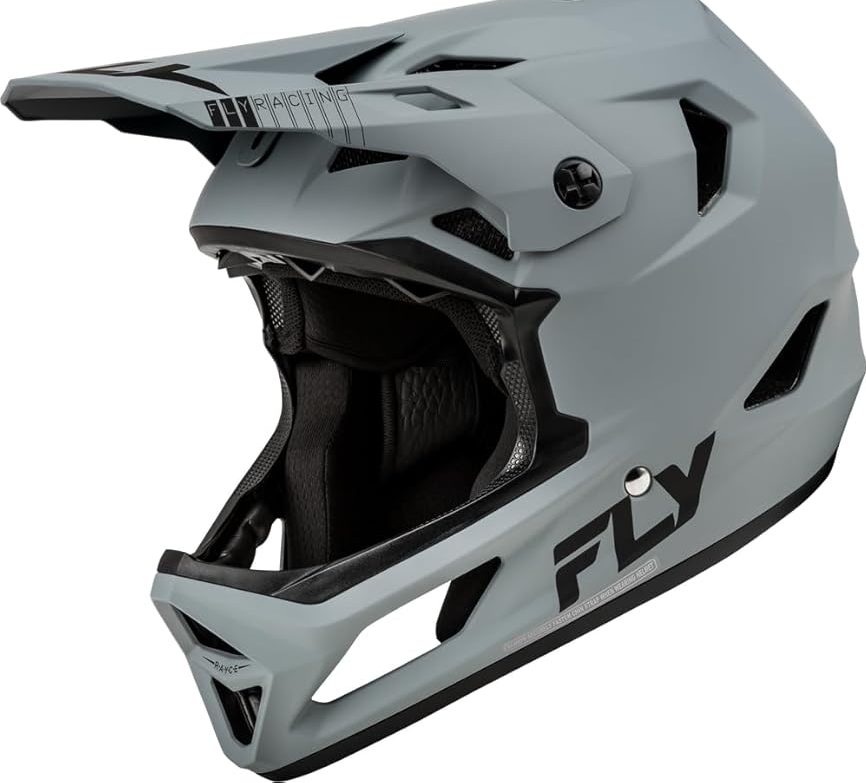

I learned how confusing motorcycle helmet laws can be during a summer road trip a few years ago. I was sitting at a small diner near a state border, sipping coffee and checking my route. A rider at the next table mentioned that the helmet rules would change as soon as I crossed into the next state.
At first, I thought he was joking.
Then I checked the law. He was right.
One state required every rider to wear a helmet. The next state allowed many adults to ride without one. That simple conversation made me realize how many riders are unsure about helmet regulations in the United States.
If you have been searching for what states have helmet laws, you are not alone. Motorcycle helmet laws vary across the country. Some states require helmets for every rider and passenger. Others only require them for younger riders. A few allow most adults to decide for themselves.
Knowing these rules matters. It can help you avoid tickets, stay compliant during interstate travel, and understand how helmet use may affect insurance claims after an accident.
Whether you ride through the humid roads of Florida, the windy plains of Kansas, the mountain passes of Colorado, or the desert highways of Arizona, understanding motorcycle helmet laws is part of being a responsible rider.
This guide explains which states have helmet laws, how those laws work, and what every rider should know before hitting the road.
What States Have Helmet Laws? Quick Answer
The short answer is that helmet laws exist in every state, but they do not all work the same way.
States generally fall into three categories:
- States that require all motorcycle riders to wear helmets.
- States that require helmets only for certain riders, usually based on age.
- States that allow many adults to ride without a helmet.
Because laws can change, riders should always verify current regulations before traveling.
Understanding Motorcycle Helmet Laws in the United States
Motorcycle helmet laws are created at the state level. That means each state decides its own requirements.
This is why a rider can leave one state fully compliant and then cross a border into another state with completely different rules.
When I first researched motorcycle laws, I expected a national standard. Instead, I found a patchwork of regulations that reflected local priorities, safety concerns, and political views.
Some lawmakers focus heavily on reducing injuries and healthcare costs. Others place greater emphasis on personal freedom and rider choice.
The result is a wide range of helmet requirements across America.
Why Helmet Laws Exist?
Helmet laws are designed to reduce serious head injuries during motorcycle accidents.
Motorcycles offer very little physical protection compared to passenger vehicles. Even a low-speed crash can result in significant injuries.
Helmets help absorb impact forces and protect critical areas of the head and face.
That is why helmet regulations continue to be an important topic in motorcycle safety discussions.
Why States Have Different Rules?
Several factors influence helmet laws:
- Public safety goals
- Legislative priorities
- Insurance considerations
- Motorcycle advocacy efforts
- Historical legal decisions
These factors vary from state to state, creating different requirements across the country.
States With Universal Motorcycle Helmet Laws
Universal helmet laws require every motorcycle rider and passenger to wear a helmet, regardless of age or riding experience.
If you ride in one of these states, there is usually no exception based on age.
When I travel through states with universal helmet laws, I notice something interesting. Riders rarely discuss whether they should wear a helmet because the expectation is already clear.
The focus shifts from legal compliance to finding a comfortable, well-fitting helmet.
Benefits of Universal Helmet Laws
Supporters of universal helmet laws often point to several advantages:
- Clear and consistent enforcement
- Reduced confusion for travelers
- Improved rider safety
- Lower risk of severe head injuries
For riders crossing multiple state lines, consistent rules can make trip planning easier.
Passenger Requirements
In most states with universal helmet laws, passengers must also wear approved helmets.
Many new riders focus on their own equipment and forget about passenger requirements. That mistake can lead to fines and legal issues.
Before carrying a passenger, always verify local regulations.
States With Partial Motorcycle Helmet Laws
Partial helmet laws are among the most misunderstood motorcycle regulations.
These laws typically require helmets only for specific groups of riders.
Most often, the requirement applies to younger riders.
Common Age-Based Requirements
Many states require helmets for riders who are:
- Under 18 years old
- Under 21 years old
The exact age varies by state.
This is where confusion often begins.
I once met a rider who assumed that being over 21 automatically exempted him from helmet requirements everywhere. He quickly learned that age exemptions differ significantly depending on location.
Training and Licensing Exceptions
Some states include additional exceptions based on:
- Rider education programs
- Motorcycle endorsements
- Insurance coverage
- Riding experience
Because these requirements vary, riders should not assume that a rule from one state applies elsewhere.
Common Mistakes Riders Make
The most common mistakes include:
- Assuming neighboring states have identical laws
- Forgetting passenger helmet requirements
- Misunderstanding age exemptions
- Failing to check recent legislative updates
A few minutes of research before a trip can prevent these problems.
States Where Adults Can Ride Without a Helmet
Several states allow qualifying adults to ride without a helmet.
This does not necessarily mean there are no rules.
Many of these states still impose conditions related to age, insurance, training, or passenger status.
When I first rode through a state with more relaxed helmet laws, I expected most riders to go without helmets.
That was not what I saw.
Many experienced riders still wore full-face helmets despite having the legal option not to.
Why Many Riders Still Wear Helmets?
There are practical reasons beyond legal compliance.
On a long highway ride, wind noise can become exhausting. Flying insects, loose gravel, sudden rain, and road debris are common hazards.
A helmet helps reduce these everyday risks.
I remember riding through a sudden storm in the Midwest. One minute the sky was clear. Ten minutes later, rain was hitting hard enough to sting exposed skin.
At that moment, I was grateful for every piece of protective gear I was wearing.
Protection Beyond Accidents
Helmets provide benefits even when a crash never happens.
These include:
- Wind protection
- Reduced noise exposure
- Eye and face protection
- Better comfort during long rides
- Protection from weather changes
For many riders, these benefits alone make helmet use worthwhile.
Why Motorcycle Helmets Matter Even When Not Required?
The debate around helmet laws often focuses on legality.
But the practical value of helmets goes beyond legal requirements.
Motorcycle riding exposes people to conditions that drivers in enclosed vehicles rarely experience.
Strong crosswinds. Flying debris. Sudden temperature changes. Road construction zones.
I have encountered all of these during routine rides.
A quality helmet helps create a more controlled and comfortable riding experience.
It can reduce fatigue during long trips and improve concentration by limiting distractions from wind and noise.
For riders who spend hours on highways, these advantages become obvious very quickly.
DOT Helmet Requirements and Legal Standards
Not every helmet sold online is designed for motorcycle use.
This surprises many new riders.
Motorcycle helmets should meet recognized safety standards.
The most common standard in the United States is DOT certification.
DOT stands for the United States Department of Transportation.
A DOT-approved helmet is designed to meet specific safety requirements related to impact protection and retention systems.
Other Safety Certifications
You may also encounter:
- Snell certification
- ECE certification
Many premium helmets carry multiple certifications.
While certification labels are important, proper fit matters just as much.
A loose helmet cannot provide the same level of protection as a properly fitted one.
When I bought my first full-face helmet, I chose a size that felt comfortable in the store. After a few rides, I realized it was slightly too loose.
That experience taught me an important lesson.
Fit is not just about comfort. It is also a safety issue.
Choosing the Right Motorcycle Helmet
Selecting a helmet is not just about style. It is about fit, safety rating, and how it performs in real riding conditions. After a few long rides myself, I realized comfort matters just as much as protection, especially when you are stuck on a highway for hours with wind pressing against your face.
A good helmet should feel snug but not painful. If it moves when you shake your head, it is too loose. If it gives you a headache after 10 minutes, it is too tight.
Full-Face Helmets
Full-face helmets offer the most coverage. They protect the head, chin, and face.
They are often preferred for highway riding because they reduce wind pressure and noise.
- Best for long-distance riders
- Strong protection in crashes
- Better weather resistance
- Slightly heavier than other types
Modular Helmets
Modular helmets can flip up at the front. They offer flexibility between full coverage and open-face use.
- Convenient for short stops
- Easier communication
- Slightly heavier mechanism
- Good balance of comfort and safety
Open-Face Helmets
Open-face helmets cover the top and sides of the head but leave the face exposed.
- More airflow in hot climates
- Less protection for chin and face
- Popular in city riding
- Often paired with goggles
Half Helmets
Half helmets offer minimal coverage and are the lightest option.
- Lightweight and simple
- Least protection among helmet types
- Popular in relaxed riding styles
- More exposure to wind and debris
Key Helmet Features That Matter
A helmet is not just about shape. Small details make a big difference during real rides.
- Proper fit and retention system
- Ventilation for hot weather riding
- Anti-fog and scratch-resistant visor
- Impact-absorbing liner
- Balanced weight for long rides
How Helmet Laws Affect Motorcycle Insurance?
Helmet laws do not just affect whether you wear protective gear. They can also influence what happens after an accident.
When I first learned about this, I assumed insurance would treat every accident the same. In reality, helmet use can play a role in claim evaluations depending on the state.
Insurance Claims After an Accident
Insurance companies often review whether safety gear was used.
In some cases, not wearing a helmet may affect:
- Medical claim evaluations
- Injury compensation
- Settlement amounts
Comparative Negligence Rules
Some states use comparative negligence laws. This means responsibility for an accident can be shared.
For example, if a rider is injured and was not wearing a helmet where it is recommended or required, compensation may be adjusted based on responsibility.
Why This Matters for Riders?
Even when helmet use is optional, insurance outcomes may still be influenced by safety decisions.
This is why many experienced riders continue wearing helmets regardless of legal exemptions.
Traveling Across State Lines With a Motorcycle
Interstate travel is where helmet law confusion happens most often. One route can cross several states, each with different requirements.
I learned this the hard way during a road trip planning session where I had to re-check my entire route twice.
Always Check Laws Before You Ride
Before starting a trip:
- Review state DOT websites
- Confirm current helmet requirements
- Check passenger laws
- Look for recent law updates
Carry a Helmet Even If It Is Optional
Even if your home state allows helmet-free riding, carrying one is smart.
Routes can change unexpectedly due to:
- Weather conditions
- Road closures
- Detours through stricter states
Different Riding Conditions Across States
Helmet comfort also changes based on environment:
- Hot and humid Southern states
- Cold and windy Midwest highways
- Mountain elevation changes
- Dry desert heat in the Southwest
Common Motorcycle Helmet Law Myths
There is a lot of confusion around helmet laws, especially among new riders.
Myth: All States Have the Same Helmet Laws
This is false. Each state sets its own rules.
Myth: No Helmet Law Means No Safety Concern
Even in states without universal laws, accidents still happen. Road risks do not change.
Myth: Any Helmet Sold Online Is Legal
Only helmets that meet DOT or equivalent standards are considered legal for road use.
Myth: Experienced Riders Do Not Need Helmets
Experience reduces risk awareness, but it does not prevent accidents.
Myth: Helmets Limit Visibility
Modern helmets are designed to maintain a wide field of view.
Frequently Asked Questions About Motorcycle Helmet Laws
What states have helmet laws for all motorcycle riders?
Some states require all riders and passengers to wear helmets. These are known as universal helmet law states.
Which states do not require motorcycle helmets?
Several states allow adult riders to ride without helmets under certain conditions, such as age or insurance requirements.
Can riders over 21 legally ride without a helmet?
In some states, yes. However, laws vary, so riders must check local regulations before riding.
Do motorcycle passengers need to wear helmets?
In many states, passengers must follow the same helmet rules as riders.
What qualifies as a DOT-approved helmet?
A DOT-approved helmet meets federal safety standards for impact protection and retention systems.
Can helmet laws affect insurance claims?
Yes. Helmet use may influence injury evaluations and compensation depending on state law.
Are motorcycle helmet laws changing in the United States?
Yes. Some states periodically update their motorcycle safety regulations.
How can I check helmet laws before a trip?
You can review official state transportation or highway safety department websites for current rules.
Related Motorcycle Laws Riders Should Understand
Helmet laws are only one part of motorcycle safety regulations.
Motorcycle License Requirements
Most states require a motorcycle endorsement or separate license class.
Motorcycle Insurance Laws
Liability insurance is required in nearly all states.
Passenger Regulations
Some states have age restrictions for passengers.
Eye Protection Laws
Even where helmets are optional, eye protection is often required.
Lane Splitting and Traffic Rules
Some states allow lane splitting, while others prohibit it.
Final Note From Experience
After riding through different states and studying these laws closely, one thing became clear to me. Helmet laws are not just about legal compliance. They are about understanding risk, preparing for real-world riding conditions, and making informed decisions before you even start the engine.
Every state has its own approach, but every ride shares the same truth. Conditions can change fast, and preparation always matters more than assumptions.

Olivia
Writer at Helmet Today, covering helmet reviews, fit and riding safety.