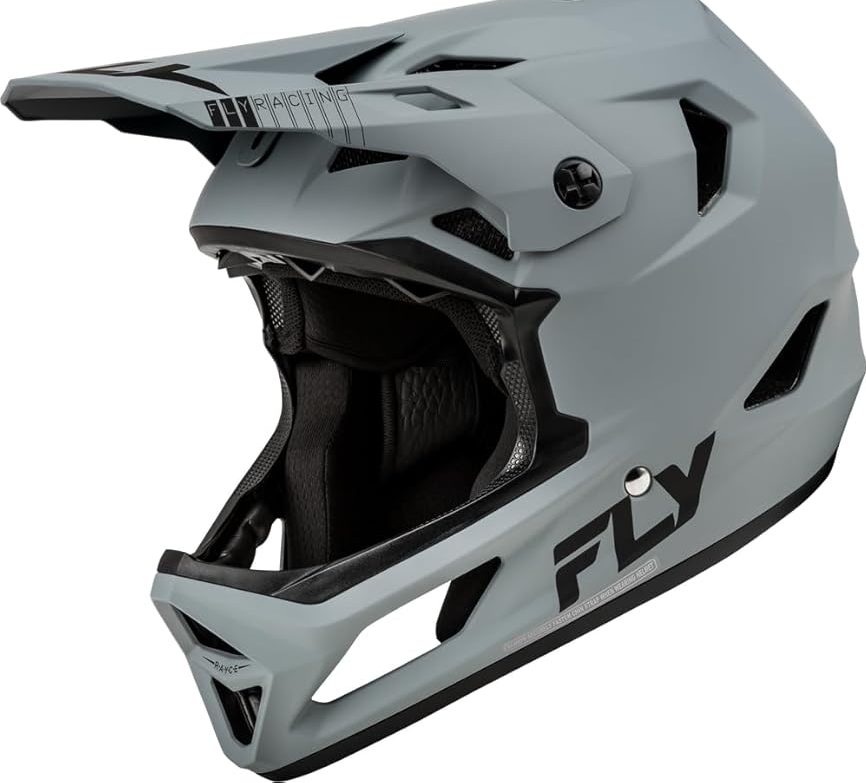

I still remember holding my first football helmet on a late summer afternoon in a high school locker room. The metal benches were hot, the air smelled like turf and sweat, and I was already thinking, “This thing feels heavier than it looks.” That moment made me curious about how much does football helmet weigh and why it matters so much when you are actually out on the field, not just reading specs online.
Over the years, I have seen players in Florida heat struggle with heavy gear, and I have also felt the difference during cold Midwest practices where everything feels tighter and slower. Even something as simple as helmet weight can change how fast you react, how long you last, and how your neck feels after practice.
This guide comes from that kind of real experience. Not just numbers, but real field feel, real sweat, and real “why does my neck hurt” moments after practice.
How Much Does Football Helmet Weigh? Quick Answer
This section gives a direct answer so readers get clarity fast before deeper details.
Most football helmets weigh between 3 to 6 pounds depending on level and design.
Typical Weight Range by Level
- Youth helmets: 3 to 4 lbs
- High school helmets: 4 to 5 lbs
- College and pro helmets: 4.5 to 6 lbs
Real Field Feeling
When you actually put one on, it never feels like “just 4 pounds.” It feels heavier after 2 hours of drills, especially under hot sun or during full-contact practice.
Understanding Football Helmet Weight and Design
This section explains why helmets are built the way they are and how weight is distributed.
Football helmets are not just hard shells. They are engineered safety systems.
Core Materials Used
- Polycarbonate shell for impact resistance
- EPS foam padding for shock absorption
- Face masks made of steel or titanium
Why Weight Is Distributed, Not Just Measured
- Pressure spreads across head and neck
- Padding adds comfort but also weight
- Face mask design affects balance
Personal Locker Room Moment
I once swapped helmets with a teammate for one drill. His helmet felt slightly lighter, but the balance was off. It kept pulling forward like it had its own idea of where my head should be.
Why Football Helmet Weight Matters on the Field?
This section connects weight to real performance, not just specs.
Helmet weight affects movement, endurance, and reaction time.
Performance Impact Areas
- Neck fatigue during long practices
- Speed of head movement
- Balance during tackles
- Focus under pressure
Real Practice Experience
In Florida summer training, heat makes everything feel heavier. A helmet that feels fine at 8 AM feels like double weight by noon.
Football Helmet Weight by Level of Play
This section breaks down differences between youth, high school, college, and NFL gear.
Youth Football Helmets
- Lightweight build for safety
- Easier neck control
- Designed for developing players
High School Helmets
- More protection layers added
- Balanced for speed and safety
- Slightly heavier face masks
College and NFL Helmets
- Advanced impact protection
- Custom padding systems
- Heavier due to safety standards
Small Reality Check
Higher level does not always mean “feels better.” Sometimes it just means “protects more and weighs more.”
Factors That Affect Football Helmet Weight
This section explains what actually changes helmet weight beyond just category.
Material Choices
- Carbon fiber vs polycarbonate
- Steel vs titanium face masks
Helmet Size and Fit
- Larger helmets weigh more
- Extra padding adds weight
- Custom fit systems change balance
Added Equipment
- Visors
- Communication systems in pro helmets
- Extra chin protection
Real Experience With Helmet Weight in Different Conditions
This section adds sensory detail and real-life environment differences.
Hot Weather Games
- Sweat builds quickly
- Helmet feels heavier over time
- Neck fatigue increases
Cold Weather Practices
- Gear feels tighter
- Less sweat but more stiffness
- Slower movement response
Dry Conditions Like Arizona Fields
- Dust adds distraction
- Helmet ventilation becomes key
- Dry air feels easier but deceptive
Common Misunderstandings About Helmet Weight
This section clears confusion players often have.
Myth: All Helmets Weigh the Same
- False. Weight varies widely
Myth: Lighter Always Means Safer
- Not true. Safety design matters more
Myth: Weight Does Not Affect Performance
- Wrong. It affects fatigue and reaction time
Choosing the Right Football Helmet Based on Weight
This section gives practical advice for players and parents.
What to Look For
- Proper balance, not just low weight
- Certified safety standards
- Comfortable fit over long use
Player-Level Considerations
- Youth players need lighter designs
- Linemen may prefer stronger protection
- Skill players need balance and mobility
Simple Field Insight
A helmet that feels perfect in the store can feel very different after 30 minutes of drills.
Frequently Asked Questions
How much does a football helmet weigh on average?
Most football helmets weigh between 3 and 6 pounds depending on level and design.
Are NFL helmets heavier than high school helmets?
Yes, NFL helmets often weigh more due to advanced protection systems.
Does helmet weight affect performance?
Yes, heavier helmets can increase fatigue and affect movement speed.
What is the lightest football helmet type?
Youth and lightweight carbon fiber helmets are among the lightest options.
Why do helmets feel heavier during practice?
Heat, sweat, and long use increase fatigue, making helmets feel heavier.

Olivia
Writer at Helmet Today, covering helmet reviews, fit and riding safety.