Sometimes — whether a rental scooter requires a helmet depends on the city and state you are riding in, not on a single national rule. In general terms, some cities and states require helmets for shared scooter riders (often for younger riders), many do not require them for adults, and the rental companies themselves almost never hand you a helmet with the scooter. If you want head protection on a shared scooter, you usually have to bring your own.
This confuses a lot of first-time riders. You unlock a scooter with an app, the app shows safety messages, but no helmet appears — so is one required? The answer sits at the intersection of local law, the operator’s terms of service, and plain practicality. This guide explains how the rules work, why operators rarely provide helmets, and how to stay both legal and protected when you ride a shared scooter.
Who Actually Sets Helmet Rules for Rental Scooters?
In the United States there is no federal helmet law for electric scooters. The rules are set by states and, very often, by individual cities — and cities frequently attach conditions to the permits that let shared scooter companies operate on their streets. That is why the answer changes when you cross a city line: one city may require helmets for all shared scooter riders, its neighbor may require them only for riders under a certain age, and another may have no requirement at all.
States add another layer. Some states classify e-scooters alongside bicycles and apply bicycle-style rules, some set their own scooter-specific rules, and some leave the question almost entirely to cities. The pattern to remember is that the rule follows the place, not the scooter brand — the same company’s scooters can operate under different helmet rules in different cities.
Because rules also change over time as cities revise their permits, the only reliable way to know the rule for your ride today is to check the app before you ride and your city or state’s current guidance. Treat any general article, including this one, as background rather than a legal answer for your street.
Do the Rental Companies Require Helmets Themselves?
Separate from the law, operators set terms of service you agree to when you unlock a scooter. In general terms, shared scooter companies strongly recommend helmets in their apps, safety pages, and in-app pop-ups, and their agreements typically require riders to follow local laws — which quietly imports whatever your city’s rule is into your contract with the company.
Some operators go further in particular cities where their permit requires it, building helmet reminders or self-certification steps into the unlock flow. But a recommendation in an app is not the same as the company enforcing or supplying anything. In practice, enforcement of any helmet rule falls to local authorities, and the company’s role is mostly reminders and education.
The practical takeaway: read the safety screen instead of tapping through it. It will usually tell you the local expectation, and if a helmet is legally required where you are, the app is the fastest place that fact will surface.
Why Don’t Rental Scooters Come With Helmets?
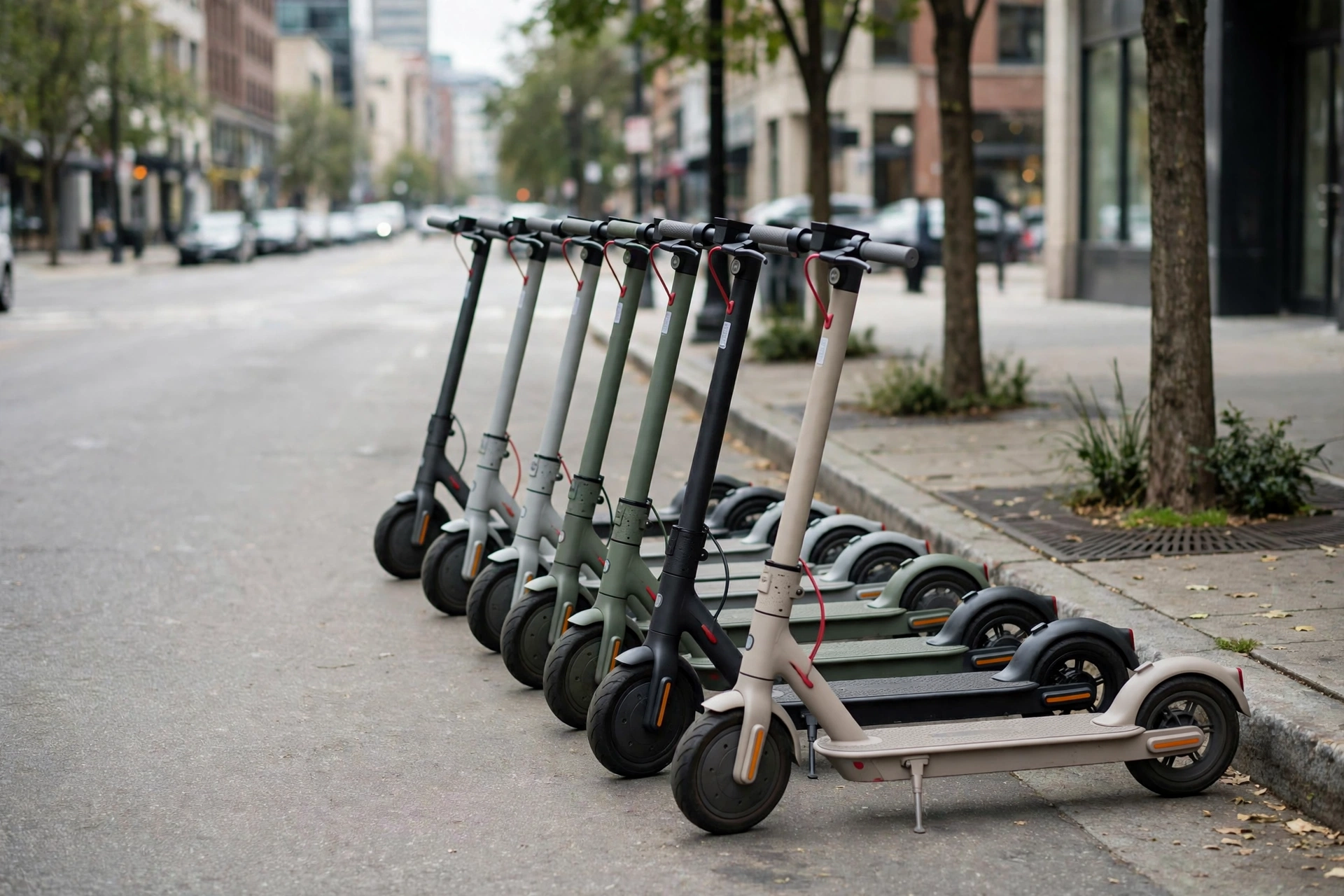
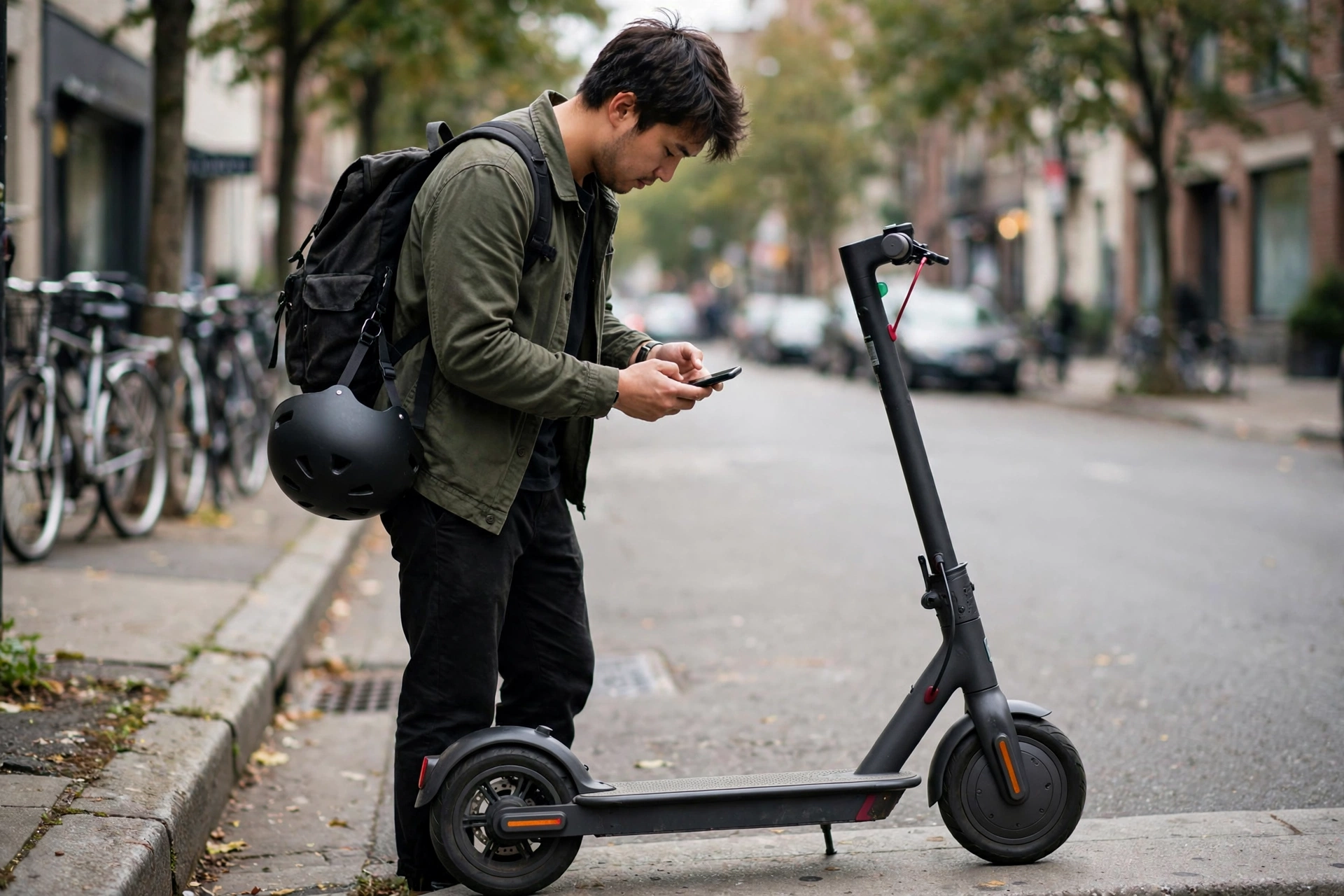
The honest answer is practicality and hygiene. A helmet only protects when it fits the rider’s head, and a single shared helmet cannot fit every rider. Operators would need to stock, clean, inspect, and replace helmets at every scooter, and a helmet of unknown history — possibly already crashed — is questionable protection anyway. Helmets attached to scooters also get stolen, vandalized, and weather-damaged quickly.
There have been exceptions and experiments. In general terms, some operators and cities have run free helmet giveaway programs, pop-up distribution events, or discount partnerships with helmet retailers to get helmets into riders’ hands, and some have trialed helmets attached to scooters in limited pilots. But the everyday reality of shared scooters is dockless and helmet-free: the scooter is provided, the helmet is up to you.
This is one reason experienced shared-scooter riders who ride daily often buy an inexpensive certified helmet of their own. It fits, its history is known, and it satisfies any local rule — and as our guide to MIPS and modern helmet features explains, even budget certified helmets now include genuinely useful safety technology.
What Happens If You Ride Without a Helmet Where One Is Required?
In a city or state with a helmet requirement, riding bare-headed exposes you to the ordinary consequences of breaking a traffic rule — in general terms, a stop and a citation are possible, with the specifics set by local law. This article deliberately avoids quoting fine amounts or exact penalties, because they vary widely and change; check your local code if you need the precise picture.
The less obvious consequences involve liability. If you are hurt in a crash while riding without a legally required helmet, the missing helmet can become an argument in insurance and legal disputes about your injuries. The details are case-specific, but riders should understand that “nobody enforces it” is not the same as “there is no risk.”
And beneath the legal layer sits the physical one, which does not vary by city: scooter falls happen at close range to curbs, posts, and pavement, and a head injury does not care whether your city required a helmet or not.
How Can You Ride a Rental Scooter Safely and Legally?
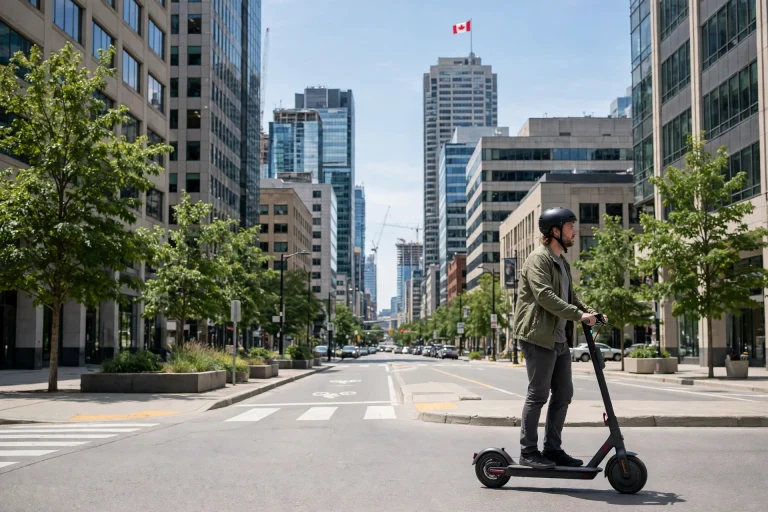
Make a two-minute habit of it. Before unlocking, check the app’s safety information for the local helmet rule. If a helmet is required — or if you simply want the protection, which is the smarter default — use your own certified bike or skate helmet. Regular riders can keep a lightweight helmet in a bag or at the office; occasional riders should at least know that the scooter will not provide one.
Beyond the helmet, the same habits that protect cyclists apply: ride in bike lanes where they exist, slow down for wet pavement and gravel, watch for car doors, and be extra careful on the first ride with any scooter, since throttle and brake feel vary between models. Small wheels are unforgiving of potholes, so scan the surface ahead, not just the traffic.
Finally, remember that rules differ when you travel. A helmet habit that is optional at home may be legally required in the city you are visiting. Bringing your own helmet when you travel is the simplest way to never have to think about it.
Frequently Asked Questions
Q: Do rental scooter companies provide helmets?
A: Almost never with the scooter itself. In general terms, operators recommend helmets but do not supply them, aside from occasional giveaway programs or limited pilots in some cities. Plan to bring your own.
Q: Is a helmet legally required to ride a shared e-scooter?
A: It depends entirely on your city and state. Some places require helmets for all riders or for younger riders; many have no adult requirement. Check the rental app and local rules before you ride.
Q: What kind of helmet should I use with a rental scooter?
A: Any certified bicycle or skate helmet that fits you properly. Shared scooters travel at bicycle-like speeds, so a standard certified bike helmet is the appropriate, practical choice.

Olivia
Writer at Helmet Today, covering helmet reviews, fit and riding safety.