Checking whether your helmet has been recalled takes three pieces of information — the brand, the model, and the manufacture date from the label inside the helmet — and a few minutes with the US Consumer Product Safety Commission’s recall listings and the manufacturer’s own website. Recalls are issued when a helmet is found to have a defect that could stop it protecting you as certified, and in general terms the maker’s remedy is a replacement helmet or a refund. If your helmet turns up in a recall notice, stop using it and follow that remedy.
Helmet recalls are not common, but they do happen across bicycle, motorcycle, and children’s helmets, and most riders would never hear about one unless they went looking. This guide shows exactly where to look, what details you need in hand before you start, and what to do if your helmet is on the list.
What Information Do You Need Before You Check?
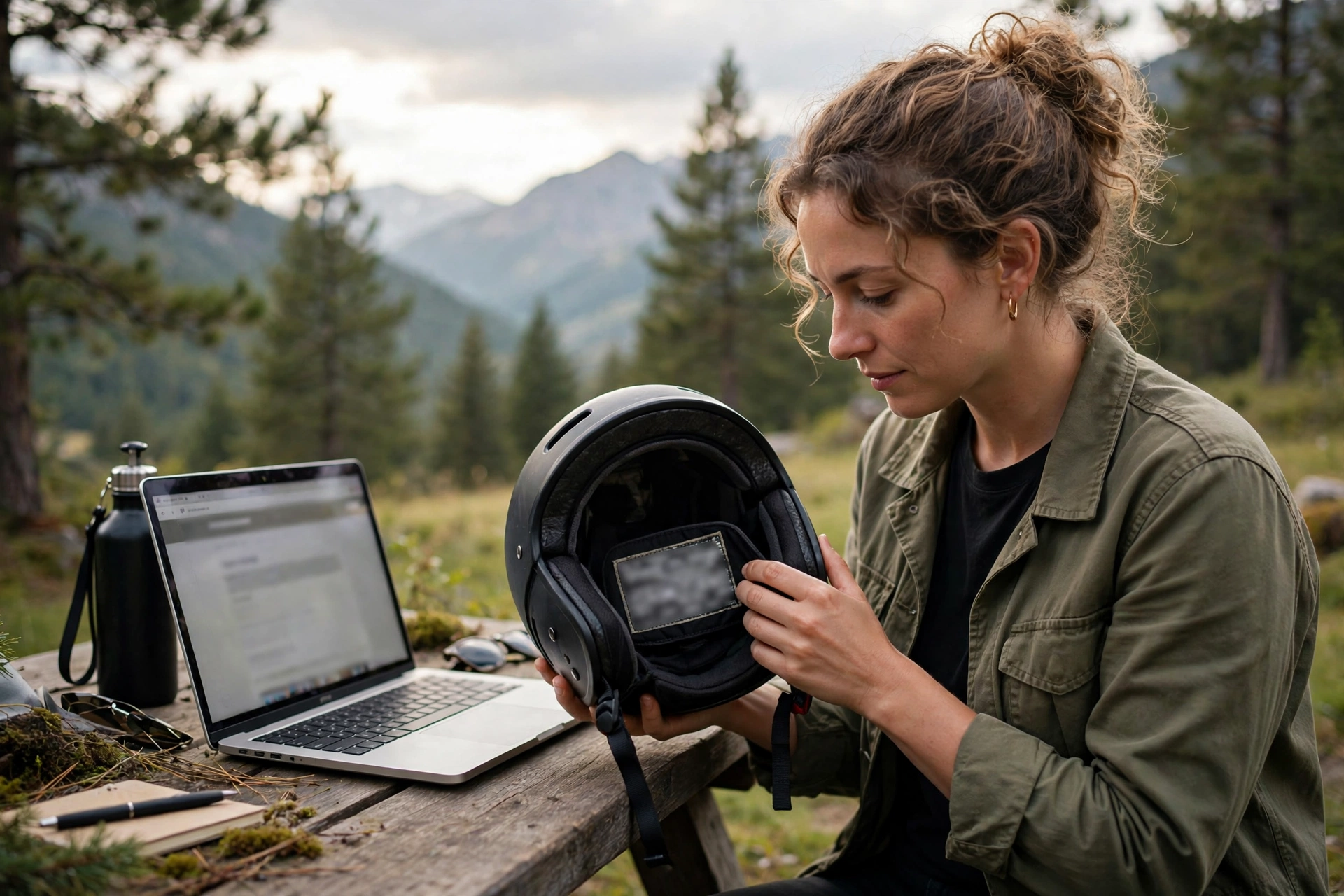
Everything you need is printed on the labels inside the helmet. Find the maker’s name, the exact model name or model number, the size, and the month and year of manufacture. Recall notices are precise: they typically name specific models, sometimes in specific sizes or colors, and often only those made during a particular date window. A helmet of the right model but made outside the affected window is usually not part of the recall — and the reverse is also true, so guessing helps nobody.
If you cannot find the labels, check under the removable comfort liner and on the foam near the back of the helmet, the most common hiding places. Our guide to reading the labels inside your helmet walks through where each piece of information lives; the key point here is that without the model and date, no recall check can be conclusive.
Photograph the labels once you have found them. If the print fades later, you will still have the details you need for recall checks, warranty questions, and replacement decisions.
Where Are Helmet Recalls Listed?
In the United States, the central listing is kept by the Consumer Product Safety Commission, which publishes product recalls — including bicycle and other helmets — through its recall announcements and searchable databases, in general terms via its saferproducts and recalls listings. Searching that system by the manufacturer’s name and the word “helmet” will surface any CPSC recall involving your brand.
The second place to check is the manufacturer itself. Brands maintain their own recall and safety-notice pages, and a maker’s notice often appears before or alongside the official listing, with the most direct instructions for owners. Motorcycle helmet recalls can also involve vehicle-safety channels, but the manufacturer check covers the practical route for owners in general terms.
Do both checks rather than either one. The CPSC listing is the authoritative record; the manufacturer’s page is usually where the remedy — how to get the replacement or refund — is actually processed. Searching a general web search for your brand, model, and the word “recall” is a good way to find both quickly.
How Do You Match Your Helmet to a Recall Notice?
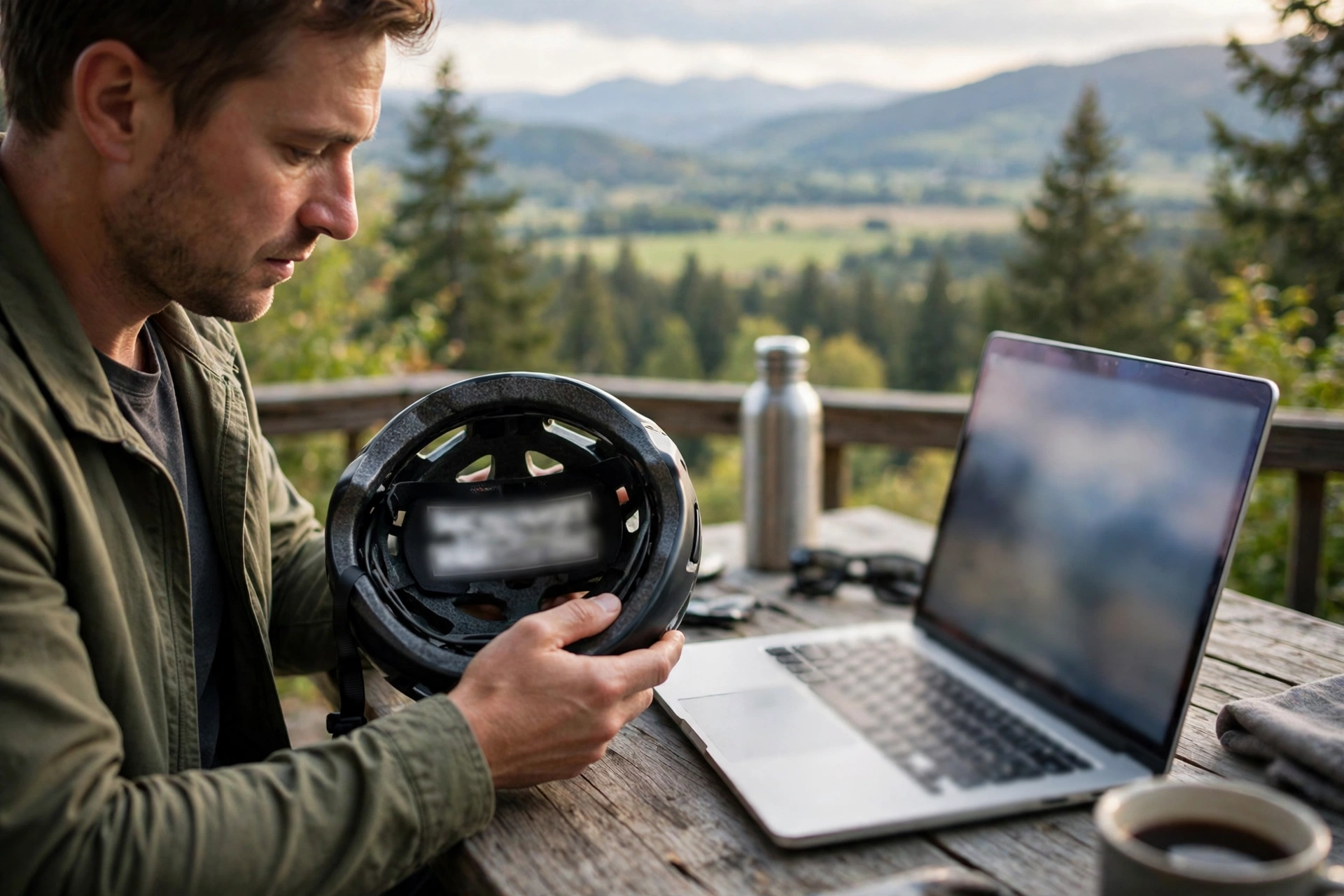
Read the notice carefully and compare line by line: brand, model name or number, size range, color or graphic where specified, and the manufacture date range. All of them should match before you conclude your helmet is affected. Recall notices often include photographs of the affected helmets and their labels, which makes this comparison much easier — hold your helmet’s label up against the pictures.
Pay special attention to the date window. Manufacturers often narrow a recall to helmets produced between two dates when a production problem was identified, so a helmet made a month outside the window is genuinely a different case from one made inside it. This is exactly why the manufacture date inside the helmet matters so much.
If everything matches but one detail is unclear — say the model name on your faded label is half-legible — contact the manufacturer’s customer service with the details you do have, including the serial or production codes if present. They can confirm whether your individual helmet is included. When in doubt, ask rather than assume either way.
What Should You Do If Your Helmet Is Recalled?
Stop using it. A recall means the certifying performance of the helmet is in question — the defect might involve straps, buckles, the liner, or the shell — and the whole point of the notice is that the helmet should come out of service. Do not keep riding in it while you “wait and see,” and do not pass it on to another rider.
Then follow the manufacturer’s remedy exactly as described in the notice. In general terms, the remedy for a recalled helmet is a free replacement helmet or a refund, sometimes with instructions to return the helmet or to destroy it and provide evidence. Register the claim through the maker’s recall page or hotline rather than through the shop, unless the notice directs you to a retailer.
Also resist the temptation to fix the defect yourself. Even if the problem looks simple — a buckle, a strap anchor — a home repair does not restore the helmet’s certified status, and safety features inside the helmet interact in ways that are not obvious; even the low-friction layer described in our guide to how MIPS helmet technology works depends on the helmet around it staying exactly as tested. The replacement route exists precisely so you do not have to improvise.
How Can You Hear About Recalls Without Searching Every Month?
The easiest safeguard is to register your purchase. Many manufacturers invite owners to register a helmet’s model and manufacture details after buying, and registered owners can be contacted directly if a recall is issued. Keeping your receipt and a photo of the labels makes any future claim faster too.
Beyond that, a quick check once or twice a year is enough for most riders. Pick a moment you will remember — when you do your seasonal helmet inspection and cleaning, for example — and run the brand-and-model search again. That inspection is worthwhile anyway: it is when you check strap condition, foam condition, and fit, and reconsider the helmet’s age.
Finally, buy from reputable dealers in the first place. Established retailers and brands support their products with registration, notices, and remedy programs. A helmet from an unknown seller with no label trail behind it is hard to check against any recall — one more reason the bargain no-name helmet is rarely the saving it appears to be.
Frequently Asked Questions
Q: Where is the first place I should check for a helmet recall?
A: The CPSC’s recall listings in the US, searched by brand and model, and the manufacturer’s own recall or safety page. Do both: the CPSC record is authoritative, and the maker usually handles the replacement or refund.
Q: My helmet’s model was recalled, but mine was made after the dates listed. Am I affected?
A: In general terms, no — recalls are usually limited to a specific production window, and a helmet made outside it is not included. Compare your label’s manufacture date with the notice carefully, and contact the manufacturer if anything is unclear.
Q: What does the manufacturer usually offer for a recalled helmet?
A: In general terms, a free replacement helmet or a refund, following the instructions in the recall notice. Stop using the helmet as soon as you confirm it is included, and do not try to repair the defect yourself.

Olivia
Writer at Helmet Today, covering helmet reviews, fit and riding safety.