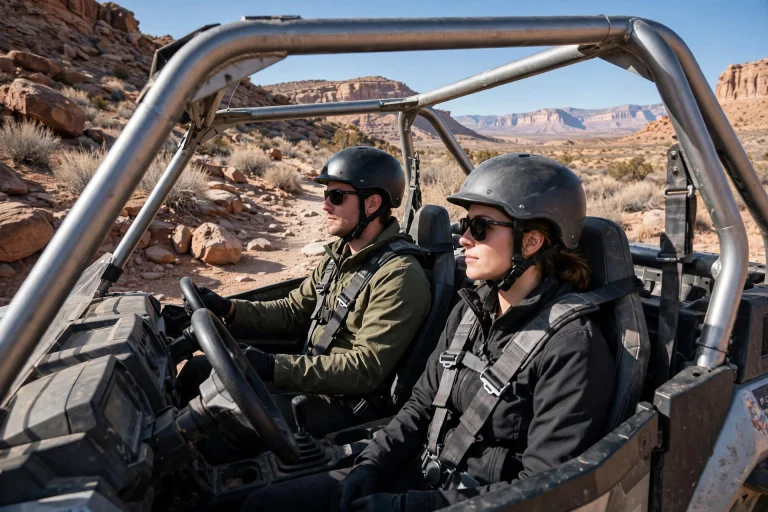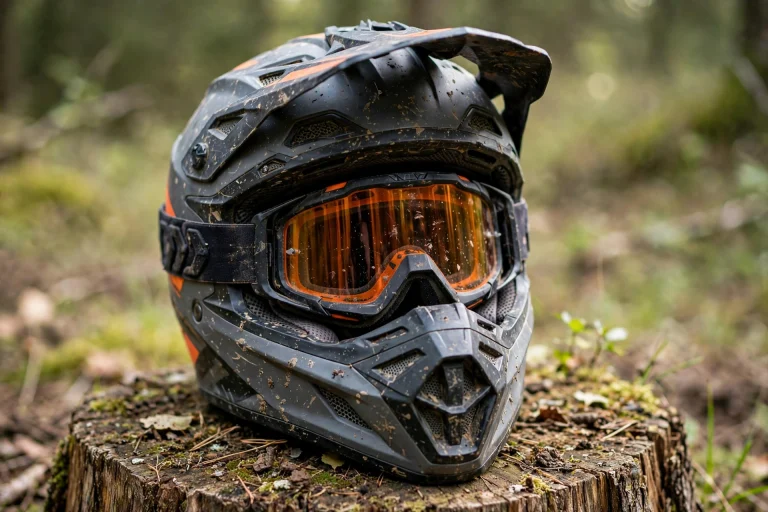
An ATV helmet should carry a recognized safety certification — in the United States that means a DOT label as the baseline, with Snell or ECE certification as respected alternatives or additions found on many off-road helmets. What matters is that the helmet has genuinely been tested and certified to a real standard, which you can verify from the labels inside and on the back of the helmet. An uncertified novelty helmet, however good it looks, has no tested protection behind it.
Certification labels are small, easy to overlook, and genuinely confusing — DOT, ECE, Snell, different stickers in different places. Here is what each one means and how to check the helmet in your hands.
What Does DOT Certification Mean for an ATV Helmet?
DOT refers to the United States Department of Transportation’s federal motorcycle helmet standard. In general terms, a DOT-labeled helmet is the maker declaring that the model meets that standard’s requirements for impact absorption, penetration resistance, and strap strength — the baseline expectation for a helmet sold for motorized riding in the US.
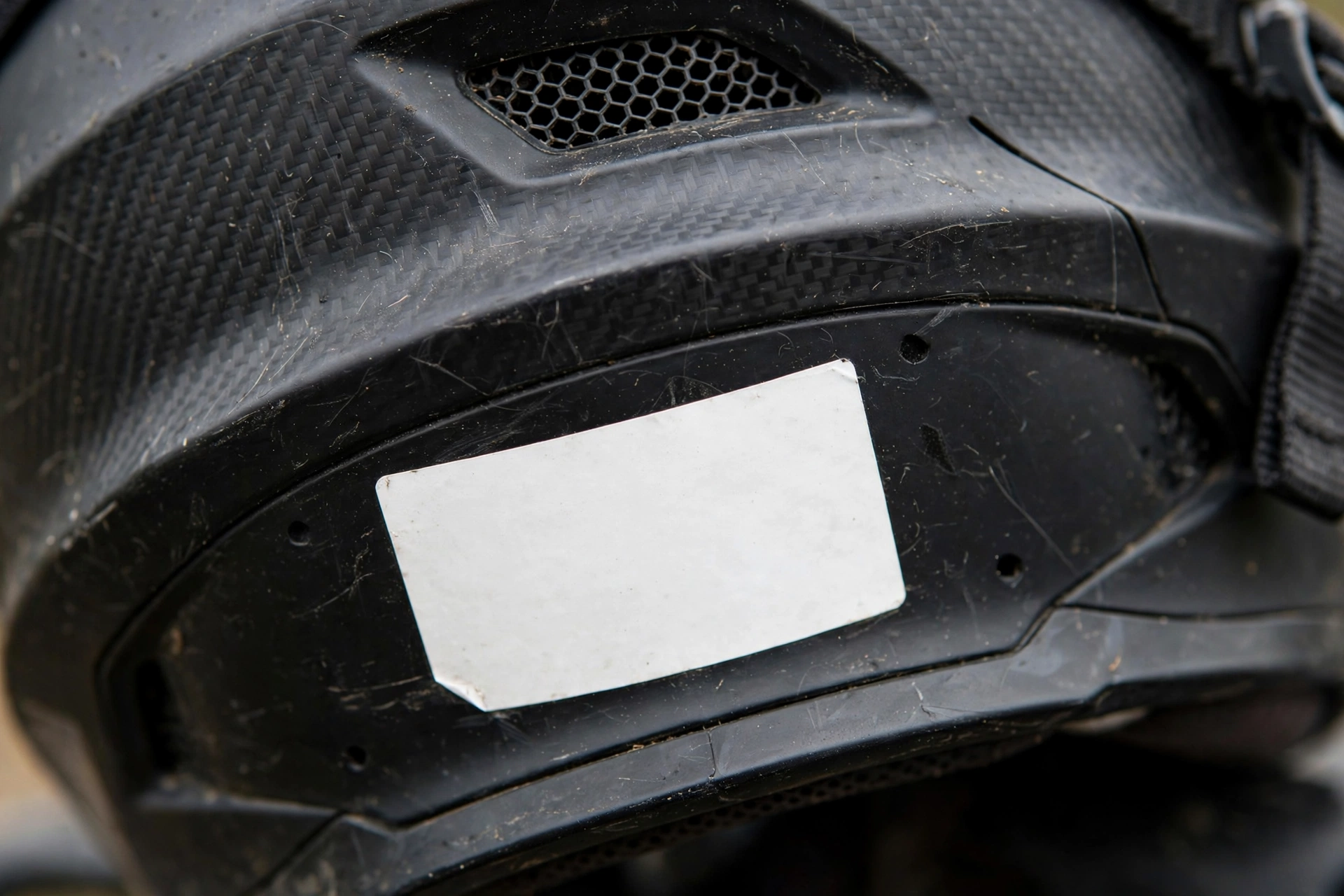
For ATV riders, the DOT label is the floor to insist on. It appears as a sticker on the back of the helmet, and a genuine helmet will also carry the maker’s label inside with the model, size, and date of manufacture. Helmets sold as novelties or costume items, without that certification, are not protective equipment in any meaningful sense.
Requirements for riders vary by place and situation, and land managers, event organizers, and parks may ask for certified helmets — in general terms, a DOT-certified (or better) helmet is the answer that satisfies nearly every one of those checks.
What Are Snell and ECE Certifications?
Snell is an independent, non-profit testing foundation whose standards are voluntary and in general terms considered more demanding than the baseline, with helmets submitted for testing and follow-up checks. A Snell label inside an off-road helmet signals a maker aiming above the minimum, and many competition bodies look for it.
ECE is the European standard, widespread worldwide and carried by many helmets sold in the US market as well; an ECE-certified helmet has passed a full type-approval test regime before sale, and the approval label is sewn into the strap or liner area. Riders choosing between the labels will find endless debate, but in practical terms a helmet certified to any of these recognized standards is a tested helmet, and that is the important line.
Many good off-road helmets carry more than one certification. What you should not accept is a helmet with no recognizable certification at all, or one whose “certification” is a vague claim printed on the box with no label on the helmet itself.
How Can You Check a Helmet Is Genuinely Certified?
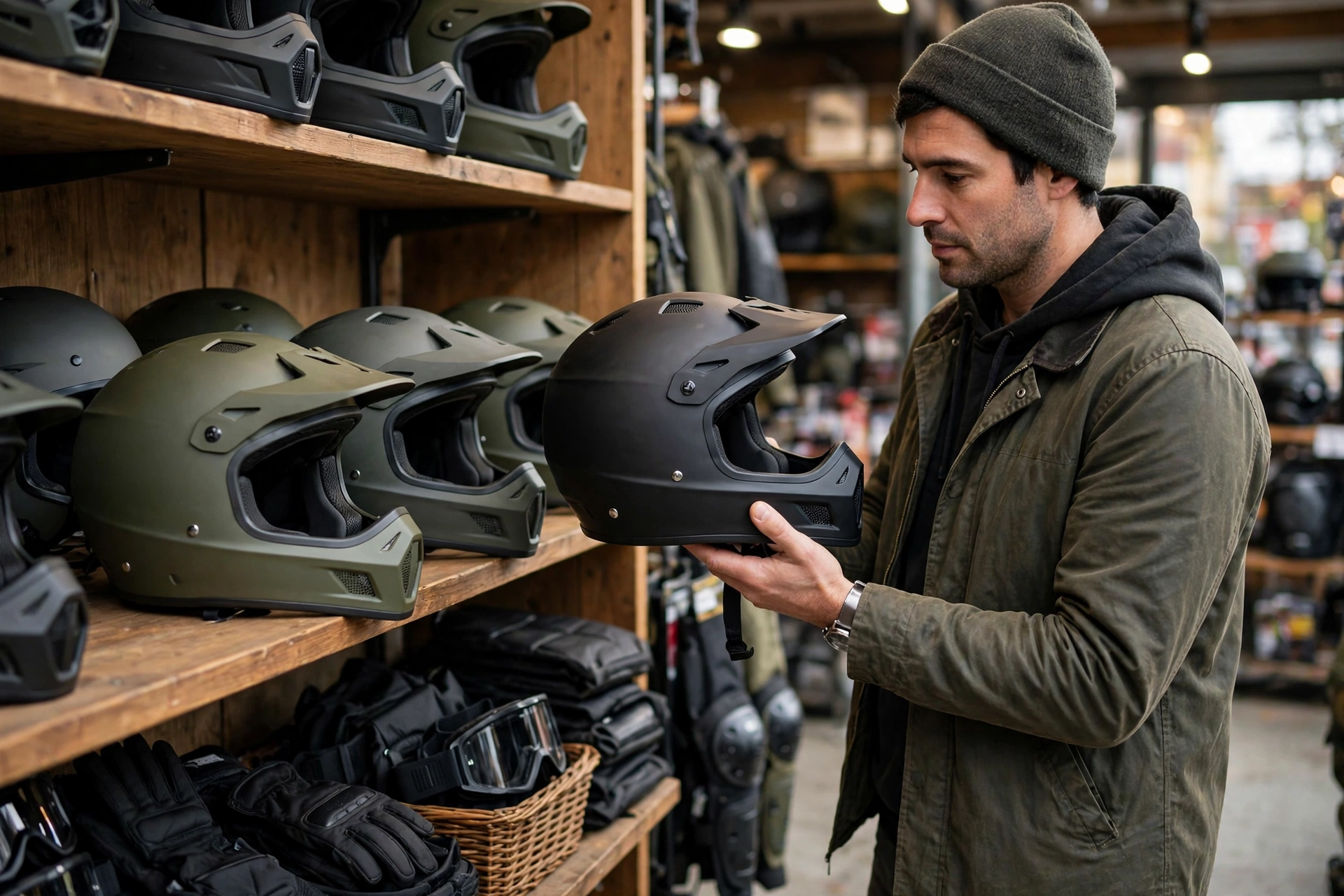
Look for the full set of markings, not just one sticker. A genuinely certified helmet has the certification label (DOT on the rear, and/or the ECE or Snell label inside), plus the maker’s own label with brand, model, size, and production date. Missing, misspelled, or add-on-looking labels are warning signs.
Weight and construction are informal checks. A certified full-face helmet has a substantial energy-absorbing foam liner — thick, firm foam you can see and feel inside the shell. Helmets that feel like thin plastic shells with a layer of soft padding are built to look like helmets, not to perform like them, and they are the ones sold without certification.
Buy from reputable makers and sellers, where certification can be taken at face value. If a price looks implausibly low for a full-face certified helmet from an unknown brand, the certification is exactly where the corners are likely to have been cut.
Certification also matters for a practical reason riders meet sooner than a crash: other organizations rely on it. In general terms, riding parks, tour and rental operators, race and event organizers, and land managers commonly require certified helmets as a condition of riding, and a helmet without a genuine label can see you turned away at the gate. Insurance and liability questions after an incident can likewise turn on whether the helmet was certified and in proper use. None of that is the main reason to insist on certification — your head is — but it means the label earns its keep on ordinary weekends too, not only on the worst one. When in doubt about a model, the maker’s own documentation lists the certifications it carries, and a quick check there beats trusting the sticker alone.
Does Certification Cover Fit and Condition as Well?
No — certification tests the model, not your individual helmet, and it cannot protect you if the helmet does not fit or is worn out. A certified helmet that is two sizes too big, worn with the strap loose, or with an aged and brittle foam liner gives up much of what the label promises.
So certification is step one, not the whole decision. Fit the helmet snugly, replace it after a crash or when it ages out, and consider how the helmet manages the twisting forces of an angled fall — certified helmets increasingly add rotational-impact liners like MIPS on top of the standard impact performance, addressing a kind of motion the basic tests historically measured less directly.
The complete check is short: a real certification label, a sound fit, a helmet in good condition. Get those three together and the label on the back actually means something on the trail.
It is also worth checking certification when you buy second-hand or borrow a helmet. Labels can be read in seconds, and that quick look tells you whether the helmet in your hands was ever tested at all — and roughly how old it is, from the production date printed alongside.
Frequently Asked Questions
Q: Is DOT enough, or should I look for Snell?
A: DOT is the accepted baseline in the US and a DOT-certified helmet is a genuinely tested helmet. Snell certification is a voluntary, more demanding extra that many riders and race organizers value. Either puts you far ahead of an uncertified helmet.
Q: Can a helmet be ECE certified and sold in the US?
A: Yes. Many helmets sold in the US carry ECE approval, sometimes alongside DOT. Both are recognized test standards; what matters is that the helmet genuinely carries one of them from a reputable maker.
Q: My helmet’s DOT sticker fell off. Is it still certified?
A: The sticker is the visible mark, but the maker’s label inside the liner identifies the model and its certification. If the inner labels are intact and the helmet is from a reputable maker, it is the same helmet — but replace any helmet whose labels and history you cannot identify at all.

Olivia
Writer at Helmet Today, covering helmet reviews, fit and riding safety.