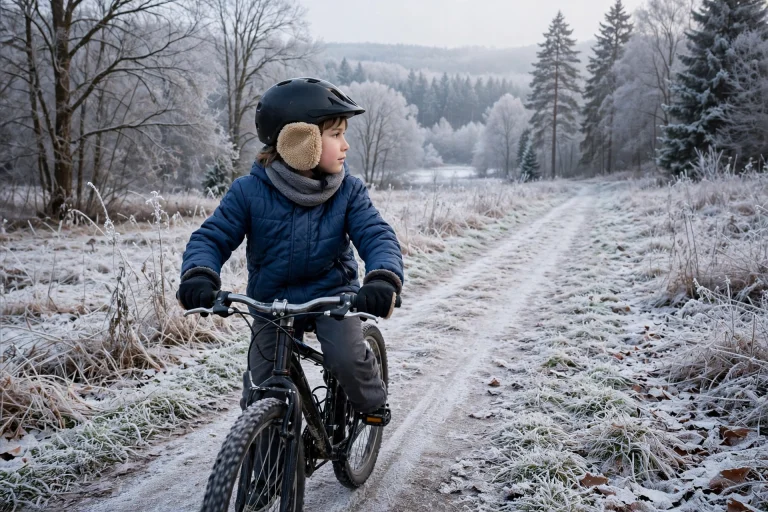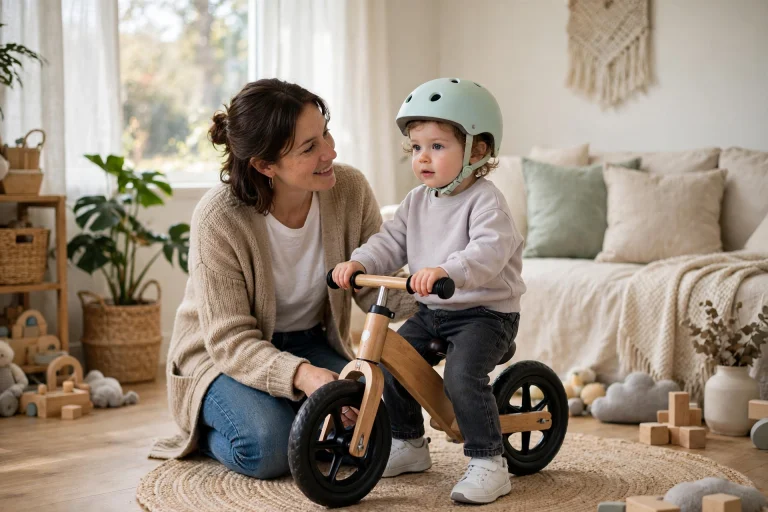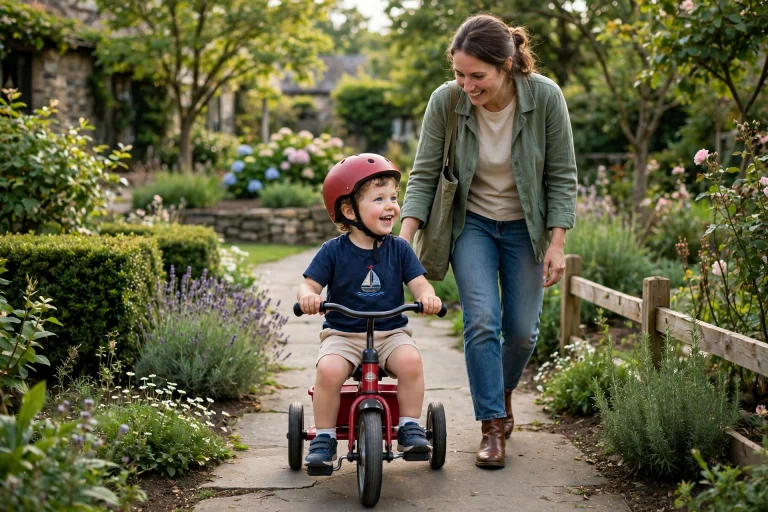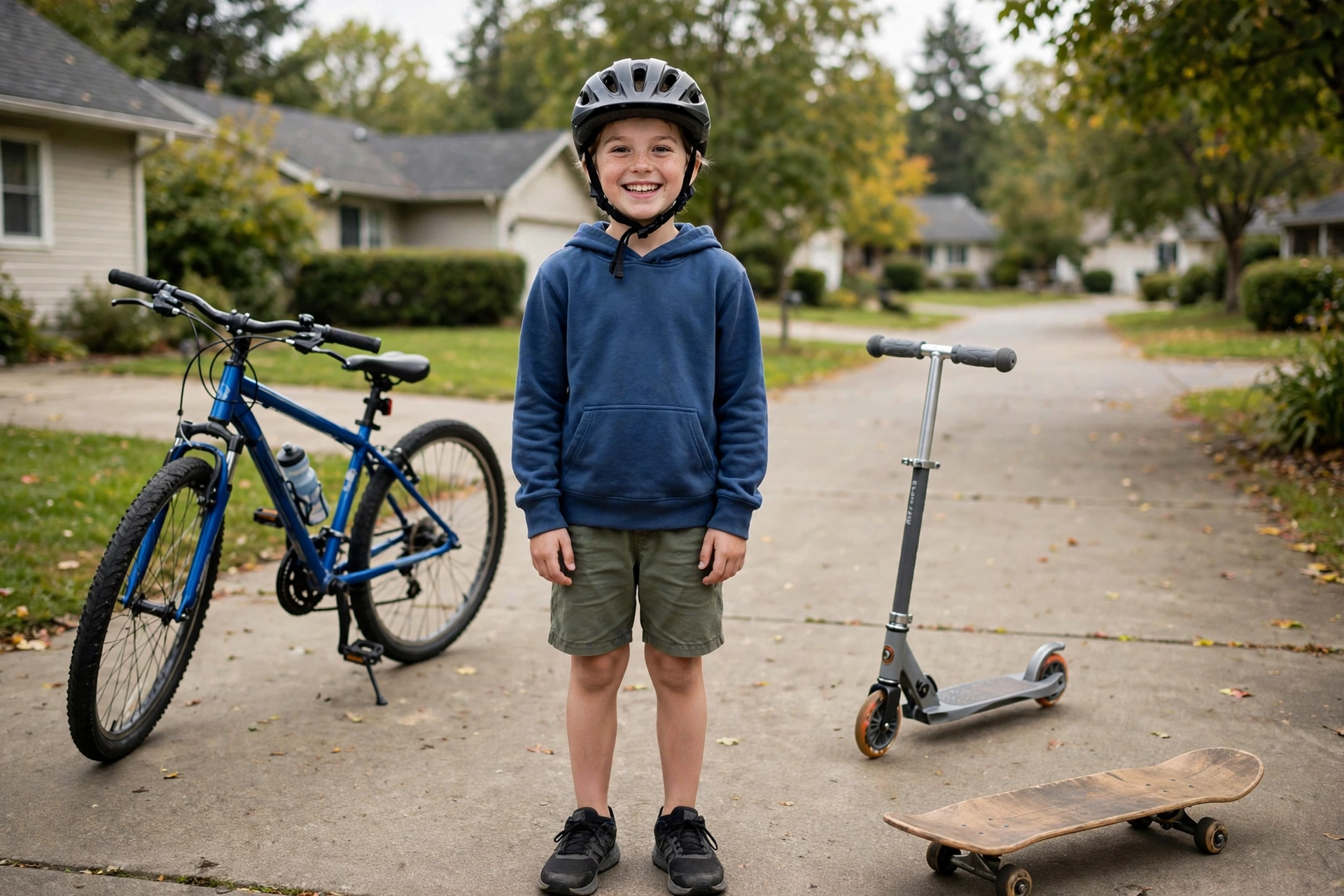
In general terms, yes — one helmet can work for a child who does several sports, provided it is certified for each sport they play and it fits properly. A multi-sport helmet is designed to cover the kinds of falls common to cycling, skating, and scootering, so it can be a practical and affordable choice for a busy family. The key is to check the certifications carefully, because not every helmet is approved for every sport, and a helmet made only for cycling should not be assumed safe for other activities.
Buying a separate helmet for every sport quickly becomes expensive, and children outgrow helmets fast. That is why multi-sport helmets exist. They offer a single, well-fitting helmet that a child can grab for a bike ride, a scooter trip, or a skating session. But convenience only helps if the helmet genuinely suits each sport. A little homework before buying — checking the labels inside the helmet and matching them to your child’s sports — saves you from buying twice or, worse, relying on a helmet in a sport it was never designed for.
Can one helmet really cover several sports?
Yes, in many common combinations. Helmets labelled as multi-sport are typically certified for cycling, inline skating, and scootering, which are the sports most children mix. These activities share a similar fall pattern: a forward or sideways fall at moderate speed onto a hard surface. A helmet designed for that pattern can therefore serve all three reasonably well. The important step is to read the certification labels inside the helmet or on its packaging, rather than trusting the word “multi-sport” on the box alone.
Some sports, however, need their own helmet. Contact sports, equestrian riding, skiing, and motorsports each involve different impact patterns and their own safety standards, and a cycling or multi-sport helmet is not a substitute. If your child plays one of those sports alongside cycling, they will need a dedicated helmet for that sport. When in doubt, ask the coach, club, or retailer which standard applies, and check that the helmet you are considering meets it.
Which sports can share a helmet, and which cannot?
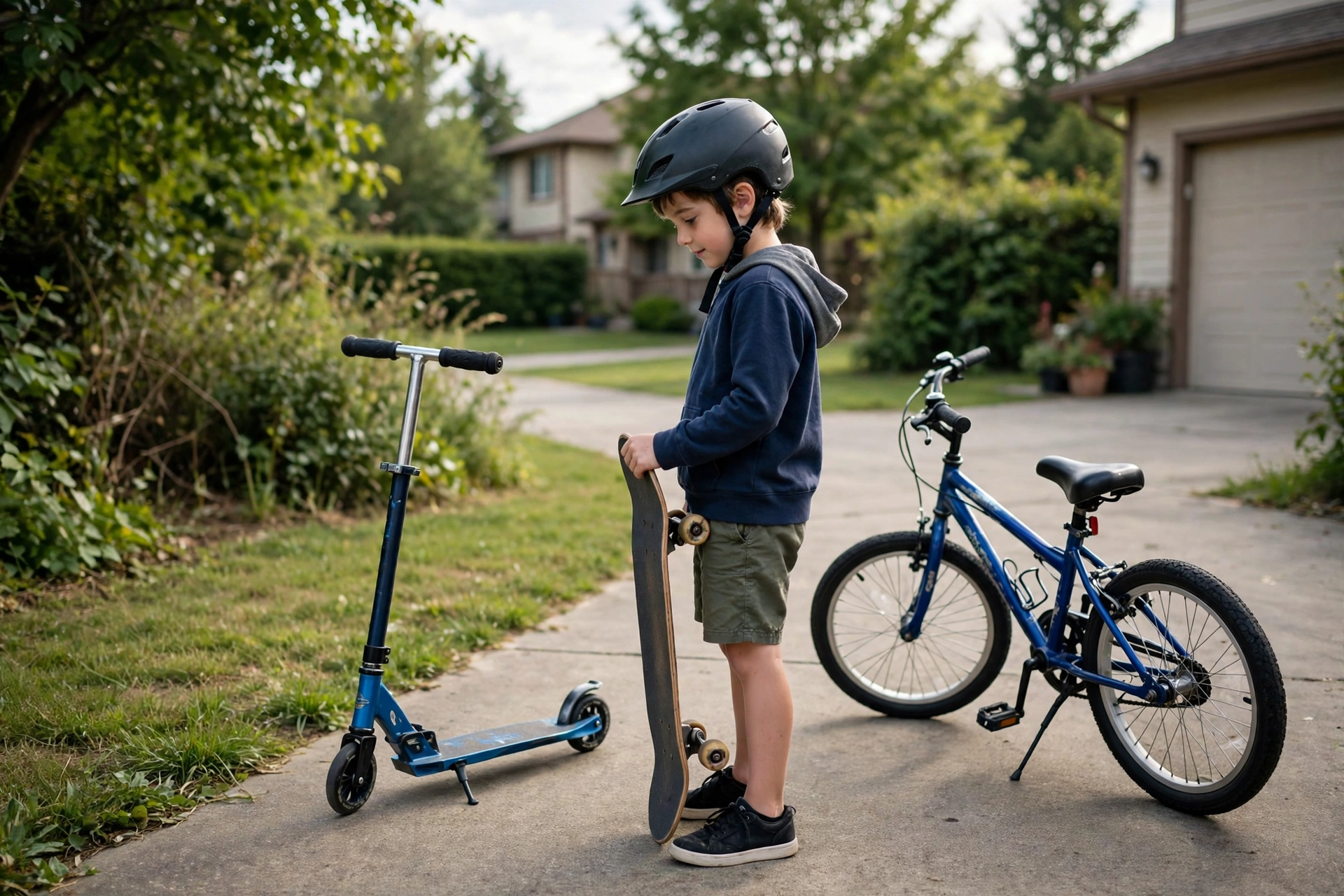
Cycling, scootering, skateboarding, and inline skating are the most common group that can share a multi-sport helmet, since their fall patterns overlap. Many families use one helmet across all four without any problem, as long as the helmet carries the right certifications for each. BMX riding at a skate park is a grey area: casual BMX riding may be fine in a multi-sport helmet, but more aggressive park or race riding may call for a dedicated BMX helmet with fuller coverage.
Sports that should not share a cycling helmet include horse riding, skiing and snowboarding, ice hockey, American football, and motorsports. Each of these has its own helmet standard and design, built for different speeds, surfaces, and impact directions. A bike helmet will not protect properly in a horse fall, and a ski helmet is not designed for cycling crashes. If your child does one of these sports, budget for a dedicated helmet for it, and use the multi-sport helmet only for the wheeled sports it is certified for.
What certifications should you check before buying?
Look inside the helmet for certification stickers or printed labels, and match them to your child’s sports. A helmet sold for cycling in major markets will carry a cycling certification, and a multi-sport helmet will list several sports on its label. If the label lists only cycling, treat it as a cycling-only helmet, even if it looks like it could work for skating. The label is the manufacturer’s statement of what the helmet has been tested for, and it is the most reliable guide you have.
Be careful with hand-me-downs and second-hand helmets, too. A helmet that has been in a crash, has cracked foam, or is missing its labels should not be relied on, because you cannot verify what it was certified for or whether it is still sound. If you are comparing models and want to understand newer protective features, it can help to read about what MIPS for helmets means before deciding. Features are a bonus, though — certification and fit come first.
How do you choose a multi-sport helmet that fits well?
Fit matters even more when one helmet serves several sports, because your child will wear it more often and in different conditions. Measure your child’s head around the widest part, just above the eyebrows and ears, and compare that measurement with the manufacturer’s size chart — do not guess from age alone. The helmet should sit level, low on the forehead, and snug all the way around without pressure points. Ask your child to shake their head gently; the helmet should move with the head, not slide over it.
Comfort features make a real difference to whether the helmet actually gets worn. Look for a rear adjustment dial for fine-tuning, removable pads that can be washed, and ventilation that keeps your child cool during summer rides. Try the helmet on with any gear your child wears for each sport, such as a thin cap in winter, and check that the straps still sit correctly. A helmet that fits well for cycling but slips during skating because the straps were set differently is not doing its job in either sport.
When is it better to buy separate helmets instead?
Separate helmets make sense when your child plays sports with very different standards, when one sport dominates and deserves a specialised design, or when sharing creates practical problems. For example, if a helmet lives at school for hockey and your child also needs it at home for cycling, a second helmet may be simpler than carrying one back and forth. Similarly, a child who cycles daily and skates occasionally may be better served by a dedicated cycling helmet plus a cheaper multi-sport helmet for skating, rather than one compromise helmet for both.
Age and growth also matter. A younger child who is still growing quickly may outgrow a multi-sport helmet before it wears out, so buying one good multi-sport helmet now and reassessing later can be smarter than buying several specialised helmets at once. As children get older and more serious about a particular sport, upgrading to a dedicated helmet for that sport is a natural next step. Start with the shared helmet, and specialise when a sport demands it or your child commits to it.
Frequently Asked Questions
Q: Can my child use one helmet for cycling, scootering and skating?
A: In general terms, yes, if the helmet is certified for each of those sports. Check the labels inside the helmet rather than assuming a cycling helmet covers skating or scootering.
Q: Can a bike helmet be used for horse riding or skiing?
A: No. Horse riding, skiing, hockey and motorsports each have their own helmet standards and designs, so a dedicated helmet is needed for each of those sports.
Q: What matters most when choosing a multi-sport helmet?
A: Certification for every sport your child plays, plus a snug, level fit. A helmet that is certified but fits poorly will not protect well in any sport.

Olivia
Writer at Helmet Today, covering helmet reviews, fit and riding safety.