In general terms, a ski helmet without a brim usually gives a cleaner goggle fit, because there is no visor edge for the goggle frame to clash with, while a helmet with a brim gives extra sun and snow protection for your face but can push goggles down or create a gap if the two do not match. The best choice is the one that lets your goggles sit flush against your face with no gap at the top and no pressure on your nose.
This guide compares brimmed and brimless ski helmets for goggle fit, explains where problems come from, and shows how to test the combination before you commit to it.
What Does a Brim Do on a Ski Helmet?
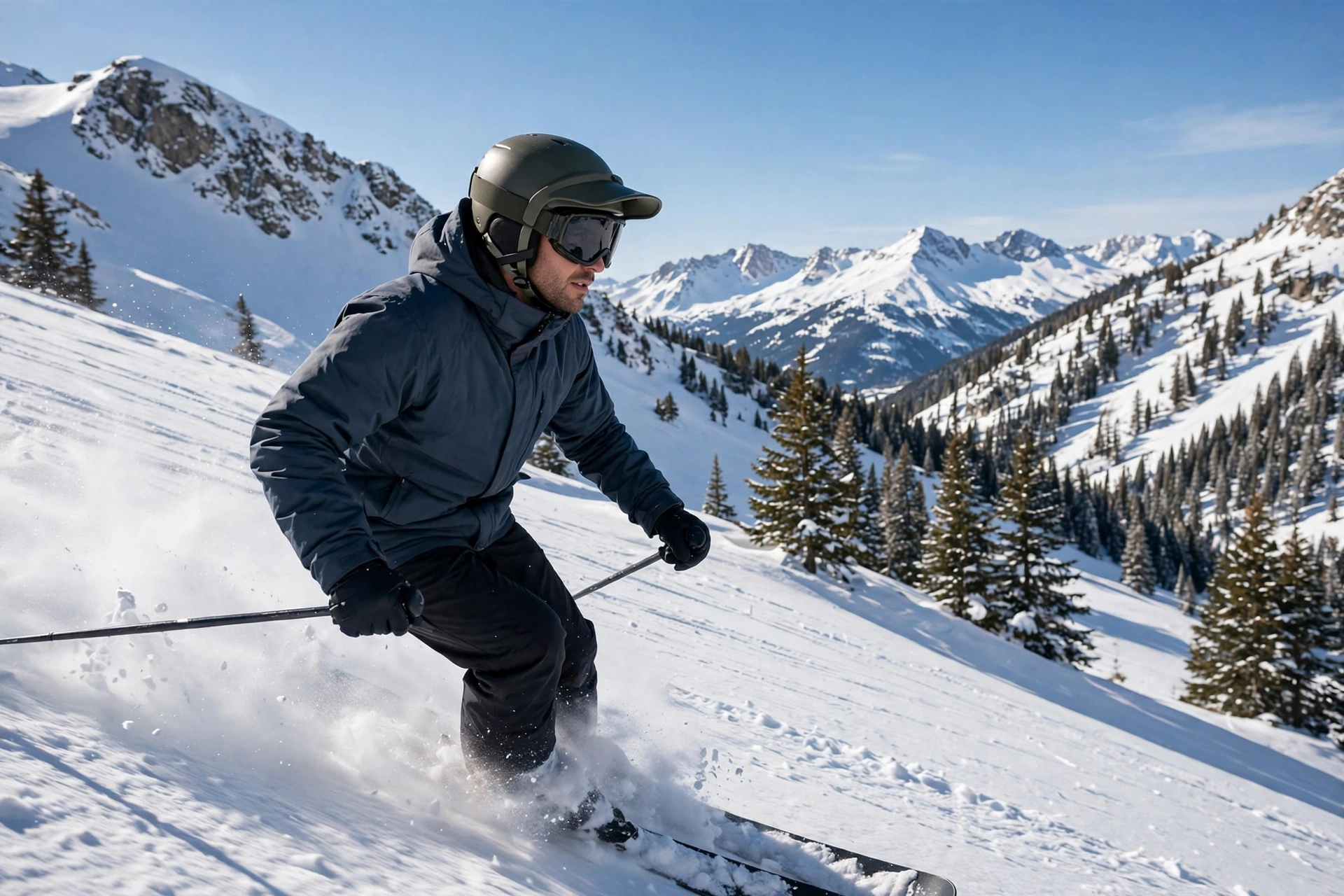
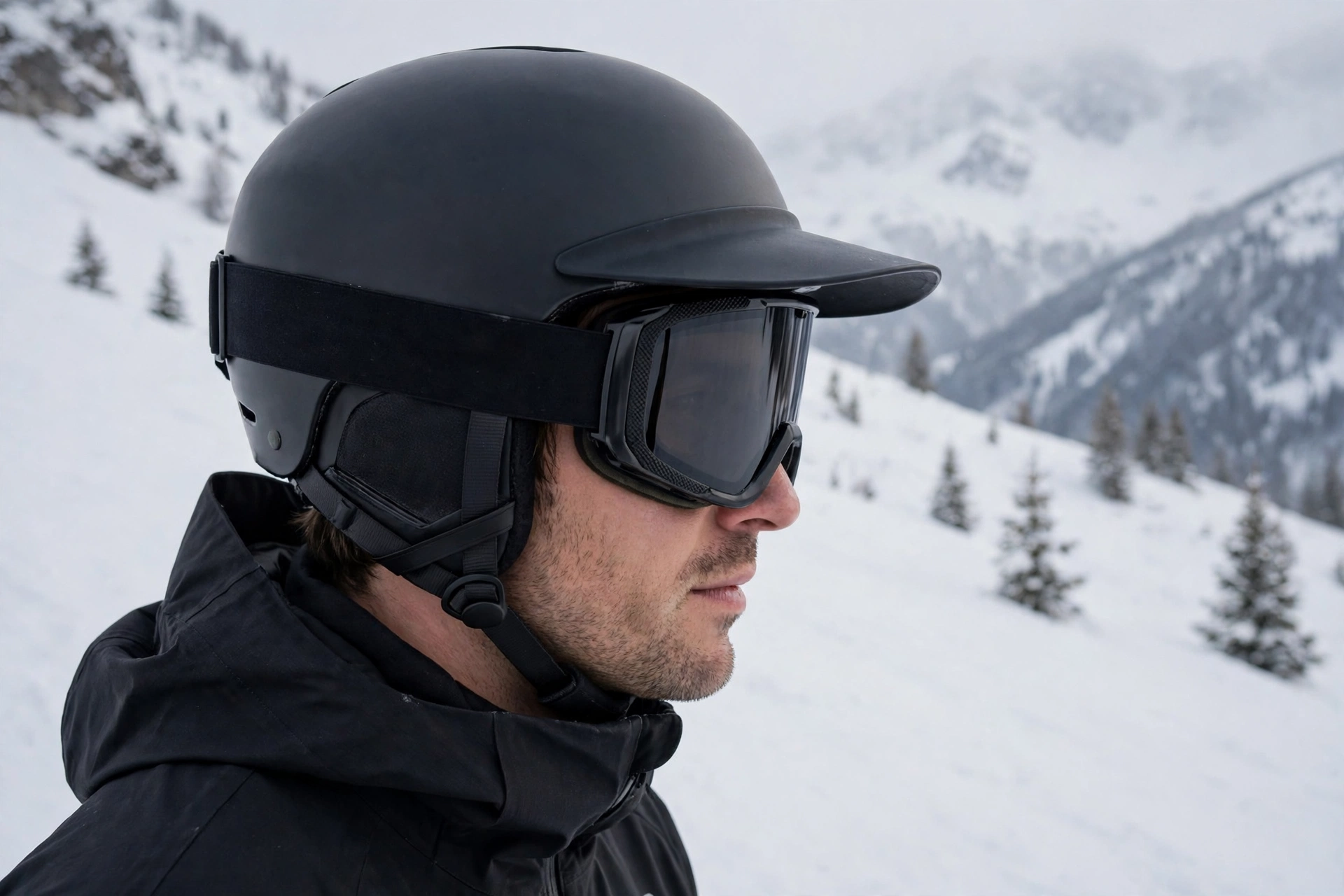
A brim, sometimes called a visor, is the short peak that extends forward from the front of some ski helmets, similar to the peak on a cap. Its job is simple: it shades your eyes from sun and glare, keeps falling snow off your goggles, and gives a little extra protection from branches and spray. On bright spring days and in wet snow, that shade and shelter can make a noticeable difference to comfort.
Brims vary in size and shape. Some are short and flexible, barely extending beyond the helmet shell, while others are longer and stiffer, giving more shade but also more chance of interfering with goggles. Some brims are fixed, and some can be removed or adjusted, which gives you the option of skiing with or without the brim depending on conditions. If you like the idea of a brim but worry about goggle fit, a removable brim is a useful compromise.
Why Do Brimless Helmets Usually Fit Goggles Better?
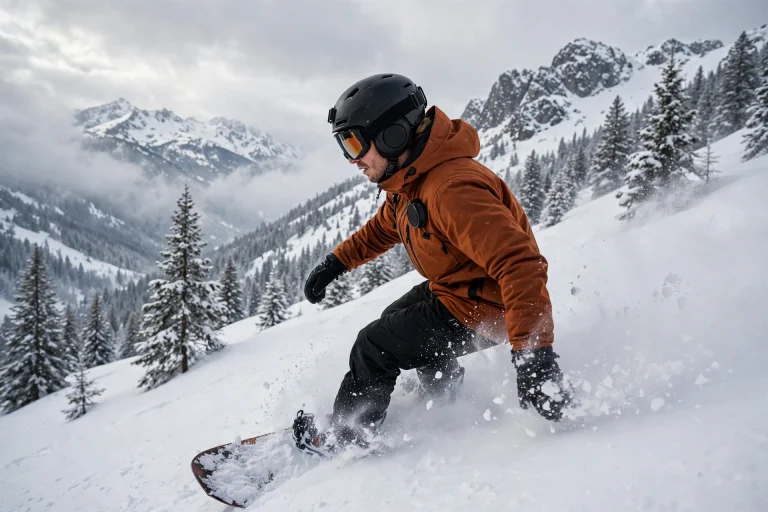
A brimless helmet has a smooth front edge that sits close to the top of the goggle frame, which in general terms makes a flush, gap-free fit easier to achieve. With no peak in the way, the goggle can sit exactly where it is designed to sit, sealing against your face all round, and the helmet can overlap the top of the goggle slightly without pushing it down. That overlap is what prevents the exposed forehead strip known as the gaper gap.
Goggle fit is not just about comfort. A gap at the top of the goggles lets cold air in, exposes skin to sunburn and windburn, and can let snow blow behind the lens. A goggle pushed down by a brim can press on your nose, restrict your breathing, and fog more easily, because the seal is broken and warm air escapes in the wrong places. A clean, flush fit avoids all of that.
Brimless helmets are also simpler to pair with different goggle brands. Because there is no peak shape to match, you are less dependent on buying helmet and goggles from the same maker, and you have more freedom to choose goggles for lens quality, size, or prescription compatibility. For skiers who already own goggles they like, a brimless helmet is usually the safer pairing.
When Is a Brimmed Helmet the Better Choice?
A brimmed helmet earns its place in certain conditions. On sunny spring days, when the sun is high and the snow is reflective, the shade from a brim reduces glare above the goggle lens and can make skiing more comfortable, especially if your goggle lens is not heavily tinted. In wet, heavy snow, a brim also helps keep flakes off the lens, so you spend less time wiping.
Some skiers simply prefer the look and feel of a brim, and that matters too, because a helmet you like wearing is one you will wear properly. In general terms, if you ski mostly in bright or wet conditions and your goggles fit well with the brim, there is no reason to avoid one.
The key condition is that the goggles must fit with the brim. A brim that works with one goggle model may clash with another, because goggle frames differ in height and shape. If you choose a brimmed helmet, test it with your own goggles, and check the fit in the same way you would for any helmet: goggles flush, no gap, no pressure on the nose, and a full field of vision.
How Do You Test Goggle Fit With a Brimmed or Brimless Helmet?
Put the helmet on first, fasten the strap, then put the goggles on over it, exactly as you would on the mountain. Look in a mirror from the front and the side. From the front, there should be no visible skin between the top of the goggles and the bottom edge of the helmet. From the side, the goggle frame should sit flat against your face, with the top edge tucked just under the helmet front.
Check for pressure as well as gaps. Press gently on the goggles and notice whether the brim pushes them down onto your nose or cheeks. Move your head up and down and side to side, and check whether the goggles stay in place or shift. If the brim forces the goggles out of position, or if you have to choose between a gap and a squeezed nose, the combination does not fit, whatever the individual items cost.
Can You Get the Benefits of a Brim Without the Fit Problems?
Yes, in several ways. The simplest is a removable brim, which lets you ski brimless on most days and add the brim when the sun or snow calls for it. Not all helmets offer this, so check before you buy if it matters to you. Another option is a short, soft brim, which gives some shade with less chance of clashing with tall goggle frames.
Goggle choice can also solve the problem. Low-profile goggle frames sit lower and are less likely to clash with a brim, while taller frames give a wider view but need more clearance. If you love a brimmed helmet, try it with several goggle models, and ask the shop to help you find a pairing that sits flush. Buying helmet and goggles together, from a shop that will let you test the combination, is the most reliable way to get it right.
Finally, remember that goggle fit is only one part of helmet choice. Fit on your head, ventilation, and protection all matter as much, and a helmet that fits your head badly is not saved by a good goggle pairing. Rotational protection is another factor worth understanding, and low-friction liner designs explained in this guide to what MIPS is for helmets are available in both brimmed and brimless models, so you do not have to trade one for the other.
Frequently Asked Questions
Q: Does a brim make goggles fog more?
A: In general terms, a brim itself does not cause fogging, but a poor fit does. If the brim pushes the goggles out of position and breaks the seal, warm air escapes unevenly and fogging can increase. A flush fit with good ventilation is the best defence against fog, with or without a brim.
Q: Can I remove the brim from my ski helmet?
A: Some helmets have removable brims, and some do not. Check the maker’s description or ask the shop before you buy if this matters to you. Do not cut or force a fixed brim off, because that can damage the helmet shell and affect its protection.
Q: Is a brimmed helmet better for sunny skiing?
A: In general terms, yes, a brim helps on bright days by shading your eyes and keeping snow off the goggle lens. It does not replace goggles or sunglasses, though, and it is only worth it if your goggles still fit flush with the brim in place.

Olivia
Writer at Helmet Today, covering helmet reviews, fit and riding safety.