In general terms, wearing goggles under a ski helmet, with the strap routed inside the helmet, gives a tidier fit and stops the strap slipping, while wearing them over the helmet is the more common setup and makes it easier to lift goggles up or swap them quickly — and the better choice depends on your helmet’s design and how you ski. Both methods are used by experienced skiers, and neither is wrong on its own.
This guide explains how each method works, when one beats the other, and what to check so your goggles stay secure, comfortable, and fog-free whichever way you wear them.
What Does Wearing Goggles Under a Ski Helmet Mean?
Wearing goggles under a helmet means the goggle strap runs underneath the helmet shell, or through channels built into the helmet, rather than around the outside. Some helmets are designed for this, with a goggle clip or channel at the back that holds the strap in place inside the shell. The goggle frame itself still sits on your face in the normal way, but the strap is hidden and held by the helmet.
The main benefit is security. A strap inside the helmet cannot slide down the back of the shell, cannot snag on a lift or a branch, and cannot be knocked off as easily in a fall. In general terms, this setup also looks tidier and can feel more stable, because the helmet holds the goggles in place rather than the goggles relying on strap tension alone.
What Does Wearing Goggles Over a Ski Helmet Mean?
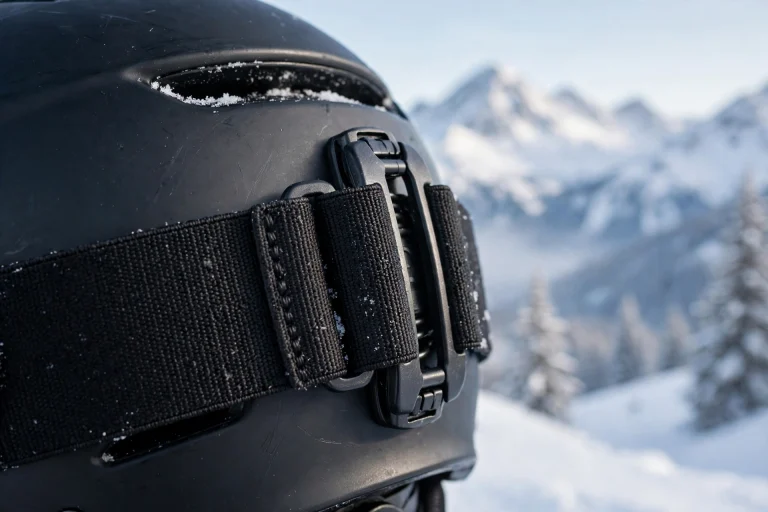
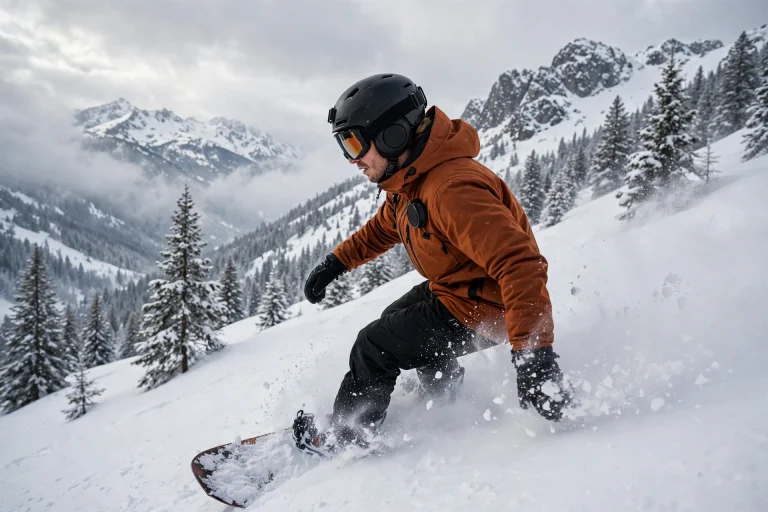
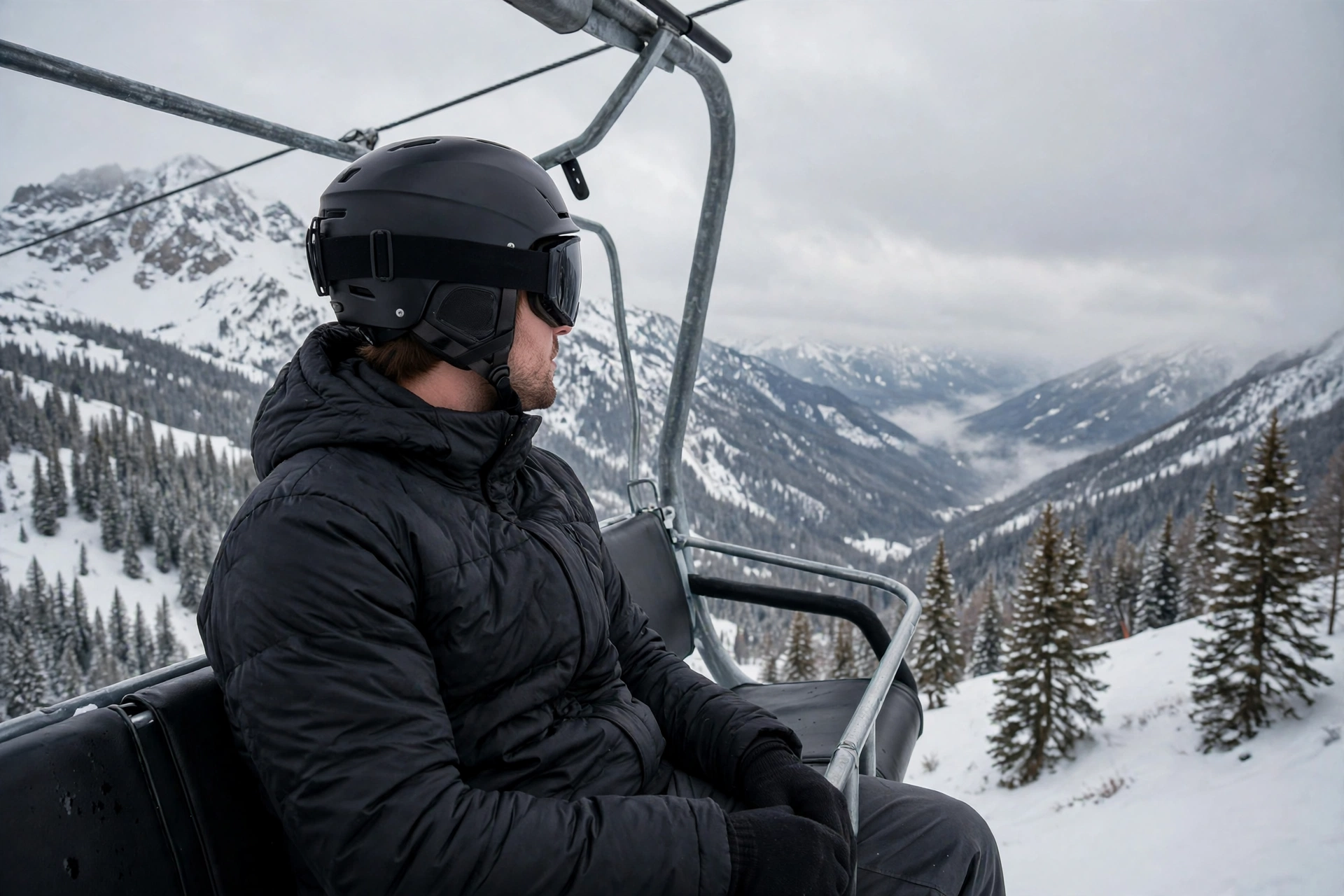
Wearing goggles over a helmet is the setup most skiers know: the goggle strap runs around the outside of the helmet shell, usually held by a clip or a grippy panel at the back. The strap tension holds the goggles against your face, and the helmet sits underneath, independent of the goggles. Almost every modern ski helmet and goggle combination is designed to work this way.
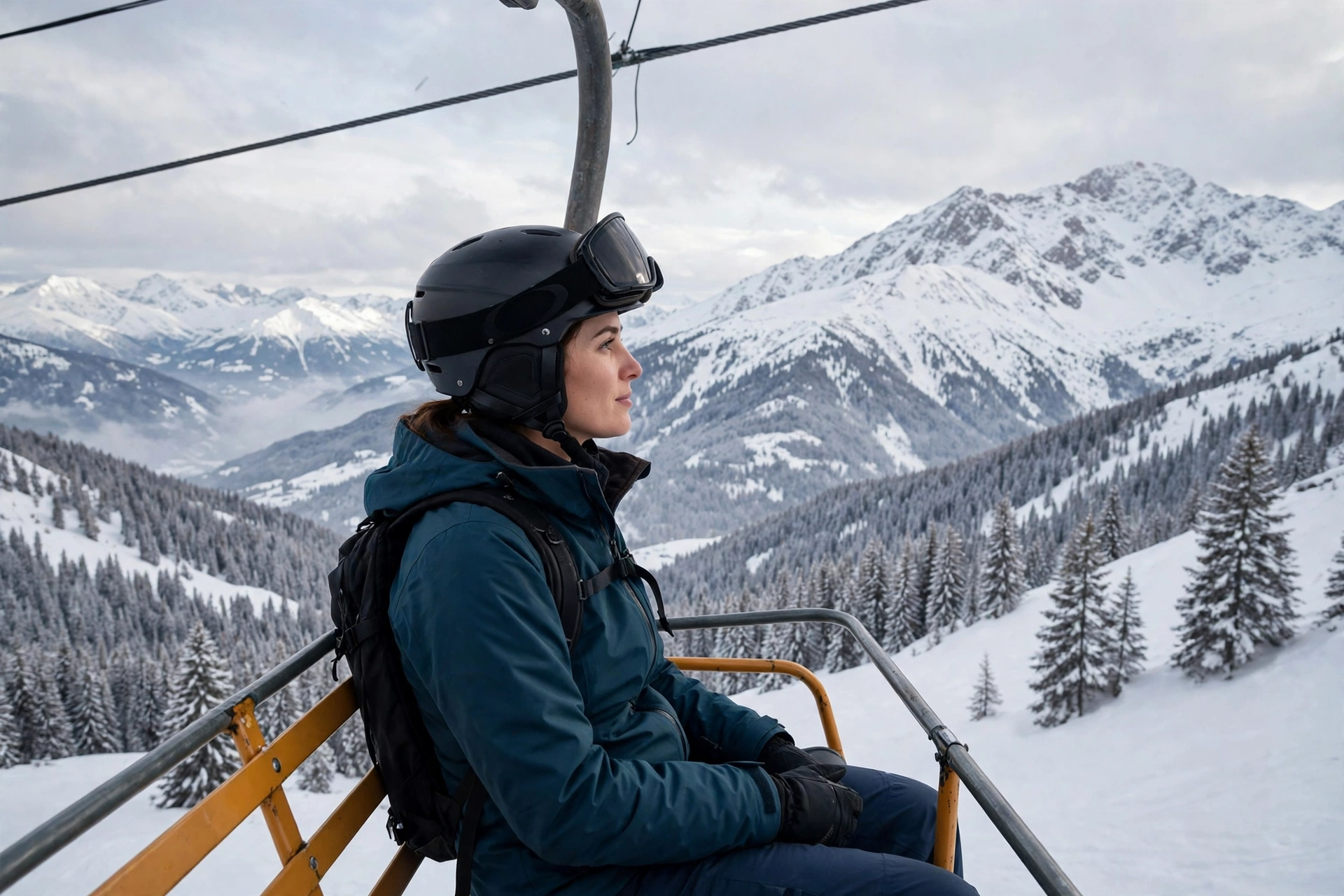
The main benefit is flexibility. You can lift the goggles onto the helmet on a lift, pull them down again for the run, swap to a different lens in changing light, and lend goggles to a friend, all without removing your helmet. In general terms, this is also the easiest setup to adjust, because you can tighten or loosen the strap in seconds, even with gloves on.
The trade-off is that an external strap can slip, especially if the helmet shell is smooth or the strap has lost its grip. A strap that slides down the back of the helmet loosens the goggles, breaks the seal, and lets cold air and snow in. Most helmets solve this with a rear clip or a silicone grip strip on the strap, so check that your helmet has one and that the strap actually engages with it, rather than just resting on the shell.
Which Method Keeps Goggles More Secure?
In general terms, the under-helmet method is slightly more secure against the strap slipping or the goggles being knocked off, because the helmet itself anchors the strap. That makes it appealing for aggressive skiing, terrain parks, and tree runs, where branches and falls are more likely to disturb an external strap. If you have ever lost a goggle in deep snow after a fall, you will understand the appeal.
But a well-designed over-helmet setup is also very secure, and the difference is smaller than it used to be. Modern helmets have dedicated goggle clips at the back, and modern goggle straps have silicone grips that hold firmly to the shell. If your helmet has a good clip and your strap grips well, the over-helmet method will hold through normal skiing and most falls without trouble.
The real security test is simple: put the combination on, fasten everything, and try to pull the goggles forward and sideways with moderate force. They should resist firmly and spring back into place. If they slide easily, the setup is not secure enough, whichever method you are using, and you should adjust the strap, check the clip, or try a different pairing before you ski.
Which Method Is Better for Fogging and Comfort?
Fogging depends more on ventilation and fit than on strap routing, but the method can still play a part. An over-helmet setup lets you lift the goggles quickly to clear fog, which is a real advantage on a humid or wet day. If your goggles fog on the lift, flipping them up for a minute is often enough to clear them, and that is much easier when the strap is outside the helmet.
Comfort is more individual. Some skiers find the under-helmet method more comfortable, because the strap does not press on the outside of the helmet or create pressure points, and the whole setup feels like one unit. Others find it restrictive, because the goggles cannot move and the strap can feel tight around the sides of the head. In general terms, try both if your helmet allows it, and judge by how the combination feels after an hour, not after a minute in the shop.
How Do You Choose Between Goggles Under or Over Your Helmet?
Start with your helmet. If it has a built-in channel or clip designed for under-helmet routing, that method is a genuine option, and it is worth trying. If it does not, the over-helmet method is the intended setup, and forcing the strap inside a helmet not designed for it can create pressure points and a poor fit. Check the maker’s guidance for your helmet model before you decide.
Then think about how you ski. If you rarely lift your goggles, ski aggressively, and value a locked-in feel, the under-helmet method may suit you. If you lift your goggles on every lift, swap lenses during the day, or share goggles between helmets, the over-helmet method is far more practical. In general terms, most recreational skiers are best served by the over-helmet method, because its flexibility outweighs the small security advantage of routing the strap inside.
Finally, test the combination properly, with the helmet strap fastened and the goggles in place, and wear it for a while. Check the seal, the field of vision, and whether the strap stays put. Protection is a separate question from strap routing, and low-friction liner designs explained in this guide to what MIPS is for helmets are worth understanding when you compare helmets, whichever way you wear your goggles.
Frequently Asked Questions
Q: Is it safe to wear goggles under a ski helmet?
A: In general terms, yes, if your helmet is designed for it. Helmets with a built-in goggle channel or clip hold the strap securely inside the shell. Do not force a strap inside a helmet that is not designed for it, because that can create pressure points and a poor fit.
Q: Why does my goggle strap keep slipping down my helmet?
A: The strap may not be engaging with the helmet’s rear clip, or the strap grip may be worn. Check that the clip is holding the strap, tighten the strap so the goggles sit firmly, and replace the strap or goggles if the grip strip is smooth and no longer holds.
Q: Can I switch between under and over during the day?
A: In general terms, it is not practical to switch on the mountain, because routing the strap inside requires removing the helmet. Choose one method for the day, and if you want flexibility, the over-helmet method is the easier one to live with.

Olivia
Writer at Helmet Today, covering helmet reviews, fit and riding safety.