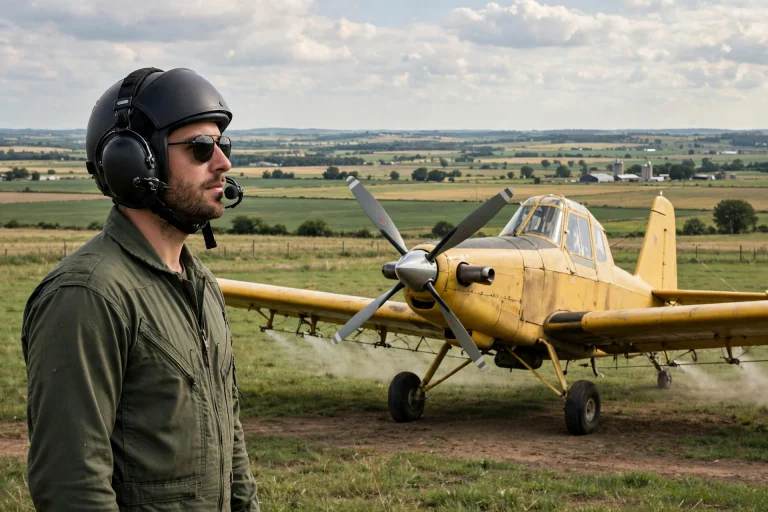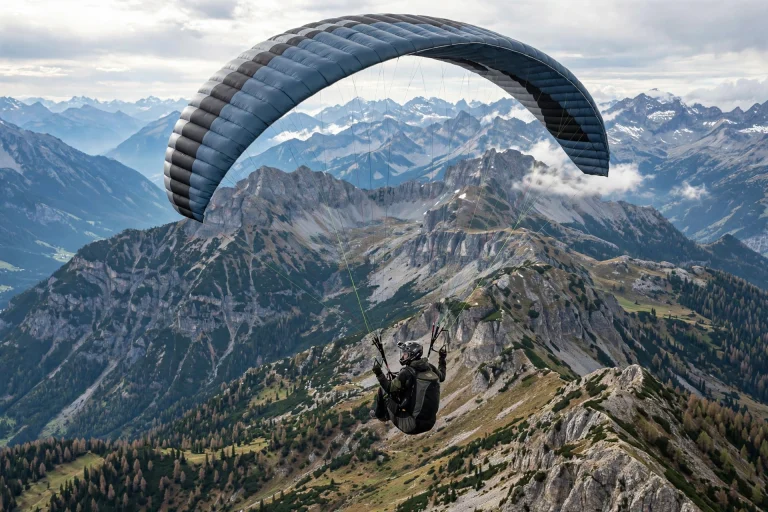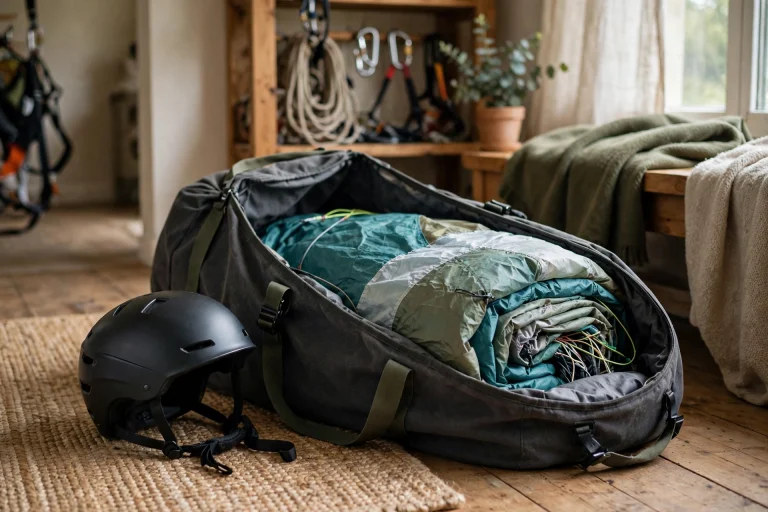
In general terms, hot air balloon pilots do not always wear helmets, but many do, especially during take-off, landing, and commercial passenger flights. Unlike powered aircraft, a balloon has no engine vibration, no fast airflow in the basket, and no hard cockpit structure overhead, so the risk profile is different from flying a helicopter or a light aeroplane. Even so, the moments when a helmet matters most are the same ones that catch pilots out: a bumpy landing, a drag across rough ground, or a basket tipping on touchdown.
The honest answer, then, is that it depends on the pilot, the operator, and the conditions. Some balloon companies require helmets for both pilot and passengers on every flight. Others leave the choice to the pilot. Recreational pilots flying solo may wear a helmet only in windier conditions, while commercial pilots carrying passengers often treat one as standard kit. Understanding why helmets help, and when they are most useful, will help you decide what is right for your own flying.
Why Would a Balloon Pilot Need a Helmet?
The main reason is protection during landing. A balloon landing is rarely as gentle as it looks from the ground. If the wind picks up, the basket can drag along the ground, tip onto its side, or hit a fence, a ditch, or uneven terrain. In those moments, heads can strike the basket rim, the burner frame, or the ground itself. A helmet spreads that impact and reduces the chance of a cut or a knock that could otherwise spoil an otherwise routine flight.
There is also the question of what happens inside the basket. A balloon basket carries several people, gas cylinders, and equipment in a small space. During a rough landing, passengers may be thrown against each other or against the basket sides. A helmet protects the pilot’s head while their hands are busy managing the burner and the landing, and it leaves them free to give instructions without worrying about a knock.
Do Balloon Passengers Wear Helmets Too?
In general terms, passengers on commercial balloon rides sometimes wear helmets, but it is far from universal. Some operators provide helmets for every passenger, particularly when flying in windy or hilly areas where landings are more likely to be bumpy. Others provide them only on request, or not at all, relying instead on a thorough landing briefing that tells passengers to crouch, hold on, and stay in the basket until told to get out.
The landing briefing is, in many ways, the passenger’s main protection. Passengers who understand what a landing feels like, who keep their heads down, and who do not try to climb out early are much less likely to be hurt. A helmet adds a layer of protection on top of that briefing, but it does not replace it. An operator that hands out helmets but skips the briefing is missing the more important safety step.

What Kind of Helmet Suits Balloon Flying?
There is no single helmet made specifically for ballooning, so pilots usually choose from other types. A lightweight climbing or paragliding helmet is a common choice because it is light, well ventilated, and comfortable to wear for an hour or more in the basket. It also fits easily under a headset if the pilot uses one for radio communication, though many balloon pilots fly without radios at all.
Some pilots prefer a sturdier helmet with more coverage, particularly if they fly in rough terrain or in stronger winds. The trade-off is weight and warmth: a heavier helmet can become uncomfortable during a long flight in summer, and a pilot who is distracted by discomfort is not flying at their best. As with any helmet, fit matters more than the label on the box. The helmet should sit level, stay put when you shake your head, and feel comfortable enough that you forget you are wearing it.
Whatever type you choose, the helmet should be in good condition. Check the shell for cracks, the straps for wear, and the liner for damage before each season. A helmet that has taken a hard knock should be inspected carefully, and in general terms, a helmet that has absorbed a serious impact should be replaced rather than trusted again. The same principle applies across helmet types, and it is worth understanding how modern liners work, as explained in this guide to what MIPS means for helmets.
When Is a Helmet Most Important for Balloon Pilots?
Wind is the biggest factor. On a calm morning, a balloon lands almost vertically, gently, and a helmet may feel unnecessary. When the wind is stronger, the basket is more likely to drag, tip, or land on uneven ground, and a helmet becomes much more valuable. Experienced pilots watch the wind forecast closely and adjust their plans, including their equipment, accordingly.
Terrain matters too. Landing in a flat, open field is very different from landing on a slope, in a harvested field with stubble, or near trees and fences. Pilots who fly in hilly or wooded areas often wear helmets as a matter of routine, because they cannot always choose exactly where the balloon will come down. The same applies to pilots flying in areas with limited landing sites.
Do Ballooning Rules Require Helmets?
In general terms, ballooning rules vary by country and by the type of operation, and many do not specifically require helmets for pilots. Aviation authorities tend to focus on pilot licensing, balloon maintenance, weather limits, and operating procedures rather than prescribing a particular helmet. That means the decision often rests with the operator or the individual pilot.
However, the absence of a rule is not a reason to ignore the risk. Operators may set their own requirements in their operations manuals, and insurance policies may expect certain safety practices. If you fly for a company, check its manual and ask the chief pilot what the expectation is. If you fly privately, make the decision deliberately, weighing the wind, the terrain, and the type of flight, rather than simply following habit.
It is also worth noting that ballooning has an excellent safety record overall, and that record rests on careful weather judgement, thorough briefings, and good landing technique as much as on equipment. A helmet is one part of that picture, not a substitute for the rest. A pilot who chooses the right day, briefs passengers well, and lands carefully is already doing most of the safety work, and a helmet adds a useful margin on top.
Frequently Asked Questions
Q: Do hot air balloon pilots have to wear helmets?
A: In general terms, no universal rule requires it, and practice varies by operator and country. Many commercial pilots wear one as standard, especially in windy conditions or rough terrain, while some private pilots wear one only when conditions suggest it.
Q: Should passengers wear helmets on a balloon ride?
A: Some operators provide helmets for passengers, and it is reasonable to ask for one if you would feel safer. The landing briefing matters most, though: crouching, holding on, and staying in the basket until told to leave are the key protections.
Q: What type of helmet is best for ballooning?
A: A lightweight, well-fitting helmet such as a climbing or paragliding helmet is a common choice, because it is comfortable for the length of a flight and does not get in the way. Fit and condition matter more than the specific type.

Olivia
Writer at Helmet Today, covering helmet reviews, fit and riding safety.