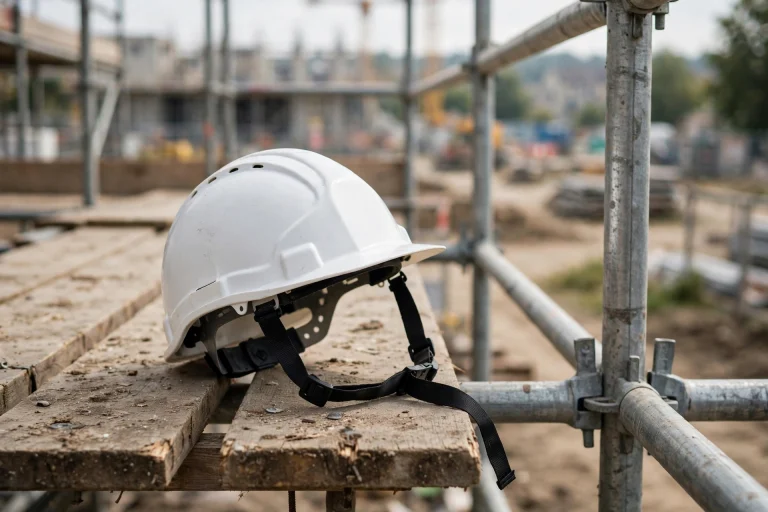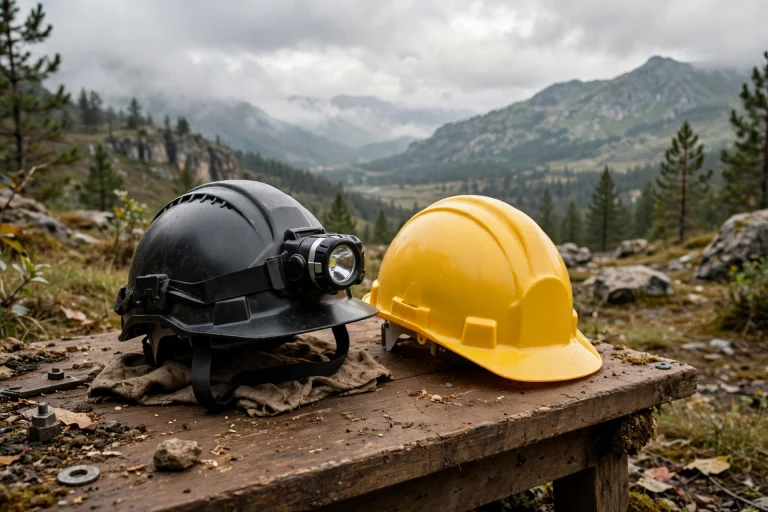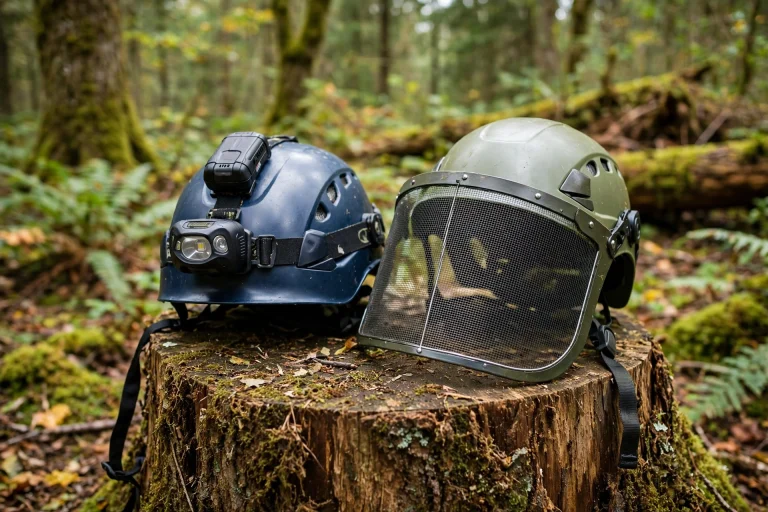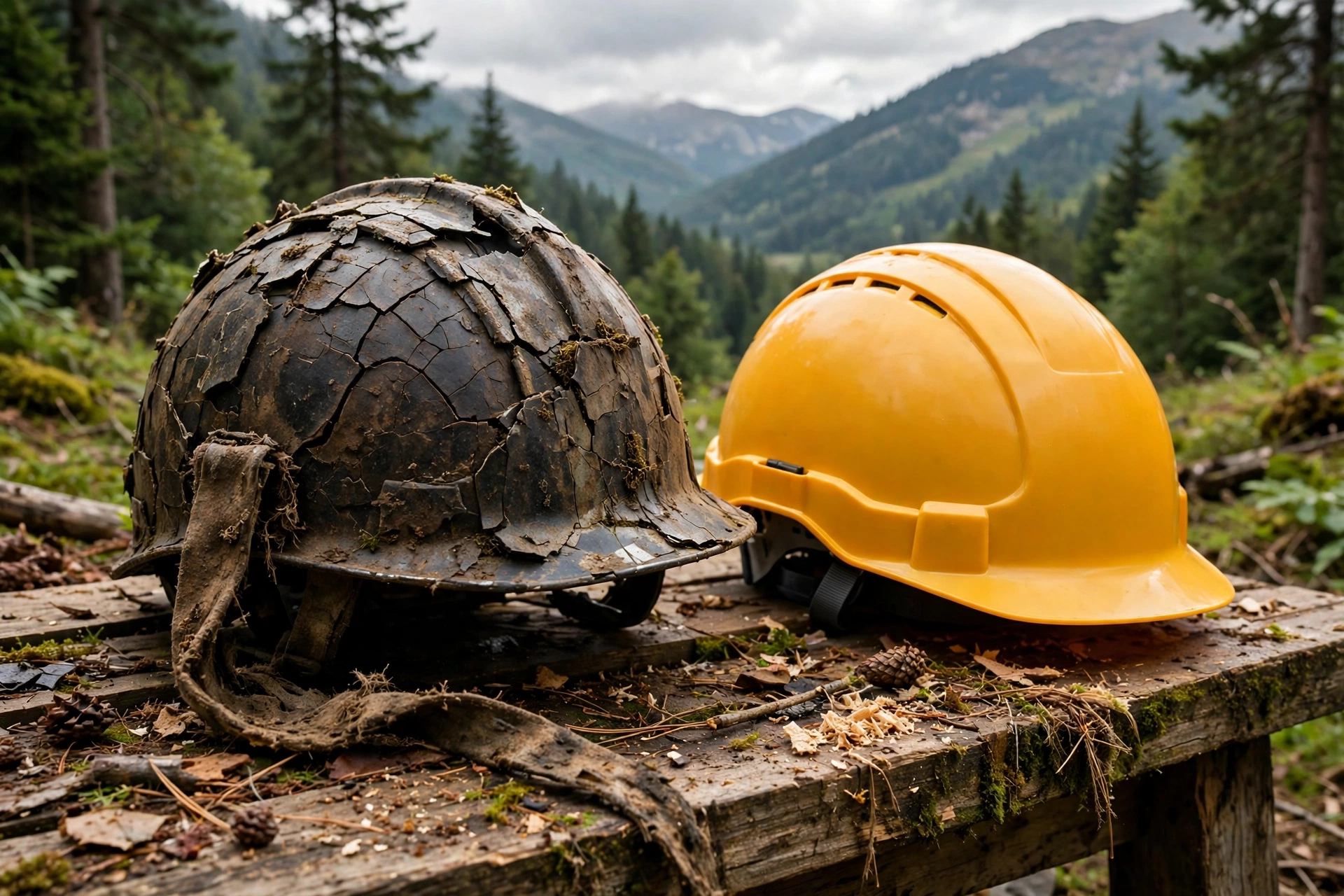
Replace a forestry helmet when it has taken a serious impact, when the shell, suspension, or mounts show cracks, brittleness, or wear, or when the maker recommends replacement based on age or condition. In general terms, there is no single calendar date that applies to every helmet, since use, storage, and knocks all affect its life. The practical rule is simple: if inspection raises doubt about any part of the system, take it out of service and replace it, because a forestry helmet is the last line of protection against falling branches and flying debris.
This article explains the signs that mean replacement, the difference between replacing the whole helmet and replacing parts, and how storage and use affect lifespan. It also covers what to do with a retired helmet so it does not drift back into use.
What Damage Means a Helmet Should Be Replaced?
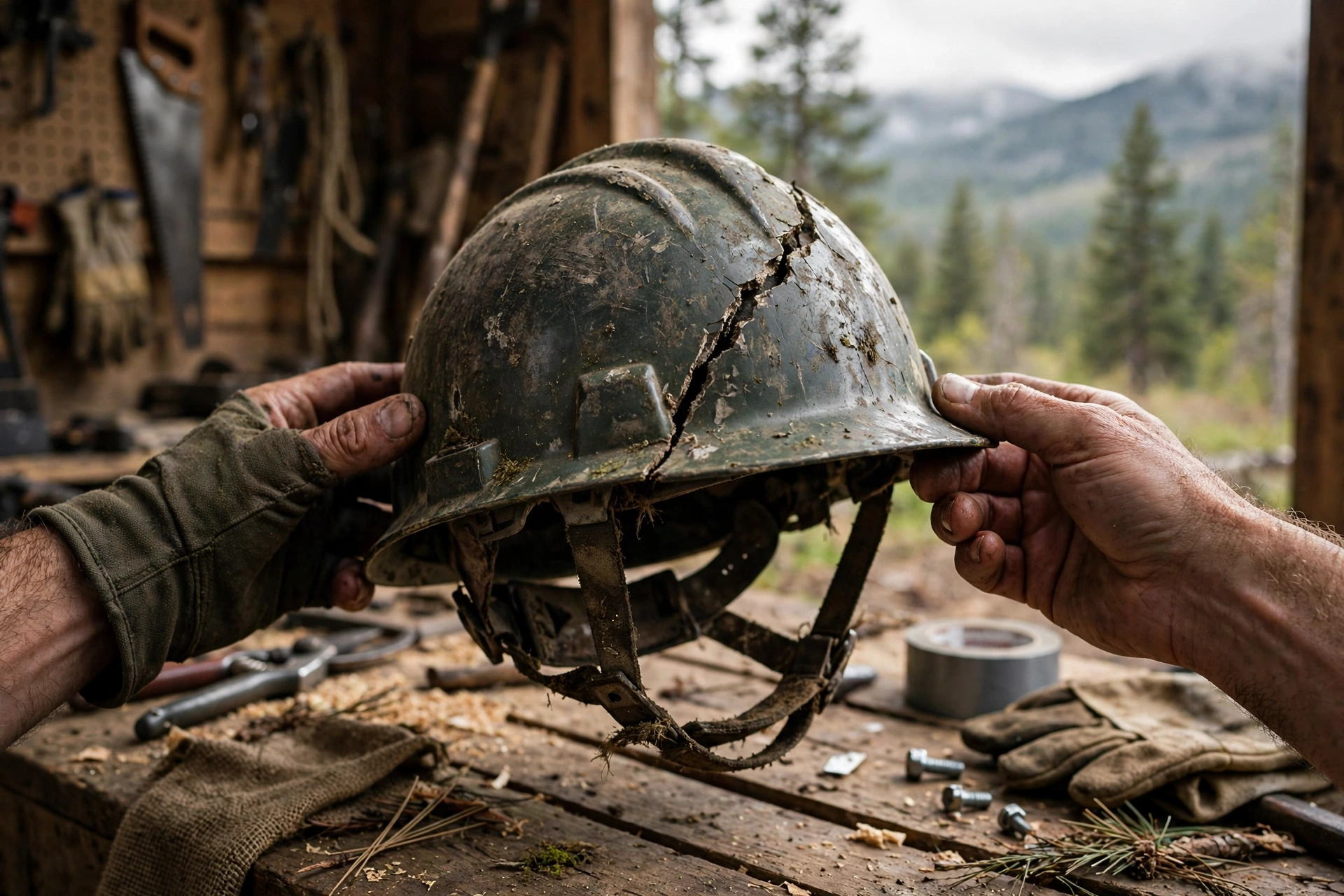
A hard impact is the clearest reason to replace a helmet. If a branch, a dropped tool, or a fall has struck the shell with force, the helmet may have absorbed energy in ways you cannot see. Cracks, dents, deep gouges, or a shell that feels soft or distorted in one area are all signs of damage that should end the helmet’s service. In general terms, a helmet that has done its job in a serious impact should be retired, even if it looks mostly fine.
Check the suspension and mounts too. A suspension that is torn, stretched, or missing clips no longer holds the shell in the right position, which changes how impacts are absorbed. Visor pivots that are cracked and ear muff mounts that are bent or loose also matter, since the visor and muffs are part of the protection system. If replacement parts are available from the maker, a worn mount or cushion can be swapped, but a damaged shell or suspension usually means a new helmet.
Watch for ageing as well. A shell that has become brittle, faded, or chalky after years in the sun, or a helmet that has spent long periods in heat, may be weaker than it looks. In general terms, UV light, heat, and chemicals all age helmet materials gradually, so a helmet that has lived in a hot truck cab will age faster than one stored indoors.
How Does Age and Use Affect Helmet Lifespan?
Makers often give a service-life recommendation, and it is worth reading yours, since it reflects the materials and design of that particular helmet. Some makers suggest a number of years from manufacture, others from first use, and the two can differ if a helmet sat on a shelf before you bought it. Check for a manufacture date moulded or printed inside the shell, and keep the helmet’s paperwork if you can.
Heavy daily use wears a helmet faster than occasional use. A helmet worn all day in heat and dust, knocked against branches, and cleaned often will age differently from one used a few times a month. In general terms, judge by condition first and by age second: a well-kept helmet used lightly may outlast a hard-used one, while a battered helmet should be replaced even if it is relatively new.
Storage plays a big role too. Helmets stored in cool, dry places away from sunlight last longer than those left in vehicles or sheds where temperatures swing widely. Chemicals, fuels, and solvents stored nearby can also affect shell materials, so keep helmets away from those. Good storage is one of the cheapest ways to extend a helmet’s useful life.
Should You Replace Parts or the Whole Helmet?
Some parts are designed to be replaced. Ear muff cushions, visors, headband pads, and chin straps are wear items, and swapping them restores performance without replacing the whole helmet. If the shell and suspension are in good shape, replacing a scratched visor or flattened cushions is the sensible, economical choice.
The shell and suspension are different. They are the core of the impact protection system, and damage to them is not something a new visor will fix. If the shell is cracked, dented, or brittle, or the suspension is torn or distorted, replace the whole helmet. In general terms, do not mix a new shell with an old, worn suspension either; the system is designed to work as a matched set.
When you do replace a helmet, destroy or mark the old one so it cannot be picked up and reused by someone else. Cutting the chin strap and removing the suspension is a simple way to make sure a retired helmet stays retired. This matters on busy sites where spare kit gets borrowed without a second thought, so a clear mark or a cut strap removes any doubt.
What Should You Check During Regular Inspections?
Build inspection into your routine. Before each shift, look over the shell, suspension, visor, and muffs, and feel for changes in stiffness or fit. A quick daily check catches new damage early, while a deeper monthly check can cover the mounts, pivots, and cushion condition in more detail. Keep a simple record if you manage kit for a crew, so helmets nearing the end of their recommended life are not overlooked.
Pay attention to changes in fit as well. If a helmet that once sat snugly now slides, or the headband no longer holds adjustment, the suspension may be worn. A helmet that does not fit properly will not protect properly, even if the shell looks fine. Understanding liner technology can help you judge wear too; for instance, what MIPS for helmets means explains one liner system and why keeping the liner in good condition matters.
Finally, trust your judgement. If you are unsure whether a helmet is still safe, the cautious choice is replacement. A new helmet costs far less than the risk of relying on one you doubt, and most crews would rather see a helmet retired early than kept in service past its best.
Frequently Asked Questions
Q: Does a forestry helmet expire on a fixed date?
A: In general terms, no single date applies to all helmets. Follow the maker’s guidance and judge by condition, use, and storage as well as age.
Q: Can a helmet be reused after a small knock?
A: A light bump that leaves no mark is different from a hard impact. If you are unsure whether the impact was serious, inspect carefully and replace the helmet if there is any doubt.
Q: Should you replace the helmet after replacing a visor?
A: No. Visors are wear items and can be replaced on their own, as long as the shell, suspension, and mounts are still in good condition.

Olivia
Writer at Helmet Today, covering helmet reviews, fit and riding safety.