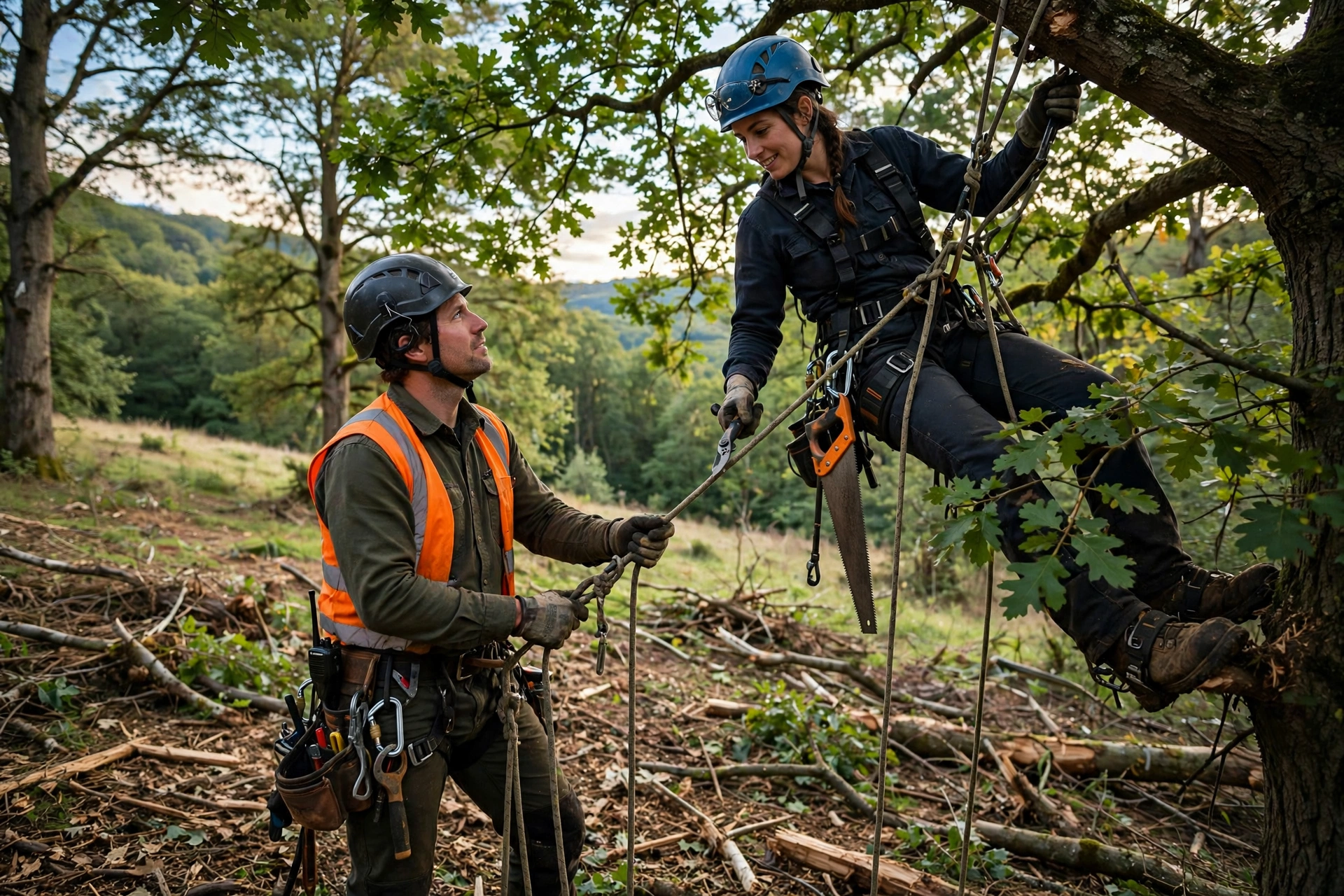
Arborist helmets for ground crew and climbers share the same basic job — head protection — but they differ in emphasis: climbers need a helmet that stays on during falls and movement in the canopy, while ground crew need one that handles falling debris, chipper noise, and long hours on the ground. In general terms, many crews use the same helmet model for both roles, but the way it is set up, and the accessories fitted, should match the wearer’s actual work. Understanding the differences helps a crew choose kit that protects everyone, rather than assuming one setup suits all.
The distinction matters because the risks are different. A climber faces falls, swinging into branches, and dropped tools from their own work. Ground crew face branches and wood dropped from above, flying chips from the chipper, and constant noise. A helmet system that suits one role may leave gaps for the other.
What Does a Climber’s Helmet Need Most?
A climber’s helmet must stay on. That means a secure chin strap that holds the helmet during a fall, an inversion, or a swing, and a fit that does not shift when the climber looks up, leans out, or moves through branches. In general terms, climbers rely on helmets designed for work at height, with strong chin straps and coverage over the sides and back of the head, since impacts can come from any direction in a canopy.
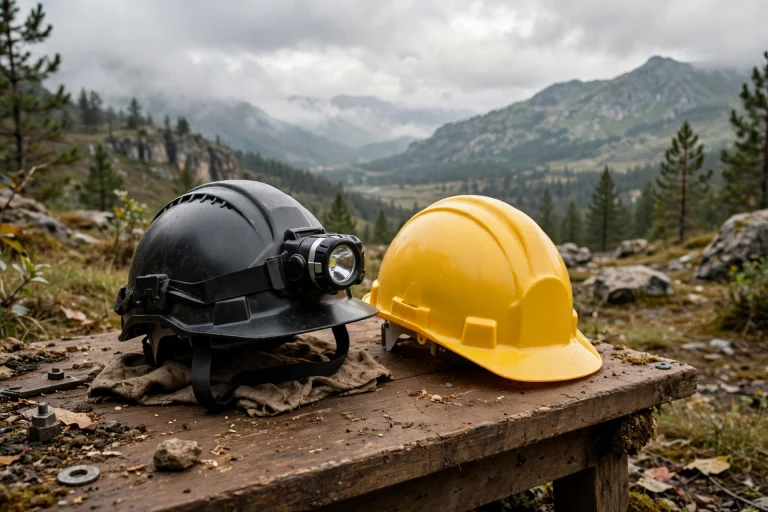
Weight and balance matter a great deal for climbers, who wear the helmet for hours while working physically. A heavy or poorly balanced helmet strains the neck and tempts the wearer to adjust it constantly. Ventilation matters too, since climbing is hard work and heat builds up fast. A climber’s helmet should also accept a headlamp, since canopy work often runs into low light.
Climbers also need their helmet to work with the rest of their kit: harness, ropes, and communication gear. A helmet that clashes with a harness strap or blocks a radio earpiece creates daily frustration. Trying the full system together before committing is the best way to avoid these problems.
What Does Ground Crew’s Helmet Need Most?
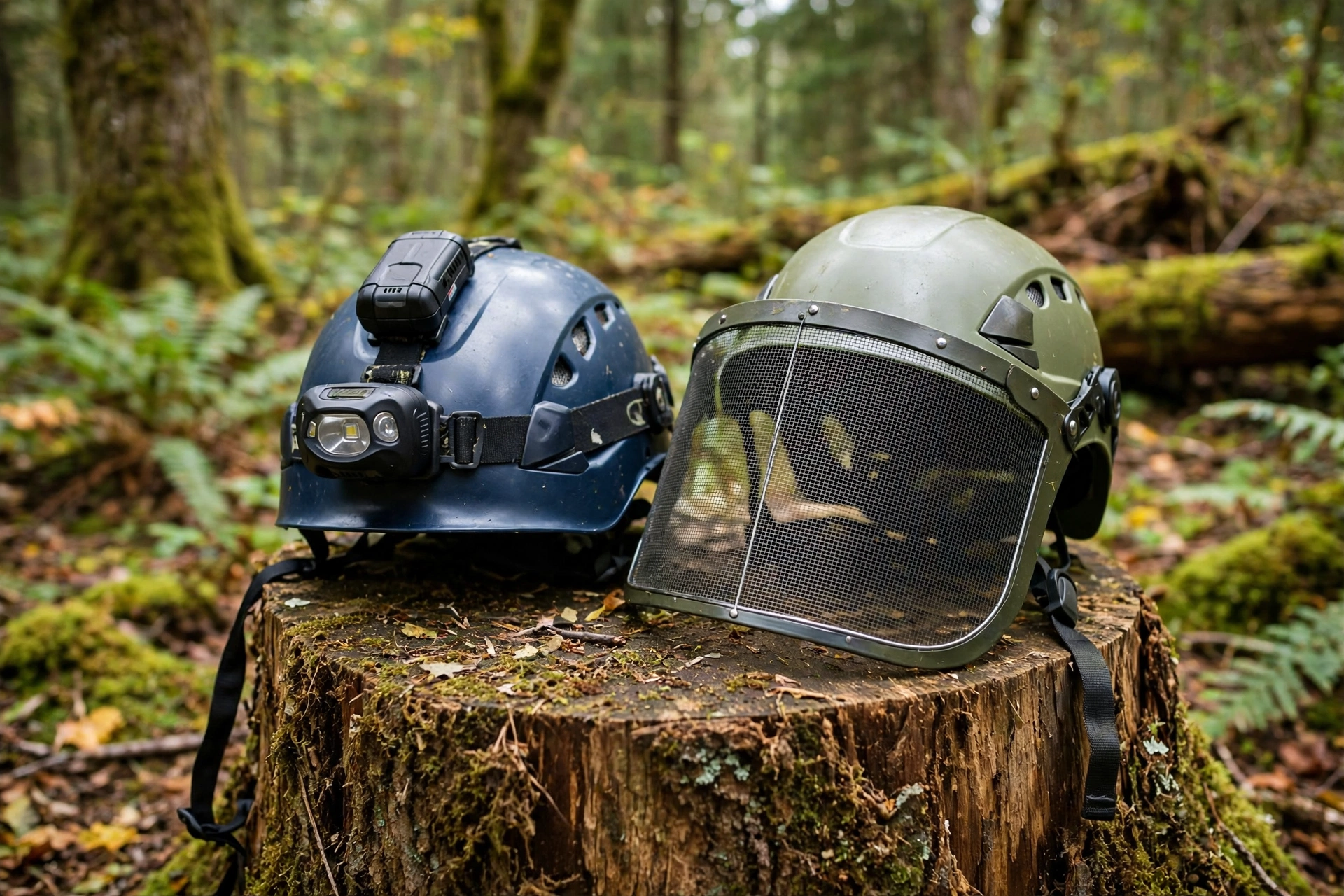
Ground crew’s main risks are objects falling from above and noise from chippers and saws. A sturdy shell with good top coverage is essential, and a visor that blocks flying chips is used almost constantly. In general terms, ground crew spend more time facing the chipper and the drop zone, so visor quality and ear protection are daily priorities rather than occasional ones.
Comfort over a long shift matters too. Ground crew may wear the helmet all day without the breaks that climbing naturally provides, so a comfortable suspension and good ventilation are important. A helmet that pinches or overheats will get adjusted, lifted, or removed at the wrong moment, which is exactly when a falling branch or a chip can cause harm.
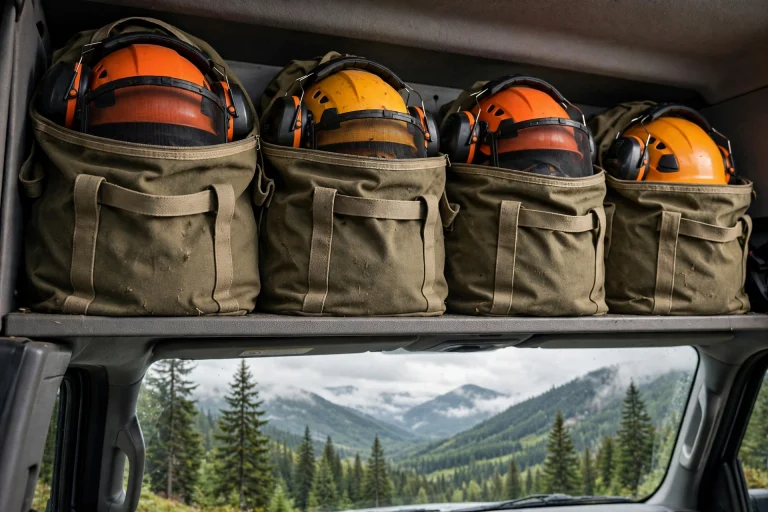
Communication is another ground-crew need. Ground crew coordinate with climbers constantly, calling warnings and confirming cuts. Ear muffs that can be raised quickly for conversation, or electronic muffs that let speech through, help here. In general terms, a ground-crew helmet setup should make communication easy, not harder. Bright helmet colours also help here, since a climber looking down needs to spot ground crew clearly among trees, machinery, and moving vehicles.
Can the Same Helmet Serve Both Roles?
Often, yes. Many arborist helmet systems are versatile enough for both roles, with the same shell serving a climber one day and ground crew the next. What changes is the setup: the climber fastens the chin strap tightly and fits a headlamp, while the ground crew member prioritises the visor and ear muffs for chipper work. In general terms, a good helmet system adapts to the role through its accessories and adjustments, not through a completely different helmet.
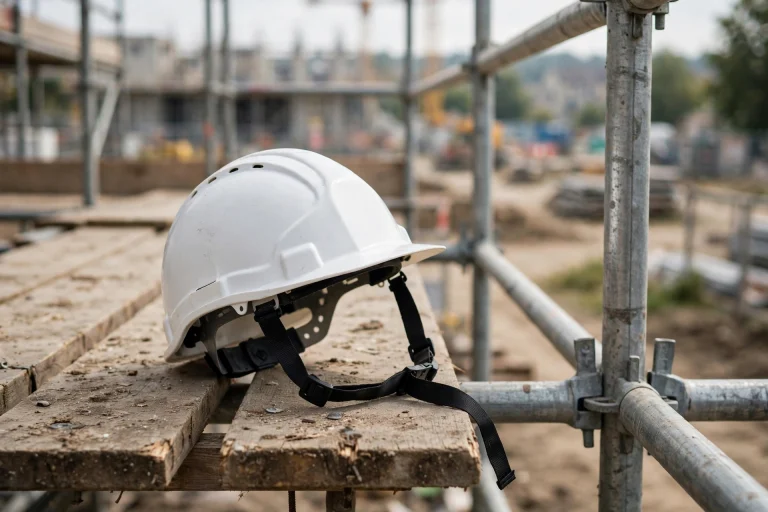
However, there are limits. A helmet designed mainly for ground-level construction work, with a chin strap that releases easily, is not ideal for climbing, since it may come off in a fall. Conversely, a very light climbing helmet with minimal visor coverage may not suit a ground crew member who faces the chipper all day. If a crew shares helmets, check that each helmet suits the role it will be used for that day, and adjust the setup accordingly.
Crews that share kit should also check fit each time a helmet changes hands. A helmet adjusted for one person will not fit the next properly without readjustment, and a poor fit undermines protection. A quick refit — headband, chin strap, visor, muffs — takes less than a minute and should be part of the handover. It is also good practice to check that the visor is clean and the ear muff cushions are in shape during the handover, since the next wearer may not notice wear that the previous wearer had grown used to.
How Should a Crew Choose and Manage Helmets?
Start by listing the jobs each role actually does, then choose a helmet system that covers both, with accessories to match. If the budget allows, keeping separate helmets for climbers and ground crew avoids daily readjustment and means each helmet can be set up once and left that way. If sharing is necessary, make the refit check a habit.
Inspect helmets regularly, whichever role they serve. Check shells, suspensions, chin straps, visors, and ear muffs, and replace worn parts promptly. A helmet used by several people may wear faster, since adjustments are made more often and the kit sees more handling, so shared helmets deserve a slightly closer look during routine checks, and a short note of who used the helmet last helps trace any new damage.
Finally, train the crew on the differences. When everyone understands why a climber’s chin strap must be fastened and why ground crew need their visor down at the chipper, the kit gets used correctly. For background on liner technology, what MIPS for helmets means explains one system that helps manage rotational forces in an impact.
Frequently Asked Questions
Q: Do climbers and ground crew need different helmets?
A: In general terms, not necessarily. Many arborist helmet systems suit both roles, but the setup and accessories should match the wearer’s actual work.
Q: Why is the chin strap more important for climbers?
A: Climbers can fall or invert, so the helmet must stay on during sudden movement. A secure chin strap keeps it in place when a basic hard hat strap might not.
Q: Can ground crew wear a climbing helmet?
A: Yes, as long as it provides the coverage, visor, and hearing protection their ground work needs, and it fits properly.

Olivia
Writer at Helmet Today, covering helmet reviews, fit and riding safety.