In general terms, a well-fitted helmet cover does not meaningfully reduce a helmet’s safety, but a loose, bulky, or poorly chosen cover can interfere with fit, ventilation, and the way the shell slides in a crash — so the cover matters as much as the helmet it sits on. Covers are popular for weather, visibility, and style, and most of the risk comes from getting the details wrong.
Helmet covers range from thin stretchy skins that hug the shell, to waterproof rain covers, to thick padded covers for cold weather. They are common among cyclists, skiers, and motorcyclists, and they are often sold as simple accessories. The question is whether adding a layer over a carefully engineered shell changes how that shell performs when it matters.
What Is a Helmet Cover?
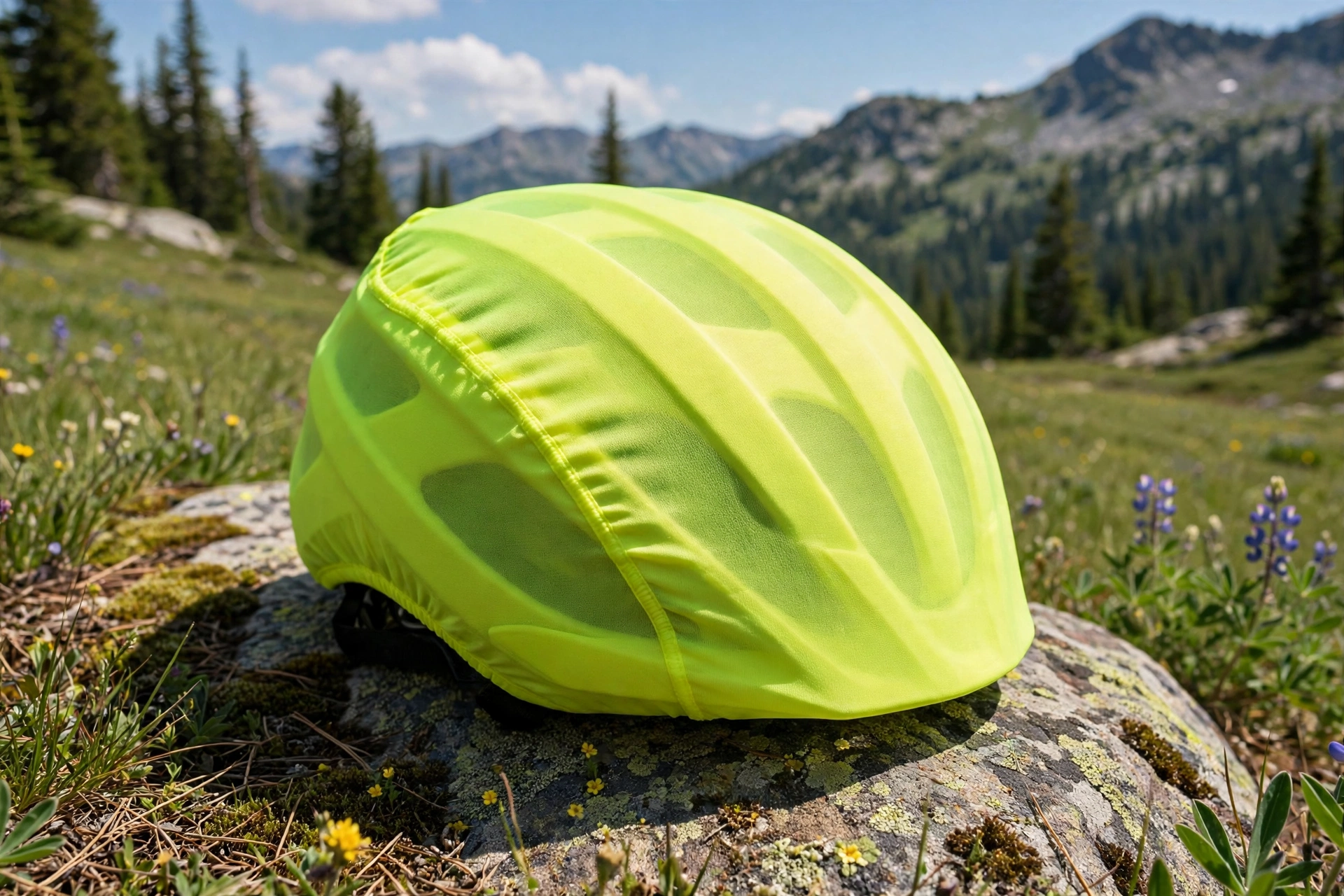
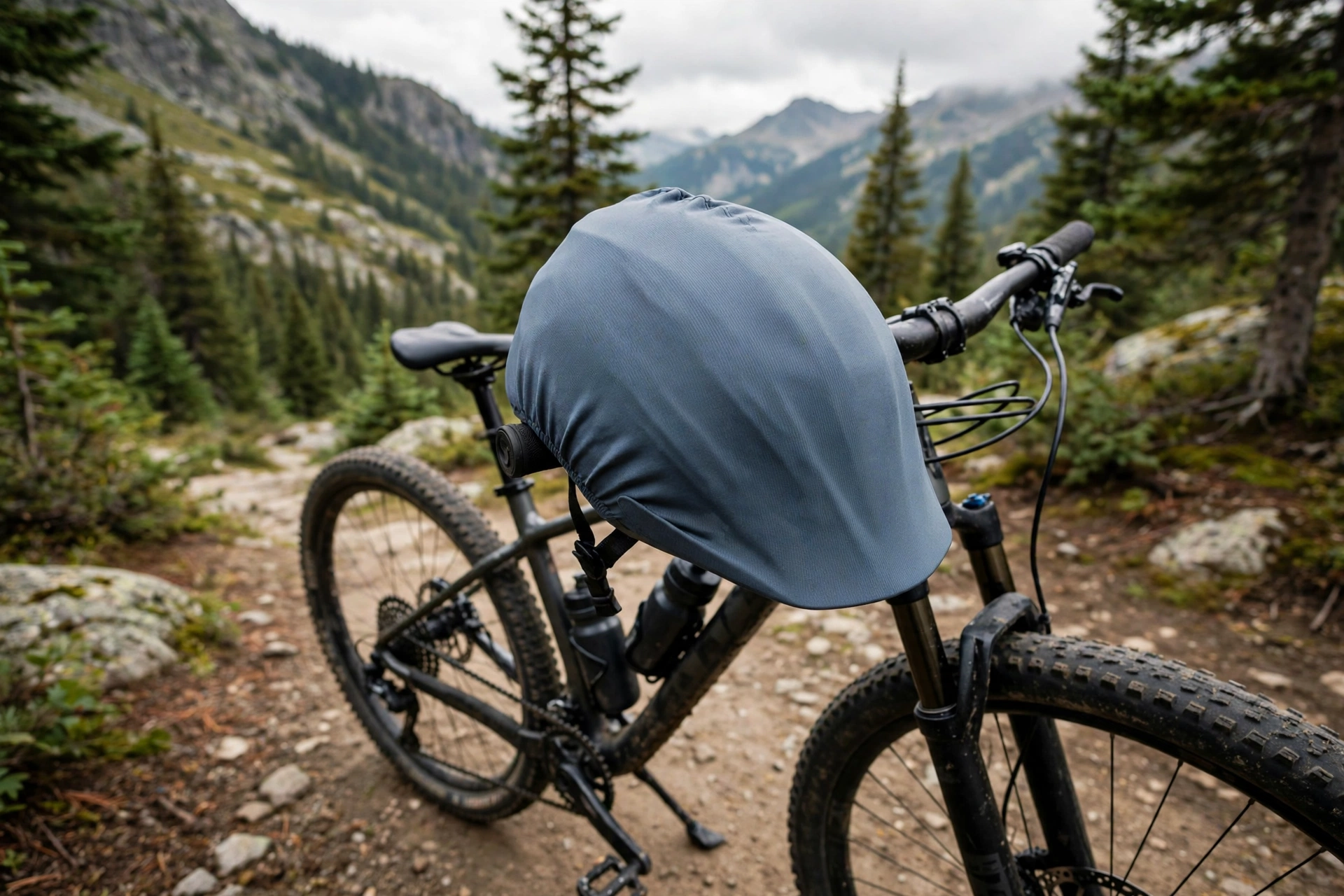
A helmet cover is a layer worn over the outside of a helmet. The simplest kind is a stretchy fabric skin that pulls over the shell like a sock, often in bright colours or patterns. Rain covers are thin waterproof shells that keep water out of vents. Cold-weather covers add insulation, and some include ear flaps or a neck skirt for warmth.
Covers serve several purposes. Visibility is a big one: a bright or reflective cover makes a rider easier to see. Weather protection is another: a rain cover stops water soaking the liner, and an insulated cover adds warmth. Style matters too — covers let riders change their helmet’s look without buying a new helmet.
Not all covers are accessories in the same sense. Some helmets are sold with a cover as part of the design, and some covers are made by the helmet maker for a specific model. Those fitted covers are designed with the helmet, while universal covers are made to stretch over many shapes, which is where fit problems tend to appear.
Can a Helmet Cover Reduce Protection?
The main concern is friction. In a crash, a helmet shell is designed to slide along the ground, which helps dissipate energy and reduce rotational forces on the head. A cover with a high-friction surface — thick fabric, rubberised material, or a loose flap — can grip the ground instead of sliding, and that grip can increase twisting forces. A smooth, tight cover interferes far less.
Fit is the second concern. A cover that is too tight can compress padding or distort the helmet’s position on the head. A cover that is too loose can bunch up, shift during a fall, or cover vents and visor edges. Either way, the helmet no longer sits as designed, and a helmet that sits wrong protects less well.
Attachment points are a third concern. Covers that attach with straps, clips, or elastic cords create snag points. In a slide, a strap that catches on something can jerk the helmet, and a hard clip can become a pressure point. Covers that rely on stretch alone, with no dangling straps, avoid this problem.
Do Helmet Covers Affect Ventilation?
Yes, almost always. A cover over the vents reduces airflow, and in warm weather that means a hotter head and more sweat. Rain covers are the worst offenders, since they are designed to seal the vents against water. In summer, a rain cover left on after the rain stops can quickly become uncomfortable.
The effect varies by cover type. Thin stretchy skins usually have vent holes or mesh sections that preserve some airflow, though less than the bare helmet. Insulated winter covers deliberately block vents to keep warmth in, which is the point in cold weather but a drawback in mild conditions.
Manage this by matching the cover to the conditions. Use a rain cover only while it is raining, and remove it when the rain stops. Use an insulated cover only in genuine cold. If you ride in varying weather, a cover that is quick to remove — one you can peel off at a stop without tools — is more useful than one that takes minutes to fit.
When Are Helmet Covers a Good Idea?
Helmet covers are a good idea when they solve a real problem without creating a new one. A bright cover for visibility on dull winter commutes is a genuine safety gain. A rain cover that keeps the liner dry on a wet ride is sensible. An insulated cover that lets you ride comfortably through winter is worth it, provided it fits well and does not block your vision or hearing.
Covers also protect the helmet itself. A cover shields the shell from scratches, sun fading, and minor scuffs, which can extend the helmet’s cosmetic life. For riders who carry a helmet in a bag or hang it on a bike, a cover can keep it looking presentable for longer.
Children’s covers deserve a mention. Fun colours and patterns can make a child more willing to wear a helmet, and a helmet a child actually wears is infinitely safer than one left at home. As long as the cover fits snugly, does not block vents excessively, and does not interfere with the straps, the willingness factor is a real benefit.
How Do You Choose a Cover That Stays Safe?
Choose a cover made for your helmet model if one exists, since a model-specific cover is shaped to the shell and its vents. If you buy a universal cover, check the fit carefully: it should hug the shell without wrinkles or loose flaps, leave the visor and goggle area completely clear, and not press on the straps or adjustment dial.
Check ventilation after fitting. Put the helmet on with the cover and feel whether air still moves through the vents. If the cover seals the helmet completely, save it for rain or cold, and do not wear it on warm days. Also check hearing and peripheral vision — a cover with ear flaps or a deep skirt should not muffle traffic sounds or block side vision.
Inspect the cover regularly, just as you inspect the helmet. Look for stretched elastic, torn seams, or loose straps, and replace a cover that no longer fits snugly. And remember that a cover never upgrades a helmet’s protection — it only adds weather, visibility, or style on top of the protection the helmet already provides, including systems for angled impacts, as explained in this guide to what MIPS means for helmets. The helmet underneath still has to fit, be certified, and be in good condition.
Frequently Asked Questions
Q: Does a helmet cover void the helmet’s certification?
A: In general terms, a cover does not change the certification of the helmet itself, but a cover that alters fit, ventilation, or shell behaviour can undermine the protection the certification tested. Use covers that fit well and do not interfere with the helmet’s design.
Q: Can I wear a rain cover over my helmet in summer?
A: You can, but it will block ventilation and make your head hotter. Use a rain cover only while it is actually raining, and remove it once the rain stops.
Q: Are helmet covers safe for children?
A: In general terms, yes, provided the cover fits snugly, does not block vision or hearing, and does not interfere with the straps. A cover that makes a child happy to wear their helmet is a genuine benefit.

Olivia
Writer at Helmet Today, covering helmet reviews, fit and riding safety.