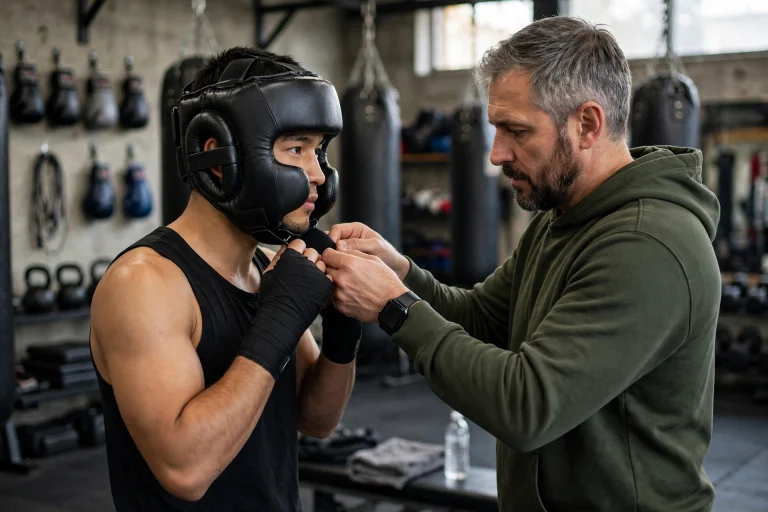
In general terms, judo headgear is not commonly worn, and most judoka train and compete without head protection. Judo is a grappling art built around throws, holds, and groundwork, and its rules, uniform, and training culture do not include a helmet or padded headgear as standard kit. A few judoka wear a soft ear guard for a specific ear problem, but that is the exception, not the norm.
That surprises people who come to judo from wrestling or taekwondo, where ear guards and padded headgear are familiar. This guide explains why headgear is rare in judo, when an ear guard might be used, and what judoka wear instead to stay safe on the mat.
Why Is Headgear Not Worn in Judo?
The first reason is the rules. Judo competition rules do not provide for headgear, and a judoka would not normally be allowed to wear padded headgear in a contest. The judogi, the belt, and the judoka’s own body are the kit, and anything extra that could give an advantage, hide a grip, or change how a throw works is not part of the sport.
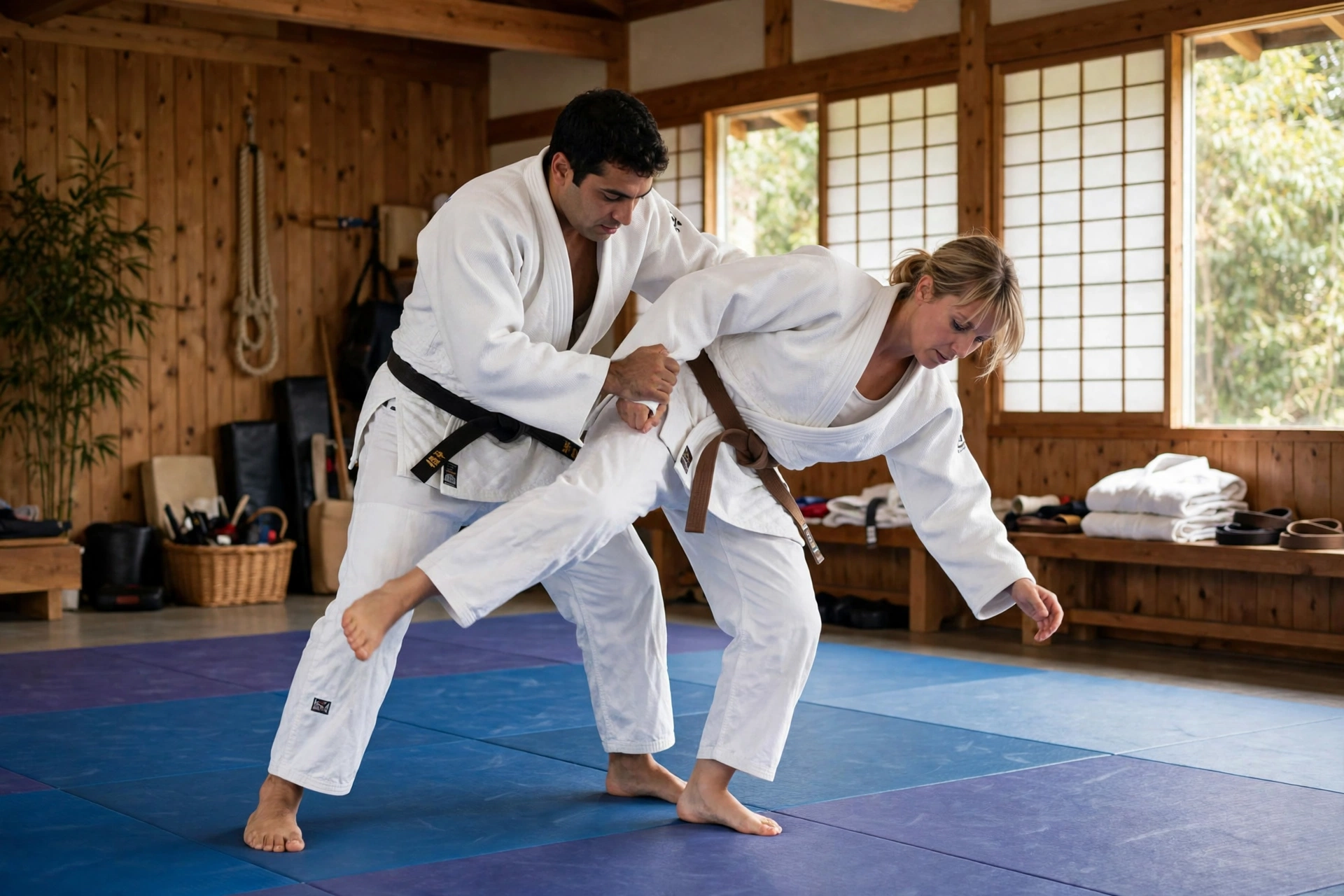
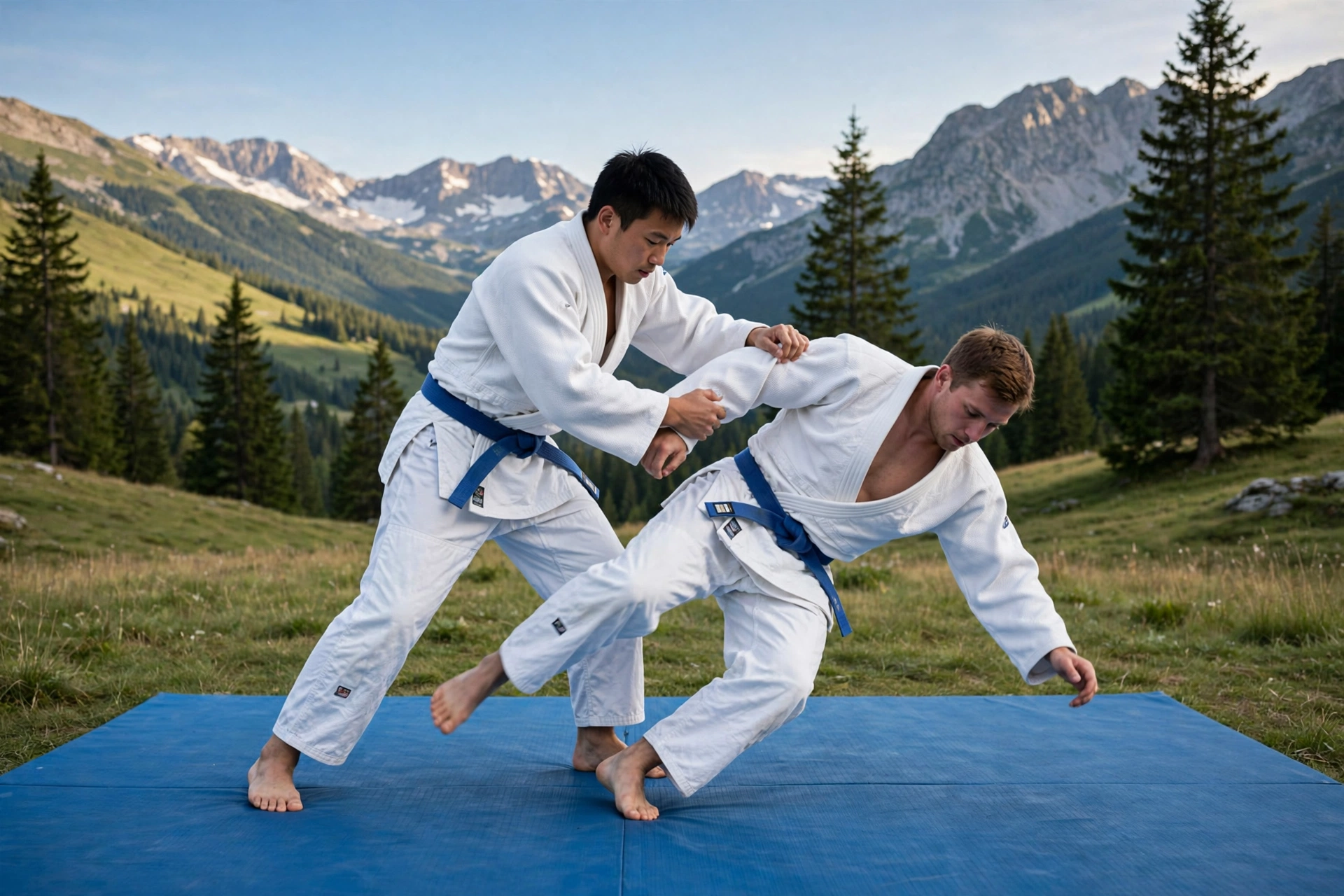
The second reason is the nature of the techniques. Judo throws are practised with breakfalls, where the judoka learns to land safely, tuck the chin, and slap the mat to spread the impact. The head is protected by technique and by a thick mat, rather than by padding worn on the head. A bulky headguard could also get in the way of grips on the collar and sleeve, and could catch during a throw or a hold.
The third reason is culture and habit. Because headgear has never been standard in judo, clubs do not expect it, coaches do not teach with it, and students do not feel its absence. In general terms, a sport’s safety kit grows out of its risks and its history, and in judo that kit is the mat, the breakfall, and controlled practice, rather than headgear.
Do Judoka Ever Wear Ear Guards?
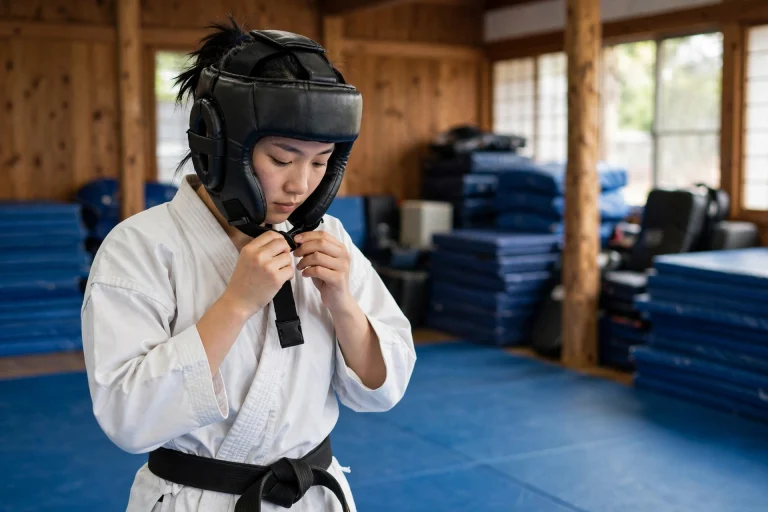
A small number of judoka do wear a soft ear guard, usually because they already have an ear injury or a history of cauliflower ear from wrestling or another grappling sport. These guards are typically soft, close-fitting, and low-profile, so they do not interfere with grips or throws as much as a bulky headguard would. They are worn in training, not in competition, and only with the coach’s agreement.
Even then, ear guards in judo are uncommon. The ear contact in judo is different from wrestling: there is less prolonged grinding of the ear against the mat or an opponent’s head, and more short, dynamic exchanges. A judoka who trains in both judo and wrestling may wear ear guards for wrestling sessions and go without them for judo, switching kit with the sport.
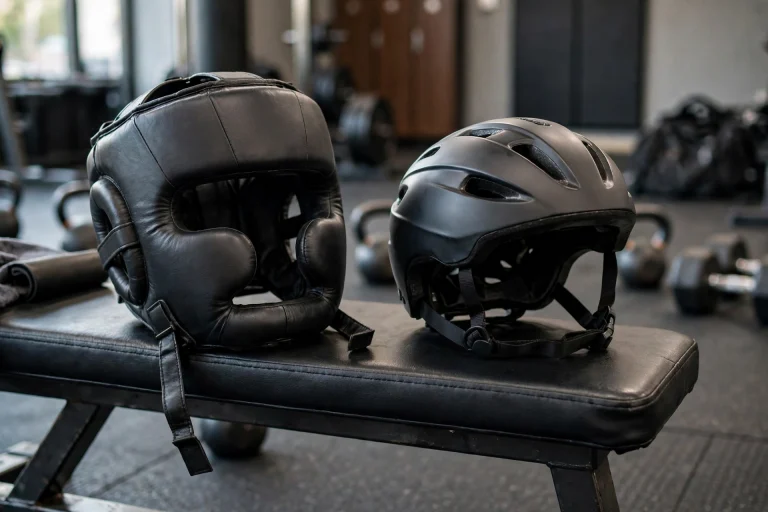
If you are thinking about wearing an ear guard for judo, talk to your coach first. The coach can say whether it is acceptable in that club, whether it will interfere with the techniques you are learning, and whether there is a better way to protect an injured ear, such as resting it or adjusting your training. If you are learning about helmet technology, reading about what MIPS is for helmets can help you understand one of the features you may see listed on protective headgear.
What Protects a Judoka’s Head Instead?
The main protection in judo is the breakfall, known as ukemi. From the first lessons, judoka are taught how to fall safely: tuck the chin to the chest, keep the head off the mat, round the body, and slap the mat with the arm to spread the force. A good breakfall turns a hard throw into a controlled landing, and it is practised so often that it becomes automatic.
The mat is the second layer of protection. Judo is practised on thick, sprung tatami mats that absorb impact far better than a hard floor. Clubs check their mats for gaps, worn spots, and hard edges, because a good mat is as important as good technique. Judoka also train in a clear space, with enough room to fall safely without hitting a wall or another pair.
The third layer is control. Judo is taught in stages, with throws practised slowly at first, then with more speed and resistance as the student improves. Partners are taught to look after each other, to apply throws with control, and to stop if a partner is in trouble. In general terms, a club that teaches control and breakfalls well is doing more for head safety than any piece of headgear could.
Is Headgear Used in Other Grappling Arts?
Yes, and the contrast with judo is useful. In wrestling, ear guards are common because the ear is rubbed and pressed so often in close mat work. In Brazilian jiu-jitsu, some practitioners wear a soft ear guard for the same reason, especially if they have had cauliflower ear before. In taekwondo and other striking arts, padded headgear is used for sparring, where kicks and punches can reach the head.
Each art has its own risks, and its kit follows those risks. Judo’s risks are mainly from throws and falls, which are handled by breakfalls and mats. Wrestling’s risks include prolonged ear friction, which is handled by ear guards. Taekwondo’s risks include strikes to the head, which are handled by padded headgear. There is no single piece of headgear that suits every martial art, and borrowing kit from another sport without understanding the difference can cause more problems than it solves.
For a judoka who also trains in another grappling art, keep the kit separate: wear what that art expects, and follow each club’s rules.
What Should a Beginner Judoka Know About Head Safety?
A beginner judoka should focus on learning breakfalls well before worrying about headgear. Attend the warm-up, practise ukemi every session, and do not rush into full-speed throws before the basics feel natural. If a throw feels wrong or you are unsure how to land, tell your partner and your coach, and practise it slowly until it feels safe.
Listen to your body. If you hit your head, feel dizzy, or feel unwell after a fall, stop training and tell your coach straight away. Do not try to carry on and hope it passes. In general terms, a head knock should always be taken seriously, even if it seemed minor at the time, and medical advice should be sought if symptoms persist.
Finally, respect the mat and the space around it. Keep the training area clear, wear the correct judogi, and follow the club’s safety rules. Head safety in judo comes from good habits practised every session, not from a piece of equipment worn once in a while.
Frequently Asked Questions
Q: Can I wear headgear in a judo competition?
A: In general terms, no. Headgear is not standard kit in judo competition, and you should check the rules for your event and ask your coach before assuming any exception applies.
Q: Why do wrestlers wear ear guards but judoka do not?
A: Wrestling involves more prolonged ear friction on the mat, which raises the risk of cauliflower ear. Judo relies on breakfalls and mats for head safety, and ear guards would interfere with grips and throws.
Q: Should I wear an ear guard for judo if my ear is already injured?
A: Talk to your coach and seek medical advice first. A soft ear guard may be allowed in training, but resting the ear or adjusting your training may be the better option.

Olivia
Writer at Helmet Today, covering helmet reviews, fit and riding safety.