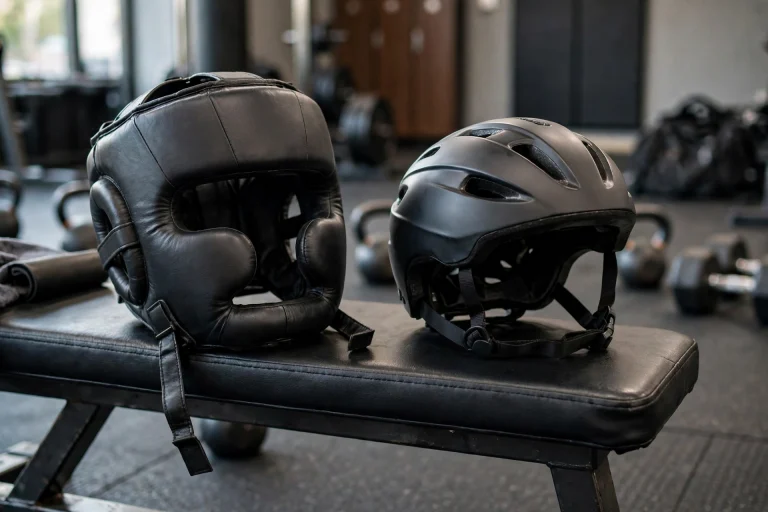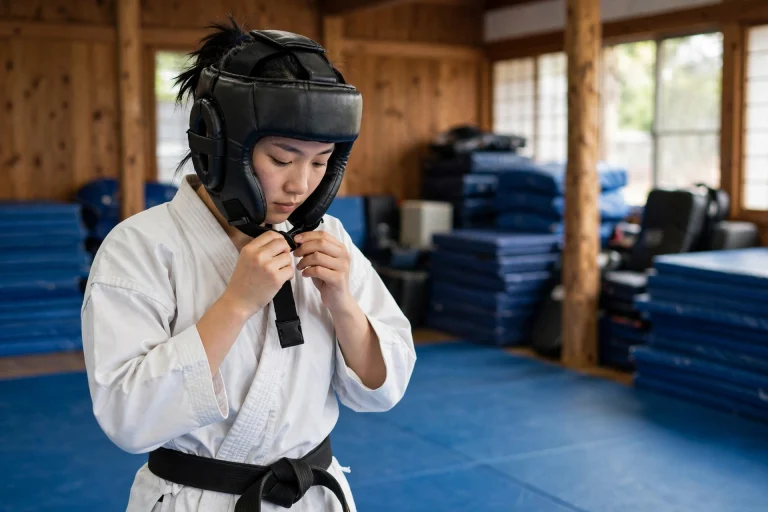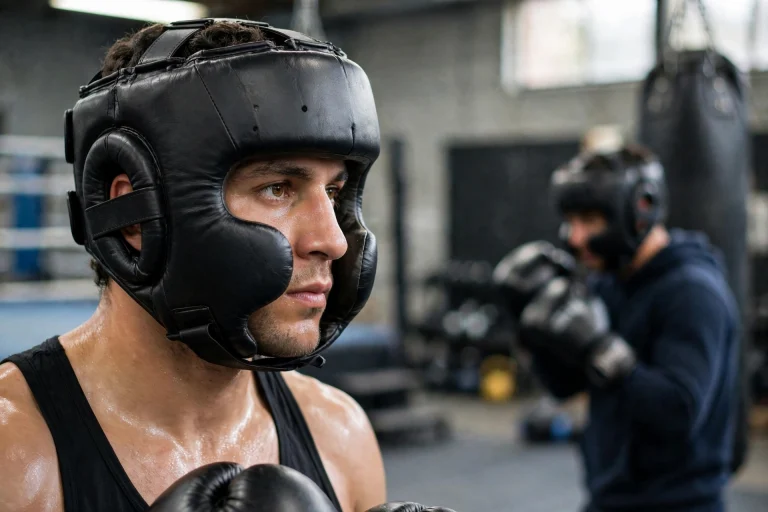
To choose a boxing headguard for training, pick one that fits snugly without slipping, gives the coverage you need for your level, and is made from durable material with even padding — and try it on and move in it before you buy. A headguard is the main protection you wear in sparring, so getting it right matters. A poor fit will distract you, and poor coverage will leave you exposed.
This guide explains the types of headguard, how to judge fit and coverage, and what to check before you commit to one.
What Types of Boxing Headguard Are There?
The main choice is between open-face and full-face headguards. An open-face headguard leaves the cheeks and chin exposed, giving the best vision and the easiest breathing. It is the choice of many experienced boxers, who value seeing punches coming and moving freely. The trade-off is less protection for the cheeks and jaw.
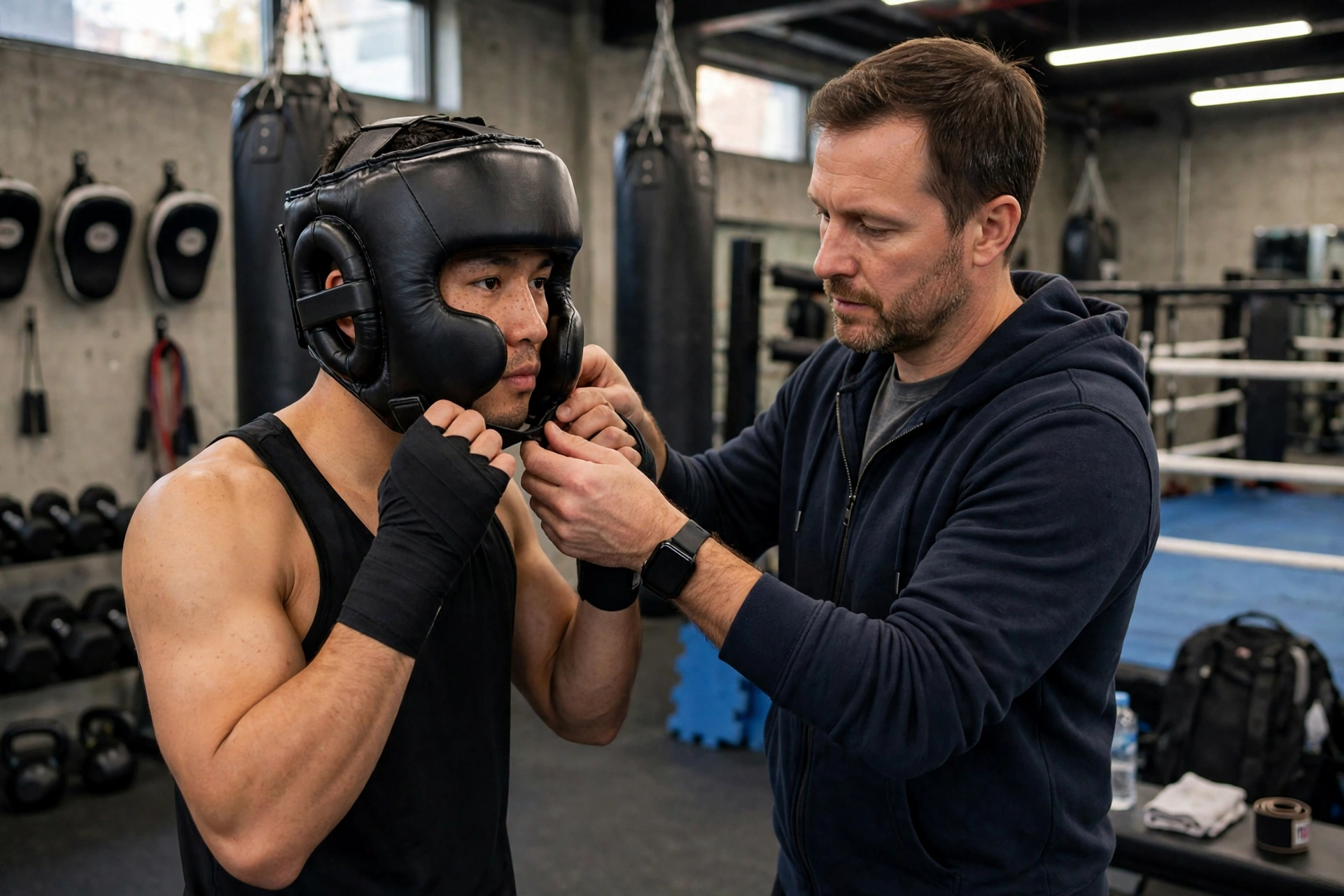
A full-face headguard, sometimes called a headguard with cheek protection, covers the cheeks and sometimes the chin as well. It gives more protection but can restrict peripheral vision and make breathing feel harder. Beginners often choose a full-face design, because the extra coverage gives confidence while they are learning to defend themselves.
There are also headguards with a bar across the face, which give the most protection of all. These are usually used by beginners or by boxers returning from a facial injury. They offer the most coverage, but they restrict vision the most, so they are not the choice for everyone.
How Should a Headguard Fit?
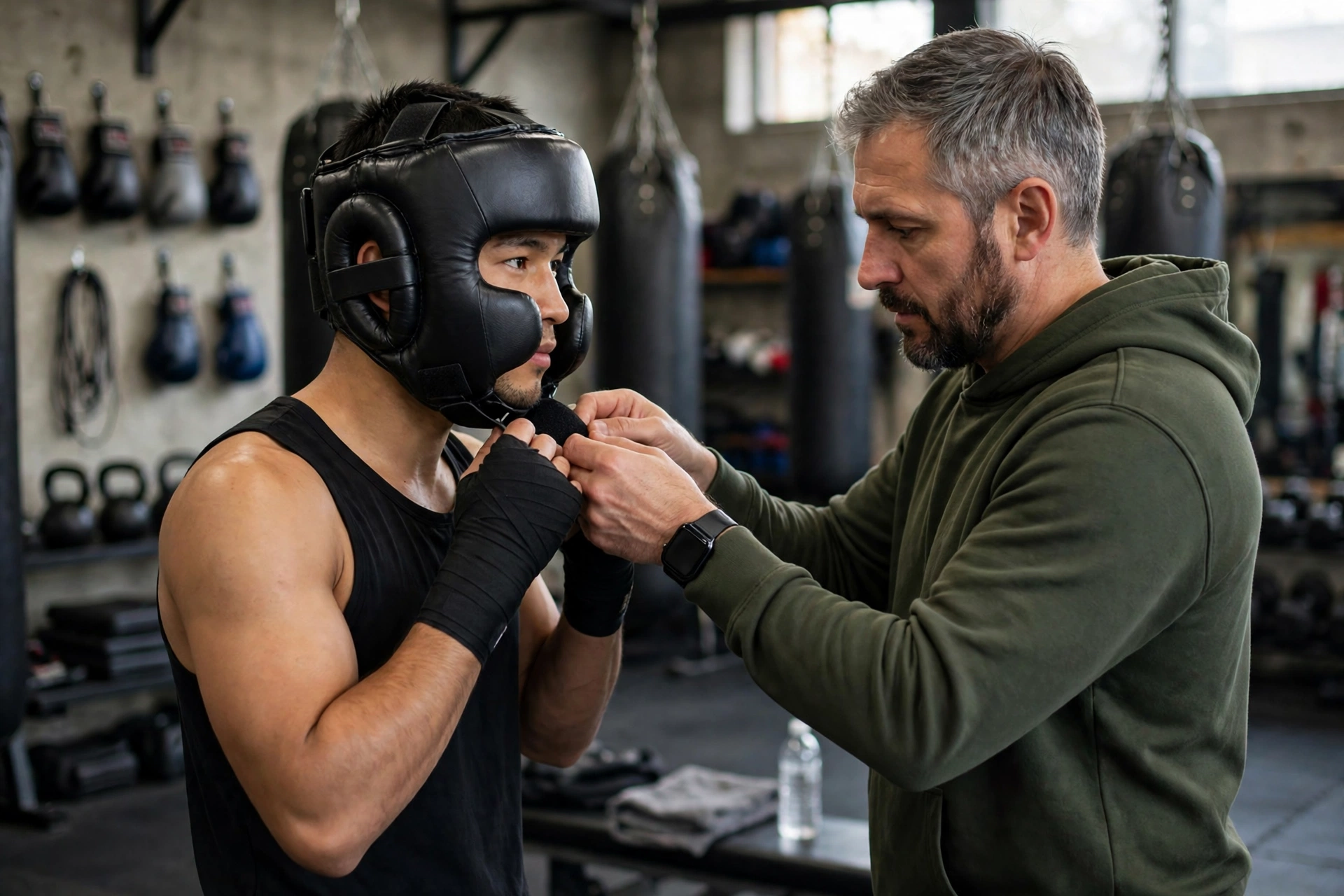
A headguard should fit snugly all round, without pressing hard on any one spot. It should sit level on your head, with the eye openings lined up so you can see clearly in all directions. When you shake your head, the headguard should stay put. If it slips over your eyes, it is too big or the straps are too loose.
Check the fit with your hands wrapped and your mouthguard in, because that is how you will wear it in training. A headguard that fits without a mouthguard may feel tight once you put one in. Move around in it: shadow box, slip, and duck, and check that the headguard does not shift or block your view when you move.
The straps matter as much as the padding. Most headguards fasten at the back and under the chin. The straps should be easy to adjust, hold firmly, and not chafe. A headguard that comes loose in sparring is worse than useless, because it distracts you at the moment you need to focus.
What Materials and Padding Should You Look For?
Headguards are made from leather or synthetic leather over foam padding. Leather is durable, comfortable, and moulds to your head over time, but it costs more and needs care. Synthetic leather is cheaper, easier to clean, and a good choice for a first headguard. Either can work well if the padding underneath is good.
The padding should feel even and firm, without lumps or thin spots. Press the padding all over and check for consistency. Thin or uneven padding will not protect evenly, and it will wear out faster. The lining inside should be comfortable against the skin and easy to wipe clean, because headguards get sweaty fast.
How Much Coverage Do You Need?
Coverage depends on your level and what you are training for. A beginner who is still learning defence benefits from more coverage, because they will take more punches while they learn. An experienced boxer who can slip and block well may prefer an open-face design for the better vision.
Think about what you are sparring for as well. Light technical sparring needs less protection than hard sparring, and a headguard that suits one may not suit the other. Many boxers own one headguard for general training and choose the coverage that works for most of their sparring. If you are learning about helmet technology in general, reading about what MIPS is for helmets can help you understand one of the features found in modern helmets.
What Else Should You Check Before Buying?
Check the brand’s sizing chart, but do not rely on it alone — try the headguard on if you can. Check the stitching and the quality of the straps, and look at the padding where it meets the edges: fraying or loose stitching is a sign of poor quality. Ask your coach for a recommendation, because they will know which headguards hold up well in your gym.
Finally, think about care. A headguard needs regular cleaning: wipe it down after each session and let it air-dry. A headguard that is looked after will last longer and smell better. Replace it when the padding has flattened, the straps no longer hold, or the fit has loosened.
Finally, remember that a headguard is only one part of your boxing kit, and it works best when the rest of your protection is right too. Hand wraps protect your hands and wrists, a mouthguard protects your teeth and jaw, and good coaching teaches you to defend yourself so the headguard is a back-up rather than your only defence. A boxer who relies on the headguard alone, sparring too hard and too often, will still take too many punches — headguard or not. The best approach is to treat the headguard as part of a system: the right fit, the right coverage, sensible sparring, and a coach who watches how hard you are going. Chosen well and used wisely, a headguard lets you train consistently, learn faster, and enjoy the sport for longer.
Frequently Asked Questions
Q: Should a beginner buy an open-face or full-face headguard?
A: In general terms, a beginner benefits from a full-face headguard with cheek protection, because it gives more coverage while they are learning defence. You can move to an open-face design as your skills improve.
Q: How do I stop my headguard slipping during sparring?
A: Make sure it fits snugly and the straps are fastened firmly. If it still slips, the size or shape may be wrong for your head, and a different model may fit better.
Q: How long does a boxing headguard last?
A: It depends on how often you train, but a well-made headguard used regularly will usually last a year or two before the padding flattens and the fit loosens. Replace it when it no longer fits snugly.

Olivia
Writer at Helmet Today, covering helmet reviews, fit and riding safety.