To fix a helmet that is too small, first check whether the fit can be improved with thinner pads or a different liner, and in general terms if the helmet still presses painfully on your head after that, the honest fix is to replace it with the next size up. A helmet that is too small will squeeze your forehead, press on your temples, and give you a headache on a short ride. It is a common problem, and it is worth sorting out properly, because a helmet that hurts will not be worn happily, and a helmet that is not worn is no help at all.
Helmets are sized by the circumference of the head, and the sizes do not always match between makers. A helmet that is marked the same size as your old one can still feel tighter, because the shape of the shell and the thickness of the padding vary. The first step is to measure your head and to work out whether the helmet is truly too small, or whether it just needs time to settle.
How can you tell if a helmet is too small?
You can tell if a helmet is too small by how it feels after a few minutes of wear. A helmet that fits well feels snug all round, with even pressure and no sharp pain. A helmet that is too small presses hard on the forehead or the temples, leaves red marks on the skin, and gives you a headache within a short time. In general terms, if the pressure does not ease after a few minutes, the helmet is too tight.
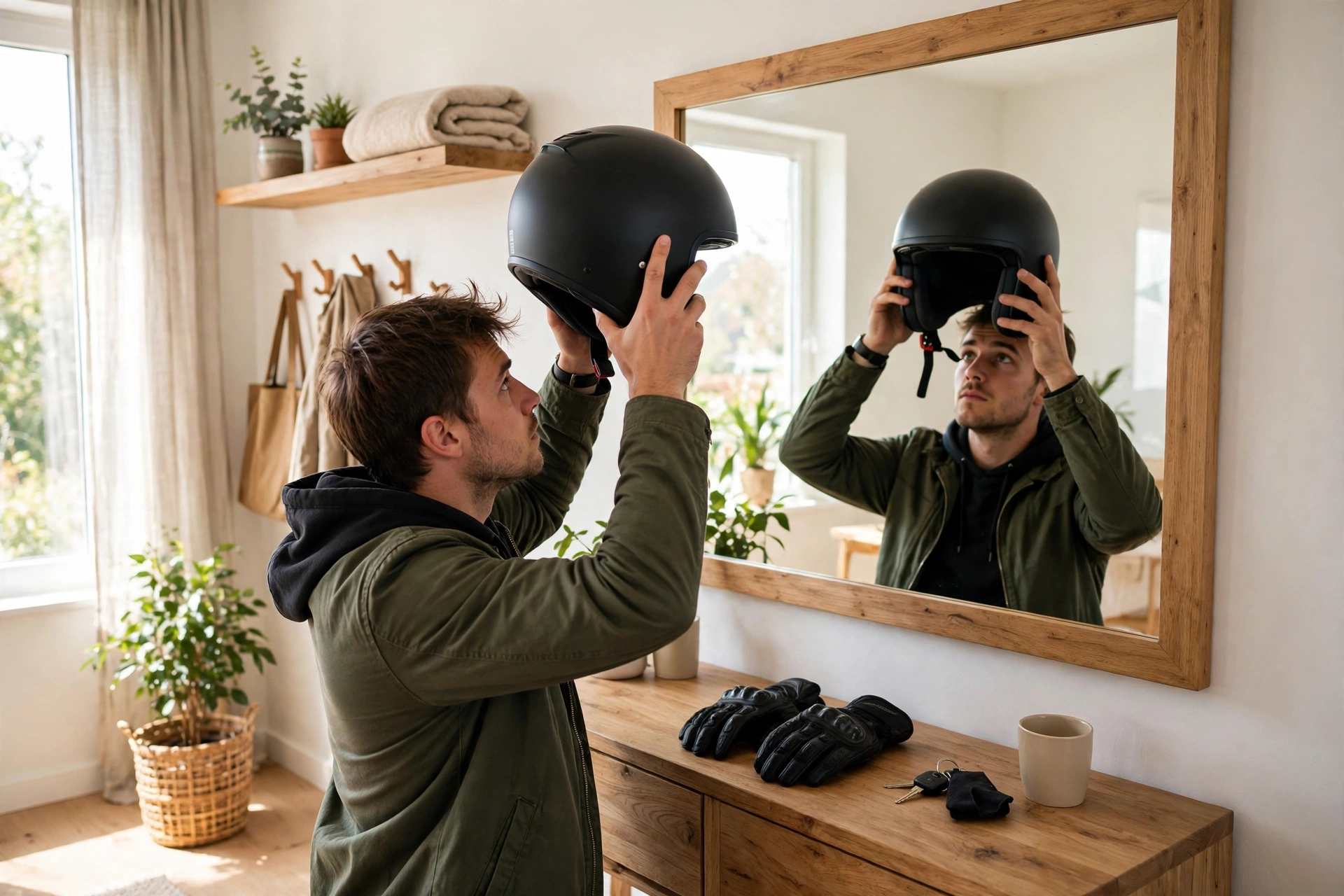
There are other signs too. If you cannot get the helmet on without a struggle, if your ears fold over painfully inside it, or if the helmet sits high on your head like a cap rather than covering your forehead, it is likely too small. A helmet that is too small can also push your glasses into your face or press on the top of your ears. A helmet that fits should sit level, cover the forehead, and stay in place without squeezing.
Can a helmet that is too small be adjusted?
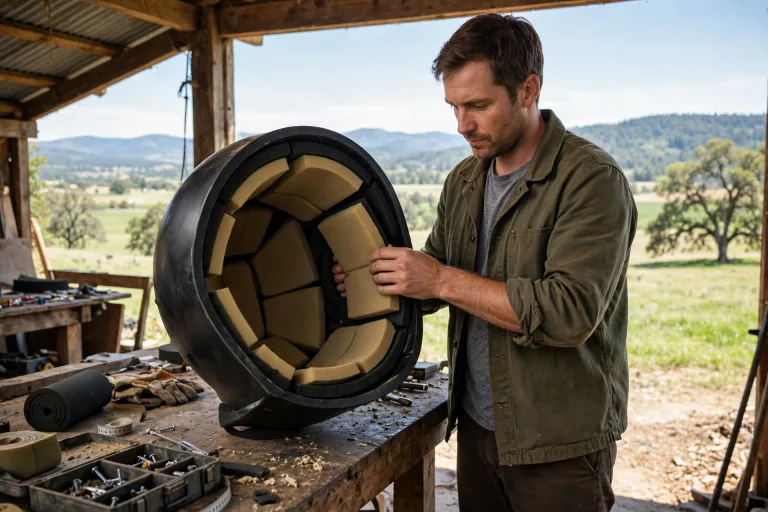
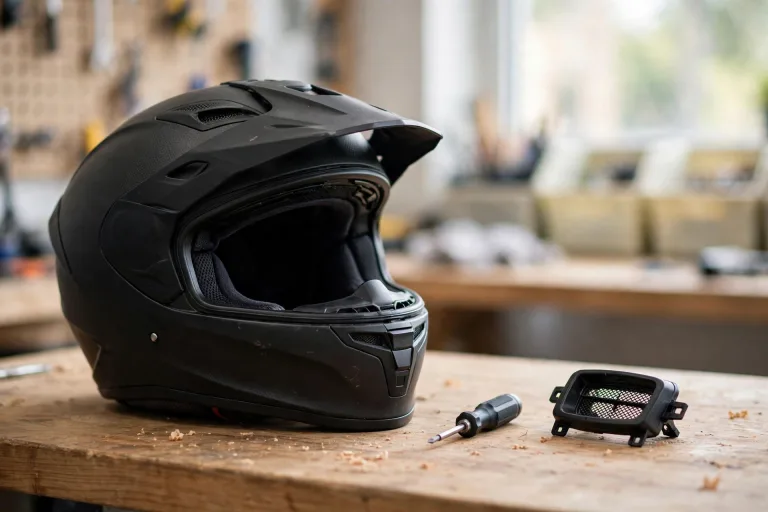
A helmet that is too small can sometimes be adjusted, and the simplest fix is to change the padding. Many helmets have removable cheek pads and crown liners that come in different thicknesses, and swapping to thinner pads can give you the extra room you need. Check with the maker or the dealer to find the right pads for your helmet model, because pads from a different model may not fit properly.
Some helmets also have an adjustable fit system at the back, such as a dial or a sliding cradle, and loosening it fully can help. The straps can be adjusted too, though strap changes will not fix a shell that is too small. In general terms, padding and fit adjustments can solve a helmet that is only slightly tight, but they cannot fix a helmet that is a full size too small. If the shell itself presses on your head, no change of padding will make it right.

Can a tight helmet be broken in?
A tight helmet can sometimes be broken in, because the foam and the fabric padding will settle a little with wear. A new helmet often feels tighter than it will after a few weeks, as the padding compresses where it presses on your head. In general terms, a helmet that is only slightly snug may become comfortable after several rides, and wearing it for short periods at home can help the process along.
There is a limit to this, though. Foam that is meant to protect your head should not be crushed or cut away to make room, because that would weaken the helmet. Never use heat, tools, or force to stretch a helmet shell, and never remove padding that is fixed in place. If the helmet still hurts after a reasonable time, or if the pressure causes pain rather than mild snugness, the helmet is too small and breaking it in will not fix it.
What should you do if the helmet cannot be fixed?
If the helmet cannot be fixed, the right step is to replace it with the next size up. Measure your head carefully with a soft tape, just above the eyebrows and around the widest part of the head, and compare the number with the maker’s size chart. Try the new size on in a shop if you can, and wear it for several minutes to check that the pressure is even and comfortable.
When you try a new helmet, check that it sits level, covers your forehead, and stays in place when you shake your head. The chin strap should fasten securely without pulling the helmet down too far. A helmet that is the right size should feel snug but not painful, and you should be able to wear it for a long ride without a headache. Keep the receipt and the box until you are sure the fit is right.
How do you avoid buying a helmet that is too small?
You can avoid buying a helmet that is too small by measuring your head before you shop and by trying the helmet on properly. Measure in the evening, when your head may be slightly larger, and take the number twice to be sure. Use the maker’s size chart rather than guessing, and remember that sizes can differ between brands, so a size that fits in one brand may be tight in another.
When you try a helmet on, wear it for at least a few minutes in the shop, and check for pressure on the forehead and temples. If the shop allows it, walk around with the helmet on and see how it feels. Riders who are choosing a new helmet may also want to learn about features that can help in a fall, including a system designed to reduce rotational forces, such as MIPS, which is found in many modern helmets. A helmet in the right size, worn every time, gives a rider the best chance of a comfortable and safe ride.
Is it safe to wear a helmet that is too small?
In general terms, a helmet that is too small is not a good choice. It can cause pain and distraction, and it may not sit correctly on the head, which can affect how it protects you in a fall.
Can I swap the pads to make a helmet bigger?
Yes, in many helmets you can swap to thinner cheek pads or a thinner crown liner, and that can help if the helmet is only slightly tight. Check with the maker for pads made for your helmet model.
Should I buy a size up if I am between sizes?
In general terms, if you are between sizes, try both and choose the one that feels snug without pain. A helmet that is too loose is also a problem, so fit should be checked carefully in both sizes.

Olivia
Writer at Helmet Today, covering helmet reviews, fit and riding safety.