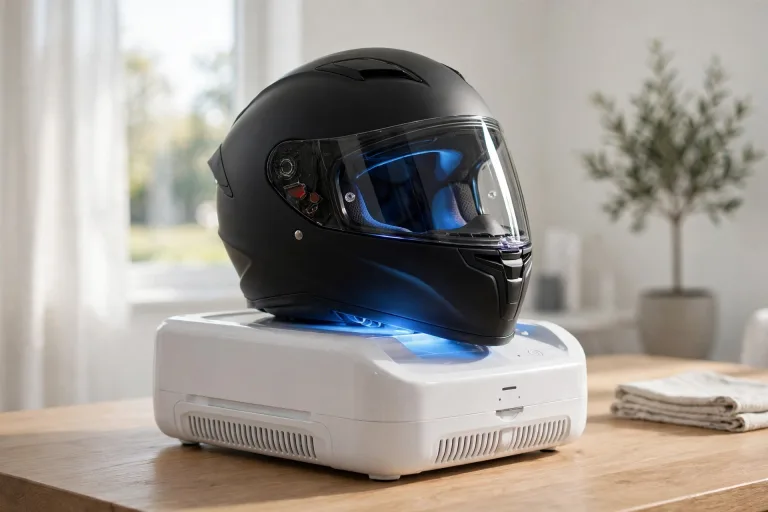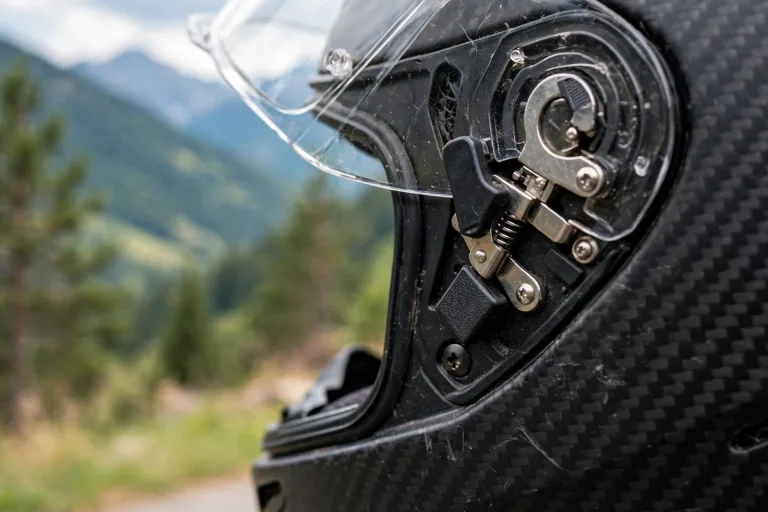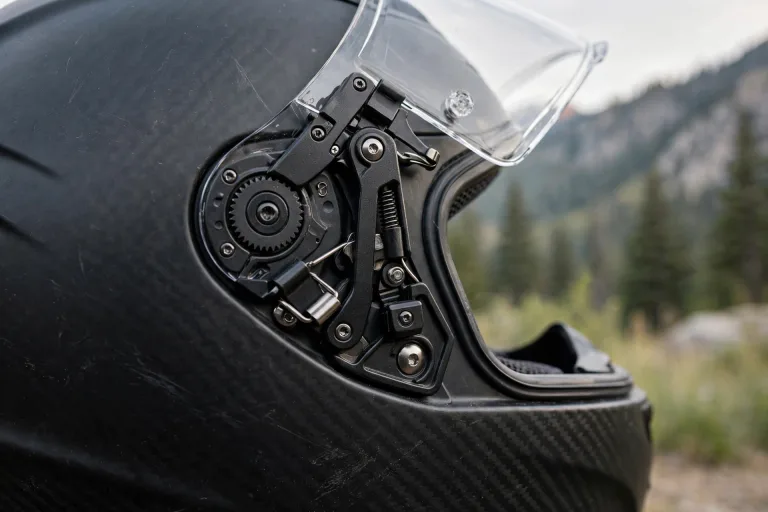
A helmet cooling pad is a soft pad that fits inside a helmet to draw heat and sweat away from the head, and in general terms it can make a helmet feel cooler and more comfortable on a hot day, although it does not turn a helmet into an air-conditioned one. The pad is usually made from a breathable fabric or a gel-like material, and it sits between the head and the helmet lining, where it can absorb sweat and help air move around the scalp.
A cooling pad is not a separate piece of safety equipment. It is an accessory that goes inside a helmet that already fits well, and it should never change the way the helmet sits on the head or loosen the chin strap. The idea is simple: a cooler, drier head is a more comfortable head, and a comfortable helmet is one that a person is more likely to keep wearing.
How does a helmet cooling pad work?
A helmet cooling pad works, in general terms, by managing sweat and heat rather than by producing cold air. Most pads are made from a moisture-wicking fabric that pulls sweat away from the skin, so the skin feels drier and the sweat can evaporate more easily. Some pads use a gel or a phase-change material that feels cool when it is first put on, and some are designed to be soaked in water and then wrung out, so that evaporation from the wet pad cools the head as air moves through the helmet vents.
The cooling effect depends a great deal on airflow. A pad inside a helmet with good vents will work better than the same pad inside a helmet with almost no airflow, because moving air carries heat and moisture away. On a still, humid day, the effect may be much smaller, and a pad that is soaked through with sweat can start to feel heavy and warm instead of cool.
What types of helmet cooling pad are there?
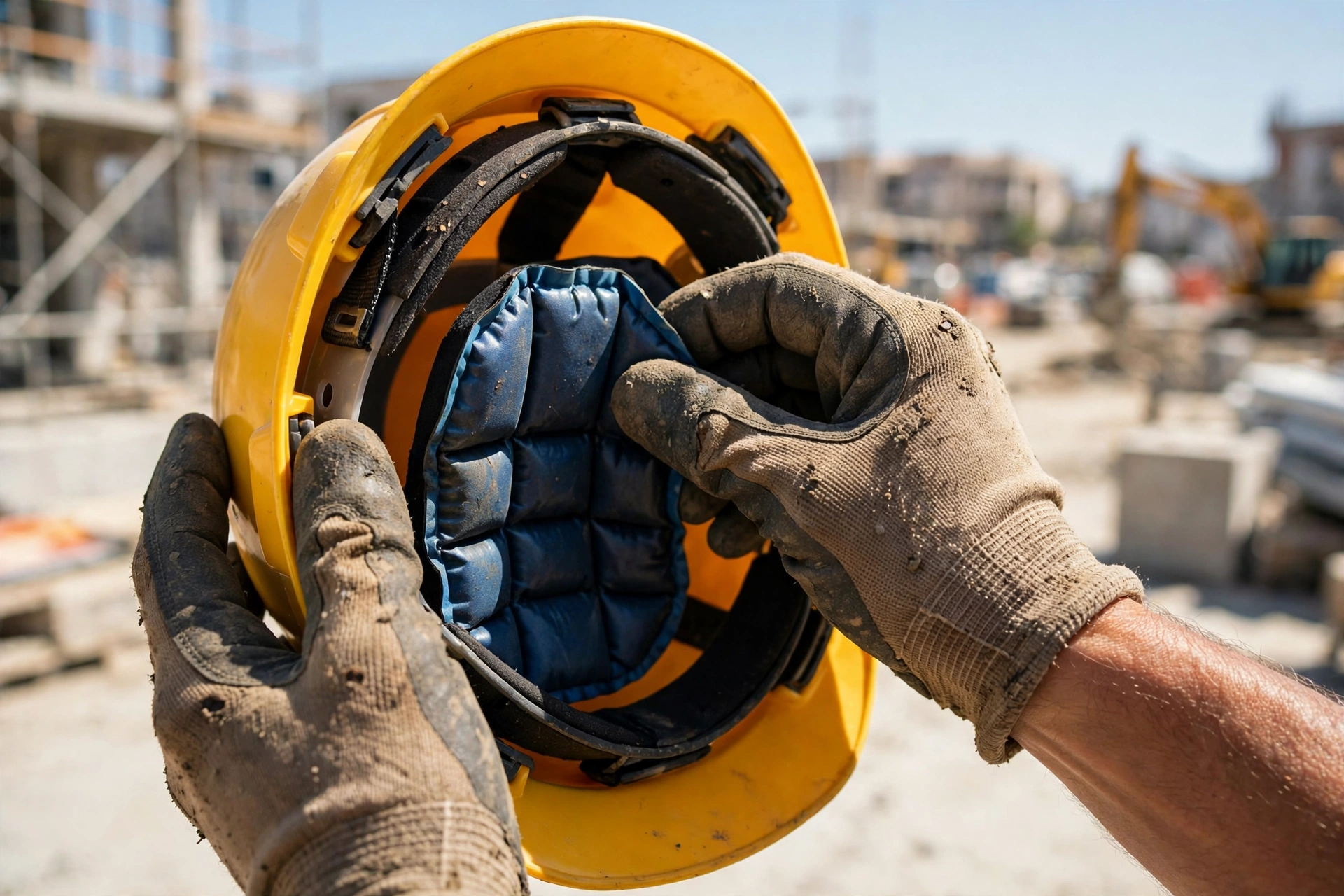
There are several types of helmet cooling pad, and the right choice depends on the helmet and on the work being done. A simple sweatband-style pad is a thin band of absorbent fabric that sits around the forehead, and it is useful for catching sweat before it runs into the eyes. A full skull-cap liner covers more of the head and can be worn under a helmet, and it often has a mesh top that lets heat escape. A gel pad is thicker and feels cool to the touch, and it is often shaped to fit the crown of the helmet.
Some cooling pads are made to be soaked in water before use, while others are meant to be worn dry and simply wick sweat away. A water-activated pad needs to be wrung out well before it goes into the helmet, or it will drip and make the lining damp. A dry pad is simpler to use, but it may not feel as cool at first.
Who can benefit from a helmet cooling pad?
Anyone who wears a helmet in warm weather can benefit from a cooling pad, in general terms, but it is most useful for people who wear a helmet for hours at a time. Construction workers, road workers, and other outdoor workers often wear a hard hat or a safety helmet through the hottest part of the day, and a cooling pad can make that long wear more bearable. Motorcyclists and cyclists on hot days, and riders in warm climates, may also find that a pad keeps sweat out of their eyes and makes the helmet feel less stuffy.
A cooling pad can also help people who sweat heavily, or who find that a helmet lining irritates their skin when it is damp. A soft pad between the skin and the lining can reduce rubbing and chafing, and a washable pad is easier to keep clean than a fixed helmet lining. Parents of children who wear a helmet for cycling or for sport may find a pad useful too, because a child who finds a helmet hot and itchy is more likely to pull it off.
How do you fit and use a helmet cooling pad?
To fit a helmet cooling pad, the pad should be placed inside the helmet so that it lies flat against the lining, without bunching up or folding over on itself. The helmet should then be put on in the usual way, and the wearer should check that it still sits level on the head, covers the forehead, and stays in place when the head is shaken gently from side to side. The chin strap should be fastened as normal, and it should feel the same as it did before the pad was added.
A water-activated pad should be soaked, wrung out, and fitted just before use, and it should be taken out and dried after the helmet is taken off. A dry pad should be removed at the end of the day and allowed to air out, and it should be washed regularly, following the maker’s instructions. A pad that is left damp inside a helmet can start to smell, and it can also make the helmet lining damp and less pleasant to wear.
What should you look for when buying a helmet cooling pad?
When buying a helmet cooling pad, the first thing to look for is the fit, because a pad that does not suit the helmet is of little use. The pad should match the shape of the helmet, and it should be thin enough to leave the fit unchanged. The material matters too: a breathable, moisture-wicking fabric is a good choice for everyday use, while a gel pad may suit someone who wants a stronger cooling feeling for a short period.
The buyer should also think about how the pad will be used, and whether it needs to work with other gear, such as glasses, ear protection, or a visor. A pad that pushes glasses out of place, or that gets in the way of a chin strap, is not the right one. People choosing a helmet or an accessory for it may also want to learn about features that can help in a fall, including a system designed to reduce rotational forces, such as MIPS, which is found in some helmets. A cooling pad is a comfort accessory, and it should be chosen with the same care as any other part of the helmet, so that comfort and protection go together rather than working against each other.
Do helmet cooling pads really work?
Yes, in general terms a helmet cooling pad can make a helmet feel cooler and drier, especially when there is airflow through the helmet. The effect is modest and depends on the weather, the helmet, and the type of pad.
Can a cooling pad make a helmet unsafe?
A cooling pad can make a helmet less safe if it is too thick and changes the fit, or if it stops the helmet sitting level on the head. A thin pad that leaves the fit unchanged should not cause a problem.
How often should a helmet cooling pad be washed?
A helmet cooling pad should be washed regularly, in general terms after a day of heavy sweating, and it should be dried fully before it is used again. A damp pad left inside a helmet can start to smell and feel unpleasant.

Olivia
Writer at Helmet Today, covering helmet reviews, fit and riding safety.