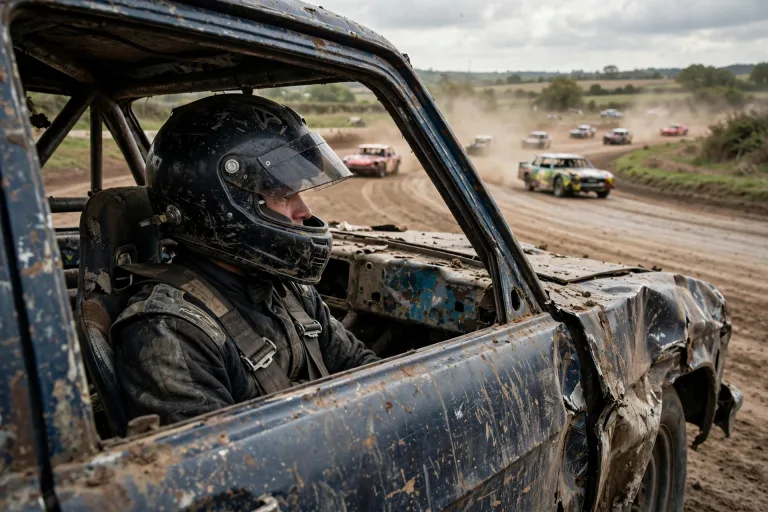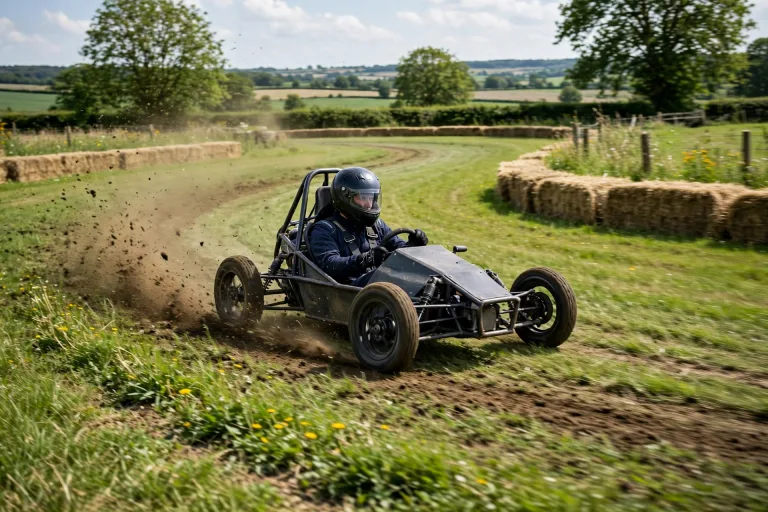
A helmet for vintage racing is a helmet worn by a driver in a historic or classic race car, and in general terms it should give modern protection while also suiting the look and the rules of the vintage event. Vintage racing covers cars from earlier decades, from pre-war machines to classic cars of the 1960s and 1970s, and the drivers race them on real circuits at real speeds. A helmet is essential safety equipment in that setting, because a crash in an old car, which may have little in the way of modern crash protection, can be a serious one.
The challenge for a vintage racing driver is to balance safety with authenticity. Some events ask drivers to wear a helmet that looks in keeping with the period of the car, while others simply ask for a helmet that meets a current safety standard. A driver should always check the rules for the event before choosing a helmet, because the rules are what decide which helmets are allowed on the grid.
Why do vintage racing drivers need a helmet?
Vintage racing drivers need a helmet because they are racing at speed in cars that were built long before modern safety features were common. Many vintage cars have no crumple zones, no airbags, and sometimes only a simple lap belt or no seat belt at all, so the driver is more exposed in a crash than a driver in a modern car. A helmet gives protection against a head injury if the car rolls, spins into a barrier, or is struck by another car.
There is also the risk of being struck by debris, or by part of the car itself, if something breaks at speed. A helmet with a visor helps to protect the face and the eyes from stones, oil, and pieces of bodywork, and it also helps the driver to keep their vision clear in rain or in spray. In general terms, a helmet is the most important piece of safety equipment a vintage racing driver wears, and it should be chosen with the same care as the car is prepared.
What kind of helmet is best for vintage racing?
The best helmet for vintage racing is, in general terms, a helmet that meets the safety standard required by the event and fits the driver well. Many drivers choose a full-face helmet, because it protects the whole head and the face, and it works well with a visor and with a head restraint system where one is used. An open-face helmet, which leaves the face exposed, is sometimes chosen for its period look, but it gives less protection, and it is not allowed at every event.
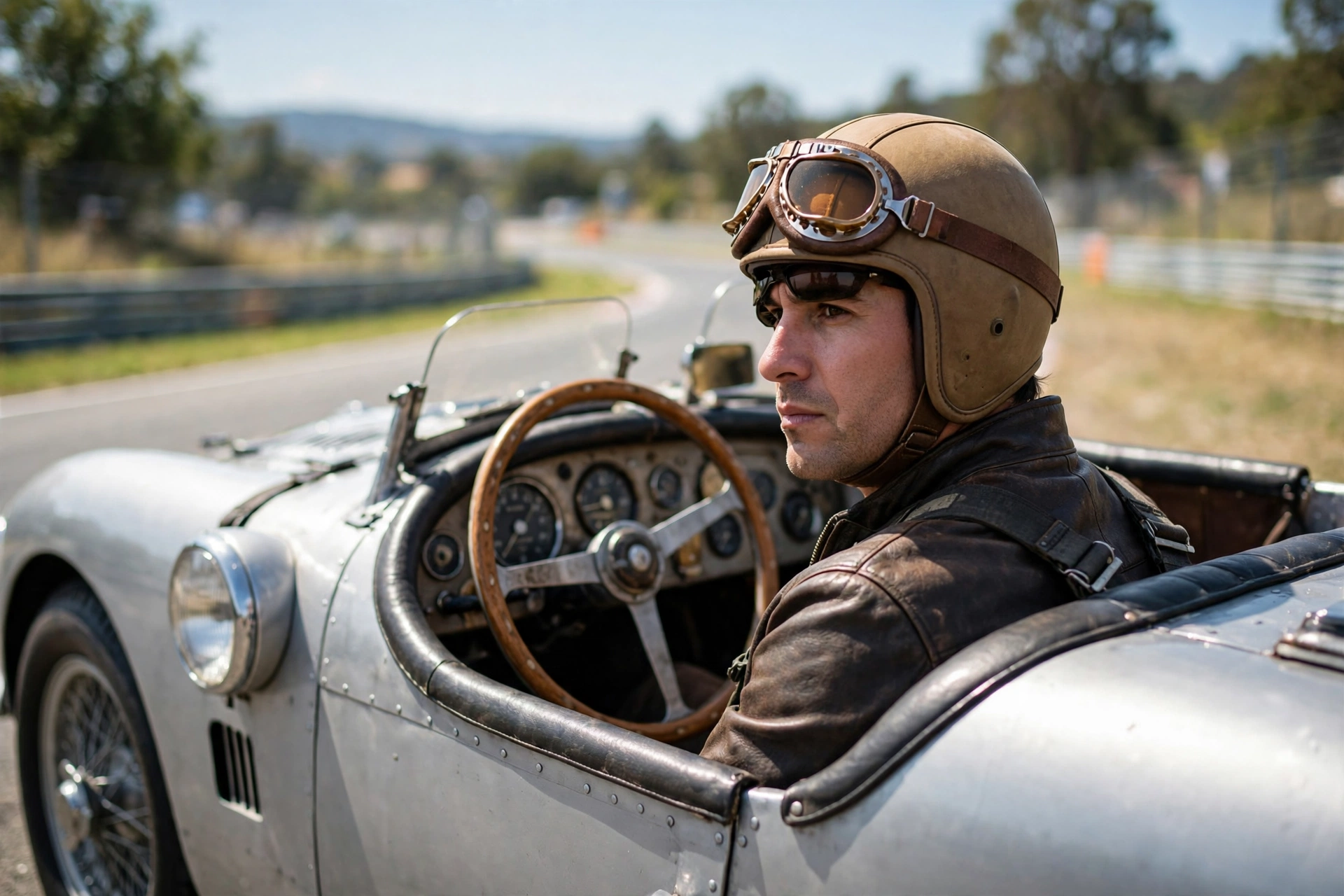
Some drivers choose a helmet with a classic look, such as a simple white shell with a period-style paint scheme, and that can suit the spirit of vintage racing very well. The look of the helmet should never come before safety, though, and a helmet that looks right but does not meet the event’s standard is not a good choice. A driver should check the standard, the fit, and the condition of the helmet before every race, and should replace a helmet that has taken a knock or that no longer fits well.
How should a helmet for vintage racing fit?
A helmet for vintage racing should fit snugly, sit level on the head, and stay in place when the driver shakes their head or leans into a corner. The helmet should cover the forehead and the top of the head, and the chin strap should be fastened securely every time the driver is in the car. A strap that is left loose lets the helmet lift or slide in a crash, and a helmet that comes off is no help at all.
The fit should be checked with the other gear the driver will wear, such as a balaclava, goggles, or a head restraint device, because these can change how a helmet sits. A balaclava should lie flat under the helmet without bunching up, and a head restraint should sit neatly against the helmet without pushing it forward. The driver should also check that the helmet does not block their hearing, because a racing driver needs to hear the engine, other cars, and any warnings from the marshals.
What rules apply to helmets in vintage racing?
The rules for helmets in vintage racing are set by the organisers of each event, and they can be different from one event to another. Most events ask for a helmet that meets a recognised safety standard, and some ask for a helmet that is within a certain age, because a helmet’s materials can wear out over time. A driver should read the event rules well before the race, and should bring the helmet’s paperwork or labels with them if the event asks to see them.
Some events also have rules about the look of the helmet, such as asking for a plain colour or a period-style design, and a driver who turns up with a helmet that breaks those rules may not be allowed to race. It is far better to check in advance than to be turned away at the circuit. A driver who is unsure should ask the organisers directly, because a short question before the event can save a wasted journey on the day.
How should a vintage racing helmet be looked after?
A vintage racing helmet should be looked after with regular cleaning and sensible storage, in the same way as any motorsport helmet. After a race, the driver should wipe the shell clean, let the lining air out, and check the visor for scratches or damage. A visor that is scratched or cloudy should be replaced, because a driver needs a clear view of the track. The helmet should be stored in a cool, dry place, away from direct heat and sunlight, and kept in a helmet bag when it is not in use.
The helmet should also be checked for cracks, dents, or damage to the shell after every race, and in general terms a helmet that has taken a serious impact should be replaced rather than used again. Drivers who are choosing a new helmet may also want to learn about features that can help in a crash, including a system designed to reduce rotational forces, such as MIPS, which is found in some motorsport helmets. A well-kept helmet, worn every time, gives a vintage racing driver the best chance of enjoying a classic car in safety.
Can a modern helmet be used for vintage racing?
Yes, in general terms a modern helmet that meets the event’s safety standard is often the best choice for vintage racing. The driver should check the event rules first, because some events have rules about the helmet’s look or age.
Is an open-face helmet safe for vintage racing?
An open-face helmet gives less protection than a full-face helmet, because the face is exposed, and it is not allowed at every event. A driver should check the rules and, in general terms, choose a full-face helmet where one is allowed.
When should a vintage racing helmet be replaced?
A vintage racing helmet should be replaced after a hard impact or a crash, or when it no longer fits well, shows damage, or has reached the age limit set by the event. When in doubt, replace it rather than keep racing in it.

Olivia
Writer at Helmet Today, covering helmet reviews, fit and riding safety.