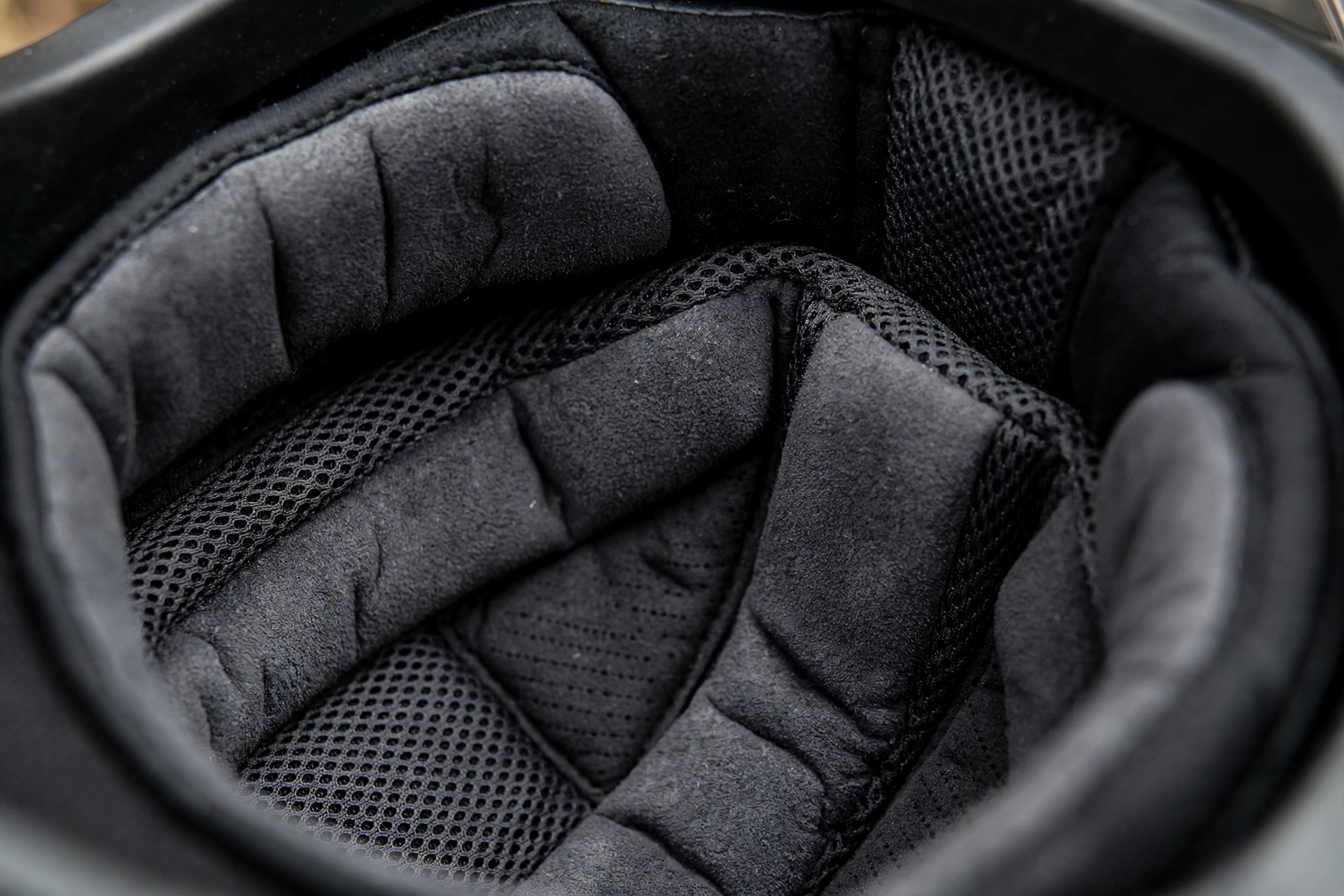
Coolmax in a helmet liner is a moisture-wicking fabric made from specially shaped polyester fibres, used to pull sweat away from the skin and help the inside of the helmet feel drier and cooler, and in general terms it is a comfort feature rather than a safety feature. Coolmax is a brand name for a type of fabric, and it appears in the liners of many helmets, from bike helmets to work helmets. It does not change how the helmet protects your head, but it can make a real difference to how the helmet feels on a long, hot ride.
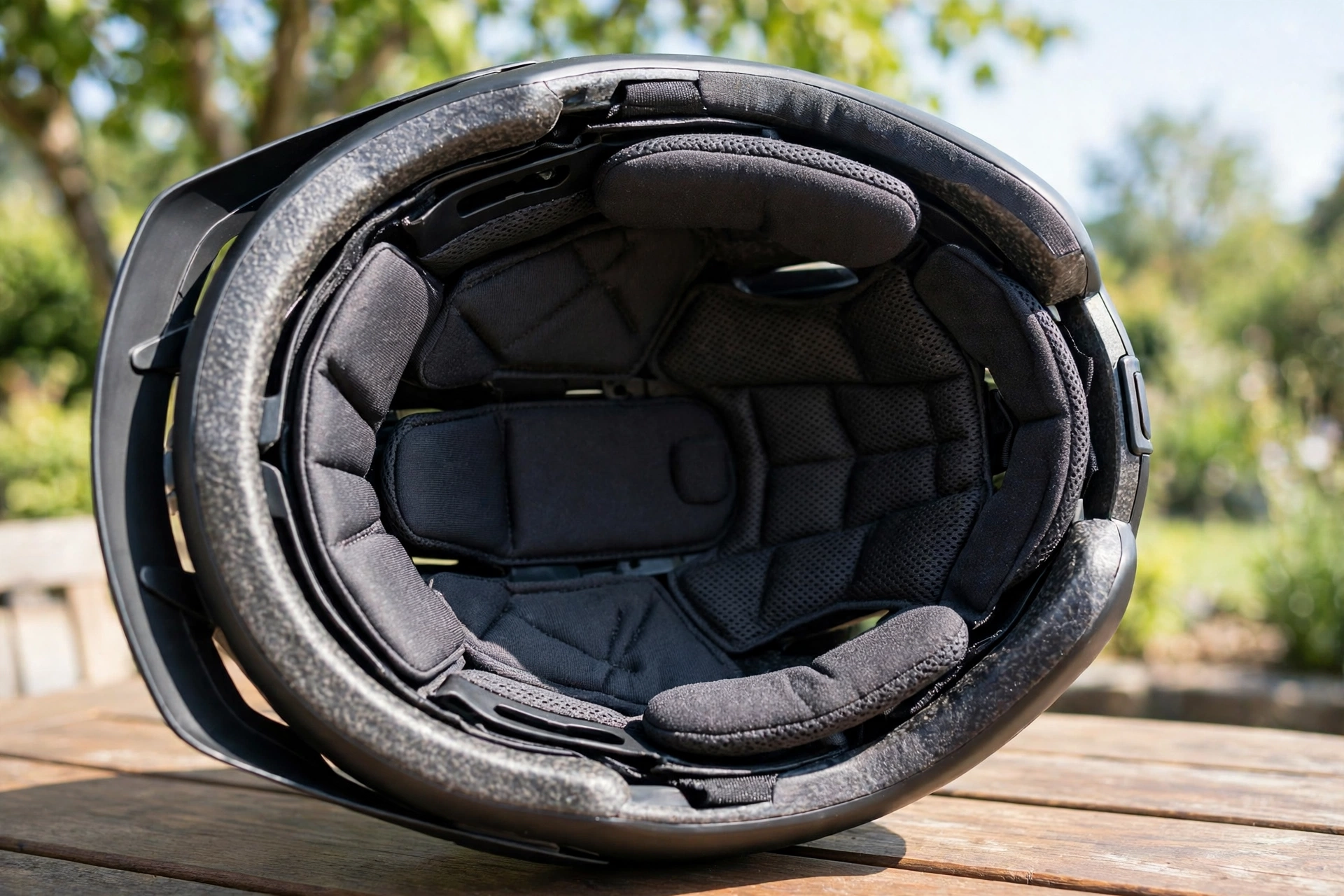
A helmet liner sits between your head and the foam of the helmet, and it is the part that touches your skin. On a warm day, or during hard work, your head sweats, and that sweat can make the liner damp, heavy, and uncomfortable. Coolmax is designed to deal with that sweat, and understanding how it works helps you choose and care for your helmet.
How does Coolmax work in a helmet liner?
Coolmax works by moving moisture away from the skin through the shape of its fibres. The fibres are not round like ordinary polyester fibres; they have channels along their length that draw sweat away from the skin and spread it out over a wider area of the fabric. In general terms, this wicking action helps the sweat to dry more quickly, so the liner feels drier against the skin.
The effect is a cooler, drier feeling inside the helmet, because sweat that sits on the skin traps heat, while sweat that is drawn away can evaporate and carry heat with it. Coolmax does not cool the head on its own like a fan or a vent, and it works best when air can move through the helmet. Vents in the shell let fresh air in, and the Coolmax liner helps that air carry moisture away from the head.
What are the benefits of a Coolmax helmet liner?
The main benefit of a Coolmax helmet liner is comfort on warm days and during hard effort. A liner that stays drier is less likely to feel clammy or heavy, and it is less likely to irritate the skin. Riders who wear a helmet for hours at a time, such as commuters, tourers, and workers, often notice the difference most, because sweat builds up over a long day.
There are other benefits too. A liner that dries quickly is less likely to develop a smell, because damp fabric is where odour builds up fastest. Coolmax fabric is also light and soft against the skin, and it is often used in liners that can be removed and washed. A liner that is easy to wash and quick to dry is a practical feature, and it helps the helmet stay fresh between rides.
Is Coolmax better than other helmet liner fabrics?
Coolmax is, in general terms, a good choice for a helmet liner, but whether it is better than other fabrics depends on what you need from the helmet. Cotton liners feel soft, but they soak up sweat and dry slowly, so they can feel heavy and damp on a long ride. Wool liners can manage moisture well and feel warm in cold weather, but they may be warmer than you want on a hot day. Mesh liners let air through easily, but they may not wick sweat as well as Coolmax.
Many modern helmet liners mix fabrics to get the best of each one, with Coolmax in the parts that touch the skin most and mesh in the parts where air needs to flow. The best liner for you depends on your climate, your activity, and how long you wear the helmet. A rider in a hot climate will value wicking and drying more, while a rider in a cold climate may value warmth and wind protection instead.
How do you care for a Coolmax helmet liner?
You care for a Coolmax helmet liner by washing it gently and letting it dry naturally, in the same way as any helmet liner. If the liner comes out of the helmet, remove it and wash it by hand in cool water with a mild soap, then rinse it well and let it air dry away from direct heat. Strong heat, such as a hot radiator or a tumble dryer, can harm the fabric over time, so a cool, dry place is a better choice.
If the liner is fixed in place and cannot be removed, wipe it with a damp cloth and a little mild soap, then let the helmet dry with the vents open. Do not use strong cleaners, bleach, or solvents on the liner, because they can damage the fabric and the foam beneath it. A liner that is washed often and dried properly will keep its wicking ability for longer, and it will keep the helmet feeling fresh.
Should you choose a helmet because it has Coolmax?
You should not choose a helmet because it has Coolmax alone, because fit and protection matter far more than the liner fabric. A helmet that fits well and is in good condition will protect your head, while a helmet with a good liner but a poor fit will not. In general terms, Coolmax is a useful comfort feature to look for once the fit, the size, and the safety of the helmet are right.
When you try a helmet on, check that it sits level, covers your forehead, and stays in place when you shake your head. Then consider the liner: is it soft against your skin, does it feel breathable, and can it be removed and washed? Riders who are choosing a new helmet may also want to learn about features that can help in a fall, including a system designed to reduce rotational forces, such as MIPS, which is found in many modern helmets. A helmet that fits well, with a liner that keeps you comfortable, gives a rider the best chance of wearing it every time.
Does Coolmax make a helmet safer?
No, in general terms Coolmax does not make a helmet safer. It is a comfort feature that helps with sweat and drying, while protection comes from the shell, the foam, and the fit of the helmet.
Can a Coolmax liner be washed?
Yes, in most helmets the Coolmax liner can be removed and washed by hand in cool water with a mild soap. Let it air dry away from direct heat, and check the maker’s guidance for your helmet.
Does Coolmax keep your head cool in summer?
In general terms, Coolmax helps your head feel cooler by moving sweat away from the skin so it can dry. It works best with good helmet vents that let air flow through the helmet.

Olivia
Writer at Helmet Today, covering helmet reviews, fit and riding safety.