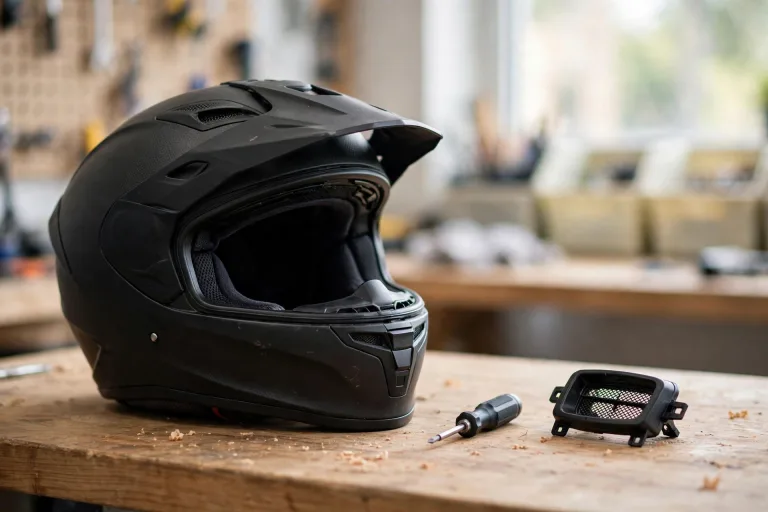
A helmet that is too big can often be fixed by adding thicker fit pads, tightening the fit system, and adjusting the straps, and in general terms these changes work when the helmet is only slightly too large, while a helmet that is far too big should be replaced rather than padded out. A helmet that is too big will rock on the head, slide down over the eyes, or lift in the wind, and it will not protect the head properly in a fall. The fix is about making the helmet sit snugly and stay still, and the rider should check the result honestly before trusting the helmet again.
Many riders find that a helmet is too big when they first try it on, or when a helmet that once fitted well has loosened with wear. The pads inside a helmet can compress over time, and a helmet bought a size too large will never feel right without help. Before buying a new helmet, it is worth trying the simple fixes first, because they cost little and they often solve the problem.
How can I tell if my helmet is too big?
A helmet is too big if it rocks from side to side when the rider shakes their head, or if it slides forward over the eyes when the rider looks down. A simple check is to fasten the chin strap and try to move the helmet: it should move the skin of the forehead with it, and it should not slide freely. In general terms, a helmet that moves easily on the head is too big, and it will not stay in place in a fall.
Another sign is a gap between the pads and the head. A rider should feel the pads pressing gently and evenly all around the head, with no empty space at the sides or the back. If the rider can fit a finger between the pad and the head, or if the helmet feels loose even with the chin strap tightened, the helmet is too big. A helmet that sits too high on the head, leaving the forehead exposed, is also a sign of a poor fit.
Can thicker pads make a big helmet fit?
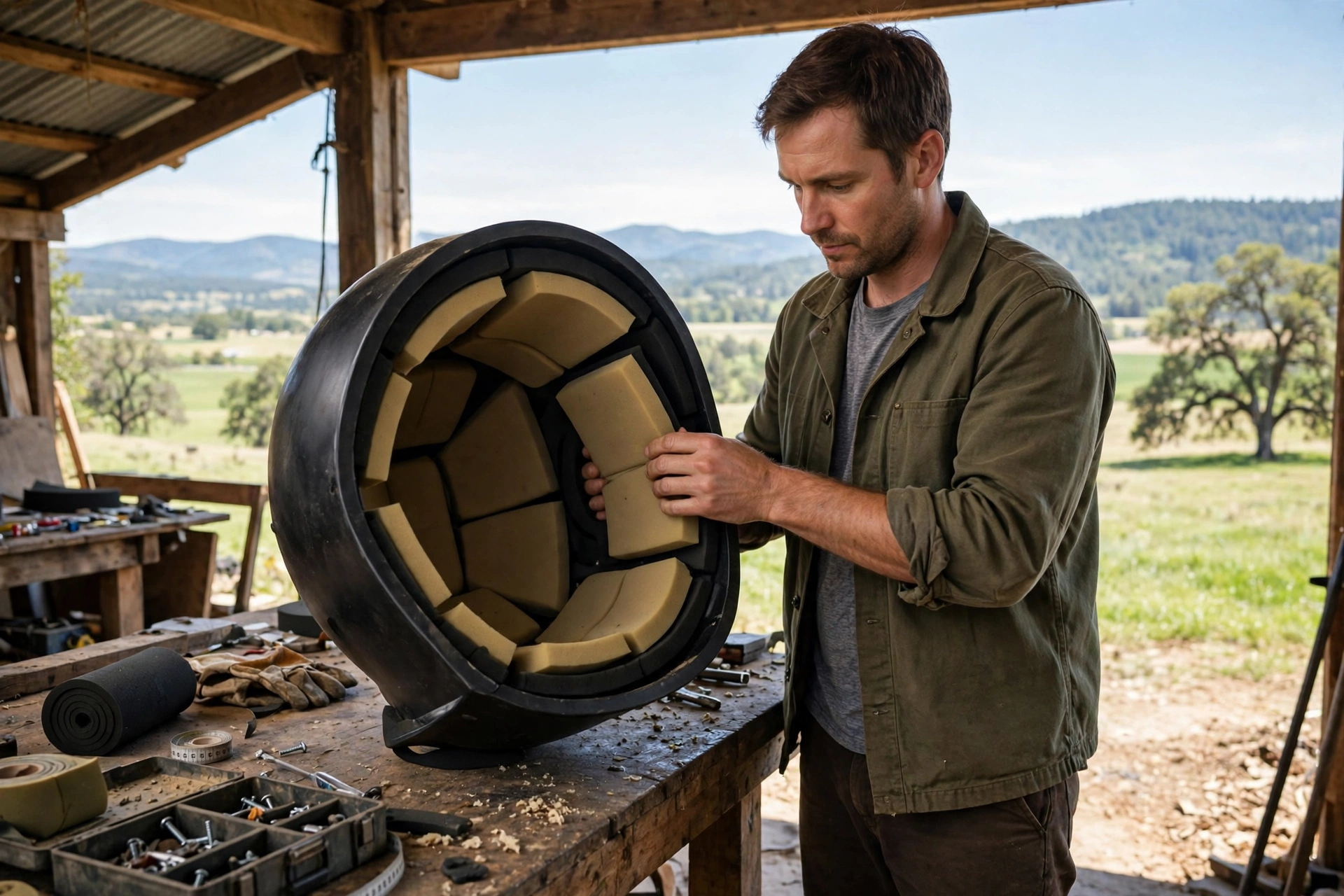
Yes, thicker pads can often make a helmet that is slightly too big fit well, because the pads take up the space between the shell and the head. Many helmets come with pads in different thicknesses, and the maker may sell thicker pads as spares. In general terms, swapping in thicker pads is the simplest fix, and it works best when the helmet is only one size too large.
The rider should replace the pads evenly, so the helmet sits level and does not press harder on one side than the other. The pads should be fitted with care, and the rider should check that they sit flat and do not bunch up. A helmet with new, thicker pads should feel snug but not painful, and the rider should wear it for a few minutes to check that it does not cause pressure points before using it for a ride.
Can the straps fix a helmet that is too big?
The straps can help, but they cannot fix a helmet that is far too big on their own, because the straps only hold the helmet in place and do not change the size of the shell. A rider should still adjust the straps properly: the side dividers should sit just below the ears, the chin strap should be snug with room for about two fingers, and the straps should lie flat. In general terms, well-adjusted straps make a slightly loose helmet feel more secure.
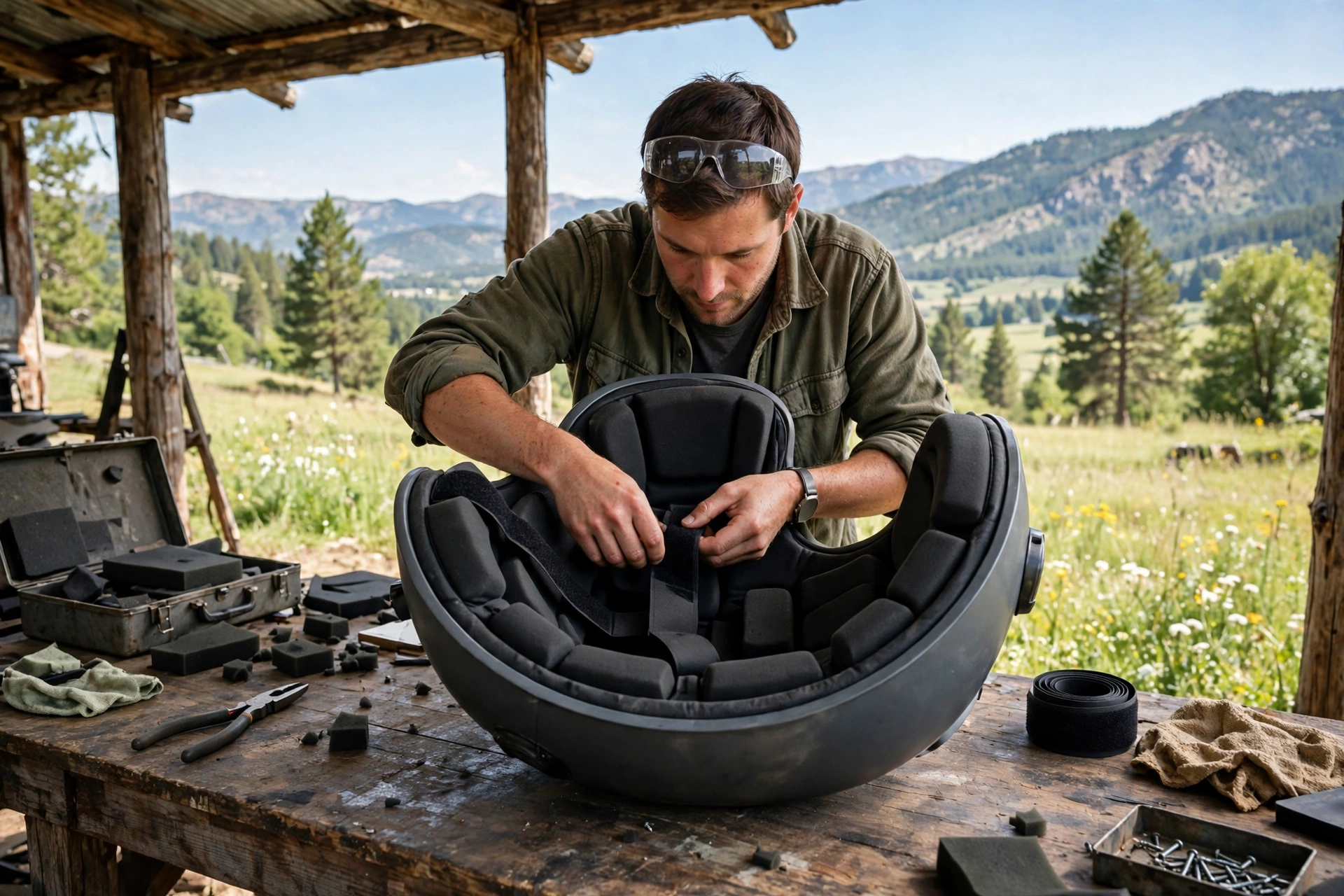
Many modern helmets also have a fit system at the back, such as a dial or a cradle, that can be tightened to hug the head more closely. A rider should tighten this system until the helmet feels snug, and should check that the helmet still sits level. If the fit system is already at its tightest and the helmet still rocks, the helmet is too big for the rider, and pads or a smaller size will be needed.
What else can I try before replacing it?
A rider can try wearing a thin cap, a skullcap, or a balaclava under the helmet, because the extra layer takes up space and can make a slightly loose helmet feel snug. This works well in cold weather, when a rider would wear a layer under the helmet anyway. In general terms, a thin layer is a practical short-term fix, but it should not be used to make a very loose helmet seem safe.
Another option is to move the pads around or to add a foam insert, if the helmet’s maker allows it. Some riders use a strip of foam behind the front pad or at the sides to take up a small gap. The rider should only use foam made for helmets, and should not glue anything into the shell. A helmet that still moves after these tries is too big, and the rider should accept that a new helmet is the safer choice.
When should I replace a helmet that is too big?
A rider should replace a helmet that is too big when the fixes above do not make it sit snugly and stay still. If the helmet still rocks, slides, or lifts in the wind after thicker pads and a tightened fit system, it will not protect the head properly in a fall. In general terms, a helmet that does not fit is not worth wearing, and a new helmet in the right size is the safer choice.
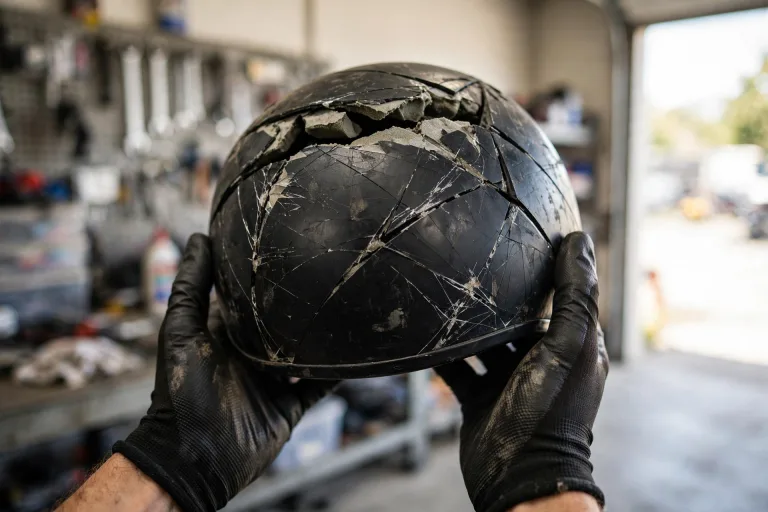
The rider should also replace the helmet if it has taken a serious impact, shows cracks or damage, or has been worn for a long time. A helmet is a piece of safety equipment, and it works best when it fits well and is in good order. Riders who are choosing a new helmet may also want to learn about features that can help in a fall, including a system designed to reduce rotational forces, such as MIPS, which is found in many modern helmets. A helmet that fits properly is the best protection a rider can have.
Is it safe to wear a helmet that is too big?
In general terms, a helmet that is too big is not as safe as one that fits, because it can shift or come off in a fall. A rider should fix the fit with pads and straps, or replace the helmet if it still moves.
Can I shrink a helmet that is too big?
No, a helmet shell cannot be shrunk, and the rider should not try to heat or bend it. Thicker pads, a tighter fit system, and a thin layer underneath are the safe ways to take up space.
Should I buy a smaller helmet instead?
Yes, in general terms a rider whose helmet is far too big should buy a smaller one in the right size. The new helmet should be tried on and checked for a snug, level fit before it is used.

Olivia
Writer at Helmet Today, covering helmet reviews, fit and riding safety.