How to store a helmet at work: keep it in a cool, dry spot away from sunlight, heat, and chemicals, on a shelf, a hook, or in a locker where it will not fall or be crushed. In general terms, a helmet is a piece of safety equipment, and the way it is stored between shifts decides how long it lasts and how well it protects. A helmet that is looked after stays in good condition, while one that is left in the sun, piled under heavy tools, or hung on a nail can be damaged without anyone noticing.
Many workers wear a helmet every day, whether on a building site, in a warehouse, or on a delivery round, and the helmet often gets taken off and put down without much thought. A few simple storage habits make a real difference. They keep the shell strong, the lining fresh, and the straps working, so the helmet is ready to protect the head when it is needed. Good storage is a small effort with a useful payoff.
Where is the best place to store a helmet at work?
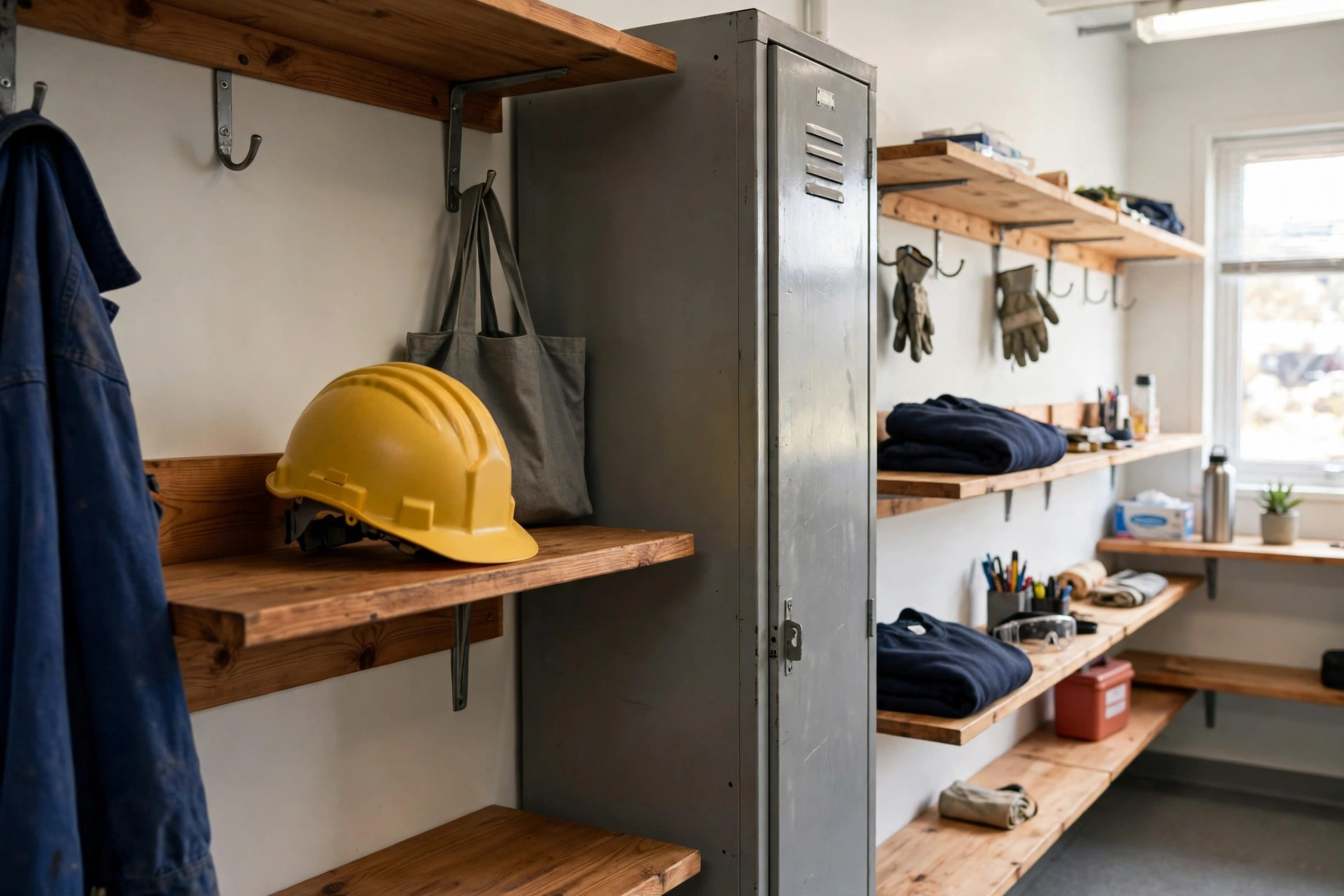
The best place to store a helmet at work is a cool, dry spot indoors, away from direct sunlight and away from heat. In general terms, a locker, a shelf in a rest room, or a peg on a wall in a shaded area all work well. The helmet should sit the right way up, on a flat surface or on a hook that supports it, so it does not roll off and hit the floor. A helmet that falls from a shelf can be damaged by the impact, even if the damage is not visible.
What matters most is that the spot is consistent. In general terms, a worker who always stores the helmet in the same place is less likely to lose it, leave it behind, or find it damaged. A labelled locker or a named hook helps, especially where several workers share a storage area. The spot should also be away from chemicals, paints, and solvents, since fumes and splashes can attack the shell material. A helmet stored with care is a helmet that stays ready for work.
What should you avoid when storing a helmet at work?
There are a few common mistakes to avoid when storing a helmet at work. In general terms, the helmet should not be left in direct sunlight, on a vehicle dashboard, or near a heater, because heat and ultraviolet light age the shell and make it brittle over time. It should not be hung on a sharp nail or a thin hook that presses into the shell or the lining, and it should not be stored with heavy items piled on top of it.
The helmet should also not be used as a container or a seat. In general terms, filling a helmet with tools, gloves, or lunch boxes can stretch the lining and damage the suspension, while sitting on it can crack the shell. It should not be left in a damp corner or in a puddle, since moisture can lead to smells and wear in the padding. A helmet that is stored badly may look fine but be weaker than it should be, so the storage habits matter as much as the helmet itself.
How should a helmet be cleaned before storing it?
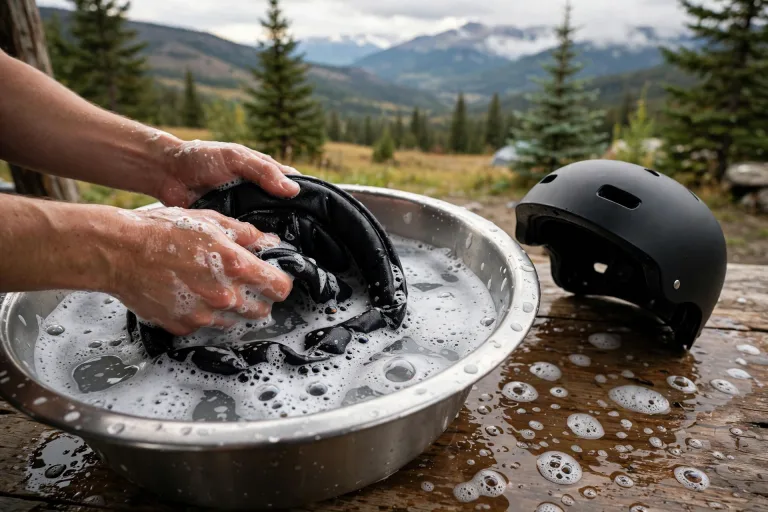
A helmet should be cleaned before it is stored, especially after a hot or dusty shift. In general terms, warm water and mild soap, with a soft cloth, are enough for the shell, and the padding can be wiped or removed and washed if the maker allows it. The helmet should be left to dry fully in the shade before it is put away, since storing a damp helmet can lead to smells and wear in the lining.
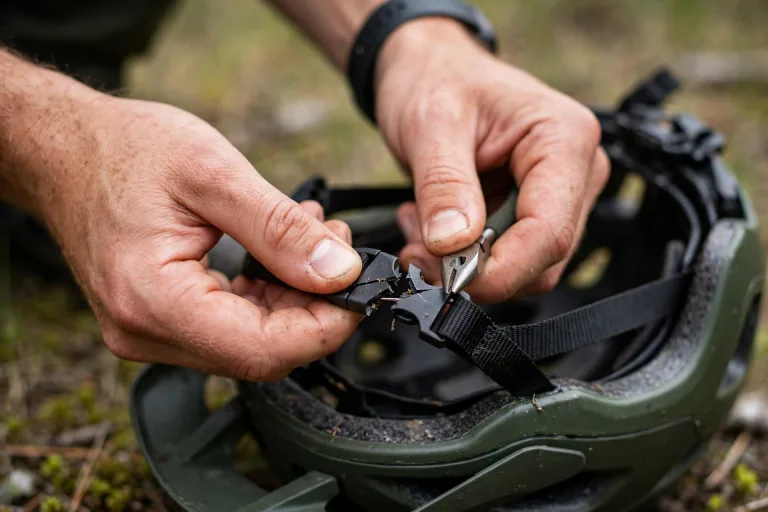
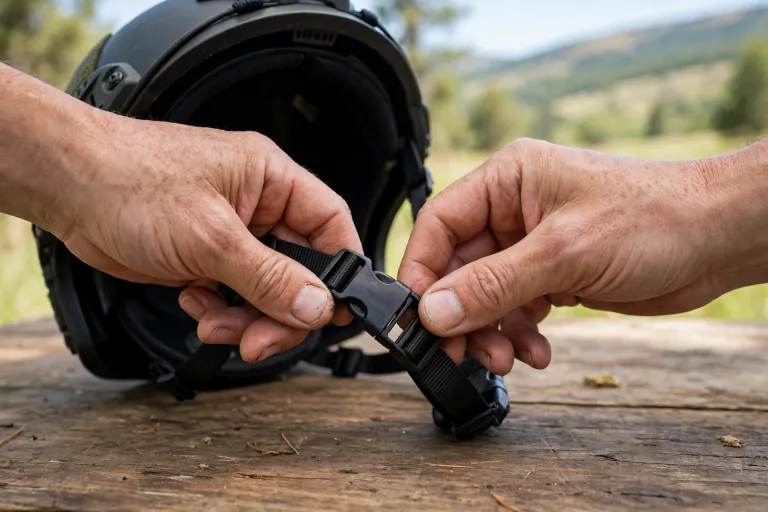
Strong solvents and abrasive cleaners should be avoided, because they can attack the shell material and weaken it. In general terms, a worker should also check the straps and buckle while cleaning, looking for fraying, stiffness, or a buckle that no longer clicks firmly. A helmet that is cleaned regularly is easier to inspect, more comfortable to wear, and more pleasant to put on at the start of a shift. A few minutes of care at the end of the day pays off in comfort and safety.
How can a workplace help workers store helmets properly?
A workplace can help by providing proper storage for helmets, such as lockers, shelves, or hooks in a dry, shaded area. In general terms, a named hook or a labelled shelf for each worker makes it easy to store the helmet in the same place every day, and it reduces the chance of helmets being mixed up or damaged. Some workplaces provide helmet bags, which protect the shell from scratches and dust during storage and transport.
Good storage is also part of good safety culture. In general terms, a workplace that provides a proper place for helmets shows that it takes head protection seriously, and workers are more likely to look after helmets that have a proper home. Supervisors can help by checking the storage area from time to time, and by reminding workers not to leave helmets in vehicles or in the sun. Some modern helmets include a system designed to reduce rotational forces in a fall, such as MIPS, but even the best helmet needs proper storage to stay in good working order.
When should a stored helmet be replaced?
A stored helmet should be replaced when it shows signs of damage or age, even if it has been looked after. In general terms, the shell should be checked for cracks, dents, and signs of the plastic becoming brittle, and the harness and straps should be checked for fraying and loss of adjustment. A helmet that has taken a hard knock should be replaced straight away, even if it looks undamaged, because the lining may be weakened inside.
Age matters too. In general terms, a helmet that is used every day will wear out over a few years, following the maker’s guidance, and one stored in heat or sunlight will age faster. A workplace should keep a record of when helmets were issued, so old helmets can be replaced on time. A quick check before each shift — a look at the shell, a tug on the straps — takes seconds and catches problems early. A helmet that is stored well, cleaned regularly, and replaced on time is a helmet that can be trusted.
Can I leave my helmet in my car at work?
In general terms, it is best not to. A car in the sun can get very hot, and heat and sunlight age the shell and lining. Store the helmet indoors, in a cool, dry spot instead.
Should a helmet be stored upside down?
In general terms, a helmet should be stored the right way up, on a flat surface or a hook, so it does not roll off and fall. Storing it upside down is fine if it is stable, but it should not be left where it can be knocked over.
How do I keep my helmet from smelling at work?
Clean the padding regularly with mild soap and water, and let the helmet dry fully in the shade before storing it. In general terms, storing a damp helmet in a locker is the main cause of smells, so drying matters most.

Olivia
Writer at Helmet Today, covering helmet reviews, fit and riding safety.