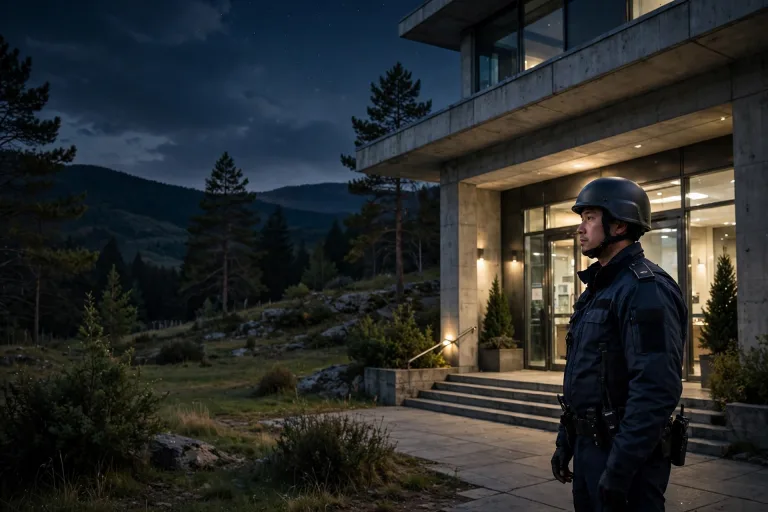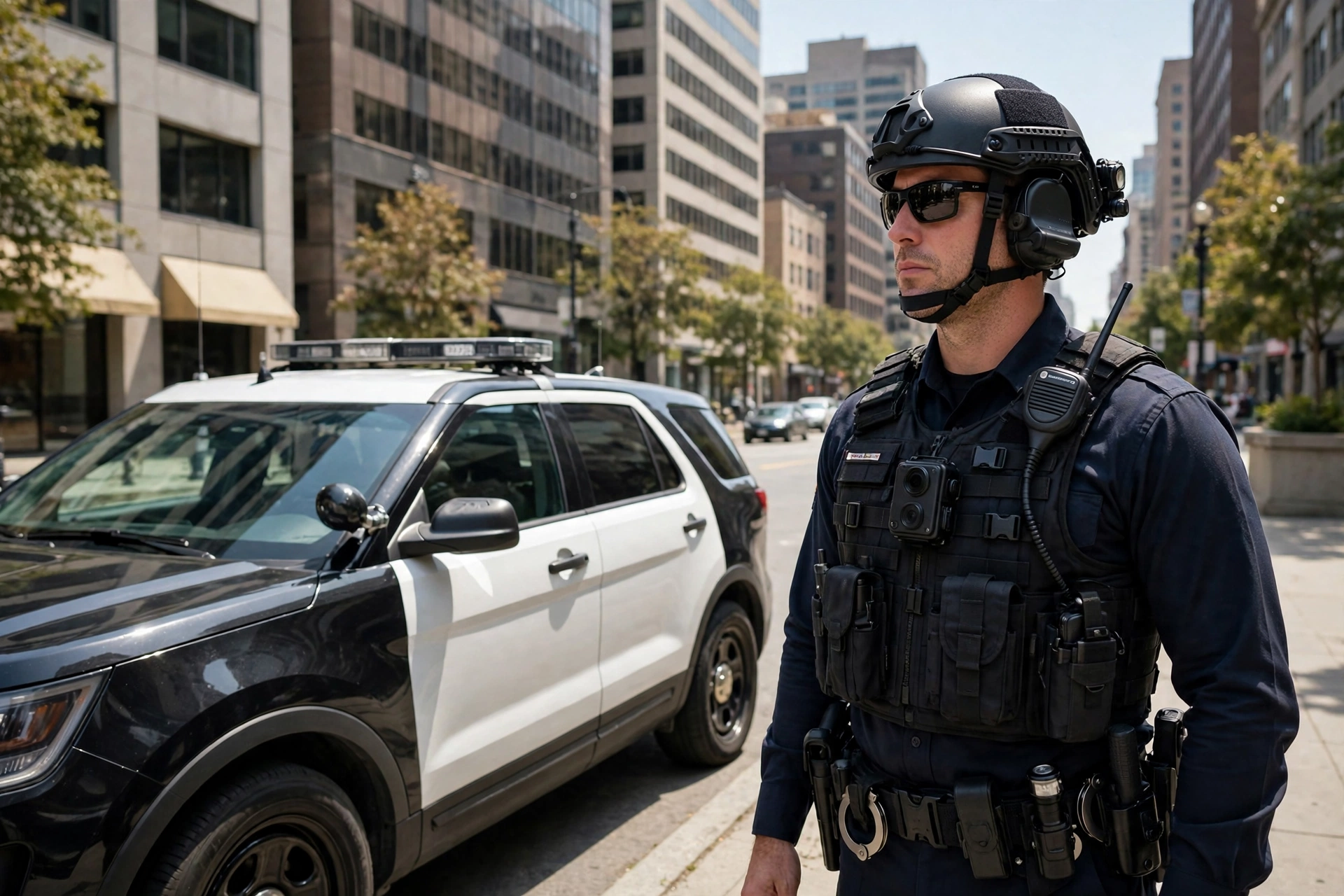
A helmet for police officers is a protective helmet worn for a specific police duty, and the type depends on the job — from the classic tall helmet for foot patrol to specialised helmets for motorcycle and public-order work. In general terms, there is no single police helmet, because police work covers many different tasks, and each one brings different risks. The helmet an officer wears on foot patrol is very different from the one worn on a motorcycle or at a public event, and each is chosen to suit the duty.
Police helmets have two roles: protection and recognition. A helmet guards the head against blows, falls, and thrown objects, and it also makes the officer easy to spot in a crowd. In general terms, the balance between those two roles has shifted over time, with modern helmets putting more weight on protection and comfort, while still keeping the officer visible and recognisable. Understanding the different types helps explain why police headgear looks so varied from place to place.
What helmets do police officers wear on patrol?
On foot patrol, some police officers wear the classic tall helmet, a familiar shape with a domed top and a small brim. In general terms, this helmet is a symbol of the police as much as a piece of protection, and it is still worn in some places for everyday patrol and for ceremonial duties. It is made from a hard shell with a lining inside, and it gives some protection against blows and objects thrown from above, while also keeping rain off the face and neck.
In other places, officers on patrol wear a cap, a peaked hat, or a lighter helmet, depending on the force and the duty. In general terms, the choice depends on comfort, practicality, and the need to be recognised, and different forces have made different choices. A tall helmet can be heavy and awkward in a vehicle, so officers who spend much of their time in cars often prefer lower headgear. The classic helmet survives mainly where foot patrol is common and where tradition matters, and it remains one of the most recognisable pieces of police uniform.
What helmets do police motorcycle officers wear?
Police motorcycle officers wear a full motorcycle helmet, much like the helmets worn by other motorcyclists, but often with a radio, a visor, and markings that identify the officer. In general terms, the helmet must protect the head at road speeds, so it is tested to the standards for motorcycle use, with a hard outer shell, an impact-absorbing lining, and a chin strap that keeps it firmly in place. A visor protects the eyes from wind, rain, and debris, and it can be raised or lowered as needed.
Comfort and communication matter a great deal for motorcycle officers, who may spend a full shift on the bike. In general terms, the helmet should be well-ventilated, light enough to wear for hours, and fitted with a radio earpiece so the officer can stay in contact with colleagues. Some helmets include a system designed to reduce rotational forces in a fall, such as MIPS, which is a feature worth knowing about when choosing a helmet for motorcycle work. The helmet is a working tool for these officers, and it is chosen for protection first, with visibility and communication built in.
What helmets do police officers wear for public-order duties?
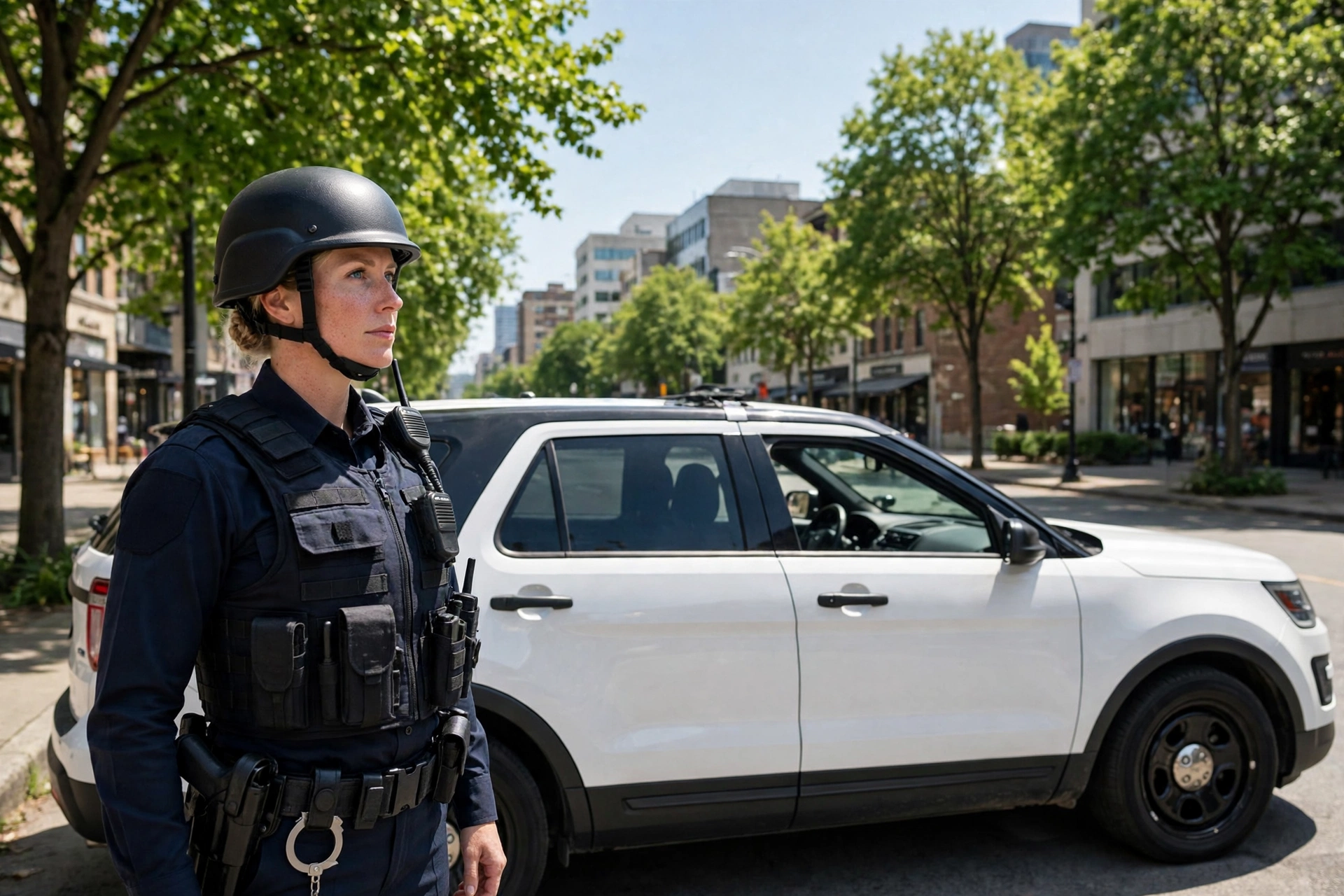
For public-order duties, such as policing large crowds or public events, officers wear a specialised helmet designed to protect against thrown objects and blows. In general terms, these helmets have a hard shell, a visor that protects the face, and padding that covers the sides and back of the head. They are heavier and more enclosing than a patrol helmet, because they are built for a higher level of risk, and they are worn only for the duration of the duty.
The visor is a key feature of a public-order helmet. In general terms, it guards the face and eyes while still letting the officer see clearly, and it can often be raised when the risk falls. The helmet may also have a flame-resistant lining and a secure chin strap, so it stays on if the officer is pushed or knocked. These helmets are stored and checked carefully, and they are issued for specific duties rather than worn on every shift. Their purpose is straightforward: to protect the officer in a situation where the head is more likely to be struck.
How should a police helmet fit?
A police helmet should fit snugly and sit level on the head, with the lining adjusted so the helmet does not wobble or tip. In general terms, the chin strap should be fastened firmly enough to keep the helmet on during movement, but not so tight that it is uncomfortable. A helmet that is too loose can shift and block vision, while one that is too tight will cause headaches and distract the officer from the job.
Fit is checked when the helmet is issued, and it should be checked again whenever the officer changes duty or the helmet is shared. In general terms, different helmet types fit differently, so an officer who moves from patrol to motorcycle duty will need a new fitting, not just a new helmet. The officer should be able to hear, see, and move freely, and the helmet should stay put when they run, bend, or turn quickly. A helmet that fits well is one the officer can forget about and focus on the work.
How are police helmets cared for and replaced?
Police helmets are inspected regularly and replaced when they show signs of damage or wear. In general terms, a helmet that has taken a hard blow should be replaced, even if it looks undamaged, because the lining may be weakened inside. The shell is checked for cracks and dents, the lining for wear, and the straps and visor for damage. A helmet that no longer fits or no longer holds its adjustment should also be replaced.
Storage matters too. In general terms, police helmets are kept in a cool, dry place, away from sunlight and heat, and they are cleaned with mild soap and water after use. Visors are wiped clean and checked for scratches, since a scratched visor can reduce vision. Forces keep records of helmets and their issue dates, so old helmets can be replaced on time. A helmet is a piece of safety equipment, and in police work, where the unexpected is part of the job, keeping it in good condition is part of being ready.
Do all police officers wear the same helmet?
No, in general terms police officers wear different helmets for different duties. Foot patrol, motorcycle work, and public-order duties each need a different type of helmet, so the right one depends on the job.
Do police officers still wear the classic tall helmet?
Yes, in some places officers still wear it on foot patrol and for ceremonial duties. In other places it has been replaced by a cap or a lighter helmet for everyday work, depending on the force and the duty.
What should a police motorcycle helmet include?
In general terms, it should meet motorcycle safety standards, have a visor for eye protection, a secure chin strap, and good ventilation, with a radio earpiece so the officer can stay in contact.

Olivia
Writer at Helmet Today, covering helmet reviews, fit and riding safety.