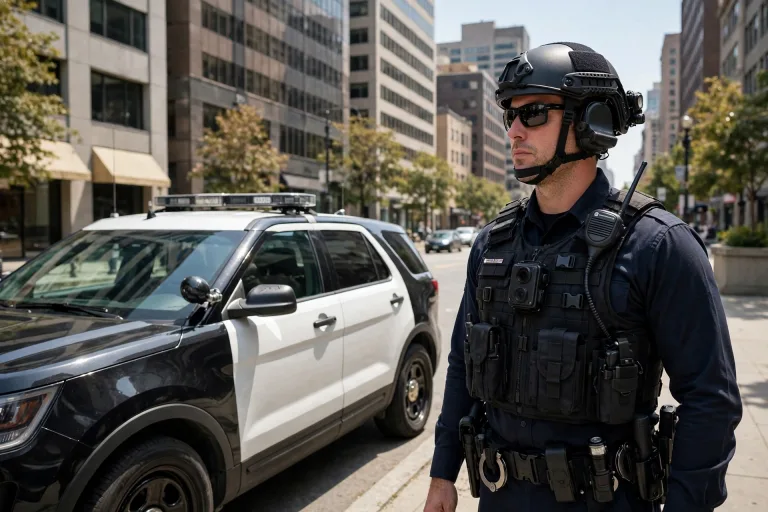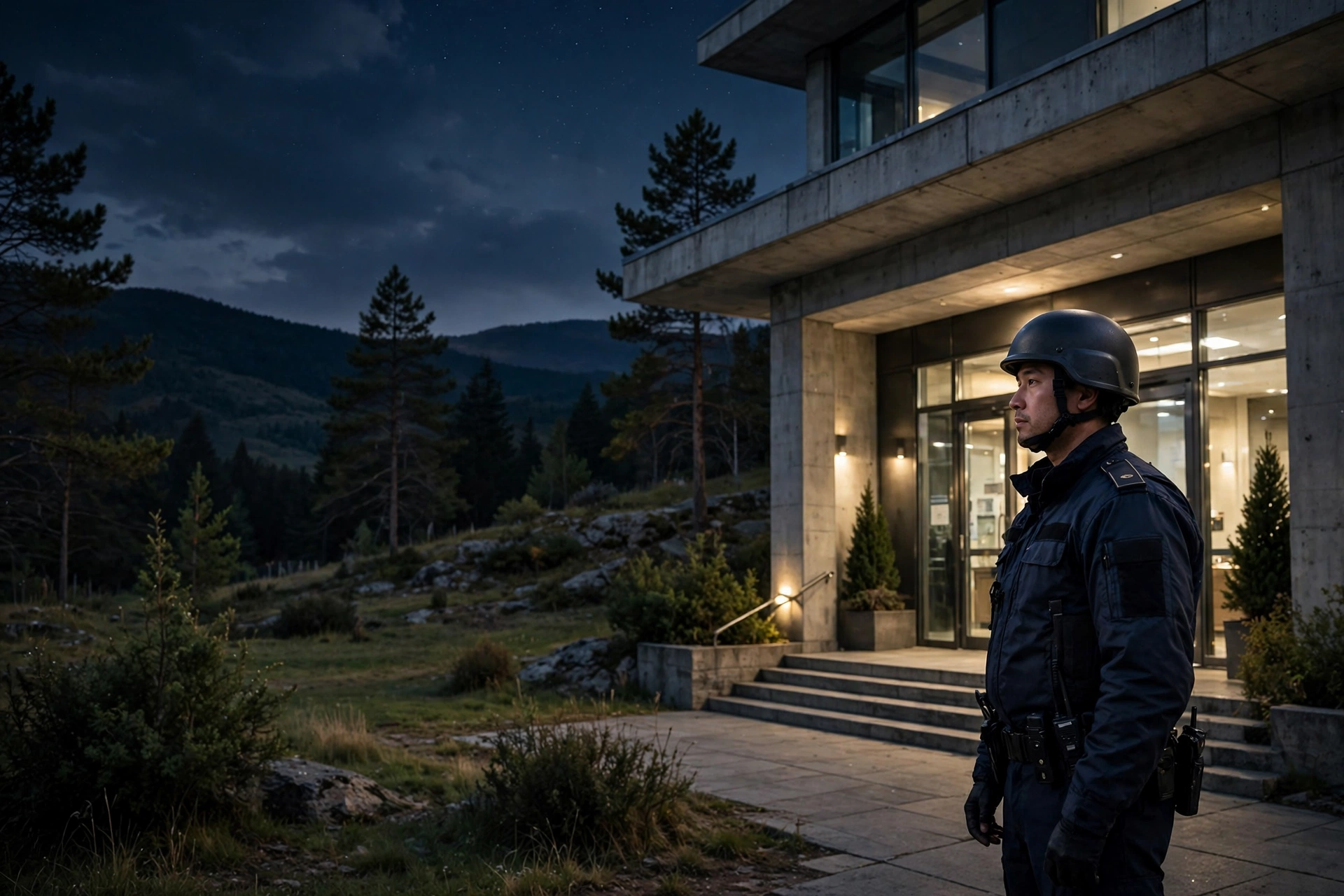
A helmet for security guards is, in general terms, a light safety helmet worn to protect the head from knocks, falling objects, and other hazards that guards can meet while patrolling buildings, car parks, and event sites. It is not a motorcycle or sports helmet, and it is not meant for high-speed impacts. Instead, it is a practical piece of work headgear that guards wear when their duties take them into places where something could fall, where headroom is low, or where a bump to the head is a real risk during a long shift.
Security guards work in many different settings, from office lobbies and shopping centres to construction sites, warehouses, and outdoor events. In some places a helmet is routine, while in others it is worn only for certain tasks, such as checking a loading bay or walking a site after dark. The right helmet for a guard is one that fits well, stays comfortable over hours of wear, and suits the risks of that particular workplace.
What kind of helmet do security guards wear?
Most security guards who need head protection wear a light industrial safety helmet, often in the style of a hard hat, with a hard outer shell and a suspension system inside that spreads the force of a knock across the head. In general terms, these helmets are made to protect against falling objects and bumps, rather than against the high-energy impacts that a motorcycle or climbing helmet is designed for. The shell is usually made from a tough plastic or composite material, and it is shaped to deflect objects away from the head.
Some guards wear a bump cap instead, which is a lighter cap with a hard insert that protects against minor bumps and scrapes in low-ceiling areas. A bump cap is not a substitute for a full safety helmet where falling objects are a risk, and the choice between the two depends on the hazards of the site. Guards who work outdoors may also choose a helmet with a brim that helps keep rain and sun off the face, while guards working at night may need a helmet that can take a clip-on lamp or a reflective strip so they can be seen.
When should a security guard wear a helmet?
A security guard should wear a helmet whenever the site or the task calls for head protection, and in general terms that means any time there is a risk of something falling from above, of bumping the head on low beams or machinery, or of working near overhead activity. Many workplaces have rules that say a helmet must be worn in certain zones, such as loading bays, car parks under construction, or areas marked as hard-hat zones, and those rules apply to guards just as they apply to other workers on the site.
Guards who patrol a quiet office building may rarely need a helmet, while guards at a warehouse, a festival site, or a building site may wear one for much of the shift. The decision is usually made by the employer after looking at the risks of the site, and guards should follow the site rules even if the helmet feels unnecessary on a calm day. A helmet only protects when it is actually on the head, and taking it off for comfort in a hard-hat zone defeats its purpose entirely.
What should a security guard look for in a helmet?
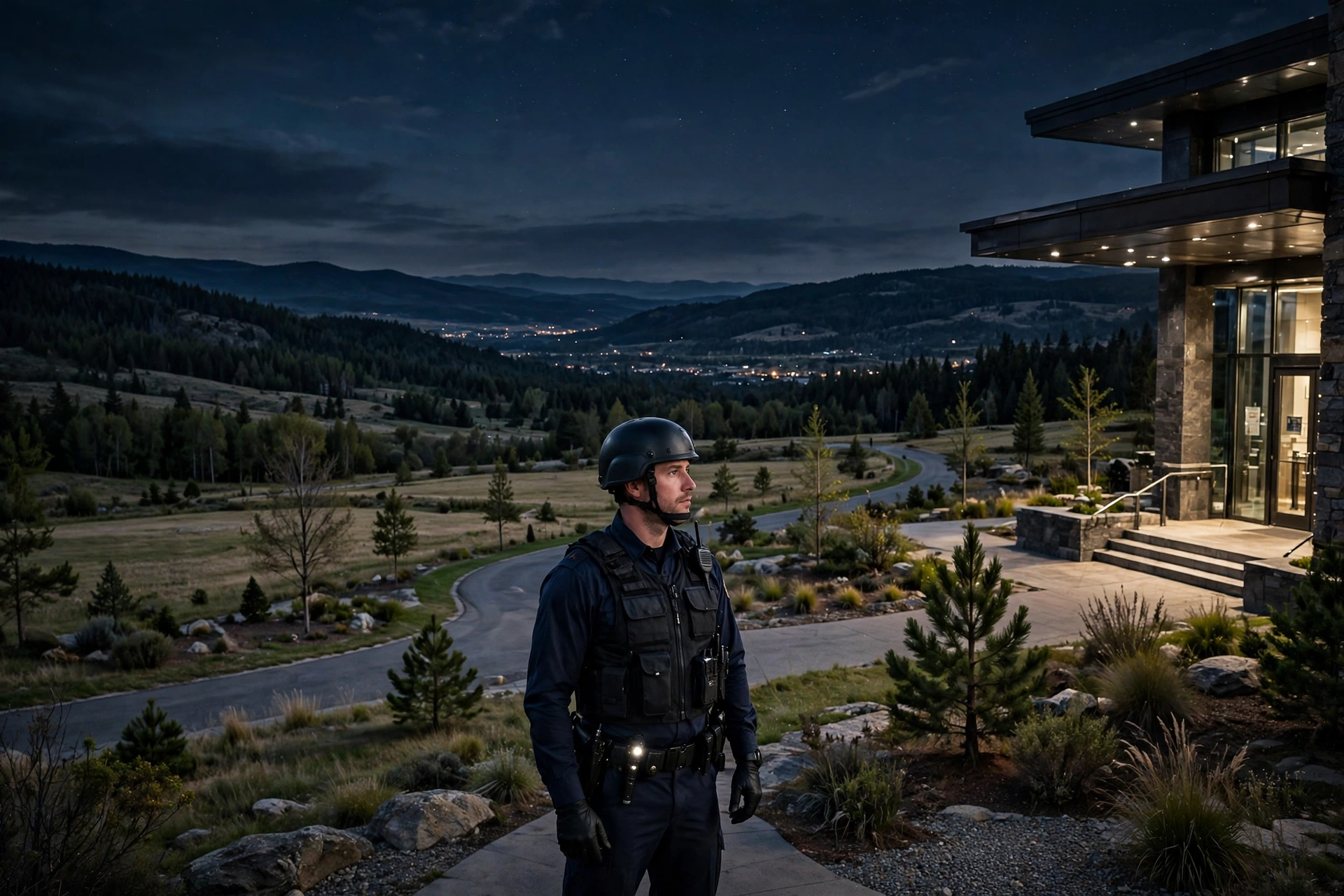
Fit comes first, because a helmet that is too loose will slide around and a helmet that is too tight will cause headaches over a long shift. A good guard helmet has an adjustable band inside that can be set to the wearer’s head size, and it should sit level on the head, with the front edge just above the eyebrows. The chin strap, where one is fitted, should be snug enough to keep the helmet in place without pressing into the chin, and it is worth trying the helmet on with any radio earpiece or headset the guard normally wears.
Comfort matters just as much, since guards may wear a helmet for hours at a time. Ventilation holes or slots help air move through the helmet on warm days, and a sweatband or washable lining keeps the inside fresh. Weight is also worth checking, because even a small extra weight becomes noticeable after several hours on patrol.
How do security guards care for their helmets?
A guard’s helmet should be checked before each shift for cracks, dents, or damage to the shell, and for wear in the inner suspension or straps. In general terms, a helmet that has taken a hard knock should be taken out of use, because damage that is hard to see can still weaken the shell. The helmet should be cleaned with mild soap and water and stored away from direct sunlight and strong chemicals.
It is also worth keeping a note of how old the helmet is, because most safety helmets have a recommended working life set by their maker, and they should be replaced when they reach it, even if they still look fine. A helmet that has been dropped from a height or struck by a falling object should be replaced rather than put back into service. Some helmets include a system designed to reduce rotational forces in a fall, such as MIPS, and while that feature is more common in sports helmets, guards choosing a helmet with extra protection should check what the maker says it is designed for.
Do security guards have to wear a helmet by law?
Whether a security guard must wear a helmet depends on the workplace, the country, and the rules of the site, and in general terms there is no single rule that covers every guard in every setting. In many workplaces, the employer is responsible for assessing risks and providing protective equipment where it is needed, and the guard is expected to wear it when the assessment says so. Site rules, client requirements, and the guard’s own company policy often set the standard in practice.
Guards should ask their employer or site manager which areas require a helmet and which type is approved for the site, rather than guessing. If a guard is asked to enter an area where head protection is needed and no helmet has been provided, the sensible step is to raise it with a supervisor before going in. Wearing the right helmet for the job protects the guard, and it also shows clients and the public that safety is taken seriously, which is part of the guard’s professional image.
Can a security guard wear a bump cap instead of a safety helmet?
A bump cap protects against minor bumps and scrapes in low-ceiling areas, but it is not a substitute for a full safety helmet where falling objects are a risk. The choice depends on the hazards of the site and the employer’s risk assessment.
How should a security guard’s helmet fit?
It should sit level on the head with the front edge just above the eyebrows, and the adjustable band should be set so the helmet stays in place without pressing. The chin strap, where fitted, should be snug but comfortable.
When should a security guard replace a helmet?
In general terms, a helmet should be replaced after a hard knock, if the shell is cracked or damaged, or when it reaches the end of its recommended working life set by the maker, even if it still looks fine.

Olivia
Writer at Helmet Today, covering helmet reviews, fit and riding safety.