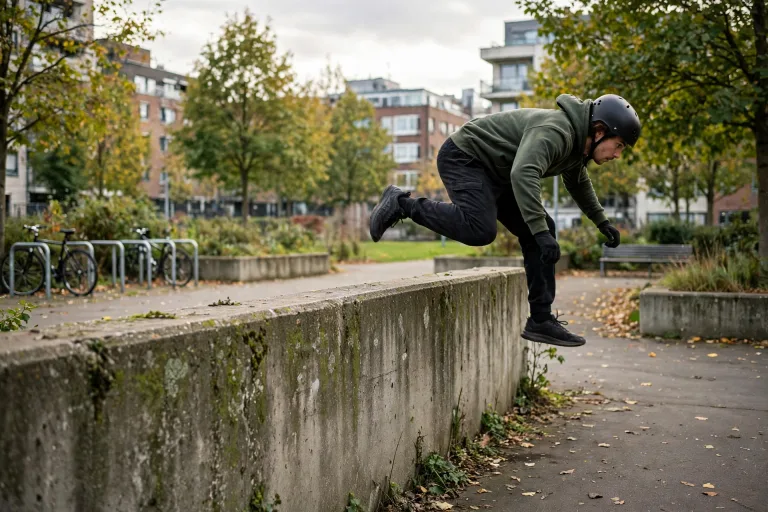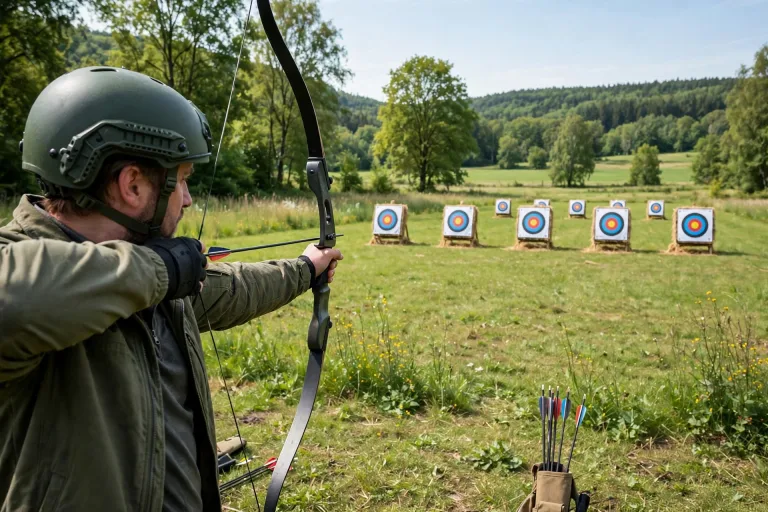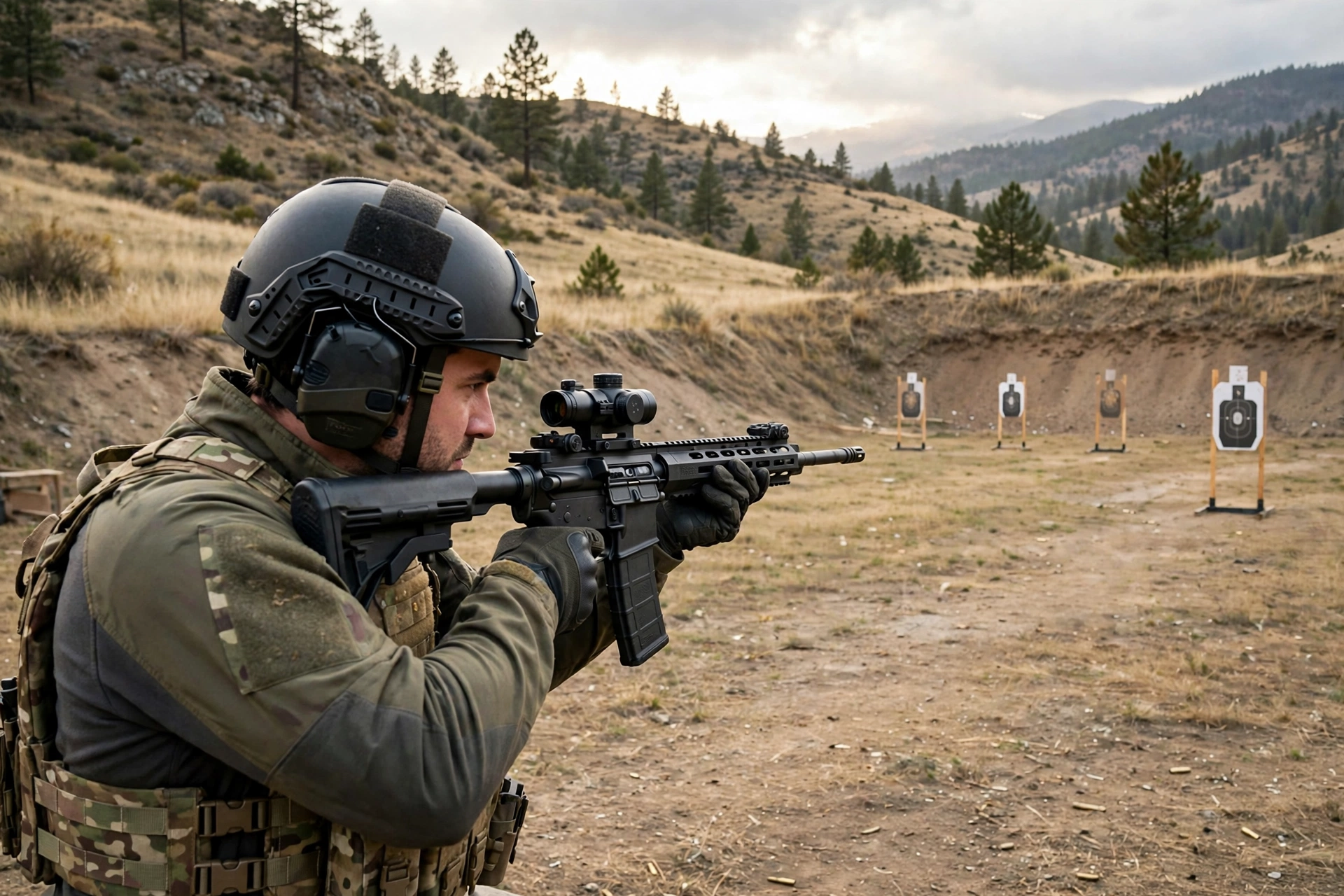
A helmet for target shooting is, in general terms, a head covering worn at the shooting range that combines hearing protection with a clear, unobstructed view of the target, and in some disciplines it also gives the head a degree of protection from ejected cases and knocks. Most target shooters rely on ear muffs or ear plugs rather than a full helmet, but a helmet becomes useful in disciplines where shooters move between positions, shoot outdoors in rough ground, or need a stable mount for hearing protection, a visor, or a light. The right choice depends on the discipline, the range rules, and the shooter’s own comfort.
Target shooting covers many different activities, from rifle and pistol shooting on a flat range to clay shooting in a field and long-range shooting on open ground. Each one asks different things of the shooter, and the headgear that suits one may not suit another. A helmet for target shooting should never block the sight picture, press against the cheek when the shooter takes aim, or make it hard to hear range commands, so fit and design matter more than looks.
Do target shooters need to wear a helmet?
In general terms, most target shooters do not need a full helmet, and hearing protection is the essential item at the range. Ear muffs or ear plugs protect the shooter’s hearing from the sharp crack of gunfire, and many ranges require them for everyone on the firing line. A helmet is an extra layer that some shooters choose for comfort, for mounting ear protection, or for protection when moving around the range, rather than a standard requirement of the sport.
There are situations where a helmet makes sense. Shooters who take part in dynamic disciplines that involve moving, crouching, or climbing into shooting positions may want head protection against bumps and falls. Outdoor ranges with uneven ground, low branches, or overhead structures can also make a light helmet worth wearing.
What should a target shooting helmet offer?
The first thing a target shooting helmet should offer is a clear line of sight. The brim, if it has one, should not drop into the shooter’s view when aiming, and the sides should not press against the cheek or the stock of the rifle. A low-profile design works best for rifle shooters, because a bulky helmet can push the head out of position and make a steady aim harder to hold. The helmet should also sit still when the shooter moves, so a good adjustment system and a snug but comfortable fit are important.
Hearing protection is the second key feature. Some helmets have ear muffs built in or have rails on the sides where ear protection can be clipped on, which keeps the muffs in place and stops them from slipping during a long session. Ventilation matters too, because a hot, sweaty helmet is distracting, and a shooter who is uncomfortable will shoot worse. A light helmet with good airflow is easier to wear for hours, and a washable lining helps keep it fresh between sessions.
How does a shooting helmet differ from other helmets?
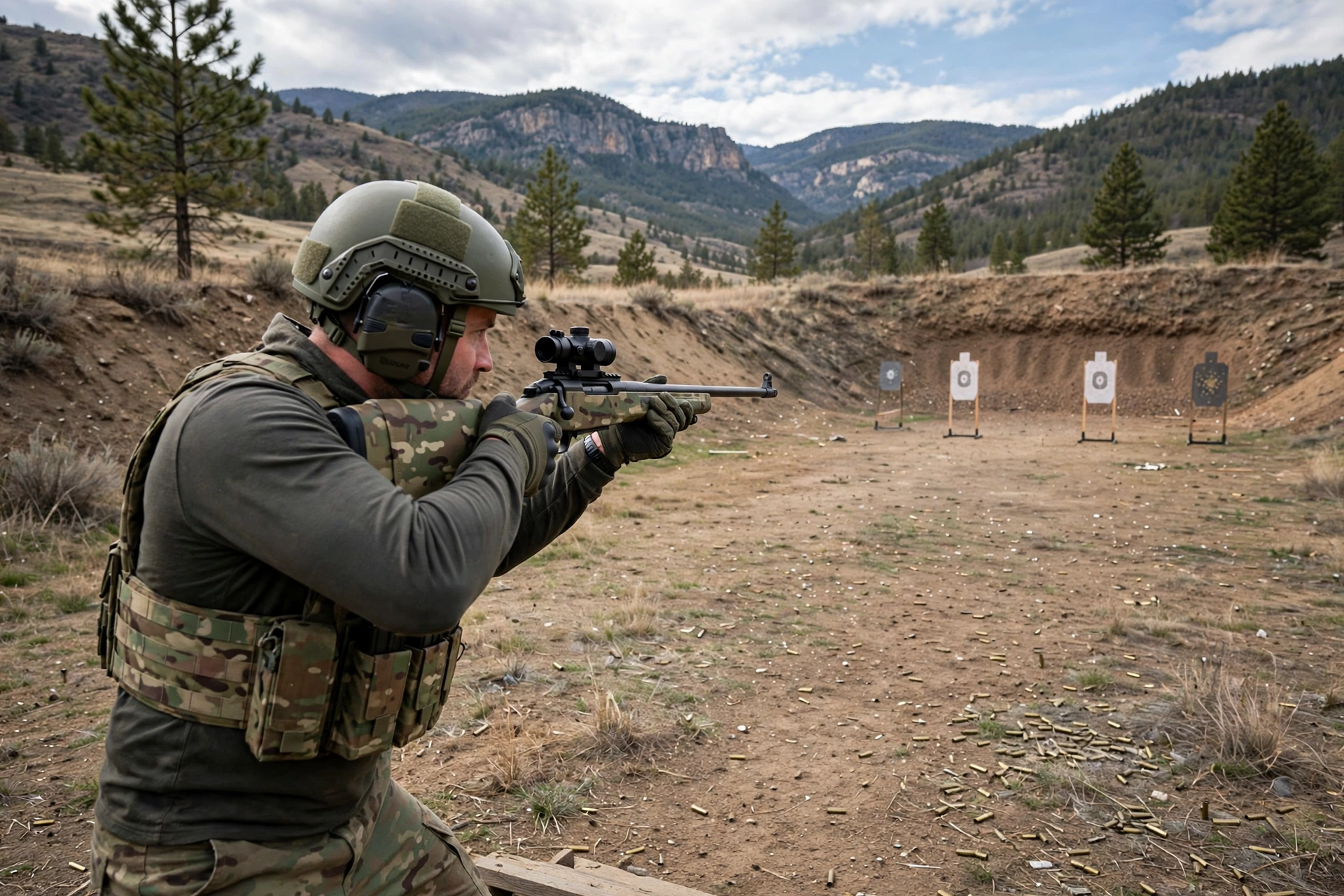
A shooting helmet differs from most other helmets because it is built around the needs of aiming and hearing, rather than around surviving a high-speed crash or a hard fall. In general terms, it is closer in spirit to a light tactical or work helmet than to a motorcycle or cycling helmet, with a focus on a stable fit, a low profile, and places to mount accessories. The shell may be lighter than a motorcycle helmet, and the padding inside is arranged to stay comfortable when the shooter holds a steady position for a long time.
Unlike a climbing or cycling helmet, a shooting helmet often has side rails or slots for attaching ear protection, a visor, or a lamp. Some models also have a mount on the front for a camera or a light, which can be useful for training or for recording a session. The colour is often muted, which suits outdoor ranges, and the helmet should be quiet to wear, with no loose straps or buckles that rattle when the shooter moves. The key test is simple: if the helmet gets in the way of aiming, hearing, or moving, it is the wrong helmet for the range.
What about hearing protection with a helmet?
Hearing protection is the most important safety item at any shooting range, and a helmet should work with it, not against it. The simplest setup is a pair of ear muffs worn under or over the helmet, or ear plugs worn inside the ear, and many shooters use both together for extra protection. Electronic ear muffs are popular because they cut out the sound of gunfire while letting the shooter hear range commands and conversation, and some helmets are designed to take these muffs on side rails.
When choosing a helmet and ear protection together, it is worth trying them on as a pair before buying, because muffs that do not seal properly around the ear will not protect hearing as well as they should. The helmet’s straps and adjustment dial should not press the muffs out of place, and the combination should feel comfortable for a full session. Some helmets include a system designed to reduce rotational forces in a fall, such as MIPS, and shooters who also use the helmet for rough outdoor movement should check what the maker says the helmet is designed to protect against.
How should a target shooter choose and care for a helmet?
Choosing a target shooting helmet starts with trying it on with the ear protection and the firearm the shooter normally uses. The helmet should feel stable when the shooter takes aim, and it should not shift when the head turns or tilts. Checking the fit with a rifle stock against the cheek is a good test, and it is worth moving through the positions the shooter uses, from standing to prone, to see whether the helmet stays put. Weight, ventilation, and the quality of the adjustment system all matter for a long day on the range.
Caring for the helmet is straightforward. It should be checked for cracks or damage before each session, cleaned with mild soap and water, and stored away from heat and direct sunlight. Ear muffs and padding should be cleaned or replaced when they become worn, because a muff with a damaged seal protects less well. A helmet that has taken a hard knock should be inspected carefully and replaced if there is any doubt about its condition, since damage that is hard to see can still weaken the shell.
Is a helmet required for target shooting?
In general terms, no, most ranges require hearing protection rather than a helmet. A helmet is an extra choice for shooters who want head protection, a stable mount for ear muffs, or cover while moving around an outdoor range.
Can you wear ear muffs with a shooting helmet?
Yes, many shooters wear ear muffs with a helmet, and some helmets have side rails for clipping muffs on. Try the helmet and muffs together before buying, so the muffs still seal properly around the ears.
What is the most important feature of a target shooting helmet?
A clear line of sight is the most important feature, because the helmet must not block the shooter’s view or press against the cheek when aiming. A stable fit and good hearing protection come next.

Olivia
Writer at Helmet Today, covering helmet reviews, fit and riding safety.