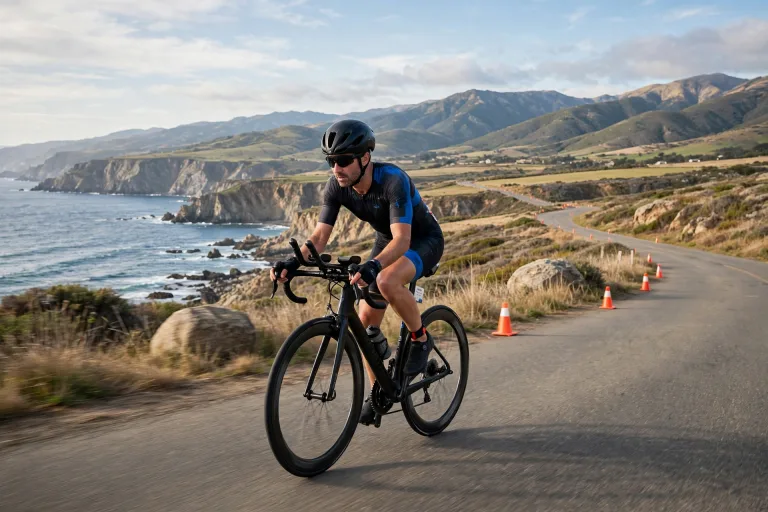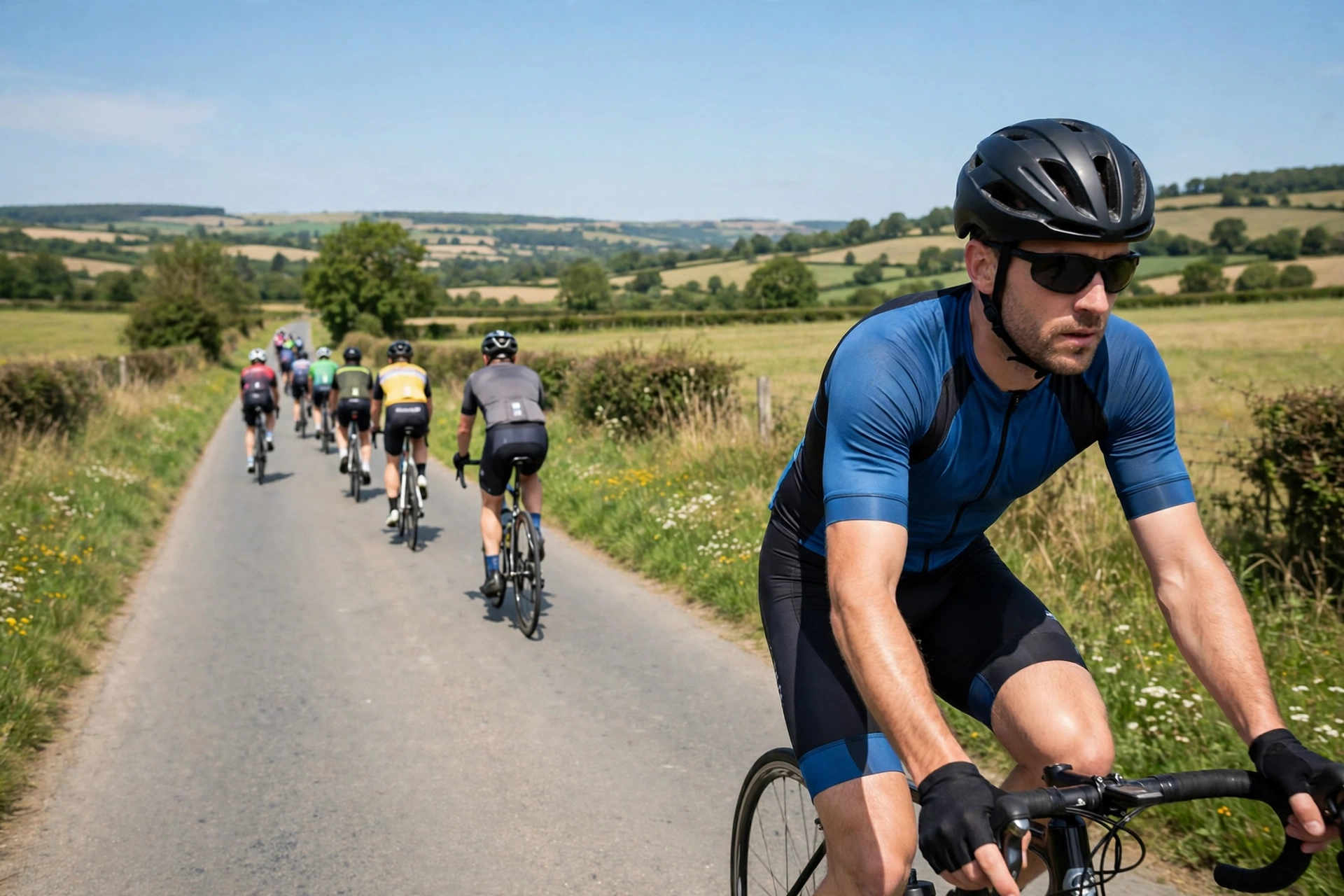
A helmet for duathletes is a light, well-ventilated bike helmet worn during the cycling leg of a duathlon, to protect the head in a fall or a collision on the road. In general terms, a duathlon is a run, a bike ride, and then another run, and the helmet is put on in the transition area between the first run and the bike leg. It is one of the most important pieces of kit a duathlete owns, because the bike leg is the fastest part of the race and the part where a fall is most likely to cause a head injury.
Duathletes are often experienced runners who are newer to cycling, and the bike leg can be a challenge. The roads may be busy, the pace may be faster than in training, and the rider may be tired from the first run. In general terms, a helmet that fits well and is easy to put on quickly in transition makes the bike leg safer and less stressful. The right helmet is light, comfortable, and aerodynamic enough to suit racing, without being so specialist that it is hard to use.
Why do duathletes need a helmet?
Duathletes need a helmet because the bike leg is fast, and a fall at racing speed can cause a serious head injury. In general terms, a duathlete is riding in a group or on open roads, often tired from the first run, and a moment’s lapse in concentration can lead to a crash. A helmet spreads the force of an impact and protects the skull, which is why helmets are required in almost every organised duathlon. Riding without one is not an option in a race, and it is not a sensible choice in training either.
The helmet also protects against less dramatic incidents. A duathlete may hit a pothole, clip a kerb, or be caught out by a sudden stop in a group, and in general terms these everyday mishaps are more common than big crashes. A helmet turns many of them into minor incidents rather than injuries. It also helps with confidence: a rider who trusts their helmet can focus on the road, the pace, and the race, rather than worrying about what might happen in a fall.
What kind of helmet suits a duathlete?
A helmet for duathletes should be light, well-ventilated, and easy to put on quickly. In general terms, a standard road bike helmet is the best choice for most duathletes, because it is designed for racing speeds, it has good airflow, and it is comfortable over a long ride. Some duathletes choose an aerodynamic helmet, which is smoother and faster, but these can be warmer and less ventilated, so they suit short, flat races better than long, hilly ones.
For a beginner, a good road helmet is more than enough, and it is a better investment than a specialist time-trial helmet. In general terms, the helmet should have a simple adjustment system, such as a dial at the back, so it can be tightened quickly in transition with one hand. It should also be in good condition, with no cracks or worn straps. A helmet that is comfortable to wear for an hour or more is essential, because a duathlete who is distracted by an uncomfortable helmet will not ride their best.
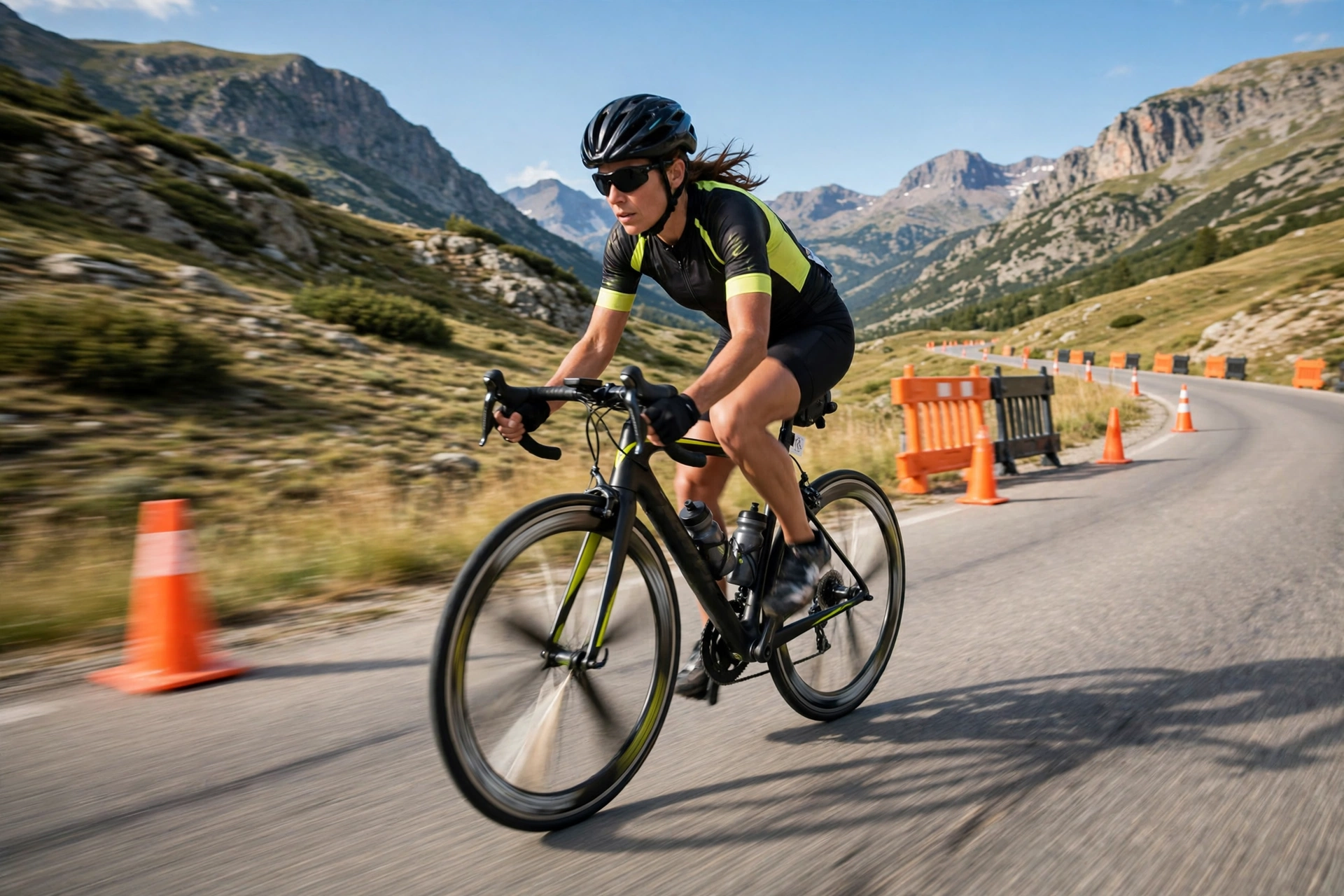
How should a duathlete’s helmet fit?
A duathlete’s helmet should sit level on the head, low enough to cover the forehead, and snug enough that it does not wobble when the rider shakes their head. In general terms, the straps should form a neat V under each ear, and the chin strap should be tight enough that only one or two fingers fit between the strap and the chin. If the helmet slides forward over the eyes or tips back off the forehead, it is the wrong size or adjusted badly, and it will not protect the head properly.
Fit matters even more in a race, because the helmet is put on in a hurry in transition. In general terms, a duathlete should practise the transition at home, putting the helmet on quickly after a run, so the movement becomes automatic on race day. The helmet should be left with the straps open and the buckle ready, so it can be picked up, put on, and fastened in a few seconds. A helmet that fits well and is easy to fasten saves time in transition and keeps the rider safe on the road.
What features matter in a duathlon helmet?
The features that matter most in a duathlon helmet are ventilation, weight, and ease of use. In general terms, good ventilation keeps the rider cool on a warm day, which matters after a hard first run. Low weight reduces neck strain over a long ride, and a simple adjustment system makes the helmet quick to fit in transition. Some helmets have a visor or a mount for sunglasses, which can help on a sunny day, although many duathletes prefer to wear sunglasses separately.
Some helmets include a system designed to reduce rotational forces in a fall, such as MIPS, which is a feature worth knowing about when choosing a helmet for racing. In general terms, it is a useful extra, but it does not replace the basics: a good fit, a helmet in good condition, and a chin strap fastened properly. A duathlete should also check that the helmet meets the safety standard required by the race organisers, since most races will check helmets before the start.
How should a duathlete care for their helmet?
A duathlete’s helmet should be checked before every race and training ride, looking for cracks, worn straps, and loose padding. In general terms, a helmet that has been in a crash should be replaced, even if it looks fine, because the protective lining may be damaged inside. The helmet should be cleaned with warm water and mild soap after a sweaty race, and left to dry in the shade, away from direct sunlight and heat.
Storage matters too. A helmet left loose in a kit bag can be crushed by other equipment, so it is worth keeping it in a helmet bag or on a shelf. In general terms, a helmet should not be stored near chemicals or in a hot car, since heat and solvents can age the materials. A duathlete who looks after their helmet will find it lasts longer, fits better, and is ready to protect them on race day. The helmet is a small part of the kit, but it is the part that matters most if something goes wrong on the bike.
Is a helmet required in a duathlon?
Yes, in general terms helmets are required for the bike leg in almost every organised duathlon. A rider without a helmet will not be allowed to start the bike leg, so check the race rules before the day.
Can a duathlete use a normal road bike helmet?
Yes, a standard road bike helmet is the best choice for most duathletes. In general terms, it is light, well-ventilated, and designed for racing speeds, which suits the bike leg well.
How do I put a helmet on quickly in transition?
Leave the helmet with the straps open and the buckle ready, then put it on, fasten the chin strap, and tighten the fit. In general terms, practising the movement at home makes it quick and automatic on race day.

Olivia
Writer at Helmet Today, covering helmet reviews, fit and riding safety.