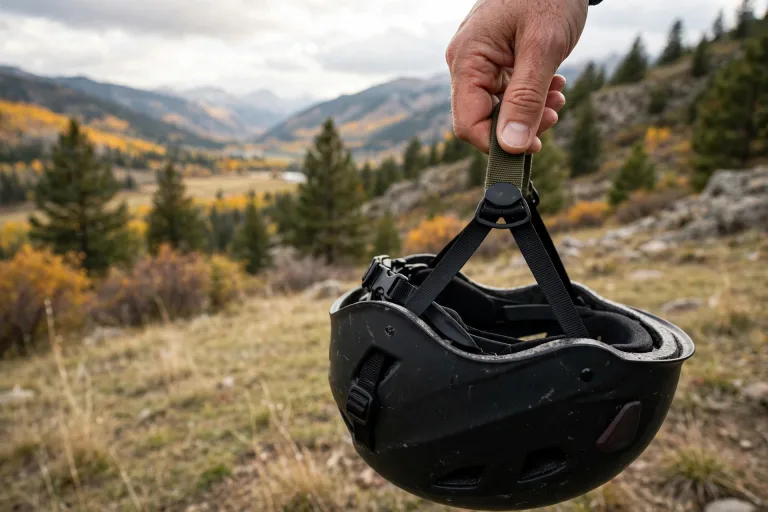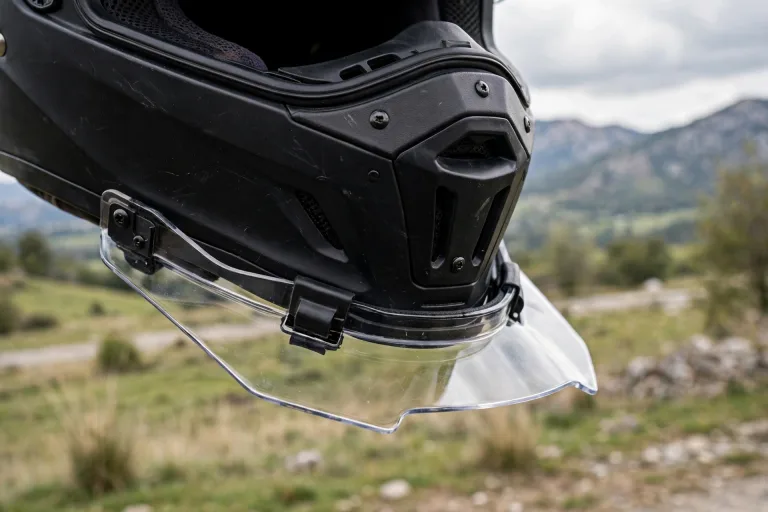
A helmet nose guard is, in general terms, a small protective piece fitted to the front of a helmet to shield the nose from balls, impacts, and cold air during sport. It is most often seen on helmets worn for baseball, softball, and other bat-and-ball sports, where a foul ball or a wild pitch can reach the face in a fraction of a second. The guard sits in front of the nose and cheek, and it is usually attached to the helmet’s ear flap or face mask so that it stays in place during play.
Nose guards are a simple idea, but they answer a real worry for players. The nose is easy to injure and slow to heal, and a broken nose can keep a player out of the game for weeks. A guard gives the player a little extra confidence to stay in the batter’s box or to stand close to the action, and it does so without covering the whole face. In recent years, nose guards have become more common at all levels of the game, from youth leagues to professional play.
What is a helmet nose guard made of?
A helmet nose guard is usually made from a strong, light material such as moulded plastic or a composite, and it is shaped to curve around the nose without blocking the player’s view. In general terms, the guard is rigid enough to spread the force of an impact across the helmet, rather than letting it land on one small point. Some guards are padded on the inside where they sit near the face, and some have a smooth outer surface so that a ball glances off rather than catching on an edge.
The guard is normally attached to the helmet with screws, clips, or a strap, depending on the helmet’s design. It is important to use a guard that is made for that particular helmet model, because a guard that does not fit properly can sit in the wrong place, block the view, or come loose during play. Players should check that the attachment is tight before each game.
Which sports use a helmet nose guard?
Baseball and softball are the sports where nose guards are best known, and they are most often worn by batters, who face pitches thrown at speed. In general terms, a batter’s helmet with an extended ear flap and a nose guard gives protection to the side of the head, the jaw, and the nose, which are all in the line of a pitch that gets away from the pitcher. Catchers and base coaches may also wear helmets with face protection, although their guards are often part of a larger mask rather than a separate nose piece.
Nose guards also appear in other sports where the face is at risk. Some players in American football use a face guard with a nose bar, and some winter sports helmets have a guard that shields the nose from cold wind as well as from knocks. In each case the idea is the same: protect a small, exposed part of the face without covering the eyes or blocking the player’s view of the game. The design changes from sport to sport, but the purpose stays the same.
Does a nose guard affect vision or comfort?
A well-fitted nose guard should not affect vision, because it sits below the line of sight and to the side of the nose, leaving the eyes clear. In general terms, most players adjust to a guard quickly, and after a few practice sessions they stop noticing it. The key is fit: a guard that is too large or set too high can block the lower part of the view, which is a problem for a batter watching a pitch or a fielder tracking a ball. Trying the helmet on and taking a few practice swings is the best way to check.
Comfort depends on the padding and the weight of the guard. A light guard with soft padding where it meets the face is easy to wear for a whole game, while a heavy or poorly padded guard can press on the nose and become a distraction. Ventilation also matters, because a guard that traps warm air around the face can fog up glasses or feel stuffy on a hot day. Players who wear glasses should check that the guard does not press the frames into the face or push them out of place.
How do you fit and care for a helmet nose guard?
Fitting a nose guard starts with choosing one made for the player’s helmet model, and then following the maker’s instructions for attaching it. The guard should sit centred over the nose, with an even gap on each side, and it should not touch the nose when the helmet is worn normally. All screws or clips should be tightened firmly, and the guard should be checked by gently trying to move it with a hand. If it shifts, it is not fitted correctly, and it should be adjusted or refitted before play.
Caring for a nose guard is simple. It should be wiped clean after each game, checked for cracks or loose fixings, and replaced if it is damaged. In general terms, a guard that has taken a hard impact should be inspected carefully, because a crack that is hard to see can still weaken it. Some helmets include a system designed to reduce rotational forces in a fall, such as MIPS, and players choosing a new helmet should check what the maker says the helmet and its guards are designed to protect against.
Should young players wear a helmet nose guard?
Young players can benefit from a nose guard, because they are still learning to judge pitches and their reactions are slower than those of experienced players. In general terms, a guard gives a young batter extra protection and extra confidence, which can help them stay in the batter’s box rather than stepping away from the plate. Parents and coaches should check the league rules first, since some leagues have rules about which guards and attachments are allowed, and the guard must be approved for the helmet the player wears.
For young players, fit is even more important, because a guard made for an adult helmet may sit in the wrong place on a smaller helmet. Youth helmets with a built-in guard are often the simplest choice, since the guard is designed to match the helmet’s size and shape. Coaches should also remind young players that a guard is extra protection, not a reason to ignore the basics of batting safety, such as watching the ball and knowing when to get out of the way of a wild pitch.
What does a helmet nose guard protect?
It protects the nose and the nearby cheek from balls, impacts, and cold air during sport. It is most often seen on baseball and softball batting helmets, where it shields the face from pitches and foul balls.
Does a nose guard block your view?
No, a well-fitted guard sits below the line of sight and leaves the eyes clear. Most players adjust to it quickly, but it is worth taking a few practice swings to check the fit before a game.
Can you add a nose guard to any helmet?
No, a guard should be made for that particular helmet model, and it must be fitted following the maker’s instructions. A guard that does not fit properly can sit in the wrong place or come loose during play.

Olivia
Writer at Helmet Today, covering helmet reviews, fit and riding safety.