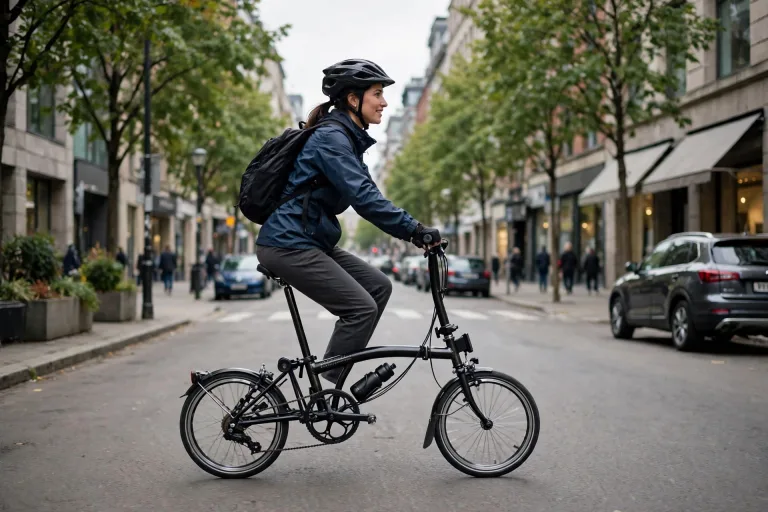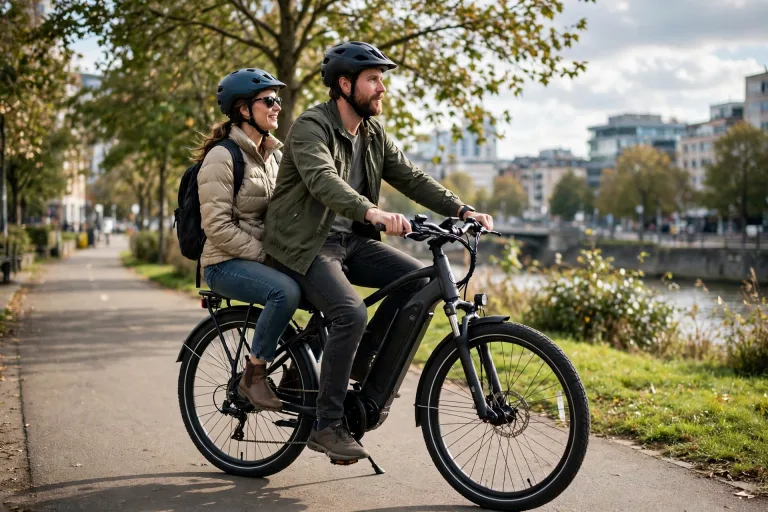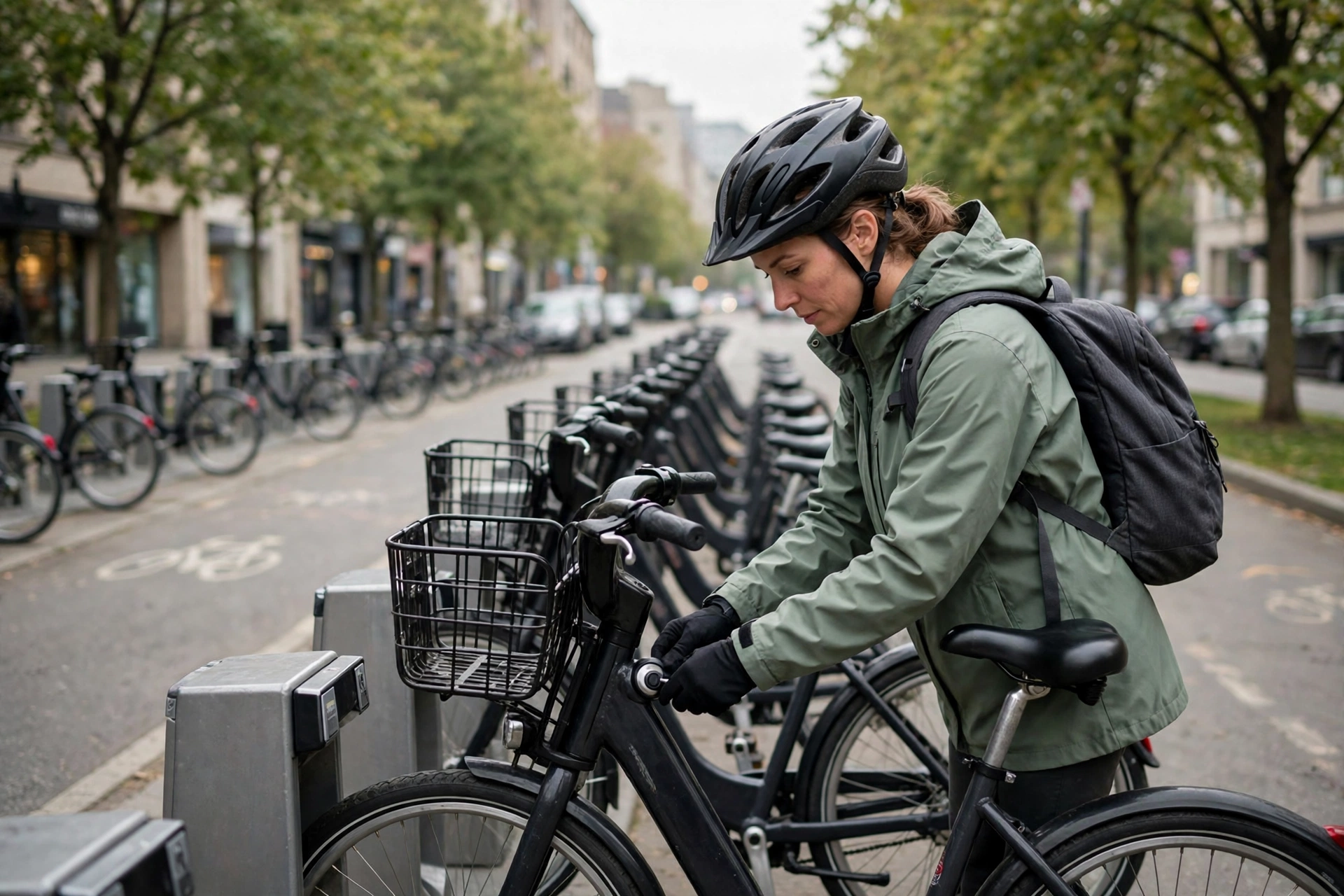
A helmet for bike-share users is, in general terms, a light, easy-to-carry helmet worn for short trips on shared bikes, so that riders who do not own a bike can still protect their head on the ride. Bike-share schemes let anyone pick up a bike at a docking station and drop it off elsewhere, which is convenient, but it leaves one problem: the bike comes without a helmet. Riders who use bike-share regularly often carry a small, foldable or packable helmet, so they are covered whenever they decide to ride.
Bike-share trips are usually short, often just a few minutes across town, and that short distance can make a helmet feel unnecessary. But most bike-share rides happen in busy city traffic, with cars, buses, and pedestrians all sharing the road, and a short ride can still end in a fall. A light helmet that fits in a bag or clips to a backpack makes it easy to be protected without carrying a bulky helmet all day.
Why should bike-share users wear a helmet?
Bike-share users should wear a helmet for the same reason any cyclist should: a fall in traffic can cause a serious head injury, even at low speed. In general terms, city riding involves junctions, parked cars, potholes, and sudden stops, and a rider who is not used to the shared bike may be less steady than on their own bike. The bikes themselves are heavier than a typical city bike, and their handling can feel unfamiliar on the first few rides, which adds to the risk.
A helmet also matters because bike-share riders often ride without the habits that regular cyclists build up over time, such as checking over a shoulder before turning or reading the road ahead. A helmet will not prevent a fall, but it gives the head protection if one happens. For riders who use bike-share every day, the helmet becomes part of the routine, just like checking the brakes and adjusting the saddle before setting off.
What kind of helmet suits bike-share riding?
The best helmet for bike-share riding is light, comfortable, and easy to carry when the rider is not on the bike. In general terms, a foldable helmet or a packable helmet suits bike-share best, because it can be folded flat and slipped into a bag, a backpack, or a jacket pocket. Some foldable helmets fold in half or collapse down, while others are made from a flexible material that can be rolled or flattened. The key test is whether the rider will actually carry it, since a helmet left at home protects no one.
A standard city or commuter helmet also works well for bike-share, especially for riders who carry a bag anyway. It should have good ventilation for warm days, a light colour or reflective details for visibility, and a simple adjustment system that can be set quickly at the docking station. The helmet should meet a recognised safety standard for cycling, and it should fit well with the rider’s usual hat or headband. A helmet with a small brim or peak can help keep sun and rain out of the eyes.
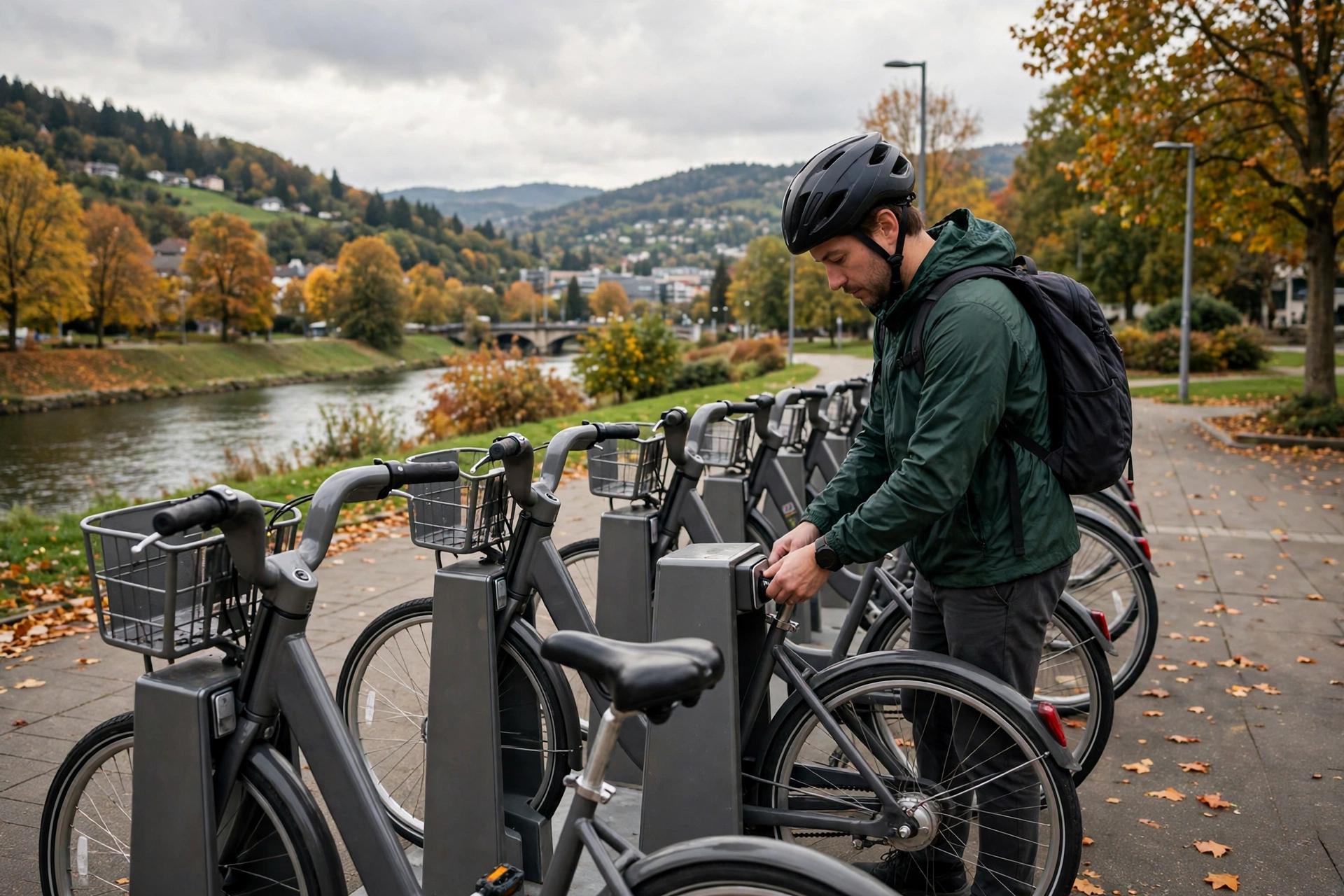
How do foldable helmets work?
Foldable helmets work by using a shell that folds, collapses, or flexes, so the helmet takes up less space when it is not being worn. In general terms, most foldable helmets have hinges or flexible panels that let the sides fold in, and they lock into a rigid shape when opened. The rider opens the helmet, checks that it is locked, adjusts the fit, and puts it on, just as with a normal helmet. When the ride is over, the helmet folds flat and goes back in the bag.
Foldable helmets are designed to meet the same safety standards as regular cycling helmets, but riders should check that the model they choose is certified for cycling use. The folding mechanism should feel solid when locked, and the helmet should not flex or shift once it is on the head. It is worth trying a foldable helmet on before buying, and folding and unfolding it a few times to see how easy it is to use at a busy docking station. A helmet that is fiddly to open will be left in the bag.
How should a bike-share helmet fit?
A bike-share helmet should fit snugly without pressing, and it should sit level on the head with the front edge just above the eyebrows. The straps should be adjusted so the helmet stays in place without sliding forward over the eyes, and the adjustment dial, where fitted, should be set so the helmet feels secure but comfortable. In general terms, the test is simple: if the helmet moves when the rider shakes their head, it is either the wrong size or it is not adjusted correctly.
Because bike-share riders often put the helmet on in a hurry, it helps to set the fit once and leave it set, so the helmet is ready to wear each time. Riders who wear a hat or headband in winter should check the fit with it on, since a thick hat can change how the helmet sits. Some helmets include a system designed to reduce rotational forces in a fall, such as MIPS, and riders choosing a new helmet should check what the maker says the helmet is designed to protect against.
How do you care for a bike-share helmet?
A bike-share helmet should be checked for cracks and damage before each ride, since a helmet that is carried in a bag can be knocked about by keys, books, and other items. In general terms, a helmet that has taken a hard knock should be inspected carefully and replaced if there is any doubt. The shell should be wiped clean with mild soap and water, and the pads should be washed or replaced when they become dirty. The helmet should be stored in a dry place, away from direct heat and sunlight.
Foldable helmets need a little extra care, because the folding mechanism can pick up dirt and grit. The hinges should be kept clean and checked regularly to make sure they still lock firmly. If the helmet no longer locks into shape, or if it feels loose when worn, it should be replaced. Keeping a note of the helmet’s age helps too, since makers give a recommended working life, and a helmet that is used every day on bike-share trips may be due for replacement sooner than one used at weekends.
Do bike-share schemes provide helmets?
In general terms, no, most bike-share schemes do not provide helmets, and riders are expected to bring their own. Some cities have helmet-share trials, but the usual advice is to carry a light, foldable helmet of your own.
Are foldable helmets as safe as normal helmets?
Foldable helmets are designed to meet the same cycling safety standards as regular helmets. Riders should check that the model is certified for cycling use, and that it locks firmly into shape before each ride.
What is the best helmet for short bike-share trips?
A light, foldable or packable helmet suits short trips best, because it fits in a bag when not in use. It should fit snugly, meet a recognised cycling standard, and be easy to put on quickly at the docking station.

Olivia
Writer at Helmet Today, covering helmet reviews, fit and riding safety.