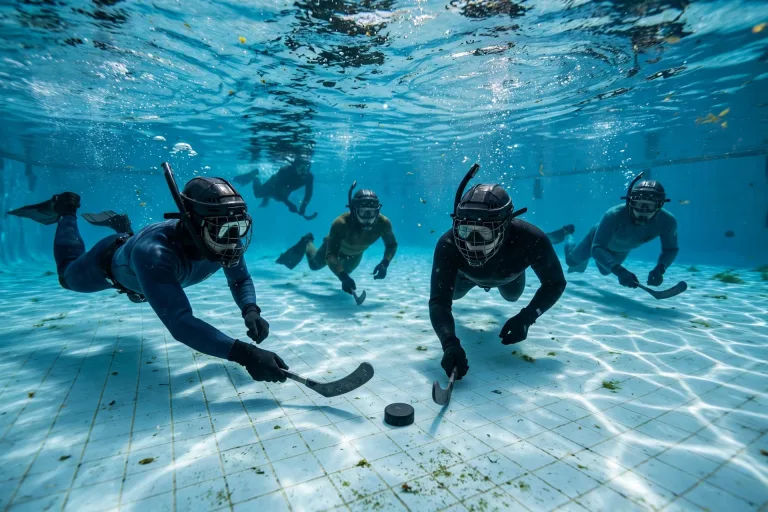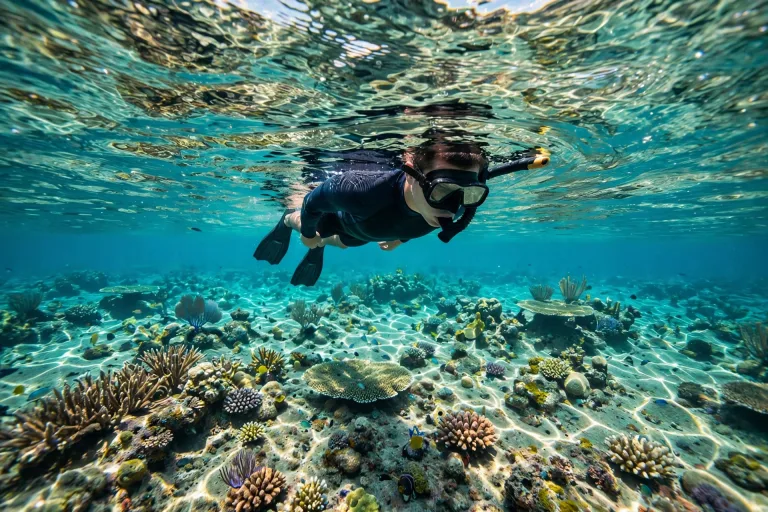
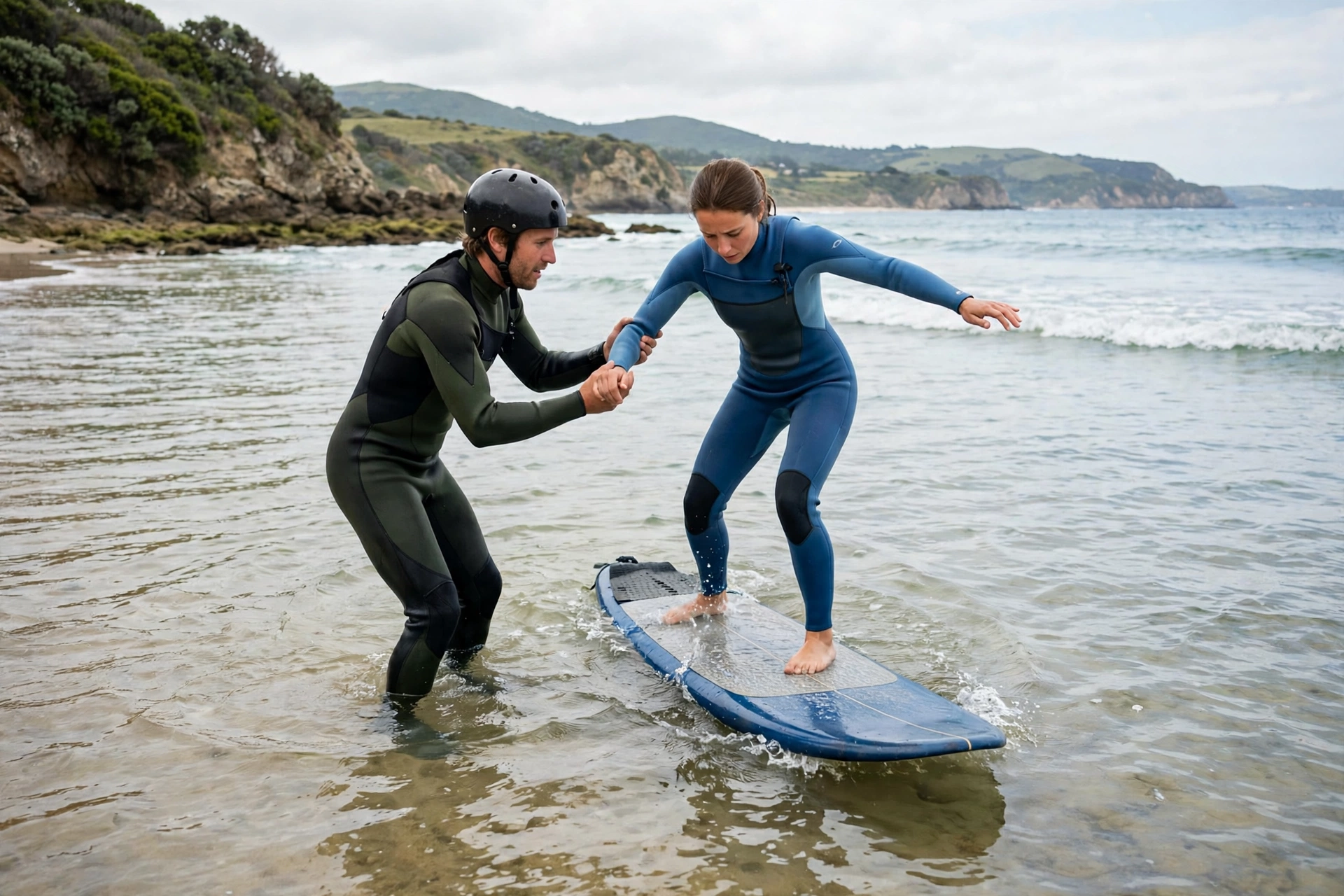
A helmet for surf instructors is a light water sports helmet worn to protect the head from surfboards, fins, and the sea floor during lessons in the surf. In general terms, a surf instructor spends far more time in the water than a casual surfer, often in shallow water close to beginners, so a helmet is a practical piece of protection rather than an optional extra. It guards against knocks from boards and fins, and it gives the instructor a little more confidence when moving around a group of learners in moving water.
Surf instructors work in a busy, moving environment. Boards are being carried, dropped, and ridden by people who are still learning to control them, and the instructor is often the person standing closest when a board goes astray. A helmet will not make the surf safe, and it does not replace good judgement about waves and conditions, but it does lower the chance that a knock to the head becomes a serious injury. For that reason, many surf schools now ask their instructors to wear one, especially when teaching beginners.
What does a surf instructor’s helmet protect against?
A surf instructor’s helmet mainly protects against impacts from surfboards, fins, and the sea floor. In a lesson, a beginner’s board can swing around in a wave, a fin can catch an instructor standing in shallow water, and a fall in the shore break can push a person onto sand or rock. In general terms, the helmet spreads the force of a knock across the shell and the lining, so a blow that might otherwise cut or bruise the head is softened.
The helmet also offers some protection from the sun and from scrapes. Long hours in the water mean long hours under a strong sun, and a helmet shades the top of the head in a way that a cap cannot match once it is soaked. It can also protect against scrapes from shells, rocks, and reef in shallow water. The helmet is not designed to protect against drowning or against the power of a large wave, and no instructor should treat it as a substitute for reading the surf and knowing when conditions are too rough for a lesson.
What kind of helmet do surf instructors wear?
Surf instructors usually wear a light water sports helmet with a hard outer shell, a soft lining, and ear coverage or ear flaps. The shell is often made from a tough plastic, and the lining is designed to drain water rather than soak it up. In general terms, the helmet should sit low enough to cover the top and sides of the head, with straps that hold it firmly in place when a wave hits.
Some surf helmets have vents that let water flow through, which helps the helmet stay comfortable and stops it from feeling heavy when wet. Others have a small brim or peak to keep sun and spray out of the eyes. Instructors who teach in cold water may choose a helmet with more coverage, while those in warm water often prefer a lighter, well-vented model. Some helmets include a system designed to reduce rotational forces in a fall, such as MIPS, although the most important thing is still a good fit and a shell made for water use rather than for another sport.
Should surf instructors wear a helmet in every lesson?
In general terms, it is sensible for a surf instructor to wear a helmet in every lesson, and many surf schools make it part of the uniform. The risk is highest with beginners, because new surfers lose control of their boards more often and fall in shallow water where the bottom is close. Even an experienced instructor cannot predict where a loose board will go in a wave, and a helmet covers that gap.
Some instructors may feel that a helmet is unnecessary in gentle conditions or with advanced students, and that is a judgement call for the instructor and the surf school. But the habit of wearing one every time is easier to keep than a rule that changes with the conditions, and students also learn by example. When the instructor wears a helmet without fuss, students are more likely to accept wearing one themselves, and the whole group ends up safer.
How should a surf instructor’s helmet fit?
A surf instructor’s helmet should fit snugly all round, without pressing hard on one spot or sliding around when the head moves. In general terms, the helmet should sit level on the head, covering the forehead down to just above the eyebrows, and the chin strap should be tight enough that the helmet stays put when shaken gently from side to side. A helmet that is too loose can shift in a wave and leave part of the head exposed, while one that is too tight becomes uncomfortable over a long lesson.
Fit should be checked with wet hair in mind, because hair behaves differently when it is soaked, and a helmet that fits on dry land can loosen in the water. The instructor should also check that the helmet does not block hearing or vision, since hearing students and watching the surf are both part of the job. Ear flaps, where fitted, should cover the ears without pressing painfully on them, and the straps should be adjusted so that the helmet can be put on and taken off quickly between lessons.
How do you look after a surf instructor’s helmet?
A surf instructor’s helmet should be rinsed in fresh water after every session, to wash out salt and sand that can wear down the straps and lining. In general terms, the helmet should be left to dry in the shade, away from direct sunlight and away from heat, because strong sun and heat can weaken the shell and the straps over time. The lining should be allowed to dry fully before the helmet is stored, so that it does not develop an unpleasant smell.
The helmet should be checked regularly for cracks in the shell, frayed straps, and a lining that has gone flat or loose. A helmet that has taken a hard knock should be looked at closely, and if the shell is cracked or the lining is damaged, the helmet should be replaced rather than patched up. Instructors who teach every day will wear a helmet out faster than a casual surfer, so it is worth keeping a spare ready and replacing the helmet when the fit or the protection starts to feel less reliable.
Do surf instructors have to wear helmets?
It depends on the surf school and the place, but many schools now ask their instructors to wear one, especially when teaching beginners. Even where it is not a formal rule, it is a sensible habit in shallow water and busy lessons.
Can you wear a normal bike helmet for surfing?
No, a bike helmet is not made for water use, and its lining and straps can soak up water and become heavy. A water sports helmet is designed to drain, stay light when wet, and hold its fit in the surf.
Does a helmet make it harder to hear students?
A well-fitting surf helmet should not block hearing much, although ear flaps can muffle sound a little. Instructors usually adjust to it quickly, and the protection is worth the small change in hearing.

Olivia
Writer at Helmet Today, covering helmet reviews, fit and riding safety.