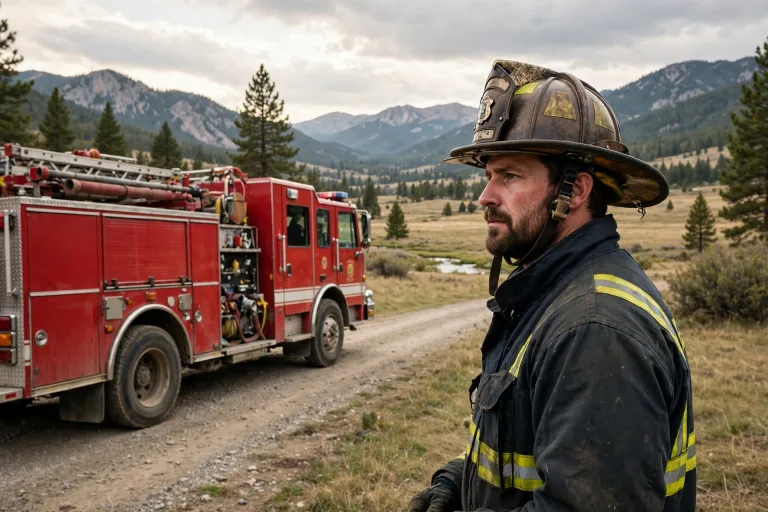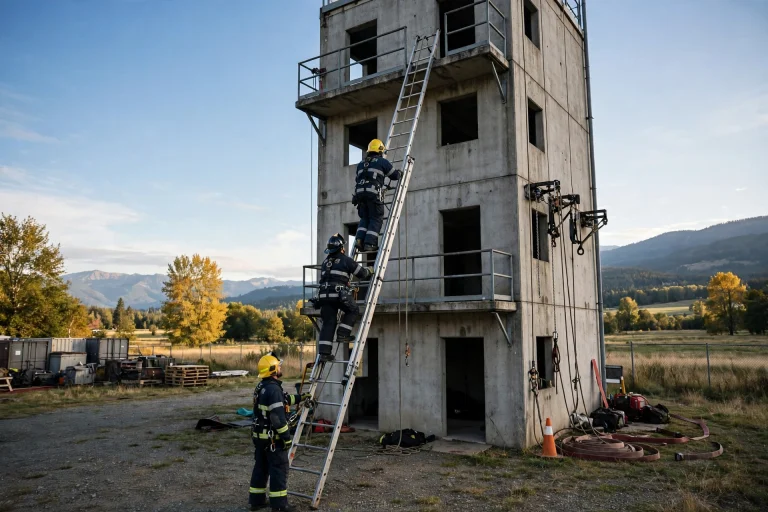
A helmet for paramedics is a light protective helmet worn at roadside crashes, rescue scenes, and other incidents where the head is at risk from falling objects, debris, or a slip or fall. In general terms, paramedics work in places that are not controlled like a hospital ward, and a helmet gives them a practical layer of protection while they treat patients in the open. It is part of the protective kit for the job, along with gloves, high-visibility clothing, and sturdy footwear.
Paramedics are often the first trained help to reach a patient, and they may have to work beside a busy road, in a damaged building, on a steep slope, or in bad weather. In those places, the risks are not only medical; a paramedic can be struck by debris, can slip on a wet surface, or can bump their head in a confined space. A helmet will not remove those risks, and it does not replace scene safety or good training, but it lowers the chance that a knock to the head stops the paramedic from doing their job.
What is a paramedic’s helmet?
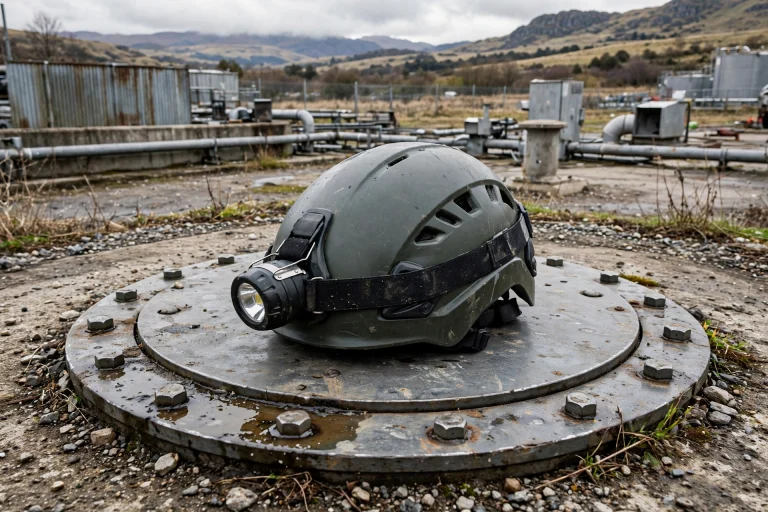
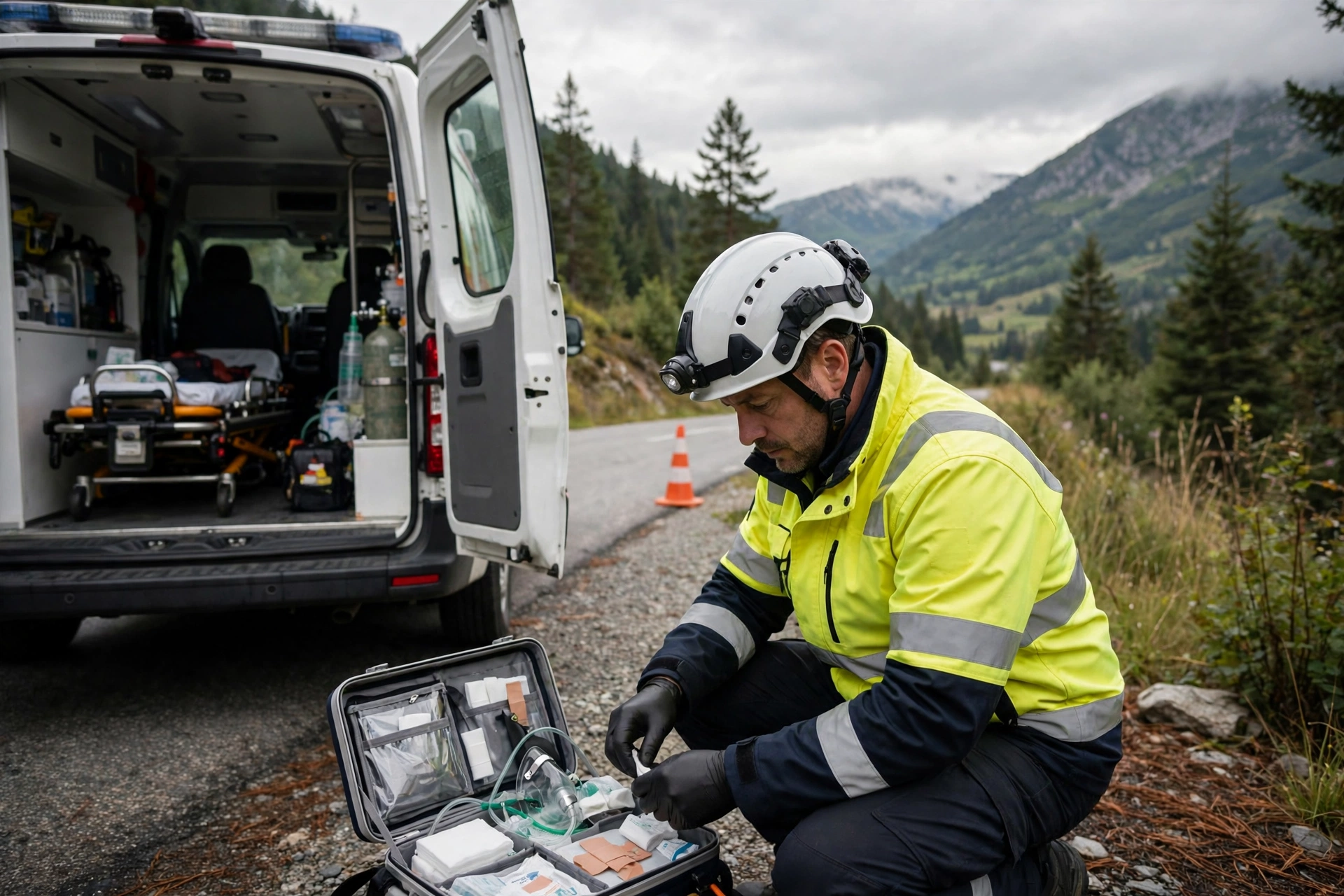
A paramedic’s helmet is usually a light rescue or emergency-services helmet with a hard outer shell, a padded lining, and a chin strap that holds it firmly in place. In general terms, it covers the top and sides of the head, sits low on the forehead, and leaves the face open so the paramedic can see, speak, and hear clearly. Many helmets have a small brim to keep rain out of the eyes, and some have clips or mounts for a torch or a light.
The helmet is often bright in colour, with reflective strips, so that the paramedic is easy to see at a roadside scene or in poor light. It is made to be worn for long shifts, so it should be light, well-vented, and comfortable enough to wear while bending, lifting, and kneeling beside a patient. Some helmets are made for general rescue work, while others are closer to a climbing or industrial helmet, adapted for medical use.
Why do paramedics wear helmets?
Paramedics wear helmets because their workplace is the scene of an incident, and incidents are unpredictable. A paramedic at a roadside crash may be working close to passing traffic, with debris on the ground and damaged vehicles nearby. A paramedic called to a building may face falling plaster, broken glass, or an unstable structure. In general terms, a helmet protects against the knocks and falling objects that are part of those scenes.
The helmet also protects during movement. Paramedics carry patients on stretchers, climb in and out of ambulances, and work in tight spaces such as stairwells and car interiors, where it is easy to bump the head. A helmet softens those knocks and helps the paramedic keep working without a head injury. It also signals to others at the scene that the paramedic is part of the emergency response, which helps with crowd control and with keeping the working area clear.
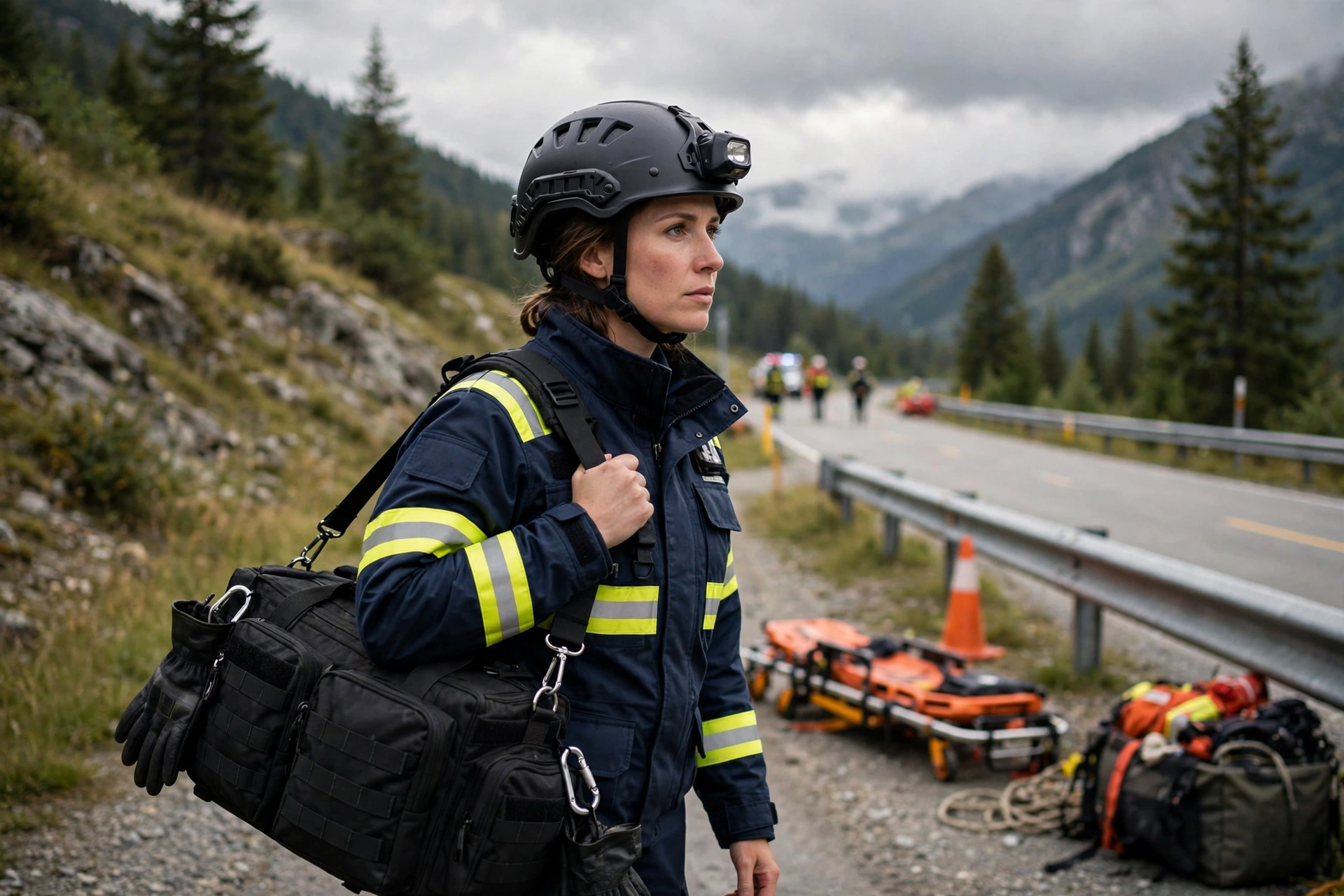
What should a paramedic’s helmet protect against?
A paramedic’s helmet should protect against falling objects, knocks from above and from the side, and bumps in confined spaces. In general terms, the shell should be tough enough to deflect debris, the lining should spread the force of a blow, and the helmet should stay in place when the paramedic bends, lifts, or moves quickly. The helmet should also work with the rest of the kit, including gloves, a radio headset, and eye protection.
Weather is part of the job too. A helmet that keeps rain out of the eyes and shades the head in strong sun is more useful than one that does not, and vents that let air move through the helmet help during a long, physical shift. Some helmets include a system designed to reduce rotational forces in a fall, such as MIPS, which is a feature worth considering, although a good fit, a tough shell, and clear vision and hearing matter most in emergency work.
How should a paramedic’s helmet fit?
A paramedic’s helmet should fit snugly all round, without pressing hard on one spot or sliding around when the head moves. In general terms, it should sit level on the head, covering the forehead down to just above the eyebrows, and the chin strap should be tight enough that the helmet stays put when shaken gently from side to side. A helmet that is too loose can shift when the paramedic bends over a patient, while one that is too tight becomes a distraction over a long shift.
Fit should be checked with the other kit the paramedic wears, including a radio headset, eye protection, and a face mask where needed. The helmet should not press on the ears in a way that blocks hearing, since hearing a patient and hearing radio messages are both vital. The straps should be easy to adjust with gloved hands, and the helmet should be quick to put on and take off, because emergency work does not wait for fiddly fittings.
How do paramedics look after their helmets?
A paramedic’s helmet should be cleaned after use, especially after a messy scene, and stored in a cool, dry place away from strong sunlight and heat. In general terms, the shell can be wiped with a damp cloth, and the lining can be cleaned or washed where the maker allows it, so that sweat and dirt do not build up. The helmet should be kept away from chemicals and solvents, which can weaken the shell and the straps.
The helmet should be checked regularly for cracks in the shell, flattened lining, and straps that have frayed or stretched. A helmet that has taken a hard knock should be looked at closely, and if there is any doubt about its condition, it should be replaced rather than kept in service. Because a paramedic’s helmet is used in demanding conditions, it should be inspected often, and a spare should be available so that a damaged helmet can be swapped out without delay.
Do all paramedics wear helmets?
No, in general terms it depends on the service and the incident. Many paramedics wear a helmet at roadside crashes, rescues, and other scenes where the head is at risk, while routine indoor calls may not need one. The decision is usually made by the service and by the crew on the scene.
Can a paramedic wear a bike helmet on duty?
No, a bike helmet is made for cycling falls and is not designed for the falling objects and confined spaces of rescue work. A paramedic needs a helmet made for emergency services or rescue use, with the right shell, fit, and visibility.
Does a helmet get in the way of patient care?
A well-fitting rescue helmet should not get in the way, since it leaves the face open and is made to be worn while bending and kneeling. If a helmet blocks vision or hearing, it is probably the wrong fit or the wrong helmet for the job.

Olivia
Writer at Helmet Today, covering helmet reviews, fit and riding safety.