Helmet for Avalanche Rescue Teams Explained
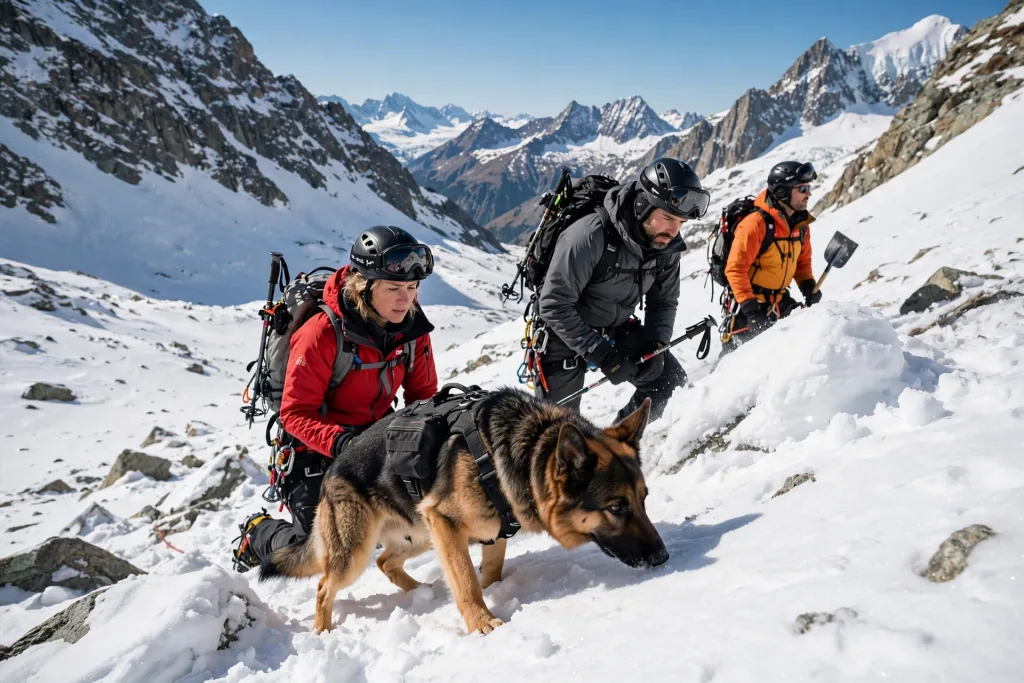
A helmet for avalanche rescue teams is a helmet worn by rescuers working on snowy mountain slopes to protect the head from falls, falling snow and ice, and knocks from rescue equipment, and in…
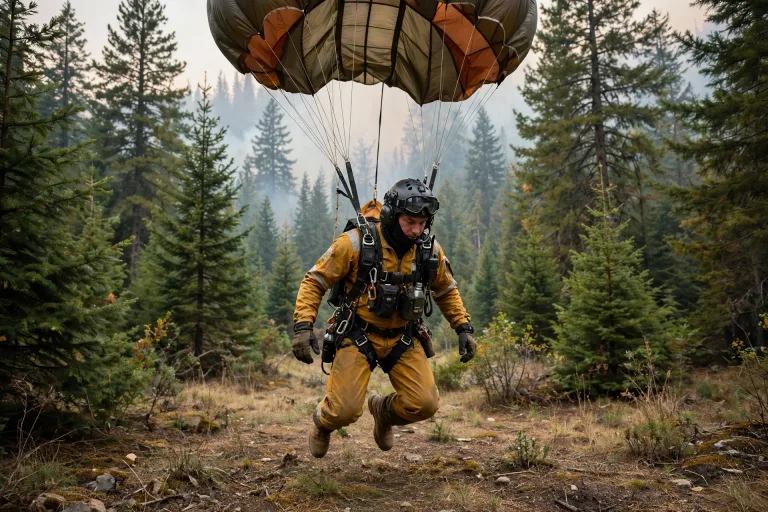
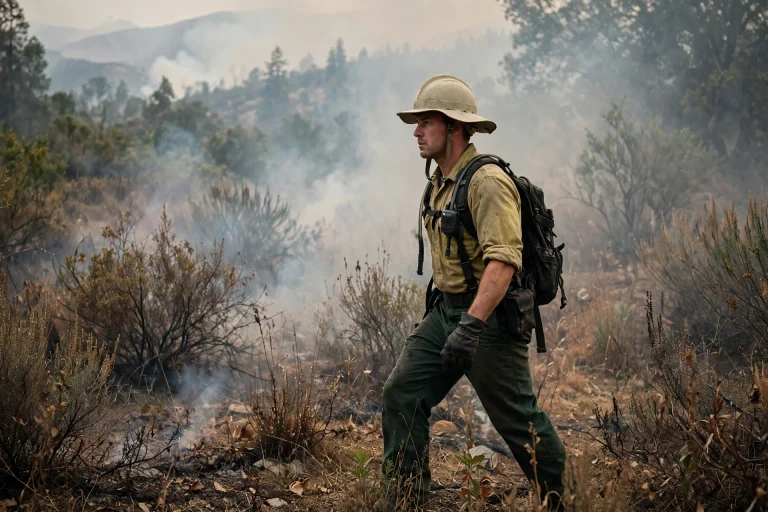
A helmet for smokejumpers is a tough, snug-fitting helmet worn by wildland firefighters who parachute into remote areas to fight wildfires. In…
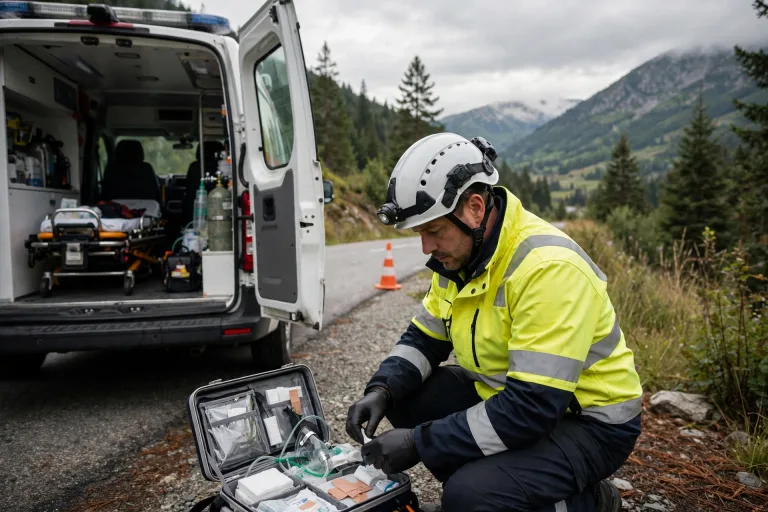
A helmet for paramedics is a light protective helmet worn at roadside crashes, rescue scenes, and other incidents where the head is…
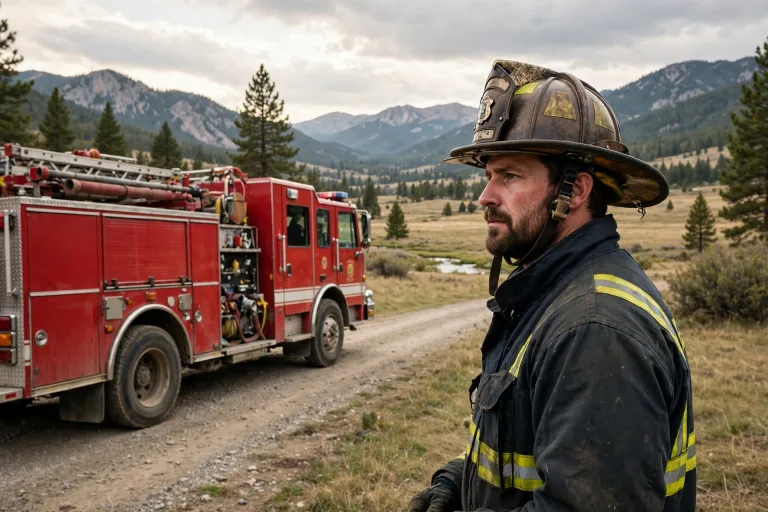
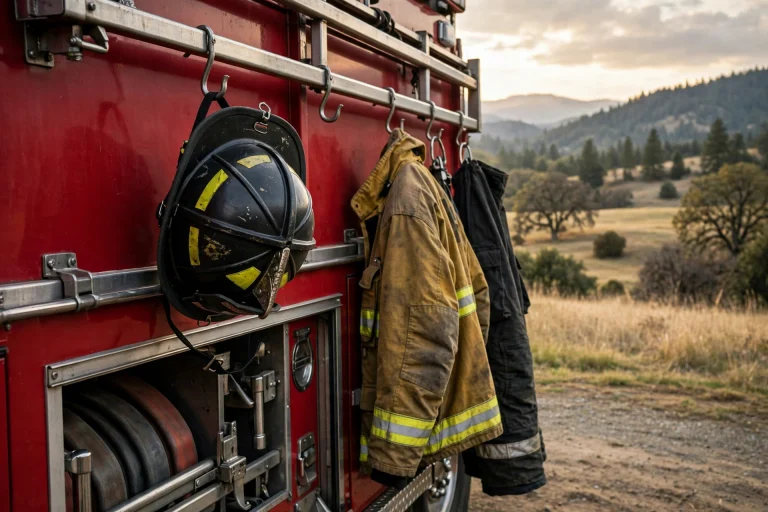
A helmet for firefighters is a specialist fire helmet, usually a traditional-style helmet with a wide brim and a long rear brim,…
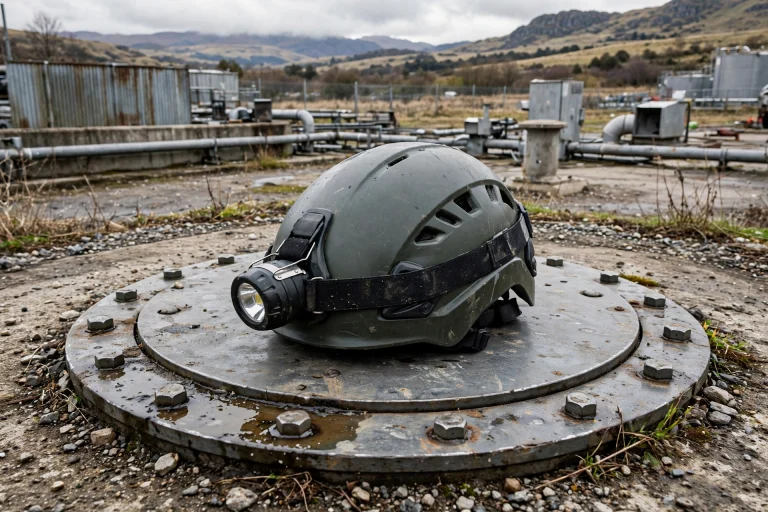
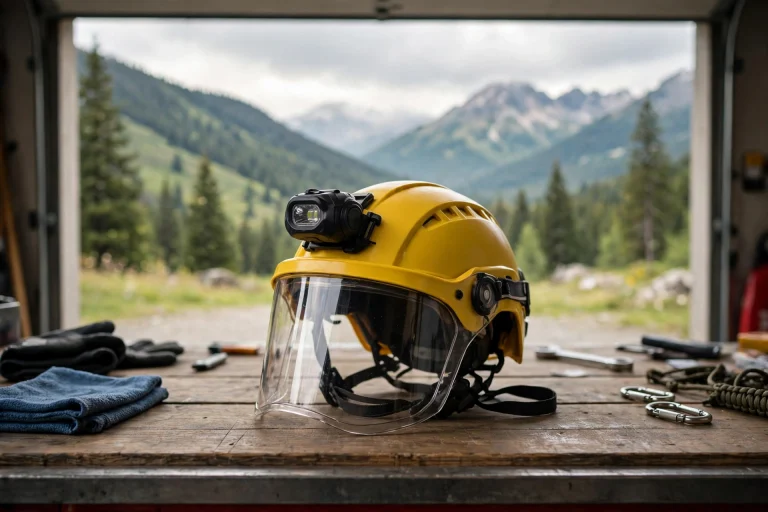
A rescue helmet for confined space work should be low-profile, close-fitting, and securely strapped, with a headlamp mount and compatibility with breathing…
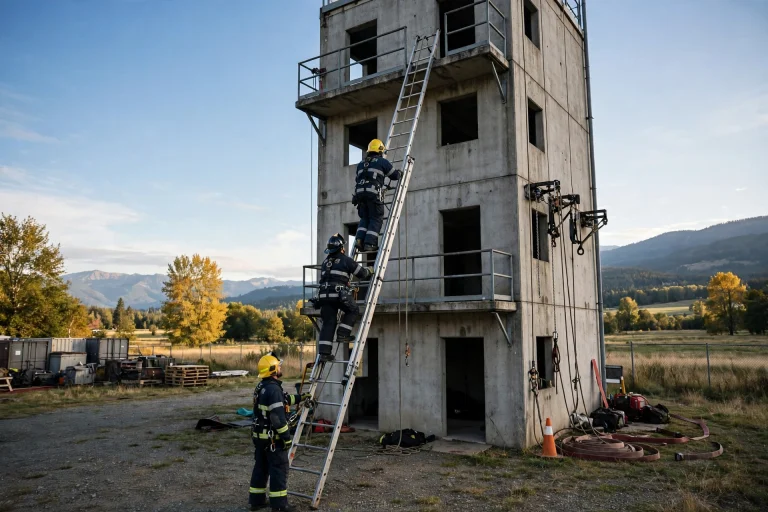
Yes, firefighters do wear helmets during training drills — whenever the drill reproduces a real hazard, such as live fire, search, ladder…
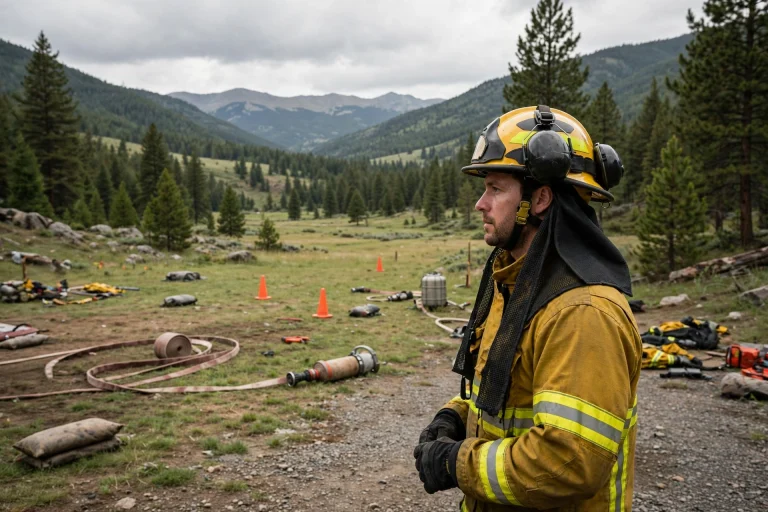
Fire helmet ear covers and neck curtains are flaps of fire-resistant fabric that hang from the sides and back of the helmet,…
Before a shift, inspect a rescue helmet by checking the shell for cracks and dents, the suspension and straps for wear, the…
The main difference is the job: a wildland fire helmet is light, ventilated, and built for long outdoor shifts in heat and…
A fire helmet for wildland firefighting is lighter and more ventilated than a structural helmet, with no breathing-apparatus interface, a brim or…