The main difference is the job: a wildland fire helmet is light, ventilated, and built for long outdoor shifts in heat and smoke, while a structural fire helmet is heavier, more heat-resistant, and built to work with breathing apparatus inside burning buildings. In general terms, they look different, weigh different amounts, meet different standards, and should not be swapped between roles.
Crews in departments that cover both urban and rural areas often need both types, so understanding the differences matters for buying, issuing, and choosing the right helmet on the day. This guide compares them side by side.
How Do Wildland and Structural Helmets Differ in Shape and Weight?
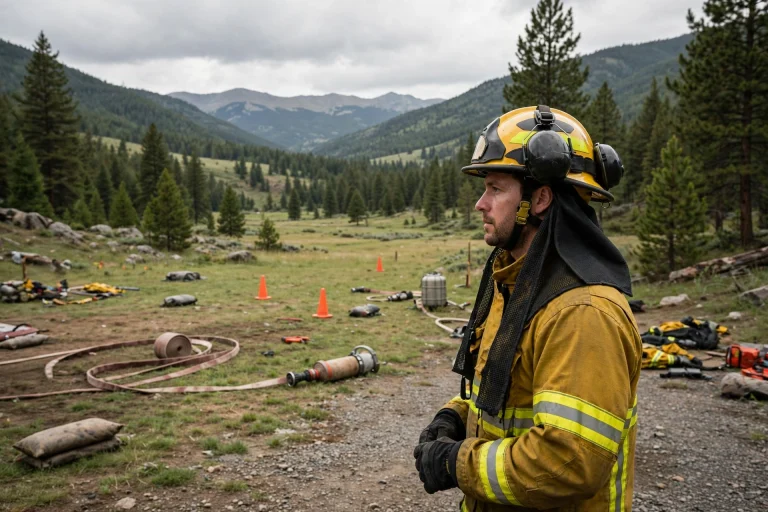
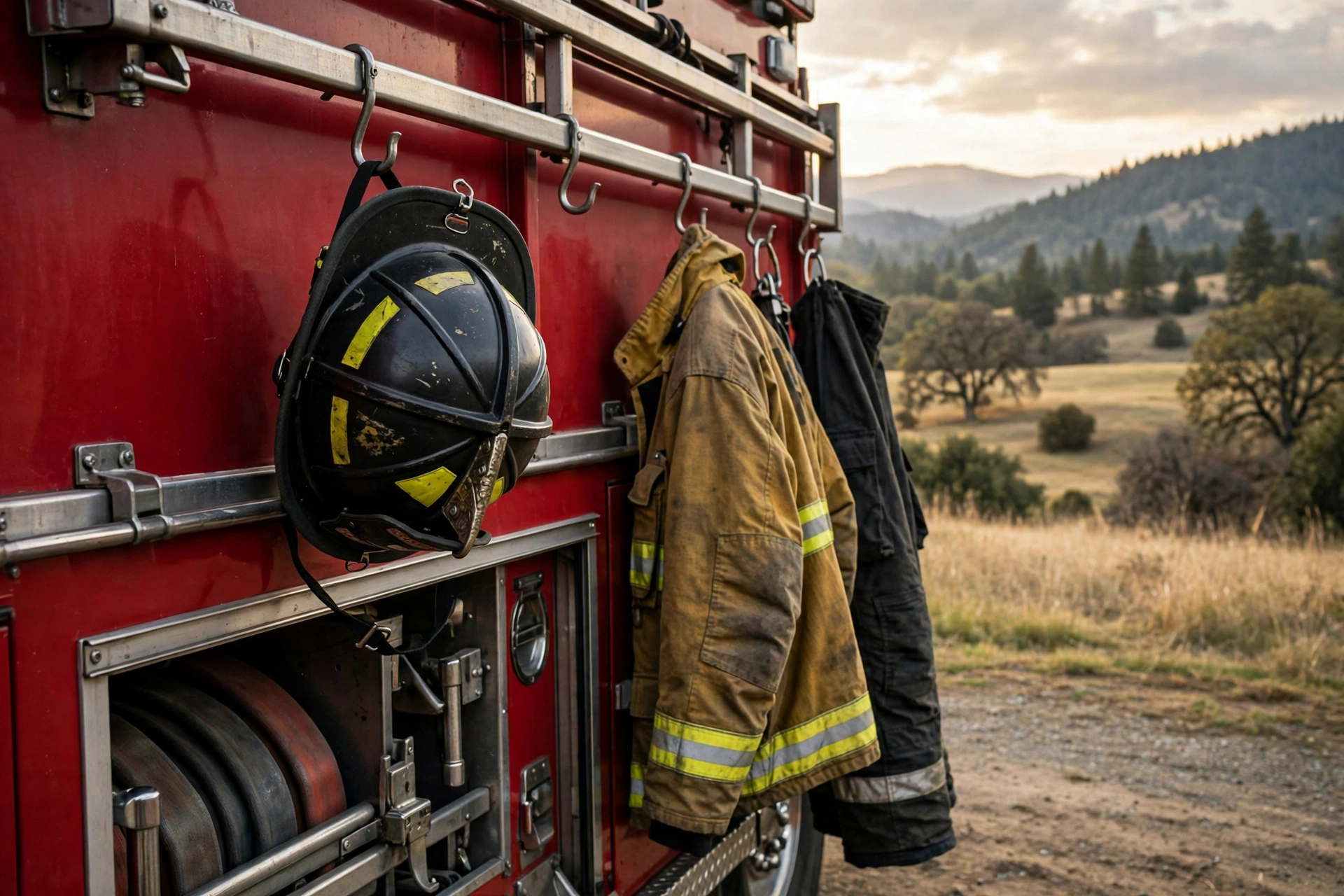
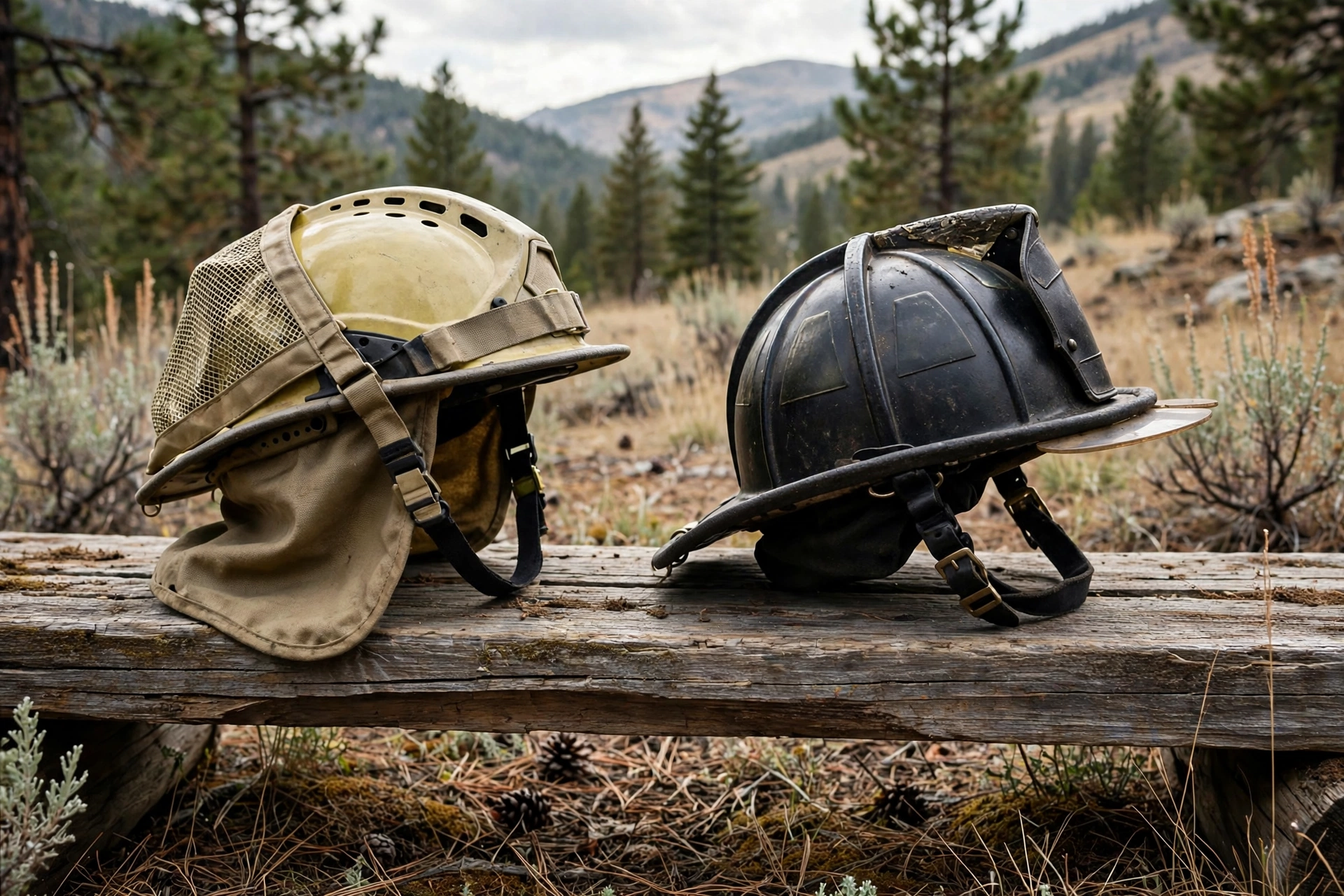
A structural helmet has a distinctive shape: a high crown, a long rear brim that sheds water and debris down the back, and a sturdy shell built to resist heat and impact. A wildland helmet looks more like a work hard hat, with a lower profile and usually a full brim all around, which shades the wearer and sheds embers in every direction. The lower profile helps when working under branches and brush.
Weight is the most immediately obvious difference. Structural helmets are heavy, because their shells, suspensions, and fittings are built for extreme conditions. Wildland helmets are much lighter, because their wearers may hike for hours and work a full shift outdoors. That weight difference is deliberate: a helmet that is fine for a short interior attack becomes a neck and shoulder burden over a long day on a fireline.
What About Heat Protection and Standards?
Structural helmets are designed for the intense heat of interior firefighting, and they are tested against a standard written for that environment. Their shells resist high temperatures, and they are worn as part of a full ensemble with a fire-resistant hood and turnout gear. A wildland helmet is tested against a different standard, written for outdoor fire work, where the heat hazards are radiant heat, embers, and sun rather than direct flame and superheated rooms.
This is why the two helmets are not interchangeable. A wildland helmet taken into a burning building would not provide the heat protection that interior work demands. A structural helmet taken onto a fireline would be heavier and hotter than necessary, and its lack of ventilation would add to heat stress over a long shift. The label inside each helmet states which standard it meets, and that label, not the helmet’s appearance, is the reliable guide.
How Does the Rest of the Kit Differ?
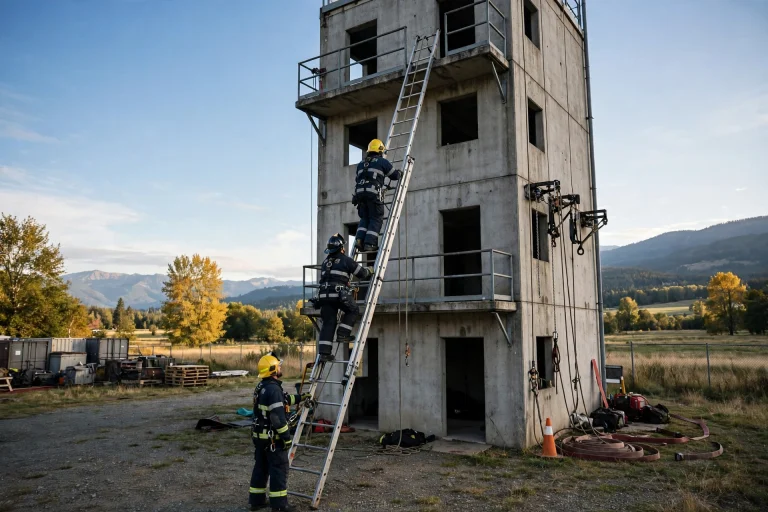
A structural helmet works as part of a system: it interfaces with a breathing apparatus mask, a hood, and often a built-in face shield or Bourke-style eye shield. Its ear covers and neck protection are substantial, designed to work with the hood and coat collar. The helmet’s fittings reflect interior work, where communication, vision through a mask, and protection from falling debris inside a building are priorities.
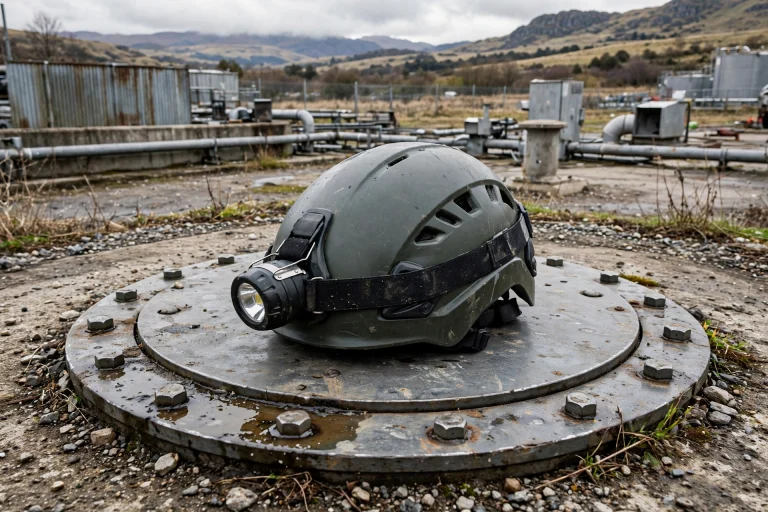
A wildland helmet’s kit is simpler and more flexible. Eye protection comes from goggles or glasses, often held on the helmet by clips. Neck protection comes from a lightweight shroud or neck curtain. A headlamp mount is common, since wildland shifts run into the night, and hearing protection may be added for chainsaw work. There is no breathing apparatus interface, because wildland crews do not normally wear air packs. Each helmet’s accessories match the work it was designed for.
Which Helmet Should You Wear for Each Type of Fire?
The rule is straightforward: structural fires get structural helmets, wildland fires get wildland helmets. For a building fire, vehicle fire, or any incident where you may enter a structure or face intense heat, the structural helmet is the right choice, worn with the full ensemble. For grass, brush, and forest fires, where you work outdoors on foot for long periods, the wildland helmet is the right choice.
Mixed incidents need judgement. A fire at the boundary between town and bush — a shed fire spreading into grass, for example — may start as one kind of incident and become the other. In those cases, follow your department’s procedures and the incident commander’s direction, and switch helmets if the nature of the work changes. When in doubt, crews should ask the incident commander rather than guessing, since wearing the wrong helmet for the conditions is a risk that is easy to avoid. Departments that regularly face both kinds of incident usually issue both helmets and train crews to recognise which is needed.
Can One Helmet Do Both Jobs?
Some helmets are marketed as multi-purpose, and in general terms a helmet designed and tested for both roles could serve in both. But a helmet that is only tested for one role should not be assumed to cover the other, however similar it looks. Appearance is a poor guide: two helmets can look alike while meeting very different standards.
If your department is considering a single helmet for both roles, check the standards labelling carefully and confirm with the maker that the helmet is rated for both structural and wildland use. Also consider comfort: a helmet that meets both standards on paper but is too heavy for a long fireline shift will still be a problem in practice. The best choice is usually the helmet that is right for the work you actually do most, with the other type available for the rest. If you are learning about helmet technology, reading about what MIPS is for helmets can help you understand one of the features you may see listed on modern helmets.
Frequently Asked Questions
Q: Is a wildland helmet just a hard hat with a different colour?
A: Not quite. Wildland helmets share a hard hat style shape, but they are built and tested for fire work, with features such as shrouds, goggle fittings, and heat-resistant materials that a general work hard hat may not have.
Q: Can I wear my structural helmet on a wildland fire if it is all I have?
A: In an emergency, any approved helmet is better than none, but a structural helmet is heavier and hotter than ideal for fireline work. Departments should issue the right helmet for each role rather than relying on one type for everything.
Q: Do wildland and structural helmets cost about the same?
A: In general terms, wildland helmets tend to be simpler and less expensive than structural helmets, which carry heavier construction and more fittings. Exact prices vary by maker and model, so compare like with like.

Olivia
Writer at Helmet Today, covering helmet reviews, fit and riding safety.