Do EMS Crews Wear Helmets? When and Why
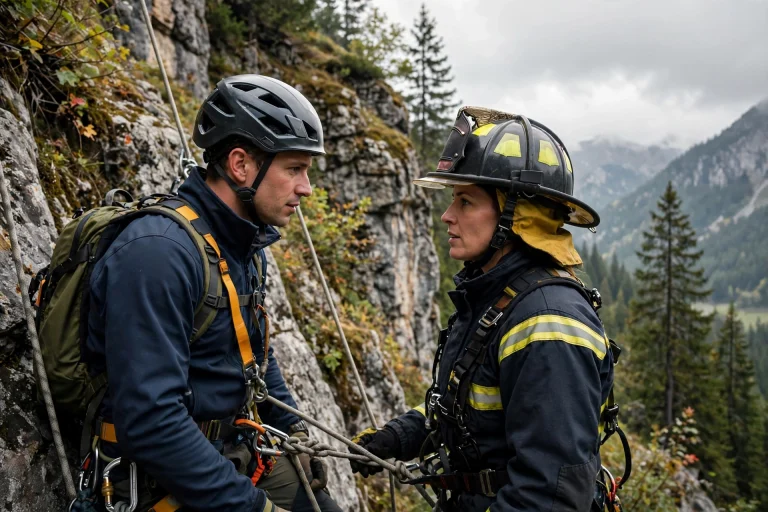
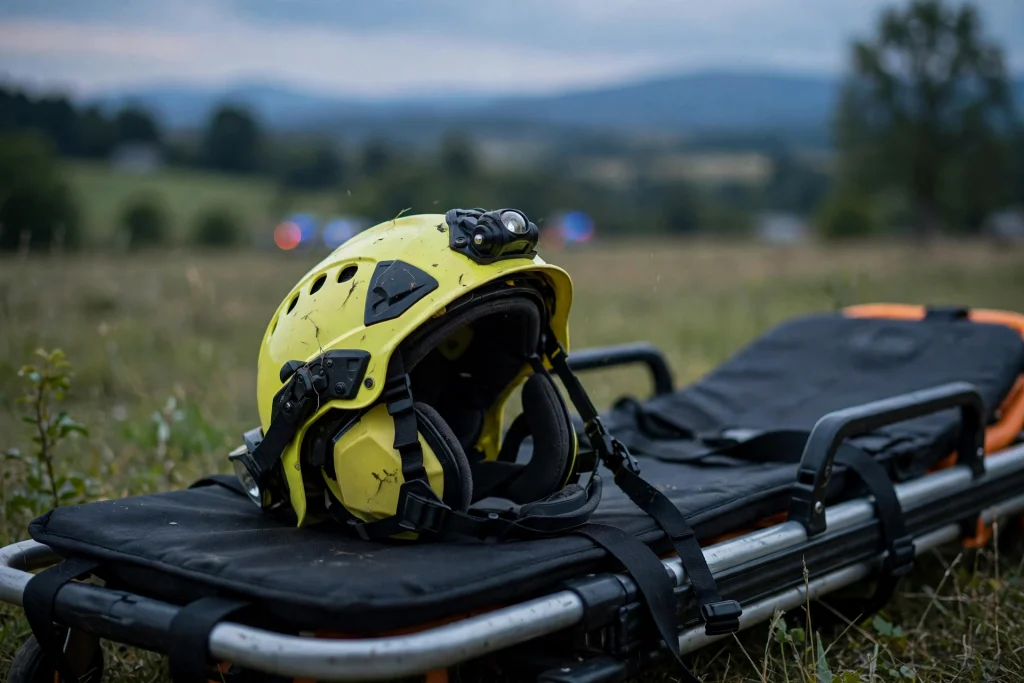
Yes, EMS crews do wear helmets, but not on every call — they wear them when the scene carries a risk of head injury, such as roadside incidents, vehicle extrication, rescue work, and hazardous…
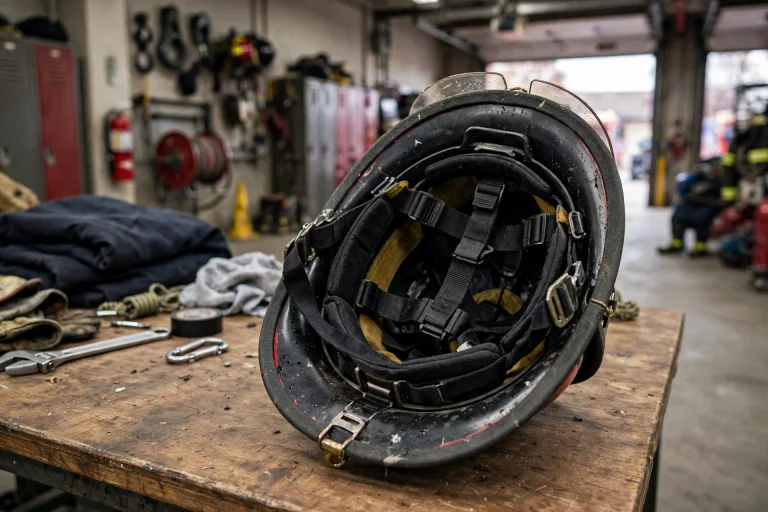
A fire helmet’s suspension and fit are adjusted with the internal cradle, the ratchet or sizing band at the back, and the…
Fire helmets should be stored upright on a rack or shelf in a cool, dry, well-ventilated spot at the station, away from…
In general terms, a technical rescue helmet and a fire helmet differ in the same way a rescue helmet differs from a…
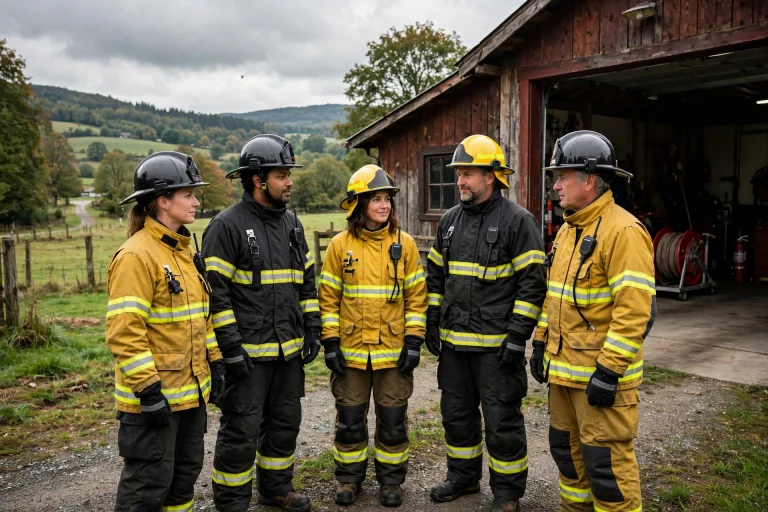
In general terms, yes — volunteer firefighters wear the same types of helmets as career firefighters, meeting the same standards for structural…
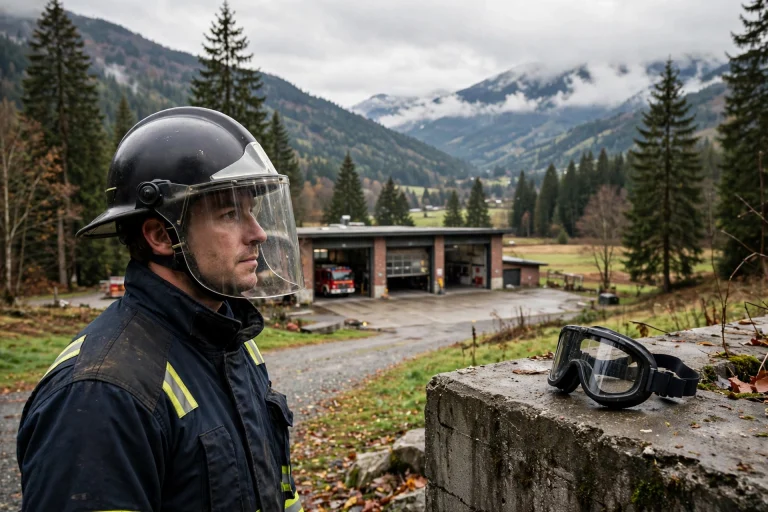
In general terms, a fire helmet face shield gives broad, flip-down protection against heat, sparks, and falling debris, while goggles give a…
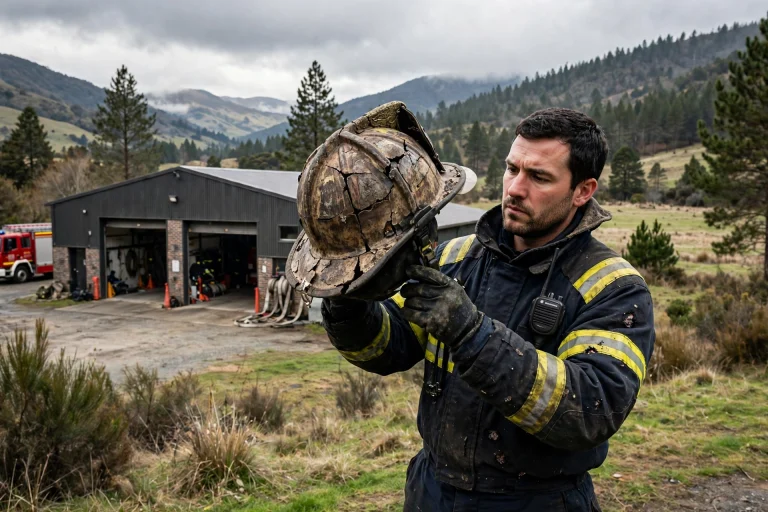
In general terms, a fire helmet should be replaced after a serious impact, after visible heat damage, when its shell or suspension…
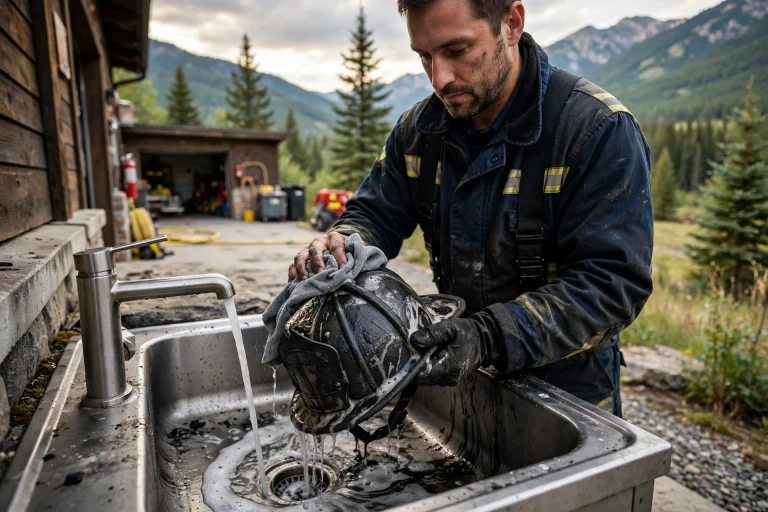
In general terms, cleaning a fire helmet after a call means removing soot, smoke residue, and debris from the shell, wiping down…
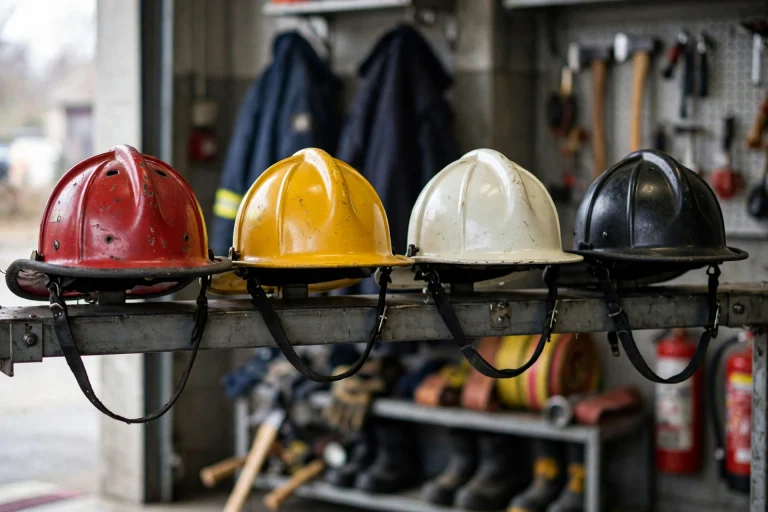
In general terms, fire helmet colours usually signal a firefighter’s role, rank, or assignment, but there is no single universal system, so…
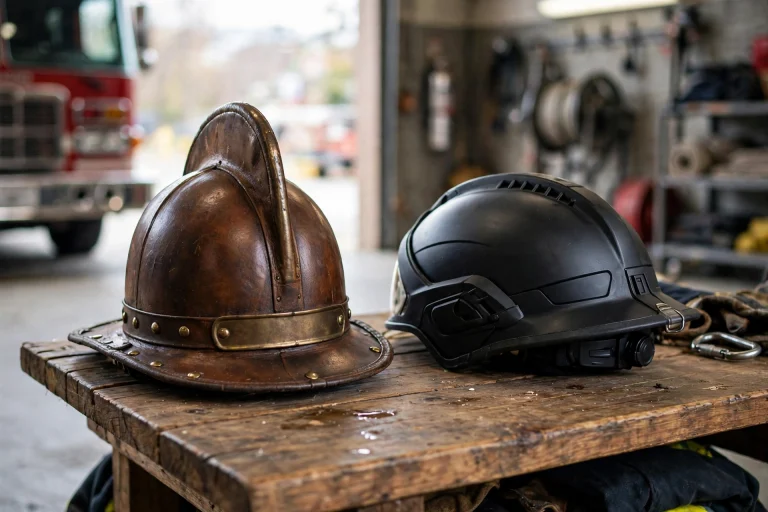
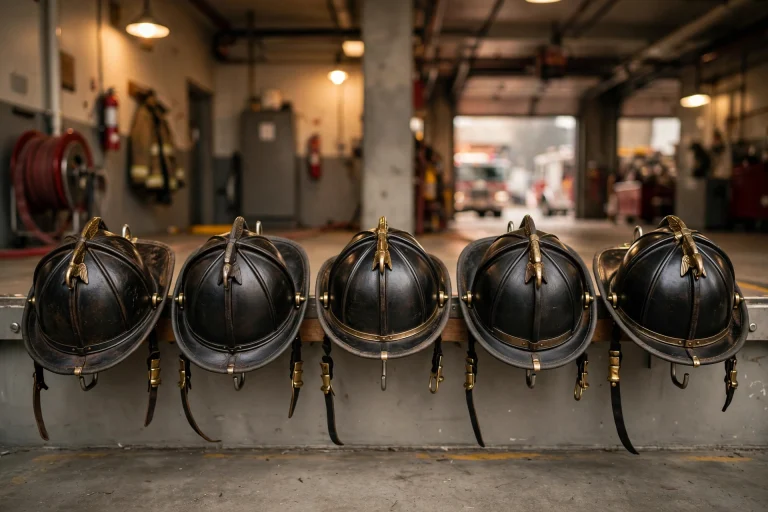
In general terms, traditional fire helmets have a tall, distinctive shape with a long rear brim, while modern fire helmets have a…