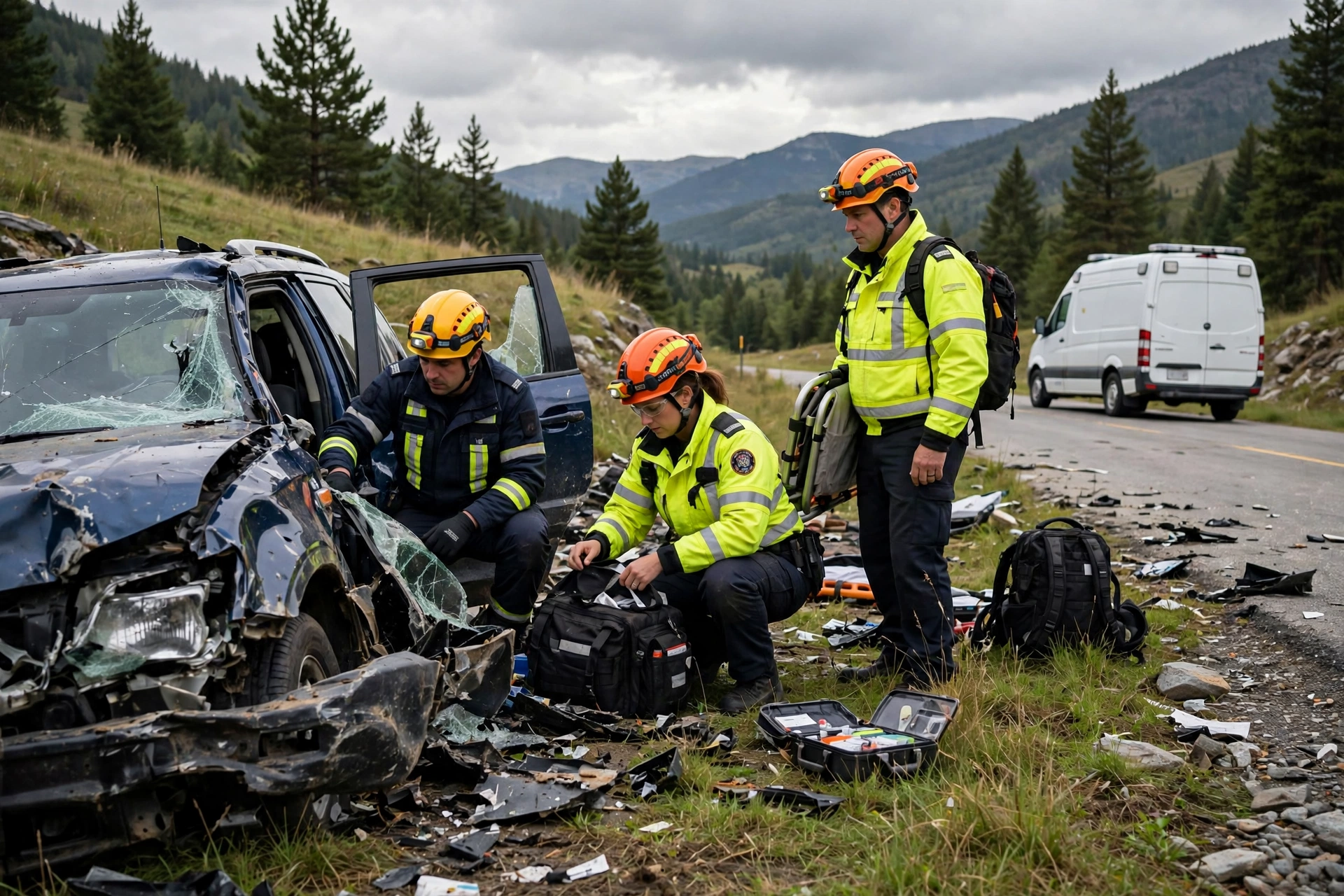
Yes, EMS crews do wear helmets, but not on every call — they wear them when the scene carries a risk of head injury, such as roadside incidents, vehicle extrication, rescue work, and hazardous or unstable environments. In general terms, a routine medical call inside a home does not call for a helmet, while working beside live traffic or cutting a patient out of a wreck very often does.
The helmet an EMS crew wears is usually a rescue or multi-purpose helmet rather than a structural firefighting helmet, and the choice depends on the hazards of the scene. This guide explains when EMS helmets come out, what kind crews wear, and why the decision matters.
When Do EMS Crews Wear Helmets?
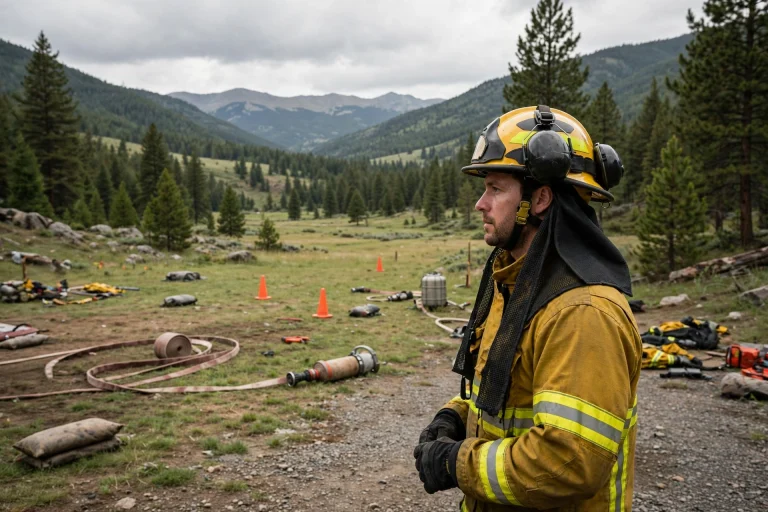
Helmets come out when the scene, not the patient, creates the risk. The classic example is a road traffic collision: crews working on or beside a roadway face passing traffic, debris, and the risk of secondary collisions, and a helmet is part of the protection for that environment. Vehicle extrication is another clear case, since cutting tools throw sparks and fragments, and rescuers work around bent metal, broken glass, and unstable vehicles.
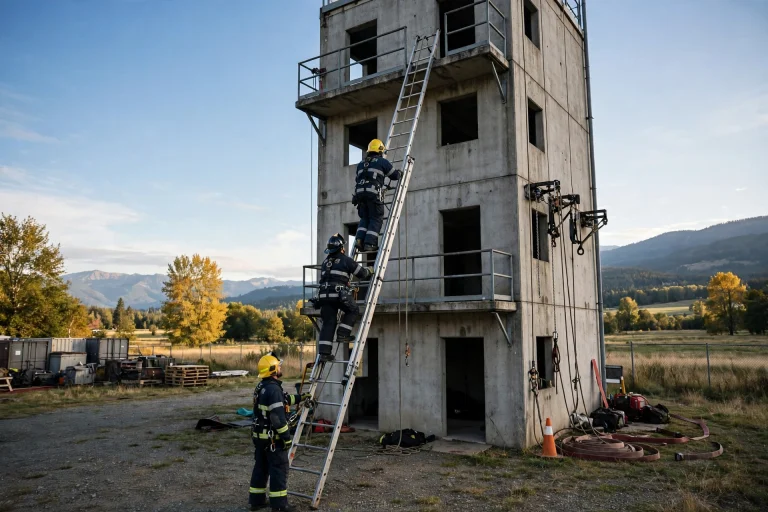
Other situations include technical rescues such as rope, water, or confined-space work, where falling objects, low headroom, and slips are real risks, and incidents in damaged or unstable buildings where debris may fall. Some services also carry helmets on every vehicle, even when they are not worn on every call, so crews are never caught without one when a scene turns hazardous. Some services also require helmets for helicopter operations, where rotor wash throws up loose material and crews work close to a running aircraft. The common thread is overhead or impact risk: if something could hit a crew member’s head, a helmet belongs on it.
What Kind of Helmet Do EMS Crews Wear?
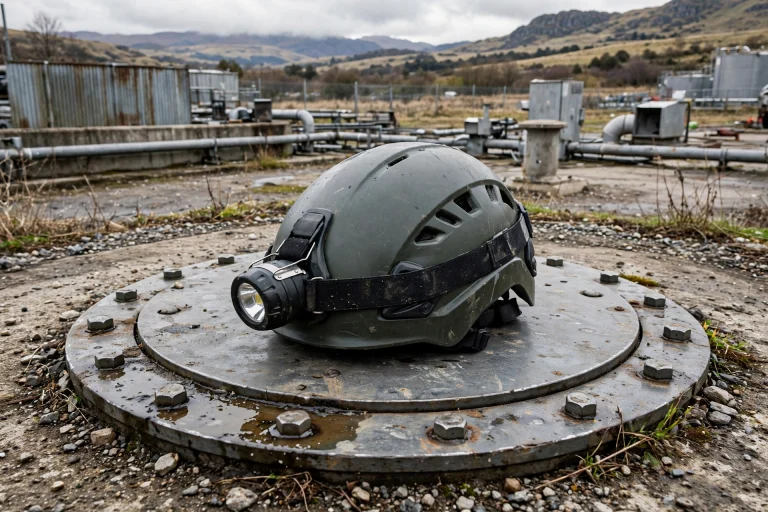
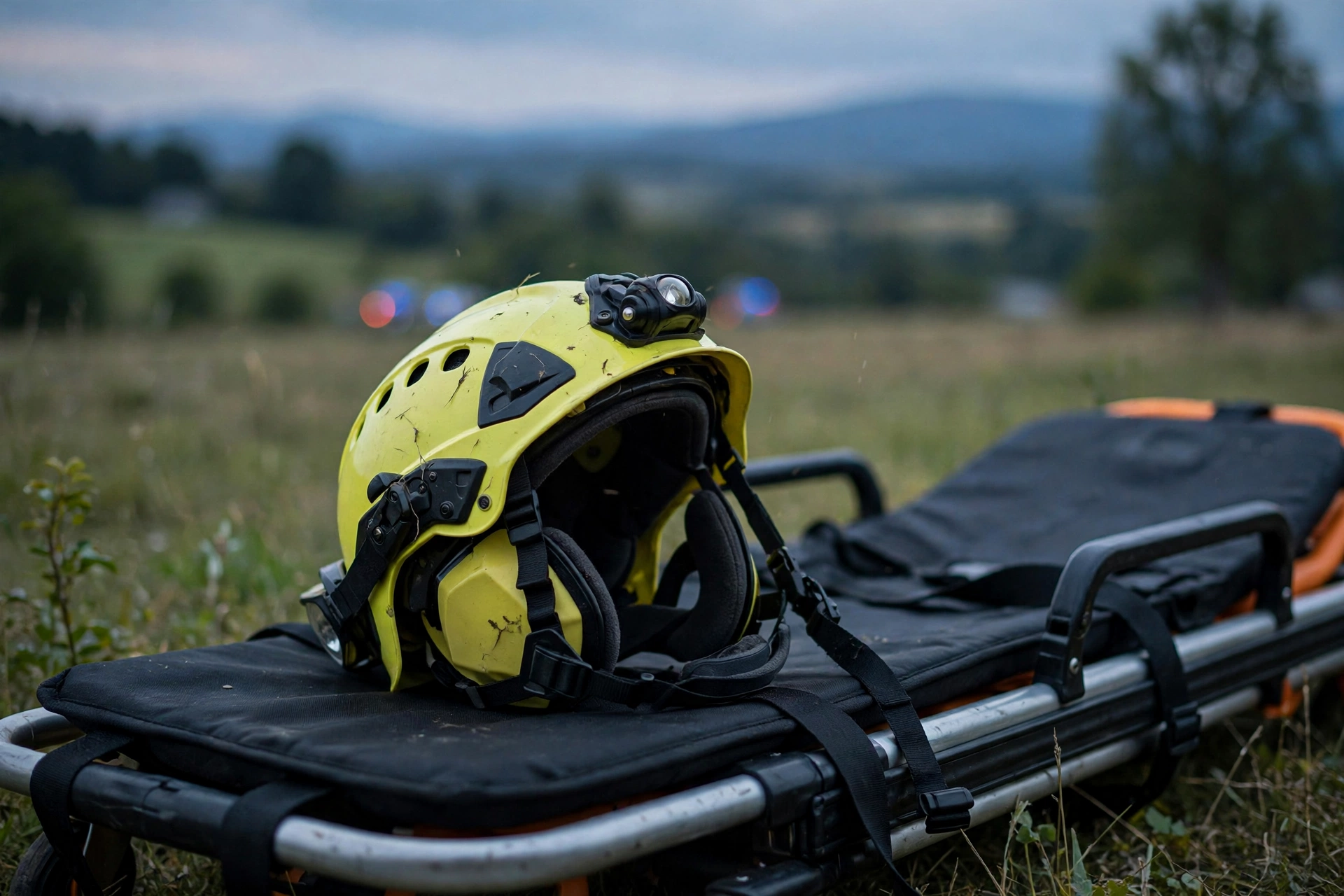
Most EMS crews wear a lightweight rescue helmet or a multi-impact helmet designed for technical rescue, rather than the heavy traditional fire helmet. Rescue helmets are lighter, sit lower on the head, and often have slots for a headlamp, a visor or goggles, and ear protection. Their lighter weight matters on a long incident, where a heavy helmet becomes a neck strain rather than a help.
Some services issue hard hats for EMS use, particularly where the main risk is falling objects rather than impact from a fall. Others use helmets that meet rescue or climbing-related standards, chosen for side and rear coverage as well as top protection. The exact model depends on the service’s risk assessment and local rules, but the principle is the same: the helmet should match the hazards of the scenes that service actually attends, not simply be the nearest helmet on the truck.
Why Don’t EMS Crews Wear Helmets on Every Call?
On a routine medical call, a helmet can get in the way more than it helps. Patient care often happens in tight spaces — a small bedroom, the back of an ambulance, a stairwell — where a helmet’s bulk and brim can bump equipment, block vision, or make it harder to lean over a patient. Communication matters too: helmets with ear coverage can muffle voices, and clear communication with a patient and a partner is central to good care.
There is also a patient-comfort angle. A crew arriving in full rescue gear for a straightforward medical call can alarm a patient or their family, especially children or elderly patients. Services balance this by tying helmet use to scene risk rather than making it universal: helmets for hazardous scenes, no helmets where the risk does not justify them. That risk-based approach keeps crews protected where it counts without burdening every call.
How Do EMS Services Decide Their Helmet Policy?
Helmet policy usually comes from a service’s risk assessment, which looks at the types of incidents the service attends and the hazards in each. A rural service that attends many road collisions and farm incidents may require helmets more often than an urban service whose work is mostly indoor medical calls. Local regulations and national guidance also shape policy, and some services align their rules with fire and rescue partners they work alongside.
Training is part of the policy too. Crews need to know when to put a helmet on, how to fit it, and how to wear it with other kit such as eye protection, hearing protection, and high-visibility clothing. A helmet that does not fit, or that conflicts with a crew member’s other equipment, will be left on the truck. Services that involve crews in choosing helmet models tend to get better compliance, because the helmet is one crews will actually wear. Regular refresher training helps as well, since helmet policies and models change over time and new crew members need to learn the service’s expectations from the start.
What Should an EMS Helmet Work With?
An EMS helmet rarely works alone. Eye protection is the most common companion, since extrication and roadside work throw up fragments and dust. Many rescue helmets accept clip-on visors or goggles, and some crews wear safety glasses beneath the helmet instead. Hearing protection matters around cutting tools and helicopters, and helmet-mounted ear defenders or slots for ear muffs solve that without a separate headband.
Headlamps are another common fitting: night-time road incidents and dark buildings make a helmet-mounted light extremely useful, and many rescue helmets have a front mount for one. High-visibility markings or reflective stickers help crews stand out beside traffic at night. When choosing or issuing a helmet, checking that these accessories fit the helmet — rather than fighting it — makes the whole setup more likely to be used. If you are learning about helmet technology, reading about what MIPS is for helmets can help you understand one of the features you may see listed on modern helmets.
Frequently Asked Questions
Q: Do paramedics wear helmets inside the ambulance?
A: In general terms, no. Once the patient is loaded and the ambulance is moving, the crew works without a helmet. Helmets are for scene hazards, not for patient care inside the vehicle.
Q: Are EMS helmets the same as firefighter helmets?
A: Not usually. Firefighter structural helmets are heavier and built for heat and flame, while EMS rescue helmets are lighter and built for impact, rescue work, and long wear. Some combined fire and EMS services may use one helmet for both roles.
Q: Do EMS crews wear helmets at mass-casualty incidents?
A: Often, yes, when the scene involves hazards such as debris, unstable structures, or work beside traffic. The decision follows the same risk-based rule as any other incident.

Olivia
Writer at Helmet Today, covering helmet reviews, fit and riding safety.